




chlorine
Why Does Tap Water Taste Like Chlorine in Spring?

You fill a glass, take a sip, and there it is — that sharp, chemical bite that smells more like a swimming pool than a drink. If your tap water tastes like chlorine right now, you're not imagining it. Spring is actually the most common time of year for this to happen, and there's a specific reason it spikes in March and April.
The good news: it's explainable. The better news: it's fixable.
Why Chlorine Levels Rise in Tap Water Every Spring
Every spring, water utilities across the country run what's called a system flush — a controlled process where they push large volumes of water through pipes at high pressure to clear out sediment, biofilm, and disinfection byproducts that have accumulated over the winter months.
Here's what that means for your tap. During a flush, municipalities temporarily increase chlorine and chloramine doses to maintain disinfection as they move more water through the system faster. That's the spike you're tasting. It's not a malfunction — it's intentional maintenance, typically done between March and April each year.
A few things happen simultaneously:
- Higher flow rates stir up sediment sitting in older pipe sections
- Residual disinfectants are topped up at treatment plants
- Warmer spring temperatures speed up chemical reactions in the water, making chlorine more noticeable
- Snow melt and spring rainfall increase runoff into reservoirs, requiring heavier treatment
You'll often notice the taste change within hours of a local flush event — and it can last a few days to a couple of weeks depending on your distance from the treatment facility.
Is the Chlorine in Tap Water Actually Harmful?
Chlorine at municipal drinking water levels is EPA-regulated and within a specific approved range. It's added by design to prevent bacterial growth through the distribution system.
That said, many people find the taste and smell of chlorinated tap water unpleasant — especially during spring spikes. If your water tastes strongly of chlorine or leaves an aftertaste, the issue is aesthetic, not necessarily a sign of unsafe water.
The real concern for many households is consistency and quality day-to-day. Spring isn't just about chlorine — it also brings seasonal changes that affect hardness, turbidity, and disinfection byproduct formation. If you want clean-tasting water year-round, a filter does what standing water in a pitcher cannot.
Why Cold Water Sometimes Tastes More Chlorinated
Cold water holds dissolved gases — including chlorine — more efficiently than warm water. That's why a cold glass straight from the tap often hits harder in terms of chlorine taste. Let it sit in the fridge uncovered for a few hours and the chlorine volatilizes off, improving the taste.
But you shouldn't have to wait around for your water to become drinkable. Filtration solves this at the source.
What Type of Filter Actually Removes Chlorine Taste?
Not all filters are built the same. Here's what actually works against chlorine taste and smell:
Activated Carbon
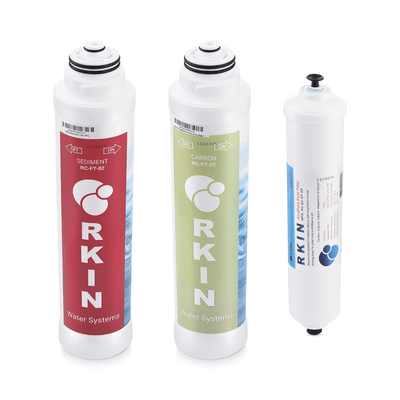
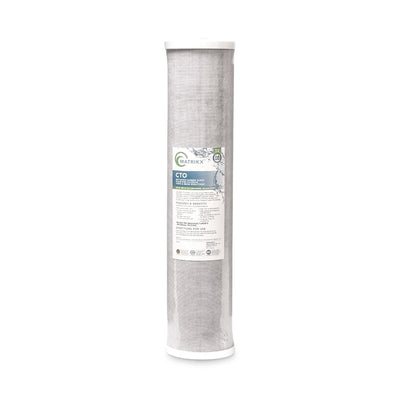
The workhorse of chlorine removal. Activated carbon has a massive surface area that adsorbs chlorine molecules on contact. You'll find it in most quality under-sink and countertop systems. Standard carbon reduces chlorine taste significantly; catalytic carbon handles chloramines (the ammonia-chlorine combo many cities have switched to) more effectively.
Reverse Osmosis (RO)
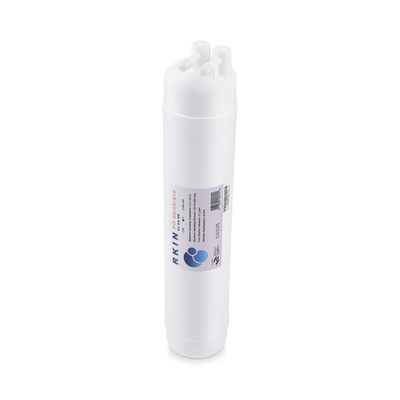
RO systems push water through a semi-permeable membrane that blocks contaminants down to the molecular level. Most RO systems include a carbon pre-filter that handles chlorine before it reaches the membrane, protecting the system and improving taste. RO delivers the most thorough filtration available for countertop or under-sink use.
RKIN Products That Handle Spring Chlorine Spikes
Depending on whether you want to filter at a single tap or treat your entire home's supply, here are RKIN systems built for chlorine removal:
Drinking Water (Point-of-Use)
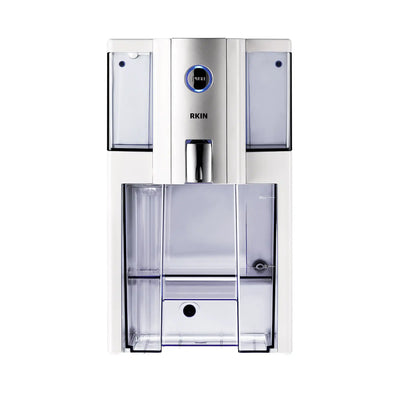
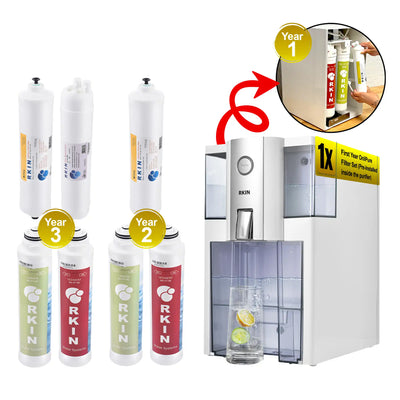
The Zero Installation Purifier sits on your counter and connects to your faucet in minutes. Multi-stage reverse osmosis with carbon pre-filtration strips chlorine, chloramines, and dissolved contaminants. Plug into a standard outlet and you're set — no plumbing, no drilling.
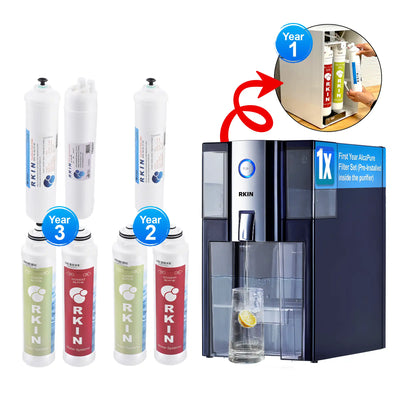
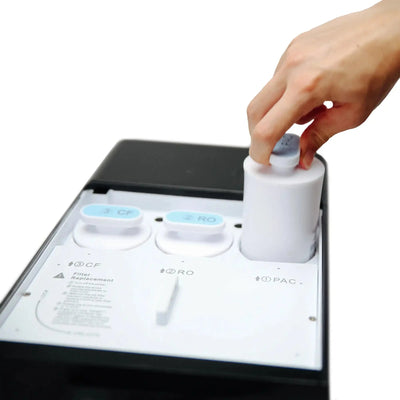
The U1 4-in-1 Water Filter System is a countertop unit — no plumbing or installation required. Fill the tank, place it on the system, and it runs through a five-stage process: sediment, carbon, RO membrane, UV sterilization, and post-filtration. Handles seasonal chlorine surges without any adjustments on your end.
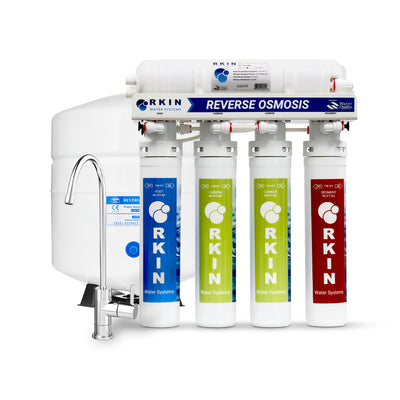
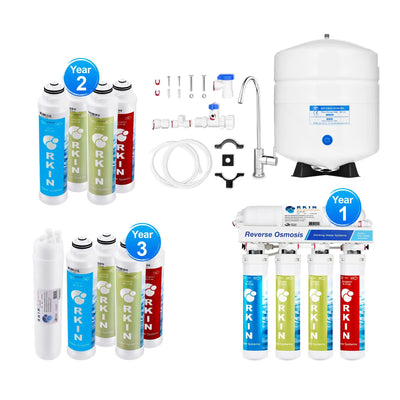
The Flash Undersink RO System is a compact under-sink option with a dedicated faucet — fast flow and effective against chlorine plus dissolved contaminants.
Whole House (Point-of-Entry)
If you want chlorine-free water from every tap, shower, and appliance, a whole-house system catches it at the main line.
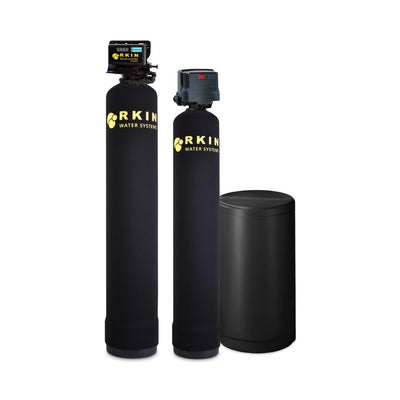
The OnliSoft Pro combines a salt-free conditioner with a carbon filtration stage that removes chlorine and chloramines house-wide. One system handles both scale prevention and chlorine taste.
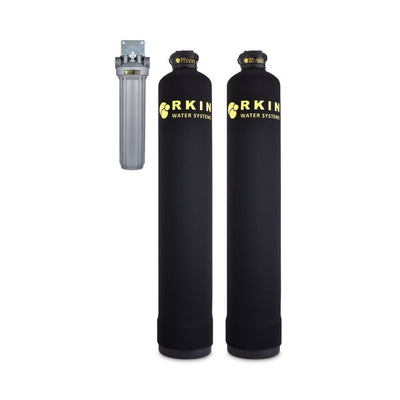
The CBS Dual Carbon Whole House Filter is a dedicated chlorine and chemical removal system. Two carbon stages target chlorine, chloramines, VOCs, and sediment at the point of entry.
Browse the full lineup at rkin.com/collections/whole-house-water-treatment.
Tips for Managing Chlorine Taste While You Wait for a Filter
- Let water sit uncovered — chlorine dissipates over time in an open container
- Chill your water — cold tap water may have stronger chlorine taste; let it warm slightly or store filtered water in the fridge
- Run the tap briefly before filling — standing water in pipes can have higher chlorine concentration
- Use a carbon pitcher filter — even a basic Brita reduces noticeable chlorine taste
These are temporary workarounds. If you notice a chlorine spike every spring, the pattern will repeat next year. A point-of-use filter installed once solves it permanently.
How to Tell If Your Utility Is Flushing Right Now
Most water utilities post annual flushing schedules on their websites. Search for your city or county name plus "water main flushing schedule" and you'll often find exact dates by neighborhood or zone.
You can also sign up for water quality notices from your utility. Many send SMS or email alerts during active flush events, which explains sudden taste changes.
Spring Water Quality Is About More Than Chlorine
Spring runoff brings agricultural and road chemicals into surface water supplies. Snowmelt stirs sediment in reservoirs. Increased rainfall creates turbidity spikes. Your utility responds by ramping up treatment — which is why the "pool water" taste tends to show up each year around the same time.
If you're on a private well, you face different spring challenges: higher turbidity, bacterial exposure from surface water intrusion, and organic matter from runoff. Chlorine taste on a well usually means a recent shock treatment or a well with a chlorinator installed. For well water specifically, the RKIN Well Water Filter targets iron, sulfur, and manganese — the contaminants most common in private well systems.
Either way — city water or well — spring is the right time to evaluate your filtration setup before the season is in full swing.
Frequently Asked Questions
Why does my tap water suddenly taste like chlorine in spring?
Water utilities perform annual pipe flushing in spring, typically March through April, to clear sediment and biofilm from distribution mains. During this process, chlorine doses are temporarily increased to maintain disinfection, which causes a noticeable spike in chlorine taste and smell at the tap.
Is it safe to drink tap water when it tastes strongly of chlorine?
Chlorine in municipal tap water is EPA-regulated and added to prevent bacterial contamination. A strong chlorine taste during spring flushing periods is generally an aesthetic issue, not a safety emergency. However, if you notice an unusually strong or persistent taste, contact your water utility for current quality data.
How do I remove chlorine taste from tap water?
The most effective method is a point-of-use filter with activated carbon or reverse osmosis. Activated carbon adsorbs chlorine on contact. RO systems add a membrane filtration layer. Letting water sit uncovered reduces chlorine through off-gassing, but a filter handles it faster and more consistently.
How long does the chlorine taste from spring flushing last?
Spring pipe flushing events typically last a few days to two weeks depending on your water system and distance from the treatment plant. In most areas, chlorine levels return to normal operational ranges within 1-2 weeks after flushing is complete.
Does a Brita or pitcher filter remove chlorine from tap water?
Yes, most pitcher filters use activated carbon that reduces chlorine taste and smell. They work as a basic solution for light chlorine issues. For stronger spring spikes or if you want consistent results without waiting for water to filter through slowly, an under-sink or countertop reverse osmosis system provides more thorough and faster filtration.
Why does cold tap water taste more like chlorine than warm water?
Cold water holds dissolved gases more effectively than warm water, so chlorine stays dissolved and concentrated in cold water longer. Warm or room-temperature water allows chlorine to off-gas more quickly. This is why cold tap water often has a stronger chlorine taste, especially in spring.
Spring chlorine spikes are predictable, which means so is the fix. A quality filter installed once handles every spring season going forward — no taste testing required.
See the Zero Installation Purifier, U1, or Flash for point-of-use. For whole-house chlorine removal, check the OnliSoft Pro or CBS Dual Carbon Filter — current pricing and specs on each product page.



0 comments