


arsénico en agua de pozo
Arsenic in Well Water: RO Filter Guide for Homes 2026

Arsenic is not a taste problem. You usually cannot see it, smell it, or taste it in well water, which is why a normal-looking glass can still deserve a closer look.
The U.S. Environmental Protection Agency sets the arsenic limit for regulated public drinking water systems at 10 parts per billion. Private wells are different: the owner is responsible for testing, choosing treatment, and confirming that treatment works. If your home uses a private well, the smart first move is not guessing which filter looks strongest. It is testing the water, matching the result to the right technology, and re-testing after installation.
Why Arsenic Shows Up in Well Water
Arsenic can enter groundwater from natural deposits in rock and soil, and in some areas from agricultural or industrial activity. That matters because many private wells pull directly from local aquifers. Two homes a few miles apart can have different water chemistry, even if both wells look similar from the surface.
EPA guidance for private well owners says to test annually for basics such as total coliform bacteria, nitrates, total dissolved solids, and pH, and to test right away when local conditions change, including flooding, land disturbance, new construction, industrial activity, repairs, or a noticeable shift in taste, odor, or color. That same EPA private well guidance recommends using a certified drinking-water laboratory instead of relying on guesswork.
Arsenic is a special case because it can be present without a warning sign. A pitcher that improves taste will not tell you whether arsenic is present. A clear glass will not tell you whether the result is below a target level. A sediment cartridge will not tell you whether dissolved metals are still moving through the tap.
The test result should show the concentration and the units. Many lab reports use micrograms per liter, often written as µg/L. For drinking water, 10 µg/L is the same as 10 parts per billion. If the report comes back with any arsenic level that concerns you, ask the lab, local health department, or a qualified water treatment professional to help interpret the result before choosing equipment.
What Does Not Work for Arsenic
Some common fixes are useful for other problems, but they are not a plan for arsenic.
Boiling water is the wrong move. Boiling may kill certain germs, but arsenic is not a germ. When water evaporates, dissolved minerals and metals can become more concentrated in the remaining water. If arsenic is the concern, boiling is not a removal strategy.
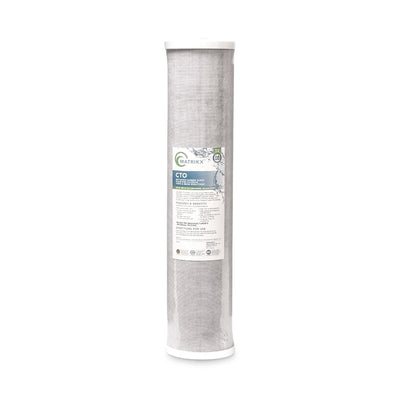
A basic carbon taste-and-odor filter is also not enough unless the device is specifically tested for the arsenic claim you need. Carbon can be useful for chlorine taste, odor, and some organic compounds, but arsenic reduction depends on the form of arsenic, water chemistry, flow rate, media, and product design.
A water softener is not the answer by itself either. Softeners exchange hardness minerals such as calcium and magnesium. That can help scale problems, but it does not make a softener a drinking-water arsenic filter. If a salesperson suggests one piece of equipment without asking for a lab report, slow down.
Bottled water can be a temporary bridge while you test and choose treatment, but it is not a long-term water plan for most homes. It adds storage, hauling, plastic waste, and uncertainty about how much water the household will actually use for cooking, coffee, pets, and daily drinking.
What Actually Reduces Arsenic in Drinking Water
For homeowners, the usual starting point is point-of-use treatment at the tap used for drinking and cooking. That is where reverse osmosis often comes in.
The Centers for Disease Control and Prevention explains that reverse osmosis uses pressure to push water through a semi-permeable membrane and may reduce arsenic, fluoride, radium, sulfate, nitrate, and other dissolved substances depending on the system and claim. CDC also warns that no single treatment type handles every problem, so the label and test claim matter. The plain-English takeaway: choose the technology for the contaminant, then choose a system tested for that technology claim.
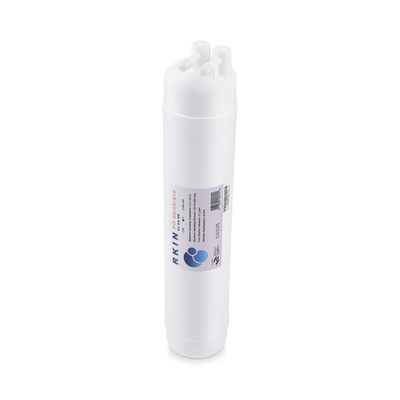
NSF/ANSI 58 is the reverse osmosis drinking-water treatment standard most homeowners will see when comparing RO systems. NSF notes that the standard includes optional contaminant reduction claims such as arsenic, nitrate/nitrite, fluoride, lead, chromium, and PFAS. Optional is the key word. A reverse osmosis system can be built under an RO category without carrying every possible contaminant claim. Check the product documentation for the exact reduction claims, the test conditions, and the maintenance schedule.
Arsenic chemistry also matters. Arsenic can exist in different forms, and treatment performance can depend on whether arsenic is present mainly as arsenic III or arsenic V. Some systems need pre-treatment or oxidation ahead of the final filter. This is why a lab report and a real water analysis beat a one-size-fits-all filter recommendation.
A good arsenic plan usually follows this order:
- Test untreated well water at a certified lab.
- Confirm the result, especially if the first test is above the level you expected.
- Choose a treatment system with documentation for arsenic reduction.
- Install it in the right location for drinking and cooking water.
- Follow the filter and membrane replacement schedule.
- Re-test treated water to confirm the system is doing its job.
Point-of-Use or Whole-House Treatment?
For most arsenic drinking-water concerns, start with point-of-use treatment at the kitchen sink or drinking-water tap. That is the water you drink, brew coffee with, use for ice, and cook with. Treating that stream is usually more focused than trying to run every gallon in the home through arsenic treatment.
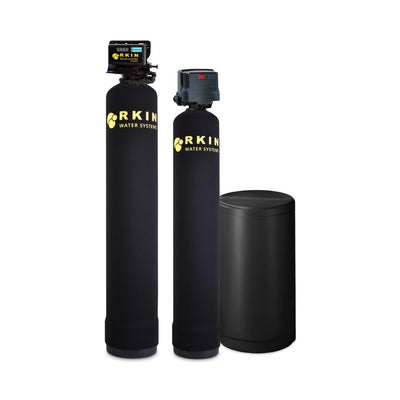
Whole-house treatment can make sense in specific cases, but it should be driven by the test report and household goals. A home with arsenic plus sediment, iron, low pH, sulfur odor, bacteria concerns, or scale may need a staged design. One device may protect plumbing; another may polish drinking water; a third may handle disinfection. The order matters because upstream water chemistry can affect downstream filters.
Do not skip the retest. The lab result after treatment is the proof that matters. It also helps set a maintenance rhythm. If a filter, membrane, or media bed is left in service too long, the home may drift back toward the original problem without a visible warning.
How RKIN Fits the Arsenic Conversation
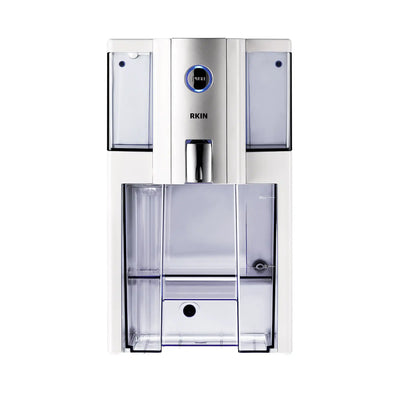
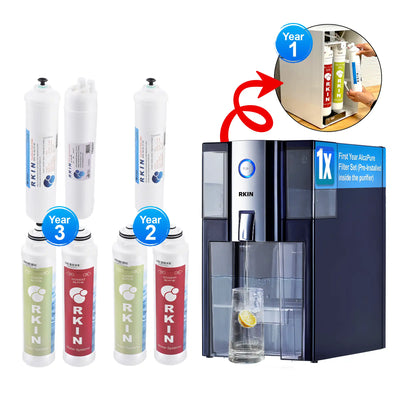
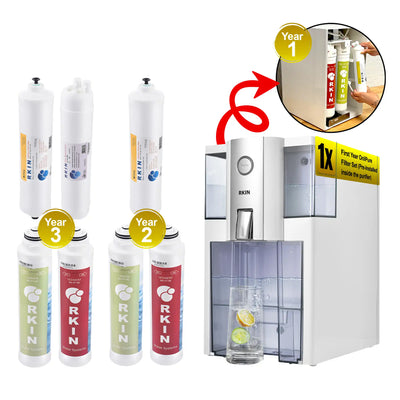
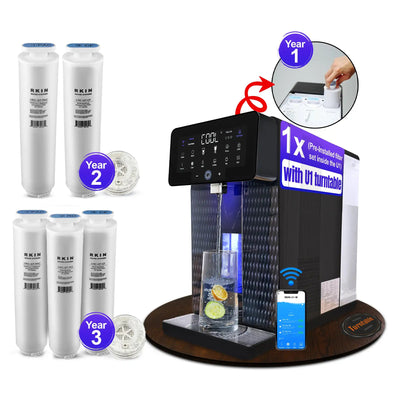
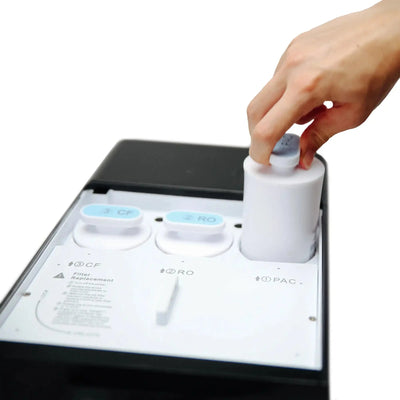
If your goal is focused drinking-water treatment, the RKIN Zero Installation Purifier Countertop Reverse Osmosis Water Filter is built for homeowners and renters who want reverse osmosis without plumbing work. It sits on the counter, connects without a permanent installation, and is a practical fit when the priority is better water for drinking and cooking.
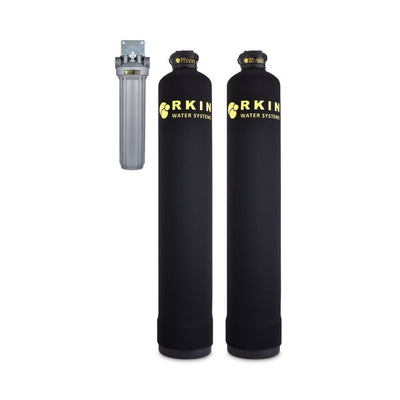
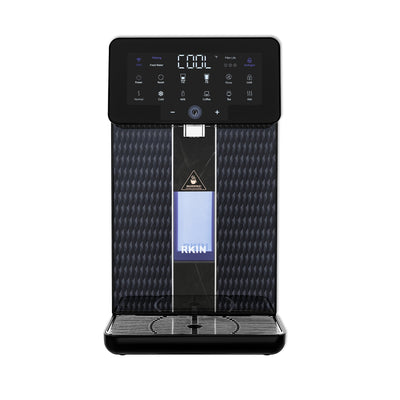
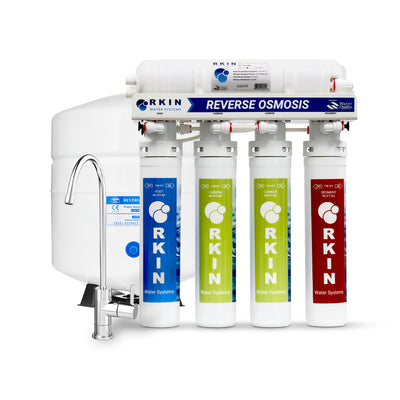
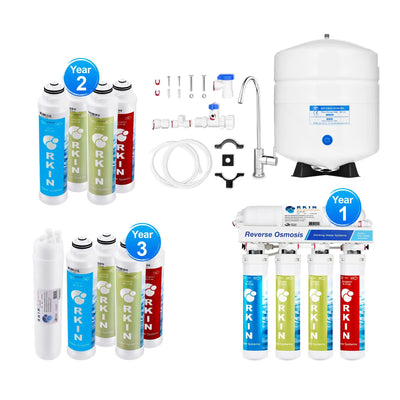
For homes where an installed system makes more sense, the RKIN Flash Undersink RO System is designed for under-sink reverse osmosis at a dedicated tap. If your lab report shows a mix of well-water issues across the home, start with the RKIN whole house water treatment collection and size the approach around the full report, not a single symptom.
The right answer depends on the water. Test first, match the system to the contaminant, and verify with treated-water testing.
Frequently Asked Questions
How do I know if my well water has arsenic?
You need a certified drinking-water lab test. Arsenic usually has no taste, odor, or color in water, so appearance is not a reliable clue. EPA recommends private well testing when conditions change near the well and annual testing for basic water quality indicators. Ask your local health department which arsenic tests are common in your area.
What level of arsenic in drinking water is allowed?
EPA sets the arsenic standard for regulated public water systems at 10 parts per billion. Private well owners are responsible for testing and treatment decisions. If your result is near or above that level, ask your lab, local health department, or a qualified water professional to help choose the next step.
Does reverse osmosis remove arsenic from well water?
Reverse osmosis may reduce arsenic, but only if the system is designed and documented for the right contaminant claim and maintained correctly. NSF/ANSI 58 includes arsenic reduction among optional RO claims, so check the product documentation instead of assuming every RO system has the same claim.
Will boiling well water remove arsenic?
No. Boiling is not an arsenic removal method. It can reduce certain microbial concerns in emergency situations, but arsenic is dissolved in the water. As water boils away, the remaining water can become more concentrated.
Should I treat the whole house for arsenic or only drinking water?
Many homeowners start with point-of-use reverse osmosis for drinking and cooking water. Whole-house treatment may be useful if the lab report shows several issues or if the household has goals beyond drinking water. The best design starts with a complete lab result.
How often should I retest after installing a filter?
Retest treated water after installation to confirm performance, then follow the schedule recommended by your lab, local health department, and equipment manufacturer. Retest sooner if water quality changes, the well is repaired, flooding occurs, or filters are overdue.
Ready to Choose the Right RO Setup?
Start with the lab report, not a guess. Once you know what is in the water, RKIN can help you choose a point-of-use reverse osmosis setup or a whole-house plan that matches the actual problem.
See the RKIN Zero Installation Purifier Countertop Reverse Osmosis Water Filter for no-plumbing drinking-water treatment, or compare installed options with the RKIN Flash Undersink RO System.





0 comentarios