


filtro para subproductos de desinfección
HAA5 in Drinking Water: Filter Guide for Homeowners

If “HAA5” showed up on your Consumer Confidence Report, it can feel like a code word. You cannot see it in a glass, and it usually has no clear taste or smell. Here is what HAA5 means and what to check before choosing a drinking-water filter.
The short version: HAA5 stands for five haloacetic acids, a group of disinfection byproducts that can form when disinfectants used in city water react with natural organic matter. The EPA’s National Primary Drinking Water Regulations list the maximum contaminant level for HAA5 as 0.060 mg/L. That number belongs to the water utility compliance side of the conversation, but it gives homeowners a useful starting point for reading the report.
Why HAA5 shows up in city water reports
City water has to control microbes before it reaches your home. Utilities commonly use disinfectants because untreated distribution systems are a bigger risk than most homeowners realize. HAA5 is part of the trade-off: disinfectants help protect the water as it moves through pipes, and byproducts can form along the way.
That is why HAA5 is usually a city-water topic, not a private-well topic. A private well owner may have bacteria, nitrate, sediment, hardness, sulfur odor, iron, or local contaminant concerns. HAA5 usually enters the conversation when a public water system disinfects water and reports disinfection byproduct results.
Your report may show HAA5 as “haloacetic acids,” “HAA5,” or a similar label. Look for four details before shopping for equipment:
- The detected range, if your report lists one.
- The highest level used for compliance.
- The date or monitoring period.
- Whether the utility explains any corrective action or seasonal pattern.
The seasonal pattern matters. Warmer weather, changes in source-water conditions, heavy organic matter, and treatment adjustments can all affect disinfection byproduct formation. That does not mean every late-summer report is a problem. It means your first step is to read the number in context rather than guessing from taste.
What HAA5 is not
HAA5 is not the same as chlorine smell. Chlorine or chloramine can make water smell or taste treated. HAA5 may be present even when the glass smells normal, and a strong chlorine smell does not tell you the HAA5 number.
HAA5 is also not total dissolved solids. A TDS meter can show a broad dissolved-solids reading, but it cannot identify haloacetic acids. If you want to know what your utility found, use the utility report. If you are on a private system or you want a second check, use a certified lab.
A pitcher filter label is not enough either. Some carbon filters are useful for taste and odor, and some products list specific contaminant-reduction claims. But “better tasting water” is not the same as a documented HAA5 claim. The exact product matters.
Boiling is the wrong default move for disinfection byproducts. Boiling can be part of an official emergency notice when a utility tells you to boil for microbes, but it should not be treated as a general chemical-removal step. If a notice says something specific, follow the notice. If you are reading a routine annual report, use the report to decide whether you need more information.
What kind of filter should homeowners compare?
For HAA5, the right question is not “what is the strongest filter?” It is “what does this exact system document?” Look for product literature, performance data sheets, certification listings, or third-party testing that names the contaminant or the relevant byproduct group.
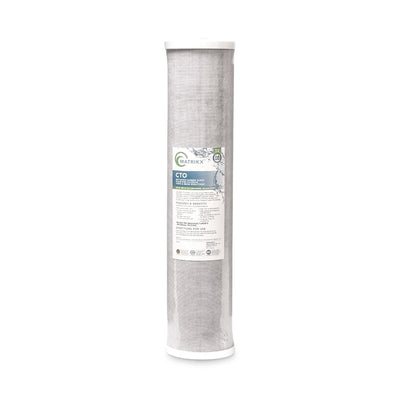
Activated carbon can be valuable for many disinfectant, taste, odor, and organic-compound concerns when it is sized and maintained correctly. But carbon performance depends on contact time, carbon type, water chemistry, flow rate, age of the cartridge, and the actual claim. A small taste filter and a properly sized drinking-water system are not the same thing.
Reverse osmosis is a common choice when homeowners want a broader drinking-water barrier at one tap. NSF explains that NSF/ANSI 58 covers point-of-use reverse osmosis drinking-water treatment systems, including materials, structural integrity, total dissolved solids reduction, recovery, efficiency, and user information. That standard is a good starting point for comparing RO systems, but you still need to read the specific claim list.
A whole-house filter may make sense for other reasons, especially if you want to reduce sediment, chlorine taste throughout the home, or certain whole-home water issues. But if your concern is HAA5 in drinking and cooking water, the most direct place to start is usually the water you drink.
How to shop without getting misled
Use this simple review before buying anything for HAA5:
- Start with the Consumer Confidence Report, not a sales page.
- Write down the HAA5 number, unit, monitoring period, and location if listed.
- Ask the utility whether the result is typical or tied to a temporary treatment condition.
- Decide whether you want whole-home treatment, drinking-water treatment, or both.
- Read the performance data sheet for the exact model.
- Look for the named contaminant or byproduct category, not vague words like “advanced.”
- Check filter and membrane replacement requirements before choosing a system.
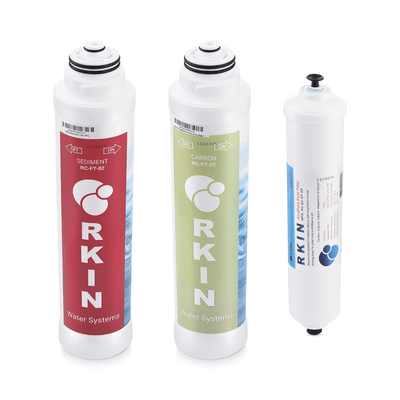
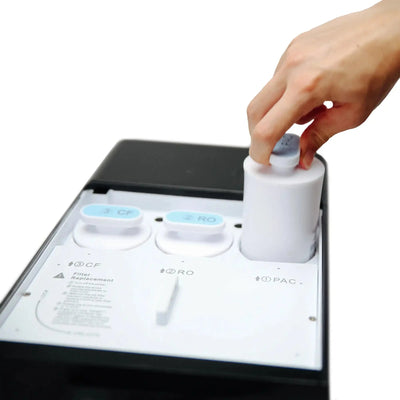
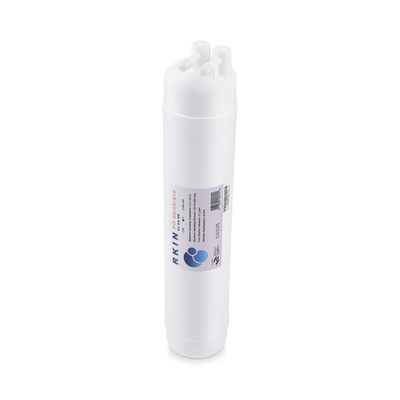
Replacement matters because a neglected filter is just old equipment. Carbon cartridges have rated capacity and service intervals. RO systems have prefilters, membranes, and post-filters. If a product depends on maintenance, the calendar and the rated life are part of the purchase decision.
Be careful with claims that sound bigger than the paperwork. “Removes chemicals” is not specific. “Purifies water” is not a test result. If HAA5 is the target, ask for the document that supports HAA5 or disinfection byproduct reduction for that exact product.
Also separate a routine water-report question from an emergency notice. If your utility says water use is restricted, follow that instruction. If your annual report simply lists a compliant HAA5 result, the decision is different: you are comparing a long-term drinking-water upgrade, not responding to an immediate advisory. That distinction keeps the purchase grounded in the actual risk signal.
When in doubt, call the utility and ask where the sample was taken, whether the number reflects an average, and whether recent treatment changes affected the result. Those answers make filter shopping more specific.
If you have already chosen a filter path, save the water report with your filter records. It gives you a baseline for future questions and helps you avoid buying based on a single confusing label. For an installed system, keep the model number, performance sheet, and replacement schedule in the same folder. For a countertop system, keep the filter and membrane dates where you will see them. HAA5 is not a daily kitchen observation, so documentation is what keeps the decision clear six months later.
Where RKIN fits
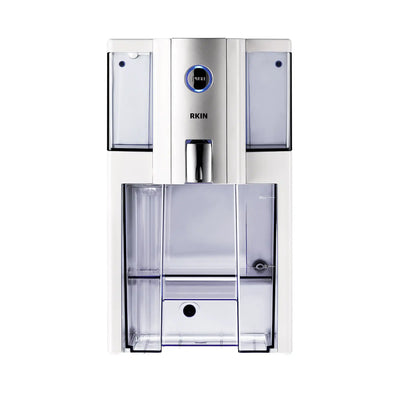
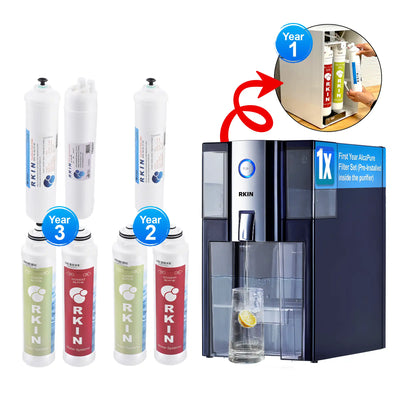
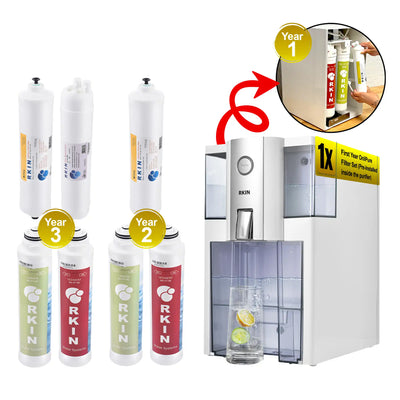
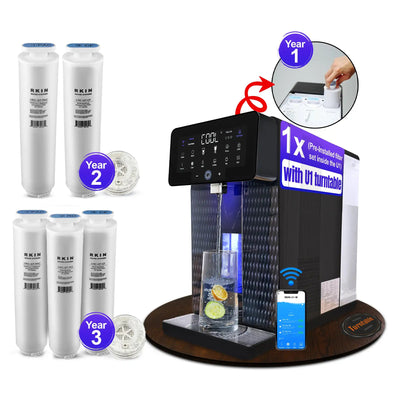
If you want a drinking-water RO option without plumbing changes, the RKIN Zero Installation Purifier Countertop Reverse Osmosis Water Filter is designed for kitchens where countertop RO is the better fit. It is a practical path for renters, apartments, and homeowners who do not want to drill or modify under-sink plumbing.
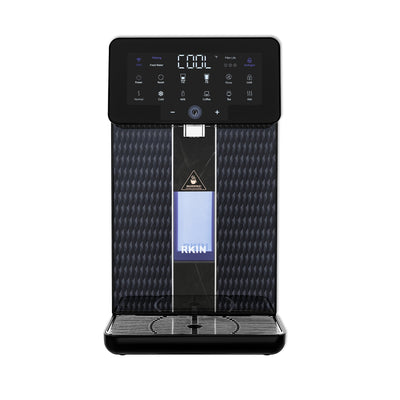
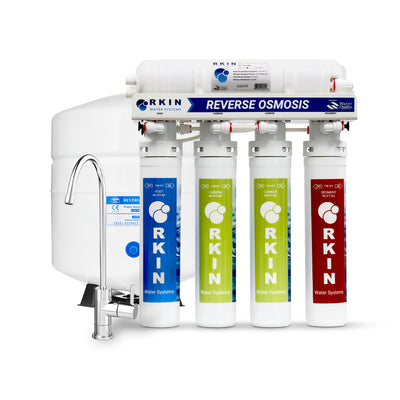
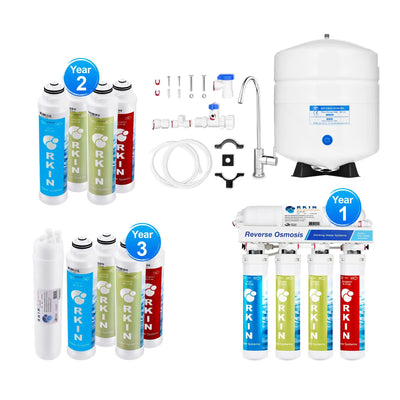
If you prefer a dedicated faucet and under-sink layout, the RKIN Flash Undersink RO System is the installed RO option. It fits homes where an under-sink system and compact storage tank make more sense than a countertop unit.
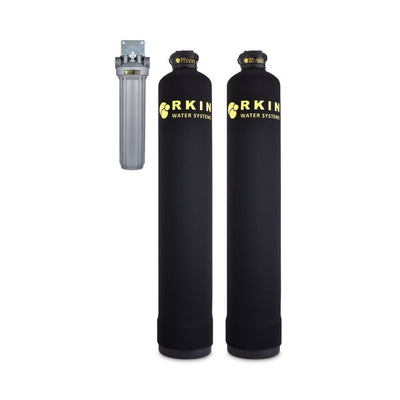
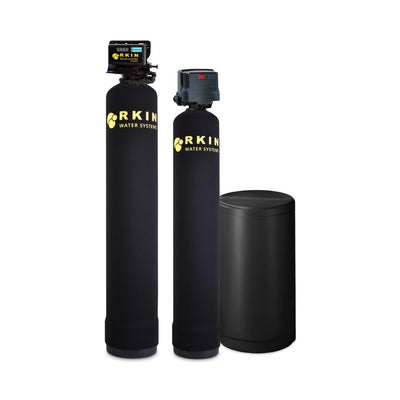
For whole-home water concerns such as sediment, hardness, chlorine taste throughout the house, or well-water pretreatment, start with RKIN Whole House Water Treatment. Whole-home treatment and drinking-water RO can work together, but they answer different questions. HAA5 usually starts with drinking and cooking water.
Frequently Asked Questions
What does HAA5 mean on a water report?
HAA5 means five haloacetic acids, a group of disinfection byproducts that can form in public water systems when disinfectants react with natural organic matter. Your Consumer Confidence Report should show whether HAA5 was detected and how the result compares with EPA drinking-water regulations.
Can I taste HAA5 in water?
Not reliably. HAA5 is a lab-report result, not a simple taste test. Chlorine smell, earthy taste, or a normal-looking glass of water cannot confirm the HAA5 level. Use the utility report or a certified lab result when you need a real answer.
Does reverse osmosis reduce HAA5?
Reverse osmosis can be part of a stronger drinking-water setup, but do not assume every RO system has the same tested claims. Check the exact product documentation and performance data sheet. If HAA5 is your target, look for language that names haloacetic acids, disinfection byproducts, or the relevant test standard.
Is a carbon filter enough for HAA5?
Some carbon systems may reduce certain organic compounds or disinfectant-related concerns, but performance depends on the exact product, cartridge size, flow rate, contact time, water chemistry, and maintenance. Read the performance data sheet instead of relying on a general “carbon filter” label.
Should I filter all the water in the house for HAA5?
For many homeowners, HAA5 concerns start with drinking and cooking water. A point-of-use drinking-water system can be the most direct first step. Whole-house treatment may still matter for sediment, chlorine taste throughout the house, hardness, or other home-wide issues.
Ready to Make Sense of Your Water Report?
Start with the HAA5 number on your report, then compare systems by documented claims and maintenance requirements. If a drinking-water RO setup fits your kitchen, review the RKIN Zero Installation Purifier Countertop Reverse Osmosis Water Filter and choose based on your water result, not a guess.






0 comentarios