




filtros de refrigerador: eliminación de PFAS
Do Refrigerator Water Filters Remove PFAS? What to Know

Short answer: some refrigerator water filters can reduce certain PFAS, but many are built mainly for better taste and odor. If your filter is not tested or certified for PFAS reduction, do not assume it handles forever chemicals.
That matters more in 2026 because PFAS is no longer a niche water topic. In 2024, the U.S. EPA finalized national drinking water limits for several PFAS compounds, including PFOA and PFOS at 4 parts per trillion. You can read the EPA summary here: EPA PFAS drinking water information. The rule is aimed at public water systems, but homeowners are asking a practical question at the kitchen sink: "Does the filter in my fridge actually remove this stuff?"
What does a refrigerator water filter usually do?
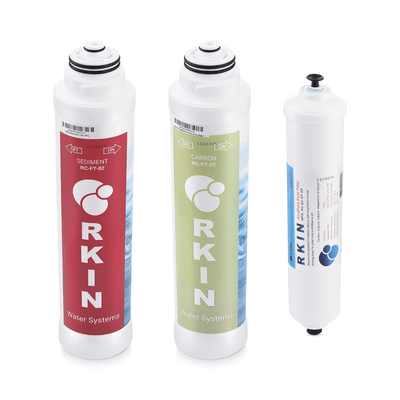
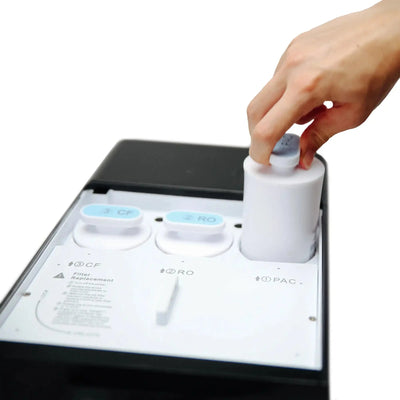
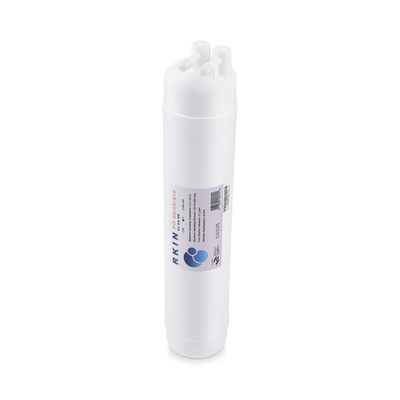
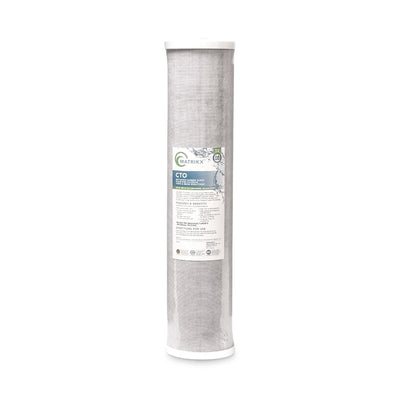
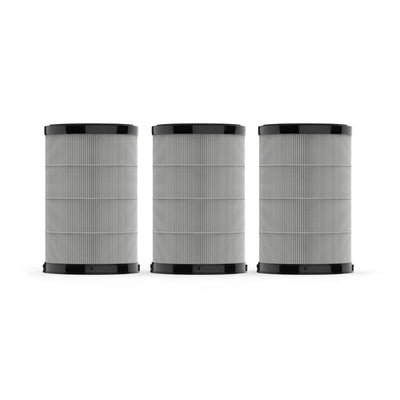
Most refrigerator filters are small carbon cartridges. Their everyday job is simple: improve drinking-water taste, reduce chlorine taste and odor, and catch some sediment before water reaches the dispenser or ice maker.
That is useful. Chlorine taste is one of the most common reasons people stop trusting their tap water, especially in warm months when utilities may adjust treatment or when water sits longer in plumbing. A fridge filter can make water taste cleaner and make ice smell less like a pool.
But taste is not the same thing as broad contaminant reduction. PFAS compounds are dissolved chemicals. You cannot see them, smell them, or taste them. A filter can make water taste great and still be the wrong tool for a specific contaminant.
The reason this gets confusing is that carbon can reduce some PFAS under the right conditions. The catch is contact time, carbon type, cartridge size, flow rate, and independent testing. A small refrigerator cartridge has limited media and fast flow. Some models perform better than others, but the label has to prove it.
Why PFAS is different from chlorine taste
PFAS stands for per- and polyfluoroalkyl substances. They are used in many industrial and consumer applications because they resist water, oil, and heat. The same chemistry that makes them useful also makes them persistent in the environment.
The EPA's 2024 drinking water rule set enforceable limits for PFOA and PFOS at 4 ppt and added limits for several other PFAS compounds and mixtures. That does not mean every home has PFAS in the tap. It means the concern is real enough that public water systems now have a federal benchmark.
Here is the homeowner problem: most people do not shop by contaminant. They shop by the appliance in front of them. The refrigerator has a filter, so it feels like the water is covered. Understood. But if the target is PFAS, the right question is not "Does my fridge have a filter?" It is "Is this exact filter tested for the PFAS compounds I care about?"
If the answer is no, treat the fridge filter as a taste filter, not a PFAS plan.
How to read the filter label without getting lost
Start with the certification or performance data. Look for named contaminants, not broad claims. "Reduces chlorine taste and odor" is not the same as "reduces PFOA/PFOS." "Advanced filtration" is marketing language until the product lists what it was tested against.
A practical label check looks like this:
- Find the model number: The refrigerator brand is not enough. The replacement filter cartridge model is what matters.
- Look for PFAS wording: Search the spec sheet for PFOA, PFOS, PFAS, or forever chemicals.
- Check the standard: NSF/ANSI 53 and NSF/ANSI 58 are common places to see contaminant-reduction claims, depending on the system type.
- Confirm capacity: A filter may test well when new but still needs replacement on schedule. A saturated filter is like a full sponge.
- Match the claim to your water: If your local report names a specific contaminant, the filter claim should match that contaminant.
If you cannot find the spec sheet, that is your answer. You do not need to panic, but you should not treat the filter as a PFAS solution.
What does not work for PFAS?
Boiling does not solve PFAS. Boiling can remove microbes when done correctly, but PFAS is not a living organism. In some cases, boiling reduces water volume while leaving dissolved chemicals behind. That is why boil-water notices and PFAS concerns require different thinking.
Pitcher filters vary widely. Some are only taste filters. Some have stronger contaminant claims. The same rule applies: read the tested contaminant list.
Bottled water is not a clean long-term answer either. It can help during an emergency notice when local officials tell you not to drink tap water, but it creates storage, plastic, and repeat-purchase issues. If your day-to-day concern is PFAS, a dedicated home system is usually the cleaner plan.
Me personally, I would not worry about replacing every appliance filter in the house first. I would start with the water I drink and cook with every day, then pick one system that is built for that job. Starting with drinking and cooking water keeps the first decision focused.
When a refrigerator filter is enough — and when it is not
A refrigerator filter is enough when your main complaint is taste from treated city water and the cartridge is current. If the water tastes flat, smells faintly like chlorine, or makes cloudy ice, a fresh fridge cartridge may be all you need for that appliance.
It is not enough when the question is contaminant-specific and the label does not name that contaminant. PFAS, lead, arsenic, fluoride, nitrates, and total dissolved solids are different problems. One small cartridge is not automatically built for all of them. That is the part many homeowners miss. The filter location does not define the job. The tested claim defines the job.
A simple rule: if the contaminant made you search Google, ask for proof before trusting the filter. If the proof is missing, use the fridge filter for taste and choose a dedicated drinking-water system for the contaminant.
When reverse osmosis makes more sense
Reverse osmosis is different from a standard fridge filter. It uses pressure to push water through a semi-permeable membrane. The membrane is designed to separate water from many dissolved substances that ordinary taste filters may not address.
For PFAS shoppers, that matters because the goal is not just better taste. The goal is targeted reduction of hard-to-detect contaminants. RO systems also often include carbon stages before or after the membrane, so the water gets both contaminant reduction and taste polishing.
Look for these features when comparing systems:
- Independent testing: The system should state what it reduces and how that was measured.
- Filter-stage clarity: You should know what each stage does: sediment, carbon, RO membrane, UV if included, and post-filter polishing.
- Replacement reminders: A good system makes maintenance hard to ignore.
- Fit for your home: Countertop, under-sink, and whole-home systems solve different problems.
If you rent, cannot modify plumbing, or want a simple drinking-water setup, a countertop RO system usually makes more sense than an under-sink install. If you own the home and want filtered water from a dedicated faucet, under-sink RO can be a clean fit.
Compare RKIN systems by installation, not by assumption
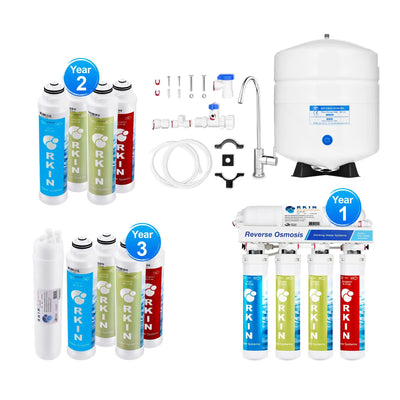
RKIN offers countertop and under-sink reverse-osmosis systems with different installation and daily-use routines. Reverse osmosis is a treatment category, not proof that every model has been tested for PFAS. If PFAS is the target, compare the current model-specific performance document with the compounds in your water report before choosing.
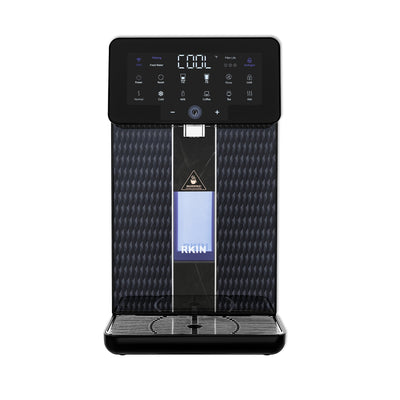
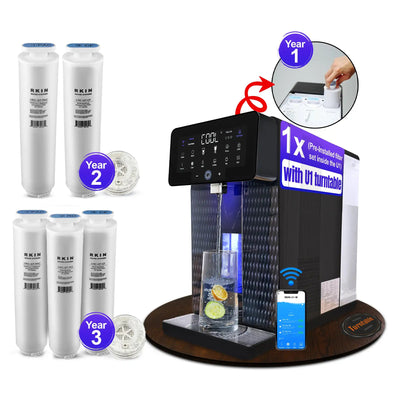
The RKIN U1-W Space-Saving 4-in-1 Water Filter System is a no-plumbing countertop system with a refill tank, reverse osmosis, remineralization, hot and cold dispensing, and app controls. No current system certification or model-specific PFAS claim was verified for this article.
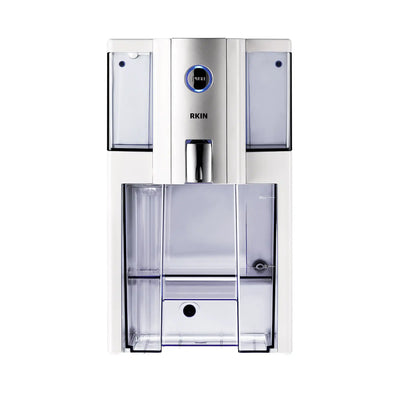
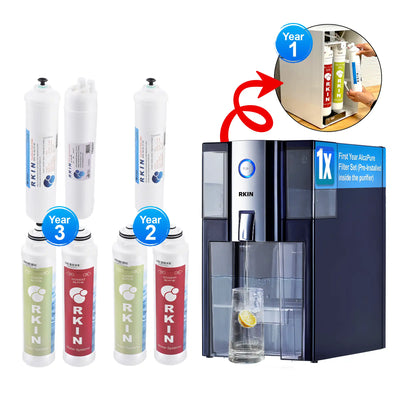
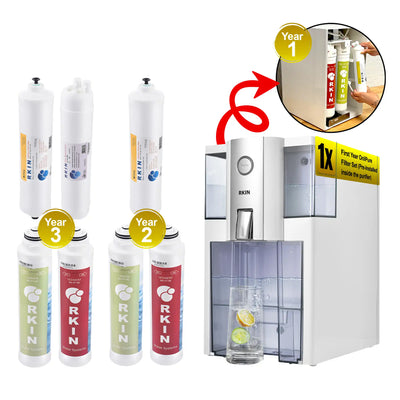
The Zero Installation Purifier is a no-plumbing countertop RO system. Its current verified NSF/ANSI 58 certification scope covers TDS, fluoride, lead, and hexavalent and trivalent chromium; do not infer PFAS performance without a current listing that names the PFAS compounds.
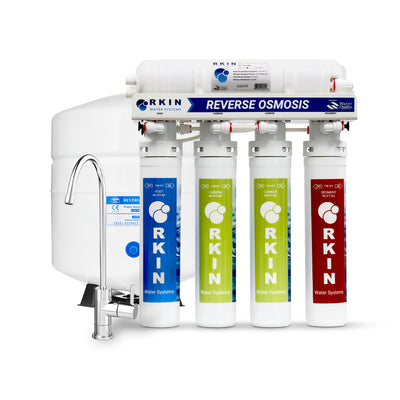
The RKIN Flash Undersink RO System uses a 3.2-gallon storage tank and features an NSF/ANSI 58 certified RO membrane. That is a component certification, not a verified PFAS claim for the complete system.
Frequently Asked Questions
Do refrigerator water filters remove PFAS?
Some refrigerator filters may reduce certain PFAS if they use the right carbon media and carry a PFAS reduction certification, but many basic fridge filters are built mainly for chlorine taste, odor, and particles. Check the exact model certification before relying on it for PFAS.
What certification should I look for on a PFAS water filter?
Look for independent certification or test data for PFAS reduction, commonly tied to NSF/ANSI 53 or NSF/ANSI 58 depending on the technology. Do not assume a filter removes PFAS just because it says carbon, premium, or advanced.
Is reverse osmosis better than a refrigerator filter for PFAS?
Reverse osmosis is often the stronger choice for PFAS because it uses a membrane barrier plus pre- and post-filtration. A fridge filter can improve taste, but RO is usually a better fit when the target is dissolved contaminants such as PFAS.
Can I use filtered refrigerator water during a PFAS advisory?
Follow your local water utility or public health notice first. A refrigerator filter is not a substitute for an advisory unless the exact filter is certified or tested for the contaminant named in that advisory.
Which RKIN system should I consider for PFAS concerns?
Choose a layout only after the exact model has current performance data for the PFAS compounds in your report. RKIN offers countertop and under-sink RO formats, but the technology name alone is not a PFAS claim.
Ready to choose one filter that matches the problem?
If PFAS is the concern, do not guess from taste. Check your local water report, read the filter label, then choose a system with testing that matches the contaminant. Ask for the current model-specific PFAS performance document before treating any product as the answer.






0 comentarios