









OnliSoft
Problemas del Agua de Pozo en Primavera: Por Qué el Hierro y la Arena Empeoran Después del Invierno

Para los propietarios de viviendas con pozos privados, la llegada de la primavera suele ser un alivio bienvenido tras las tuberías congeladas y las temperaturas gélidas. Pero a medida que la nieve se derrite y el suelo comienza a descongelarse, muchos propietarios de pozos notan una caída repentina y dramática en la calidad de su agua.
Si el agua de su grifo de repente se ha vuelto de un naranja oxidado, huele a azufre o deja arena negra en el fondo de su bañera, no está solo. La primavera es la temporada alta para los problemas del agua de pozo.
Aquí está exactamente por qué el deshielo de primavera arruina el agua de su pozo, y cómo arreglarlo permanentemente antes de que destruya su sistema de tuberías.
Por qué el deshielo de primavera provoca problemas en el agua de pozo
Un pozo privado no es una piscina estática de agua; es un sistema dinámico conectado a un acuífero subterráneo. Durante el invierno, el suelo se congela sólidamente, creando una barrera dura que impide que el agua superficial se filtre.
Pero cuando llega la primavera, varias cosas suceden a la vez:
1. El suelo se descongela y se mueve A medida que la línea de helada retrocede, la tierra se expande y se contrae. Este movimiento puede aflojar sedimentos, limo y arena alrededor del revestimiento del pozo, permitiendo que caigan en el suministro de agua.
2. Escorrentía superficial masiva La nieve derretida y la lluvia primaveral crean enormes cantidades de agua superficial. A medida que esta agua se filtra rápidamente a través del suelo para recargar el acuífero, disuelve altas concentraciones de minerales —específicamente hierro y manganeso— transportándolos directamente a la bomba de su pozo.
3. Cambios en los niveles freáticos La afluencia de agua de deshielo de primavera cambia drásticamente el nivel freático. A medida que el agua sube, arrastra capas de roca y suelo que pueden haber estado secas todo el invierno, recogiendo nuevos contaminantes y agitando los sedimentos asentados en el fondo del pozo.
Las tres quejas más comunes sobre el agua de pozo en primavera
1. "Mi agua de repente parece té helado." (Hierro y Manganeso)
Esta es la queja más común en primavera. A medida que el agua superficial atraviesa el suelo rico en hierro, transporta hierro disuelto (ferroso) a su hogar. Cuando este hierro entra en contacto con el oxígeno en el inodoro o la ducha, se oxida (se oxida), dejando manchas naranjas y marrones persistentes. Si huele ligeramente a metal o deja limo negro, también hay manganeso presente.
La solución: Necesita un sistema de oxidación dedicado. Los ablandadores de agua estándar se arruinarán rápidamente si se ven obligados a procesar altos niveles de hierro.
2. "Hay tierra y arena en mi bañera." (Sedimento)
El movimiento del suelo y el uso intensivo de la bomba pueden arrastrar suciedad física, arena y gravilla a sus tuberías. Este sedimento obstruirá sus cabezales de ducha, arruinará las válvulas de su lavadora y destruirá los delicados sellos de sus grifos.
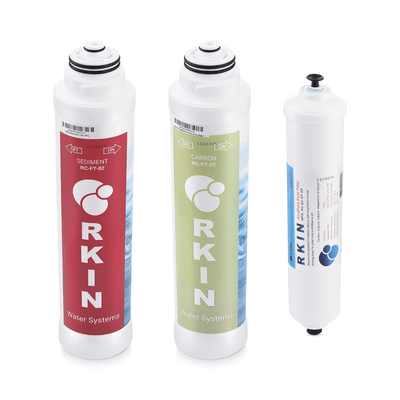
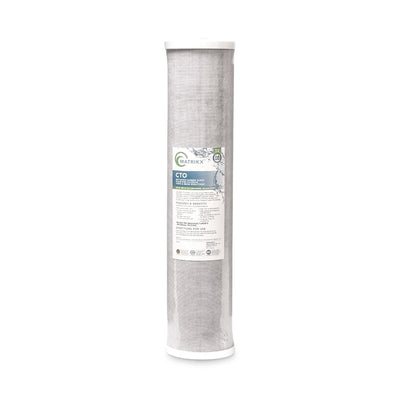
La solución: Se debe instalar un filtro de sedimentos giratorio de alta resistencia o un sistema de sedimentos para toda la casa antes de que el agua llegue a su equipo de filtración principal.
3. "El agua huele a huevos podridos." (Sulfuro de Hidrógeno)
La escorrentía primaveral puede transportar materia orgánica al acuífero. A medida que las bacterias descomponen esta materia orgánica, liberan gas sulfuro de hidrógeno. Es inofensivo para beber, pero el olor es intolerable y puede empañar la platería y los accesorios de cobre.
Cómo arreglar el agua de pozo de primavera para siempre
No puede controlar el acuífero ni el deshielo de primavera, pero sí puede controlar el agua en el momento en que entra en su hogar. Para proteger permanentemente su sistema de tuberías y asegurar agua potable prístina, necesita un enfoque de múltiples etapas adaptado al agua de pozo.
Paso 1: Detenga la arena y la suciedad
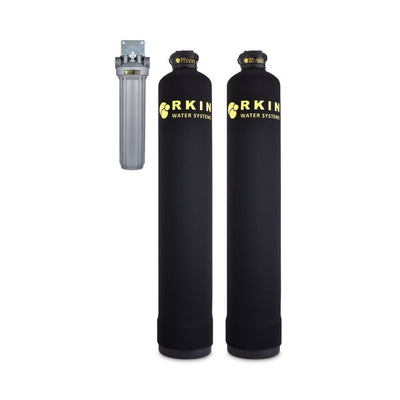
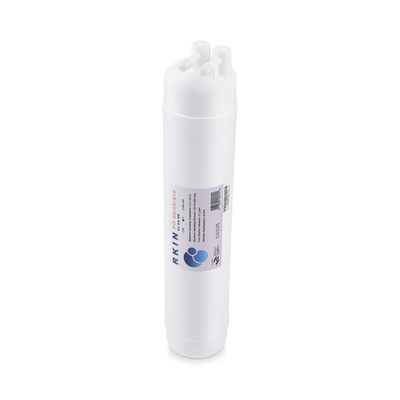
Antes de hacer cualquier otra cosa, debe instalar una barrera física. El filtro de agua para toda la casa RKIN Well Water está diseñado para atrapar los sedimentos pesados, la arena y la gravilla que arrastra la escorrentía primaveral, protegiendo sus filtros más avanzados de obstrucciones.
Paso 2: Neutralice el hierro y la cal
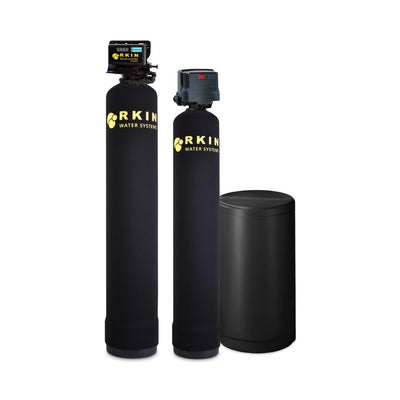
Una vez que se elimina la suciedad física, debe tratar los minerales disueltos. El Acondicionador de agua sin sal RKIN OnliSoft Pro está diseñado para evitar que la cal del agua dura (calcio y magnesio) se incruste en sus cabezales de ducha y arruine su calentador de agua. Acondiciona el agua sin necesidad de pesadas bolsas de sal o agua de regeneración desperdiciada.
Nota: Si su pozo tiene niveles extremos de hierro (más de 3 PPM) o sulfuro de hidrógeno severo (olor a huevo podrido), deberá instalar un filtro de hierro/inyección de aire dedicado antes del OnliSoft Pro.
Paso 3: Purifique el agua potable
Incluso con la filtración para toda la casa, el agua de pozo puede contener rastros de escorrentía agrícola, PFAS (sustancias químicas "eternas") o plomo (especialmente de tuberías antiguas). Para una tranquilidad absoluta en el fregadero de la cocina, necesita ósmosis inversa.
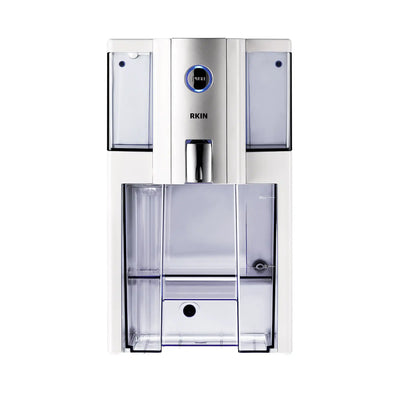
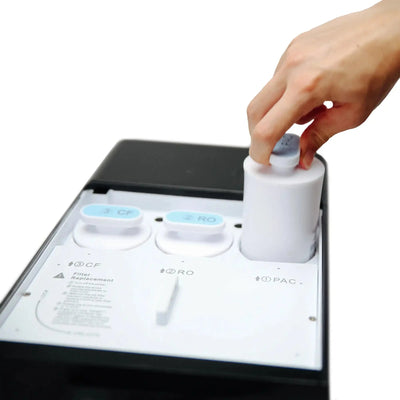
- Para instalación cero: El Zero Installation Purifier RKIN simplemente se enchufa a la pared y proporciona una verdadera purificación por ósmosis inversa impulsada por presión sin necesidad de fontanería.
- Para máxima comodidad: El RKIN U1 ofrece la misma potencia de ósmosis inversa de encimera, pero añade dispensación instantánea de agua caliente y fría.
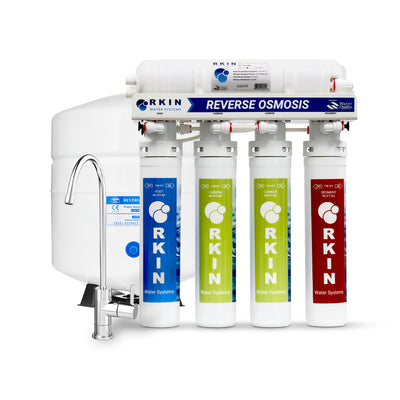
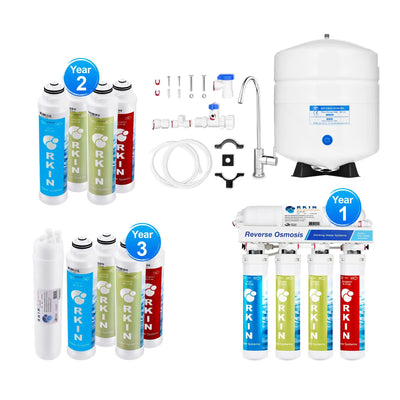
- Para potencia oculta: El RKIN Flash Undersink RO proporciona agua pura continua y bajo demanda completamente oculta.
¿Qué pasa con los metales pesados y el plomo?
Si el análisis de agua de su pozo revela plomo, PFAS u otros contaminantes químicos graves en el agua de su pozo, los bloques de carbón estándar no son suficientes. Necesita el filtro para toda la casa OP1L de plomo y PFAS para proporcionar una extracción química especializada y de alta resistencia para cada grifo de la casa.
Preguntas frecuentes
¿Por qué el agua de mi pozo solo huele mal en primavera? El agua de deshielo de primavera transporta materia orgánica superficial al acuífero. Las bacterias reductoras de azufre inofensivas se alimentan de esta materia orgánica, liberando gas sulfuro de hidrógeno (el olor a huevo podrido) como subproducto.
¿Un ablandador de agua eliminará el hierro del agua de mi pozo? Un ablandador de agua tradicional a base de sal puede eliminar pequeñas cantidades de hierro "transparente" (ferroso), generalmente hasta 1-2 PPM. Sin embargo, usar un ablandador como filtro de hierro ensuciará rápidamente las perlas de resina, arruinando el ablandador. El hierro alto requiere un filtro de hierro dedicado.
¿Necesito un filtro de sedimentos si ya tengo un filtro de carbón para toda la casa? Sí. Si tiene un pozo privado, un filtro de sedimentos dedicado es obligatorio. Sin él, la arena y la gravilla de primavera obstruirán rápidamente los poros microscópicos de su filtro de carbón, dejándolo inútil y reduciendo gravemente la presión del agua de su hogar.






0 comentarios