




bottled water cost 2026
RO vs Bottled Water Cost in 2026: Why You’re Losing Money at the Grocery Store

The average family of four goes through a staggering amount of bottled water every year. Between convenience, health concerns, and the simple desire for water that doesn’t taste like a swimming pool, buying cases of plastic bottles feels like an unavoidable household expense.
But in 2026, as inflation continues to affect utility bills and grocery trips, the true cost of bottled water is harder to ignore. Is a home Reverse Osmosis (RO) system actually cheaper, or are you just trading one expense for another?
Let’s break down the math and see how an RO system stacks up against your weekly bottled water habit.
The Hidden Cost of Bottled Water
When you buy a case of bottled water, you are paying for the plastic, the transportation, the branding, and the retail markup. The actual water inside makes up a tiny fraction of the price.
Let’s look at a conservative estimate for a family of four that drinks the recommended amount of water daily (about half a gallon per person, or two gallons total per day).
The Bottled Water Math (2026 Averages)
- Daily Consumption: 2 gallons (approx. 15 standard 16.9oz bottles)
- Cost Per Bottle: $0.35 (buying in bulk at a big-box store)
- Daily Cost: $5.25
- Monthly Cost: see current pricing at rkin.com
- Annual Cost: $1,890.00
Over five years, that family will spend nearly $9,450 on single-use plastic bottles.
And this doesn't factor in the environmental impact, the microplastics you are potentially ingesting, or the physical hassle of lugging heavy cases from the store to your car and into your home every week.
The Cost of an RO System (Upfront and Long-Term)
A quality home reverse osmosis system requires an initial investment, plus the cost of annual replacement filter cartridges. Let’s compare that to the bottled water habit.
Example: The RKIN Zero Installation Purifier (Zero Installation Purifier)
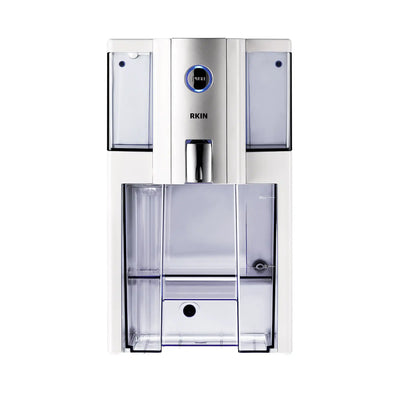
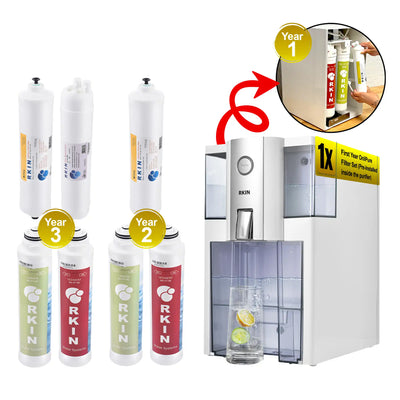
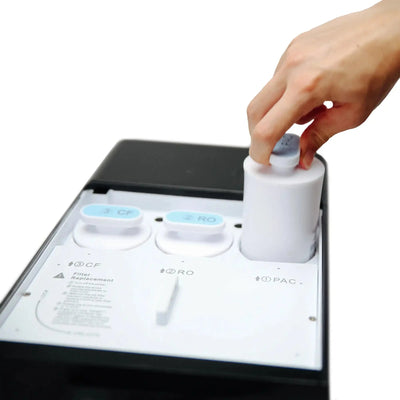
The RKIN Zero Installation Purifier (Zero Installation Purifier) is a countertop RO system that requires zero plumbing and no professional installation.
- Upfront Cost: see current pricing at rkin.com
- Annual Filter Replacement Cost: ~$70.00 (varies slightly by usage)
- First Year Total: ~see current pricing at rkin.com
- Years 2-5 Annual Cost: ~$70.00/year
5-Year Total Cost of Ownership: ~see current pricing at rkin.com
The Savings
Compared to the $9,450 spent on bottled water over five years, the RKIN Zero Installation Purifier saves you approximately $8,801. That is real money back in your pocket.
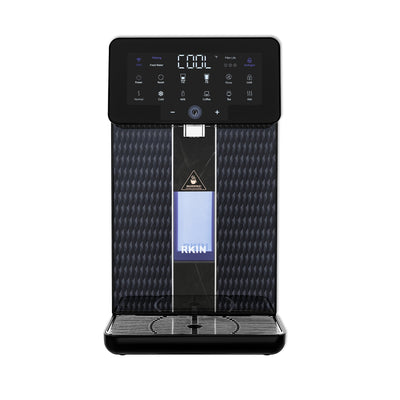
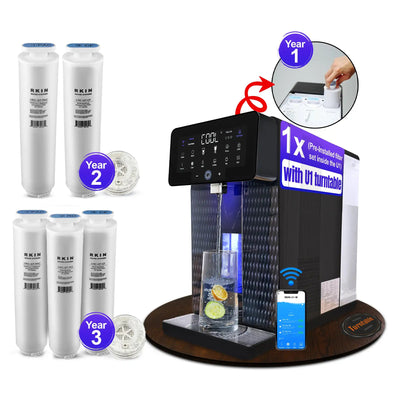
Even if you opt for a premium system like the RKIN U1 4-in-1 Water Filter System, which features advanced hot and cold dispensing and a sleek countertop design for see current pricing at rkin.com upfront, the math still overwhelmingly favors RO. Over five years, the U1 will cost you significantly less than half of what you’d spend on basic bottled water.
Quality and Convenience: RO Wins Again
Cost is just one part of the equation. What are you actually drinking?
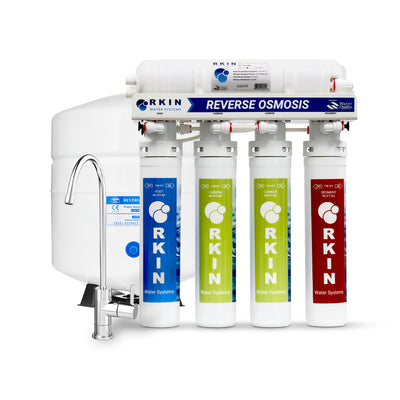
Many popular bottled water brands are simply filtered municipal tap water. An advanced RO system like the RKIN Zero Installation Purifier or the RKIN Flash Undersink Reverse Osmosis System purifies your water on demand, removing up to 99% of contaminants, including lead, fluoride, arsenic, and PFAS (forever chemicals).
- Convenience: No more running out of water, scheduling deliveries, or storing bulky cases in your garage.
- Purity: You control the filtration process and know exactly what is in your glass.
- Taste: RKIN RO systems feature an AlcaPure post-filter that adds essential minerals back into the water, creating a crisp, alkaline taste that rivals any premium bottled brand.
The Complete Home Water Stack
If you want to take your savings and water quality a step further, consider a whole-house solution.
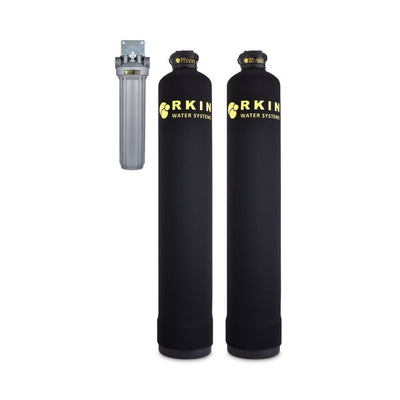
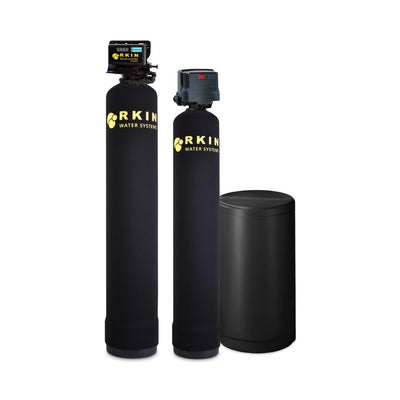
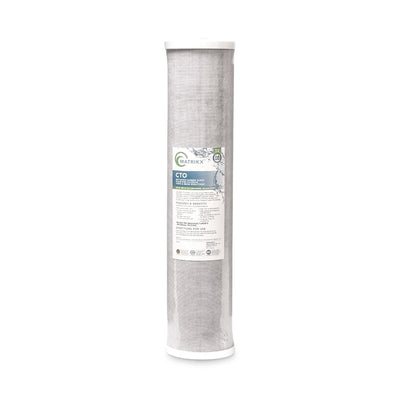
While an RO system gives you perfect drinking water at the kitchen tap, a system like the RKIN OnliSoft Pro Salt-Free Water Conditioner and Whole House Carbon Filter System treats every drop of water entering your home.
- It prevents scale buildup in your pipes and water heater (saving you money on plumbing repairs and energy bills).
- It removes harsh chlorine from your shower water, improving skin and hair health.
Pairing an OnliSoft Pro for the whole house with an under-sink Flash or a countertop U1/Zero Installation Purifier creates the ultimate, cost-effective water treatment stack.
Stop Renting Your Water
Buying bottled water is like renting your hydration at a premium markup. In 2026, investing in a home RO system is one of the easiest ways to fight inflation, reduce your environmental footprint, and ensure your family has access to the highest quality drinking water available.
Frequently Asked Questions
Is an RO system hard to install? No. The RKIN Zero Installation Purifier (Zero Installation Purifier) and the RKIN U1 require absolutely zero installation. They sit on your counter and plug in or connect directly to your faucet. The RKIN Flash under-sink system requires basic DIY plumbing skills or a quick visit from a local plumber.
Does RO water taste flat? Basic RO water can taste flat because the minerals have been removed. However, RKIN RO systems utilize an AlcaPure remineralization filter that adds calcium and magnesium back into the water, resulting in a fresh, alkaline taste.
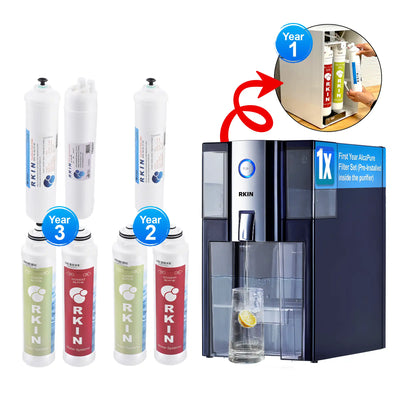
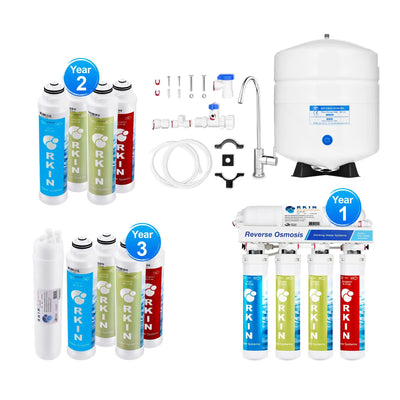
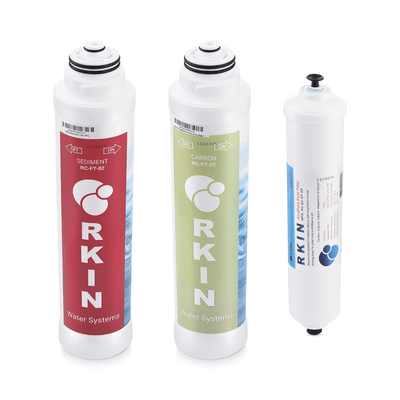
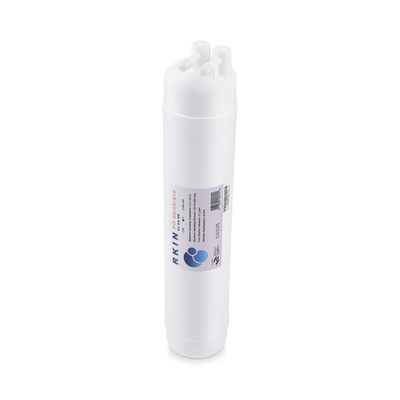
How often do I need to change RO filters? For most RKIN systems, the pre-filters and post-filters are replaced every 6 to 12 months, depending on your water quality and usage. The main RO membrane typically lasts 1 to 2 years.
Does boiling my tap water do the same thing as RO? No. Boiling water only kills biological contaminants like bacteria. It does not remove dissolved heavy metals, fluoride, or chemicals like PFAS. In fact, boiling can concentrate these contaminants as water evaporates.
Is bottled water safer than RO water? Not necessarily. Bottled water is regulated by the FDA, which has different standards than the EPA (which regulates tap water). Many bottled waters are just filtered municipal water. An at-home RO system gives you control and visibility over your water's purification process.




0 comments