
brown sediment in tap water
Sediment in Tap Water After Road Work: What to Do First

A street shutoff can make clean-looking tap water turn rusty, brown, or gritty in one afternoon. That does not always mean your home’s water treatment system failed. It often means the city main, service line, or plumbing upstream of your first filter got stirred up when water pressure stopped and restarted.
That matters because late-summer and fall road work often includes water main repair, hydrant work, paving cuts, and service interruptions. A 2002 EPA distribution-system paper describes flushing, disinfection, pressure testing, and water quality testing as key parts of putting new or repaired water mains back into service. For a homeowner, the visible clue is simpler: the first filter after the meter suddenly gets dirty fast.
Why Road Work Can Stir Up Sediment
Municipal water moves through miles of buried pipe before it reaches your house. Under normal flow, small amounts of iron, manganese, sand, pipe scale, and other loose material can settle in low-flow areas. When a crew closes a valve, opens a hydrant, repairs a main, or restarts service after a shutoff, water direction and velocity can change quickly. That change can lift settled material and carry it into nearby service lines.
The EPA’s secondary drinking water standards list iron at 0.3 mg/L for rusty color, sediment, metallic taste, and orange staining. The same EPA secondary standards page lists manganese at 0.05 mg/L for black-to-brown color, black staining, and bitter metallic taste. These are quality and nuisance standards, not the same as a boil-water notice. Still, they explain why road work can make water look worse before it clears.
Here is the part most homeowners miss: the filter closest to the water entry point is supposed to take the hit first. If the first sediment filter turns dark after a street event, that may be evidence that the filter caught the incoming debris before it reached softer media, carbon tanks, fixtures, laundry, or the water heater.
What to Do Before You Blame the Whole System
Start with the event, not the equipment. Ask yourself what changed in the last day or two. Did the city shut off water at the street? Did crews cut pavement near your main? Did your utility flush hydrants? Did your pressure drop or sputter when water came back?
Then isolate where the sediment appears:
- If only hot water is discolored, the issue may be stirred-up water heater sediment.
- If cold water is discolored at every tap, the issue may be incoming supply water or the service line.
- If only one faucet is gritty, the aerator or fixture may be holding debris.
- If the first whole-house filter is dirty but downstream water looks normal, the filter may be doing its job.
Do not run laundry while water is visibly discolored. Iron and manganese can stain fabrics. Avoid filling the water heater with dirty incoming water if you can wait, because sediment that reaches the tank can settle and create more work later.
If your utility issued a notice, follow it. The EPA’s Public Notification Rule requires public water systems to notify customers when water may pose a risk or when drinking water rules are violated. Tier 1 notices require action within 24 hours for the most urgent situations. A filter is not a substitute for following a utility notice.
What Does Not Work Well
Boiling water does not remove sediment. It may be appropriate only if your utility gives that direction, but it will not pull iron particles, sand, or grit out of the water.
A pitcher filter is also the wrong first line of defense for road-work sediment. Pitchers are made for small drinking-water volumes, not for protecting a home’s plumbing, water heater, washing machine, or shower valves from sudden debris.
A softener is not a sediment filter. Softener resin can be damaged or fouled by heavy grit, iron debris, and silt. If sediment is the problem, it should be stopped before it reaches equipment that was not meant to act as a dirt trap.
Replacing every cartridge in the house can also waste time if the event has not passed. First confirm whether incoming water is still carrying sediment. Then replace or rinse the filter that caught the debris.
The Better First Move: Stop Debris Upstream
A sediment strategy should match particle size and severity. Large visible grit needs a different first step than fine cloudy particles. Many homes benefit from a staged approach: catch larger debris first, then polish finer sediment before the water reaches sensitive equipment.
A spin-down sediment filter is usually placed near the water entry point. Its job is to catch larger particles early and let you rinse them out rather than replacing a cartridge after every dirty event. That makes sense when road work, hydrant flushing, or well disturbance sends short bursts of sand or rust through the line.
A cartridge sediment filter can then catch smaller particles. A 5-micron cartridge is a common polishing step for finer sediment before water reaches downstream systems. The right placement matters. If the finer filter is doing all the work, it may clog too fast. If the coarse filter is first, it can reduce the load on the next stage.
The key is not “more filters.” The key is the right order: coarse first when debris is heavy, finer filtration after, and treatment media only after sediment has been controlled.
RKIN Product Fit for Road-Work Sediment
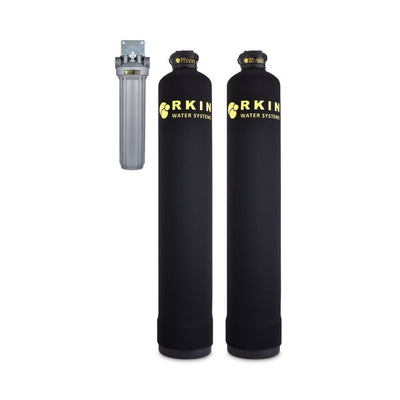
This is what the Self-Rinsing Spin Down 90 Micron Sediment Filter is built to help with: visible sediment events before they overload the rest of the home. It belongs near the entry point, where it can catch larger particles early and be rinsed after a street shutoff, main repair, or other upstream disturbance.
For finer sediment, the CBS 5 Micron Sediment Whole House Filter gives the home a cartridge-based polishing stage. RKIN lists it for municipal or well water filtration, with 5-micron filtration, high flow, and a recommended cartridge interval up to 12 months under normal conditions. After a dirty utility event, the interval may be shorter because the filter did more work.
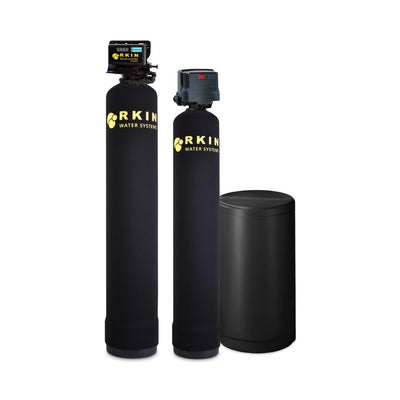
If you are already using a softener, carbon system, or whole-home setup, the question is not whether the whole system failed. The question is whether the first sediment stage protected the more expensive downstream equipment.
When to Call the Utility or Test Water
Call the utility if discoloration affects cold water throughout the home, lasts beyond a normal flush, returns repeatedly, or arrives with a pressure drop. Tell them when it started, whether road work happened nearby, which taps are affected, and whether neighbors see the same thing.
Use a certified lab when the problem keeps coming back or when you need to identify the material. Testing for iron, manganese, turbidity, pH, and total dissolved solids can help separate a temporary sediment event from a recurring water-quality issue.
If you are on a private well, the action plan is different. The CDC says well owners should test at least once a year for total coliform bacteria, nitrates, total dissolved solids, and pH, and test again when taste, color, or smell changes. City-water road work is usually a distribution event. Well sediment may point to a pump, casing, screen, pressure tank, or aquifer issue.
Me personally, I would flush and document the timing before blaming the filter.
Frequently Asked Questions
Why is there sediment in my tap water after road work?
Road work can include valve changes, hydrant flushing, main repair, or service shutoffs. When water pressure and flow direction change, settled rust, sand, iron, and manganese can move through the line and show up at your first filter or faucet.
Should I run hot water to clear sediment?
No. Start with cold water. Running hot water can pull sediment into the water heater, where it can settle in the tank. If water is visibly discolored, wait on laundry and hot-water use until the cold-water supply clears or the utility gives instructions.
Is a dirty first filter a bad sign?
Not always. If the first sediment filter got dirty right after road work and downstream water looks normal, the filter may have caught the incoming debris. Replace, rinse, or inspect it according to the filter type and confirm the water has cleared.
When should I call my water utility?
Call if cold water stays discolored, pressure dropped, neighbors are affected, the problem returns, or your utility has active work nearby. Follow any public notice from the utility before using water for drinking or cooking.
What filter helps with sediment after road work?
A coarse spin-down filter can catch larger visible debris first. A 5-micron sediment cartridge can help polish finer particles. For many homes, the best setup is staged: coarse sediment protection near the entry point, then finer filtration downstream.
Ready to Protect the First Filter Line?
If road work made your filter look worse overnight, start upstream. Catch the big debris first, then polish the finer sediment before it reaches appliances and treatment equipment.
See the Self-Rinsing Spin Down 90 Micron Sediment Filter or contact RKIN if you want help deciding where sediment protection belongs in your setup.






0 comments