





agricultural runoff tap water
What's Actually in Your Tap Water This Spring? A Homeowner's Contaminant Guide

Most people think water quality is a constant. It isn’t. The water coming out of your tap in March and April is measurably different from what you drank in December.
Spring brings snowmelt, rain, and agricultural activity — and with them, a predictable surge in the contaminants that reach your tap. If you have municipal water, your treatment plant is working harder during this period. If you have a well, the risk is higher still.
Here’s what’s actually in tap water this spring and what to do about it.
Why Spring Is the Highest-Risk Season for Water Quality
Two things happen simultaneously every spring:
1. Snowmelt and heavy rain saturate the ground. This flushes accumulated surface contaminants — road salt, lawn chemicals, animal waste, industrial runoff — into groundwater, rivers, and reservoirs faster than natural filtration can handle.
2. Agricultural activity begins. Fertilizer and pesticide applications start as early as February in warmer states. Rain immediately following application pushes nitrates and herbicides directly into the water table.
Municipal treatment plants are designed for this, but not all of them keep pace with volume surges. Private well owners get no buffer at all — what’s in the ground reaches your tap directly.
The Five Spring Contaminants Worth Knowing
1. Nitrates
Nitrates from fertilizer and livestock waste are the most common spring contaminant in agricultural regions. The EPA maximum contaminant level (MCL) is 10 mg/L. Many rural water systems, and virtually all unprotected wells near farmland, spike well above this in March–May.
Health concern: High nitrate levels are particularly dangerous for infants under six months — nitrates interfere with oxygen transport in blood (“blue baby syndrome”). For adults, long-term exposure above MCL is associated with thyroid disruption and increased cancer risk.
Where it shows up most: Midwest (Iowa, Illinois, Indiana, Nebraska), Great Plains, and any area with concentrated livestock operations.
What removes it: Reverse osmosis (99%+ removal) and distillation. Carbon filters and standard pitcher filters do not remove nitrates.
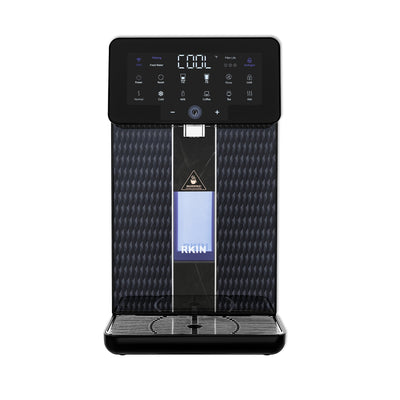
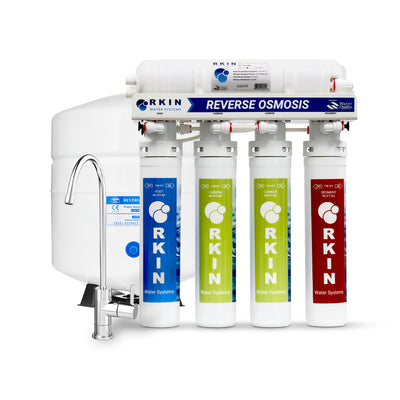
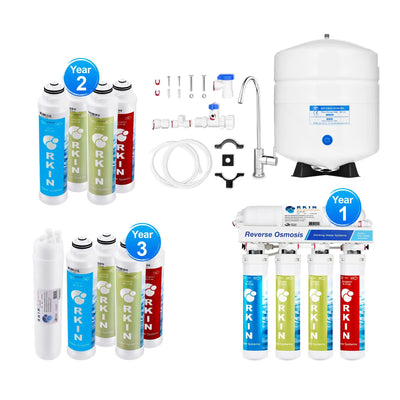
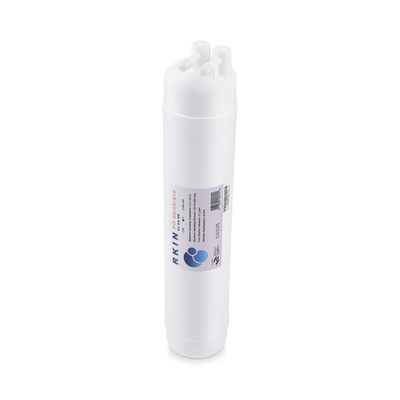
→ RKIN Flash Undersink RO — 75 GPD, excellent nitrate removal
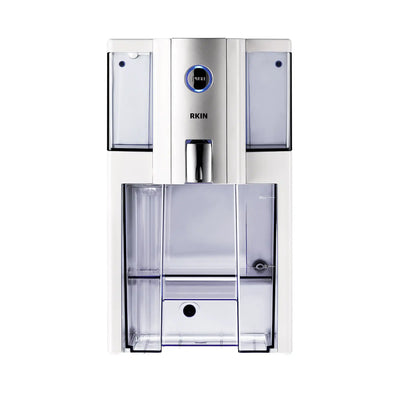
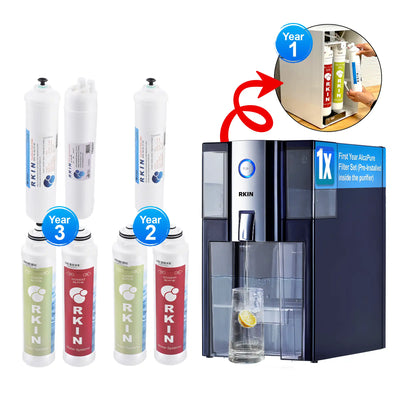
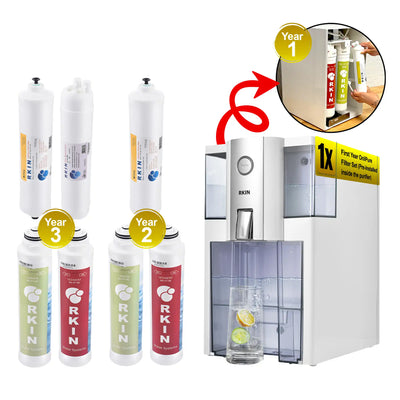
→ RKIN Zero Installation Purifier Countertop RO — no installation required
2. PFAS (“Forever Chemicals”)
PFAS (per- and polyfluoroalkyl substances) don’t have a runoff season — they’re present year-round. But spring awareness campaigns and EPA reporting updates tend to surface new data in Q1, and more water systems are testing and disclosing PFAS levels now than ever before.
Health concern: PFAS are associated with thyroid disease, immune suppression, several cancers, and developmental issues in children. The EPA set enforceable limits for PFAS in drinking water for the first time in 2024 (4 parts per trillion for PFOA and PFOS).
Where it shows up most: Areas near military bases, airports, industrial sites, and any location that used AFFF firefighting foam. The EWG PFAS map shows over 3,000 contaminated sites across the US.
What removes it: Reverse osmosis (95%+ removal) and granular activated carbon. Standard pitcher filters with basic carbon do not reliably remove PFAS.
3. Coliform Bacteria and E. coli
Spring flooding and heavy rain can overwhelm well casings and municipal system pressure, allowing bacteria to enter the water supply. Private wells are especially vulnerable when the ground is saturated.
Health concern: E. coli and other coliforms cause gastrointestinal illness. Vulnerable populations (infants, elderly, immunocompromised) face more serious risk.
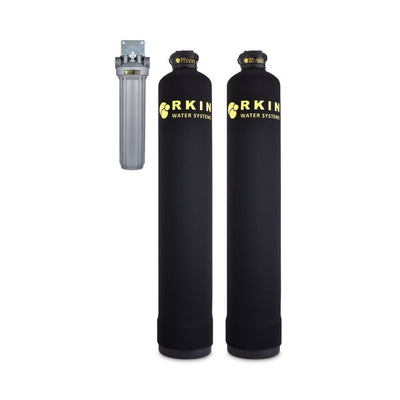
What removes it: A dedicated UV water disinfection system kills bacteria and viruses without chemicals. Pair it with a reverse osmosis system for complete contaminant removal. Basic carbon or sediment filters do not address biological contamination.
Note: If you’re on a private well, test your water every spring. County health departments often offer free or low-cost testing.
4. Sediment and Turbidity
Runoff carries fine soil particles, silt, and organic matter into water supplies. This increases turbidity — the cloudiness of water. While turbidity itself isn’t the primary health risk, it signals that your treatment system is working harder and that physical particles are reaching your tap.
Health concern: High turbidity can harbor bacteria and make disinfection less effective. It also clogs RO membranes faster, reducing filter lifespan.
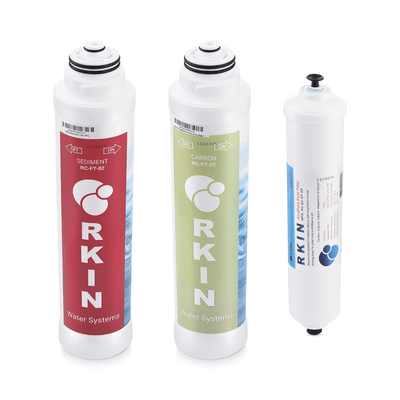
What removes it: Sediment pre-filters (5-micron or finer) are the first line of defense. All RKIN RO systems include sediment pre-filtration as stage one.
5. Chlorine and Disinfection Byproducts (DBPs)
When treatment plants face higher organic load in spring, they increase chlorine dosing to meet disinfection standards. More chlorine reacting with more organic matter produces more trihalomethanes (THMs) and haloacetic acids (HAAs) — regulated disinfection byproducts linked to cancer with long-term exposure.
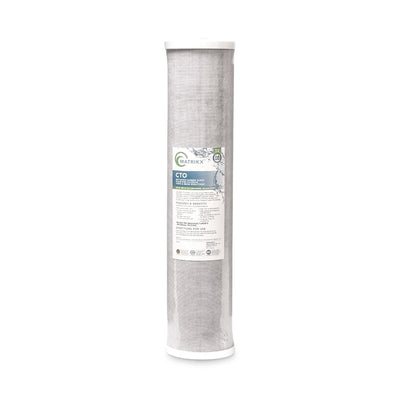
What removes it: Activated carbon filtration removes chlorine and reduces DBPs effectively. Whole-house carbon filtration addresses this at every tap. RO systems combine carbon pre-filtration with membrane filtration for full coverage.
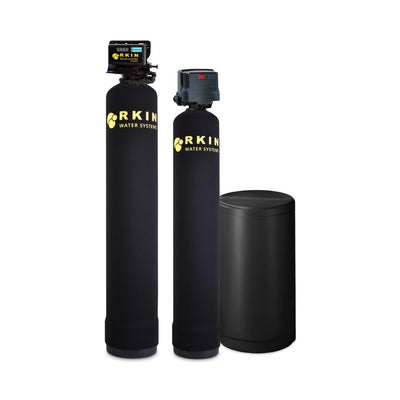
→ RKIN OnliSoft Pro — salt-free conditioning + whole-house carbon filtration
How to Know What’s in Your Specific Water
Municipal water: Request your annual Consumer Confidence Report (CCR) from your water utility. By law, utilities must publish this each year — it lists every contaminant detected and whether it exceeds EPA limits.
Private well: Test every spring. Standard test panels covering nitrates, coliform bacteria, pH, hardness, and common metals cost $40–$150 through state-certified labs. Many counties offer free testing.
State water quality data: The EPA’s Safe Drinking Water Information System tracks violations by water system.
Spring Filter Checklist
| Contaminant | Risk Level in Spring | Carbon Filter | Pitcher Filter | RO System |
|---|---|---|---|---|
| Nitrates | 🔴 High (agricultural areas) | ❌ No | ❌ No | ✅ Yes |
| PFAS | 🟡 Moderate | ⚠️ Partial | ❌ No | ✅ Yes |
| Bacteria | 🔴 High (well water/flooding) | ❌ No | ❌ No | ✅ Yes (pair with UV disinfection system) |
| Sediment | 🔴 High | ⚠️ Partial | ⚠️ Partial | ✅ Yes |
| Chlorine/DBPs | 🔴 High (municipal) | ✅ Yes | ⚠️ Partial | ✅ Yes |
Frequently Asked Questions
Does a Brita filter remove nitrates?
No. Standard pitcher filters with activated carbon do not remove nitrates. Nitrate removal requires reverse osmosis or distillation. If nitrates are a concern in your area, a countertop or under-sink RO system is the appropriate solution.
When should I test my well water?
Test every spring after the ground thaws and again after any heavy flooding. At minimum, test annually for nitrates, coliform bacteria, pH, and hardness. If you’re near agricultural land or an industrial site, include nitrates, PFAS, and heavy metals.
Does reverse osmosis remove PFAS?
Yes. Reverse osmosis removes 95%+ of PFAS compounds. It is currently the most accessible and cost-effective residential solution for PFAS. Granular activated carbon (used in whole-house filters) also reduces PFAS but typically at lower removal rates than RO.
Are spring contaminants worse with climate change?
Yes, based on current research. More intense precipitation events flush more agricultural runoff in shorter windows. Warmer temperatures also increase bacterial growth in standing water and reservoirs. Water utilities are adapting, but the trend is toward higher peak contamination events during spring.
How do I know if my municipal water is safe during spring?
Check your utility’s Consumer Confidence Report and any boil water advisories issued by your state health department. The EPA requires utilities to notify customers of violations within 24–72 hours depending on severity.
RKIN has been making clean water accessible to American families since 2008. All systems ship free within the Continental US and are backed by a 1-year satisfaction guarantee. Questions? Call 1-800-803-4551 or live chat Mon–Fri, 9 AM–5 PM EST.






0 comments