




best home water filter setup
Can You Use Two Water Filters Together? Home Guide

Filter hopping usually starts with a fair question: if one filter helps, would two filters help more?
Sometimes the answer is yes. Many good water treatment setups use more than one stage. The problem is stacking filters without a target. If you do not know whether you are trying to reduce chlorine taste, hardness scale, sediment, PFAS, lead, nitrate, or dissolved solids, adding a second filter can give you more maintenance without better water.
This week is a good time to reset that habit. Community water systems send annual Consumer Confidence Reports to customers by July 1, and EPA keeps a public hub for Consumer Confidence Reports. If you are staring at a water report, a TDS meter, or a pile of half-used cartridges, the right move is not another random filter. It is a clear water target.
Yes, Two Water Filters Can Work Together
Two filters can work together when each filter has a specific job and the order makes sense.
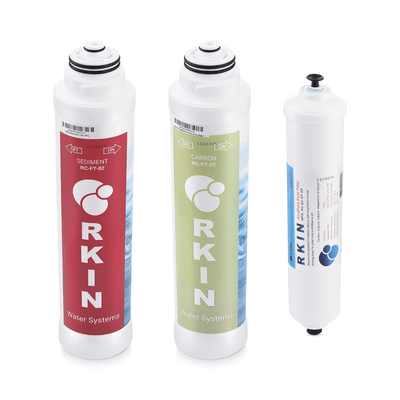
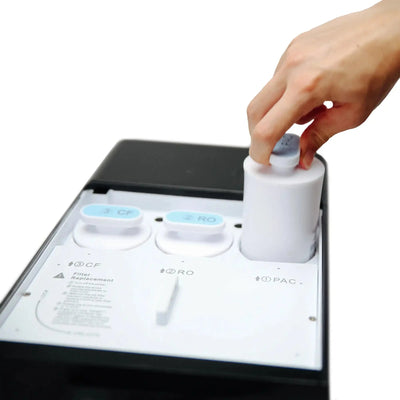
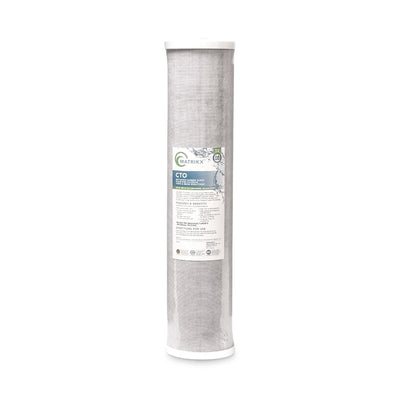
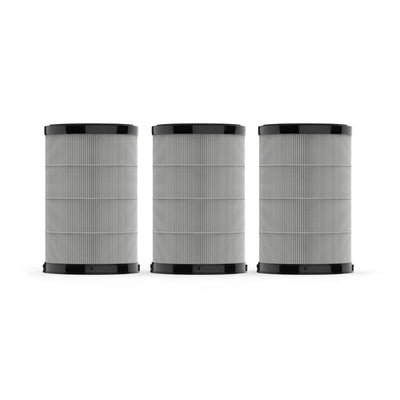
That is how many water systems are built. A sediment stage may catch sand, rust, or visible particles before water reaches a carbon stage. Carbon may reduce chlorine taste and odor before water reaches a reverse osmosis membrane. A whole-house system may treat water entering the home, while a dedicated drinking-water RO system handles the kitchen tap.
That kind of setup is not "filter hopping." It is staged treatment.
The difference is intent. A staged system answers three questions before equipment gets added:
- What are we trying to reduce?
- Where does the issue show up: whole house or drinking water only?
- Which technology is suited for that target?
If the answer is clear, two filters can be useful. If the answer is "I saw a number online and want lower numbers," the second filter may not help.
A common example is city water that tastes like chlorine but also has high dissolved solids. A carbon filter may improve taste, while reverse osmosis lowers many dissolved solids at the drinking tap. Those are different jobs. Stacking two carbon pitchers and hoping for RO-style results is a different story.
When Stacking Filters Does Not Help
Adding filters can backfire when the second filter repeats the same job, slows flow, creates extra cartridge changes, or gives a false sense of control.
For example, using two pitcher filters in sequence may make water taste different, but it does not mean you have doubled performance. If both filters rely on similar media, the second one may see water that has already had the easiest taste and odor compounds reduced. It may not address the thing you actually care about.
The same goes for chasing a TDS number with filters that are not made for TDS reduction. Many carbon filters do not remove dissolved minerals well. You can run the water through one carbon filter, then another, and still see a similar TDS reading.
Stacking also creates maintenance risk. Every cartridge has a service life. If one filter is overdue, the setup is only as good as the neglected stage. More cartridges can mean more chances to forget replacements.
There is also a taste trap. Some people alternate between filters because one makes water taste flat and another leaves more mineral taste. That can happen. But the fix is not to switch filters day by day. The fix is to decide whether your target is taste, dissolved solids, specific contaminant reduction, or a balance of those.
Start With Your Water Target
Before buying or stacking anything, name the target. Not the product. Not the brand. The water target.
If you are on city water, start with your Consumer Confidence Report. EPA's CCR information for consumers explains how these annual reports help customers see detected contaminants, treatment notes, and compliance information for their water system. The report will not answer every question, but it is a better starting point than guessing from taste alone.
If you are on a private well, the target should come from testing. EPA's private wells guidance points homeowners toward testing and maintenance because private wells are the owner's responsibility, not a city utility's.
Here are practical targets homeowners often start with:
- Chlorine taste or pool-like smell from city water.
- Hard water scale on fixtures, glass, and appliances.
- Sediment, grit, or rusty particles.
- Rotten egg odor, iron staining, or manganese staining in well water.
- Lead concerns from older plumbing.
- PFAS, arsenic, fluoride, nitrate, or other specific items from a report or lab test.
- High TDS or mineral-heavy drinking water taste.
Each target points to a different treatment path. That is why "best water filter" is too broad. Best for what?
Match Filter Type to the Job
Once the target is clear, the setup becomes easier.
Carbon filtration is often used for taste and odor. It can be useful for chlorine taste, some organic chemicals, and some listed contaminants depending on the product's design and test data. Carbon is not a magic sponge for everything, and it is not the same as an RO membrane.
Sediment filtration is for particles. It can help protect downstream equipment and improve clarity when water carries grit, rust flakes, or sand. It does not remove dissolved minerals.
Water softening or salt-free conditioning is for hardness scale. Traditional softeners exchange hardness minerals for sodium or potassium. Salt-free conditioners do not remove hardness minerals; they are used to reduce scale behavior. Those are whole-home comfort and plumbing decisions, not drinking-water purity shortcuts.
Reverse osmosis is a drinking-water technology for many dissolved solids and certain contaminants when paired with the right system design and maintenance. RO is often the better fit when the target is lower TDS at the glass.
UV is used for microbial control in specific systems and conditions, but it does not remove minerals, chlorine taste, or chemicals. It also depends on proper pre-filtration and water clarity.
The point is not that one technology is always best. The point is that every filter has a lane. Two filters help when their lanes are different and needed.
Good Two-Filter Setups vs Random Stacking
A good two-filter setup has a reason for each stage.
For city water with chlorine taste and high dissolved solids, a dedicated RO drinking-water system can handle the glass, while a whole-house carbon system may make showers and fixtures less chlorine-heavy. That is a whole-house comfort stage plus a drinking-water stage.
For a home with sediment before an under-sink RO system, a sediment prefilter can protect the RO components from particles. That is not overkill; it is a support stage.
For a home with hard water scale and drinking-water concerns, whole-house conditioning can address scale behavior while a separate RO system handles drinking water. Those are different problems.
Random stacking looks different. A pitcher after a refrigerator filter after a faucet filter may not be harmful if all filters are maintained, but it often adds friction without a clear gain. It can also make people ignore the bigger issue: the water source was never tested, and the filter was never chosen for a specific contaminant.
The cleanest setup is usually the simplest setup that solves the defined problem.
Where RKIN Fits
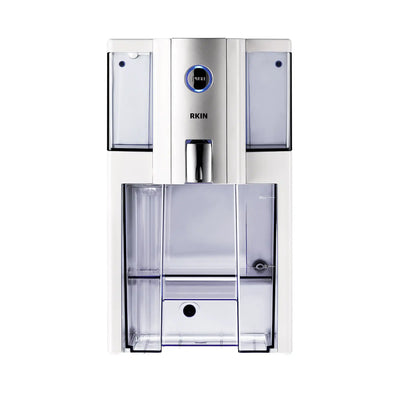
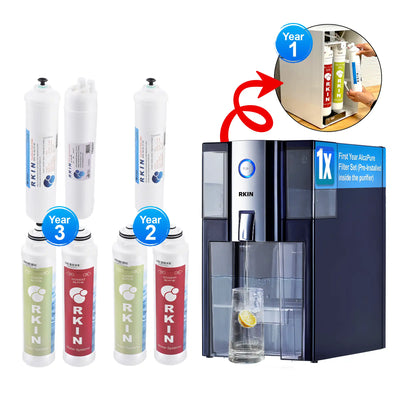
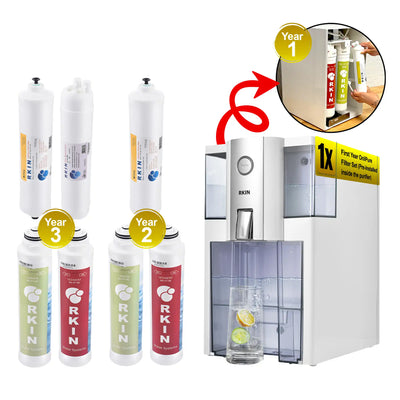
If your target is drinking water and you do not want plumbing changes, the RKIN Zero Installation Purifier gives you countertop reverse osmosis without a permanent install. That makes it a practical fit for renters, condos, and homeowners who want a dedicated drinking-water path without modifying the sink cabinet.
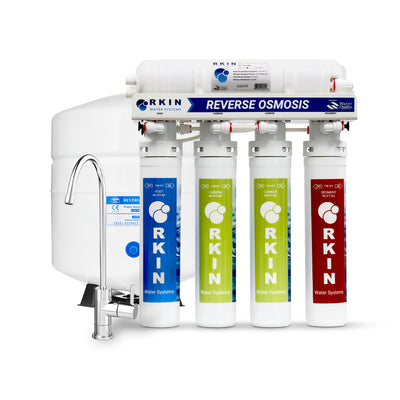
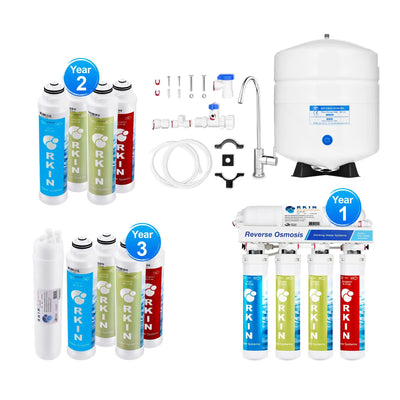
If you want a compact countertop option with a fill tank, the RKIN U1 4-in-1 Water Filter System is built for countertop use and no plumbing. If you prefer a kitchen-sink installation, the RKIN Flash Undersink RO System is the better lane.
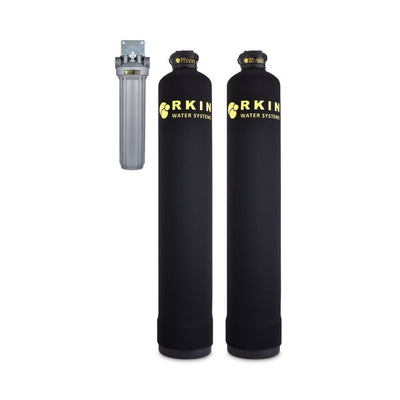
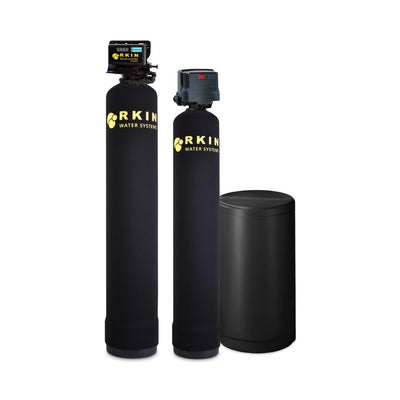
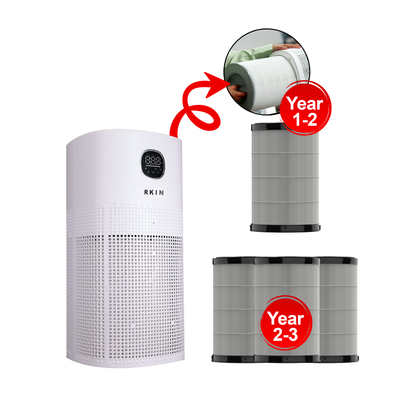
If the issue shows up everywhere in the house, not just in the drinking glass, start with RKIN whole house water treatment. Whole-house treatment is the right conversation for scale, sediment, well water issues, and water quality problems that affect showers, laundry, fixtures, and appliances.
You do not need every product. You need the right target and the fewest stages that solve it.
A Simple Decision Process
Use this before you buy another cartridge.
First, write down the complaint in plain language. "The water tastes like pool water." "The kettle has white scale." "The fridge water reads 350 PPM." "The well water leaves orange stains." Do not start with a product name.
Second, decide whether the issue is whole house or drinking water only. If it only matters at the glass, a point-of-use system may be enough. If it affects showers, laundry, fixtures, or appliances, whole-house treatment may belong in the plan.
Third, identify what proof you have. City water report, lab test, TDS reading, hardness test strip, visible sediment, odor pattern, or staining pattern. Proof does not have to be perfect, but it should be better than guessing.
Fourth, choose the technology around that target. Taste and odor often point toward carbon. Dissolved solids point toward reverse osmosis. Scale points toward softening or conditioning. Particles point toward sediment filtration. Well water issues point toward testing first.
Fifth, keep the setup maintainable. If you cannot remember six cartridge schedules, do not create a six-cartridge life for yourself unless the water demands it.
Frequently Asked Questions
Can you use two water filters together?
Yes, if each filter has a job. A sediment stage before carbon or RO can make sense. Whole-house treatment plus a drinking-water RO system can also make sense. Two filters are less useful when they repeat the same job without addressing a clear water target.
Is it bad to filter water twice?
Not automatically. Filtering water twice can be fine when the filters are maintained and compatible. The bigger issue is whether the second filter solves anything. If it only adds slower flow and more cartridge changes, it may not be worth it.
Should I use a pitcher filter after a refrigerator filter?
Usually, only if you know what the pitcher is adding. A fridge filter and pitcher filter often focus on taste and odor. If your target is lower TDS, PFAS, lead, or another specific concern, look for technology and test data matched to that target instead of stacking by habit.
Do I need whole-house treatment and reverse osmosis?
Sometimes. Whole-house treatment is for water issues across the home, such as scale, sediment, or certain well water problems. Reverse osmosis is usually a drinking-water solution. If both problems exist, using both can make sense. If only one exists, keep it simpler.
What should I test before choosing filters?
City-water users should start with the local Consumer Confidence Report and add targeted testing if needed. Well-water users should test based on local risks and visible symptoms, often including bacteria, nitrate, hardness, pH, iron, manganese, and sediment indicators.
Ready to Build a Filter Setup That Has a Point?
Two filters can be smart. Random filter hopping is the expensive version of guessing. Start with the water target, decide whether the issue is whole-house or drinking-water only, then choose the fewest stages that solve the job.
If your target is better drinking water without plumbing changes, start with the RKIN Zero Installation Purifier. If the issue affects the whole home, compare RKIN whole-house options before adding another small cartridge to the kitchen.




0 comments