




best reverse osmosis system home
Countertop RO vs Under-Sink RO: Which Is Better in 2026?

Reverse osmosis used to mean one thing: a bulky system bolted under your sink with a dedicated faucet drilled through the countertop. That’s still a great option. But countertop RO has improved substantially — in filtration performance, output speed, and design.
The question isn’t “is countertop RO good enough?” anymore. It’s “which format actually fits your home, your lease, and how you live?”
Here’s the honest side-by-side.
What They Have in Common
Both countertop and under-sink RO systems use the same core technology: water is pushed through a semi-permeable membrane at pressure, blocking dissolved solids, heavy metals, PFAS, nitrates, and other contaminants at the ionic level. Filtration performance between the two categories is comparable.
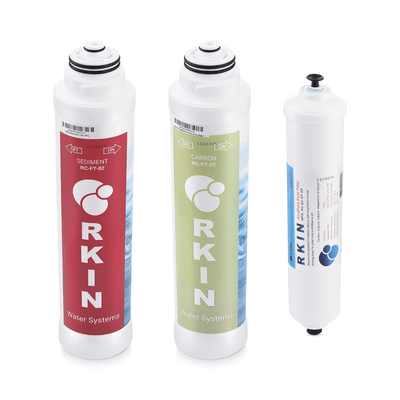
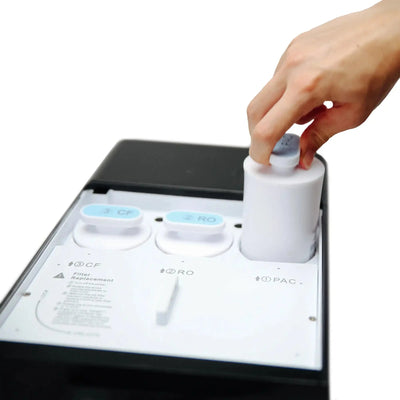
Both types also include pre-filters (sediment and carbon) and post-filters (typically post-carbon and/or remineralization). The fundamental chemistry is the same.
Where they differ is in form factor, volume, installation, and convenience features.
Countertop RO Systems
How They Work
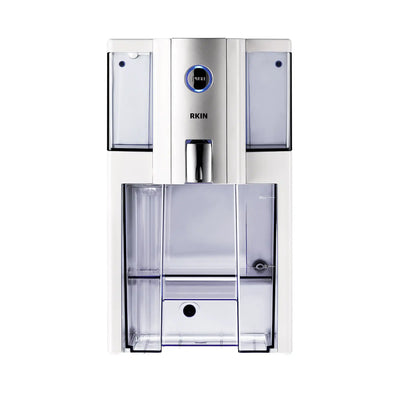
Countertop RO units sit on your kitchen counter. You fill an internal water tank manually from your tap, and the system runs the water through its filter stages. Filtered water collects in a separate chamber and dispenses on demand. No plumbing connection required.
RKIN Countertop Options
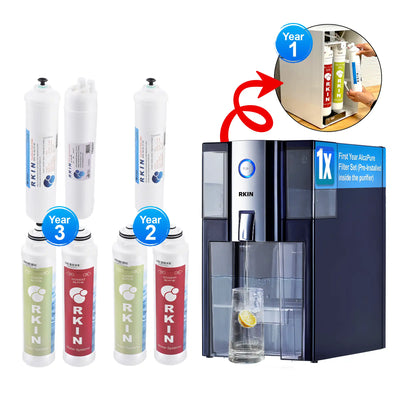
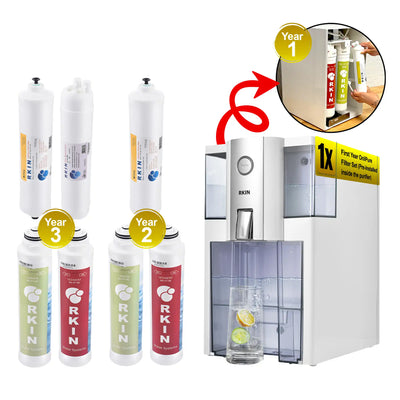
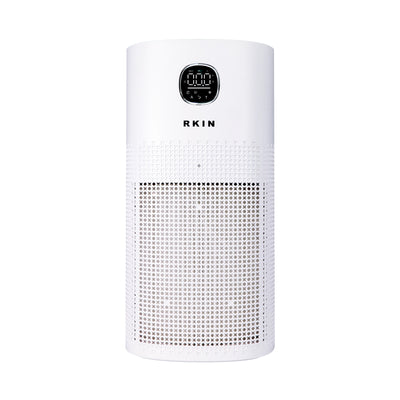
RKIN Zero Installation Purifier — see current pricing at rkin.com 5-stage filtration: sediment pre-filter, carbon block, RO membrane, post-carbon, alkaline remineralization. Produces approximately 0.5 gallons per cycle. AlcaPure edition (alkaline output) or OnliPure edition (zero TDS output).
RKIN U1 4-in-1 Water Filter System — see current pricing at rkin.com Same filtration stages as the Zero Installation Purifier plus UV sterilization and hydrogen infusion. Adds instant hot water (up to 200°F) and cold water (down to 59°F) dispensing. Wi-Fi enabled with app monitoring.
Countertop Pros
- Zero installation — no plumbing, no drilling, no landlord conversation
- Portable — moves with you when you leave
- Immediate setup — out of the box in under 5 minutes
- Additional features — countertop models like the U1 add UV, hydrogen infusion, hot/cold dispensing that under-sink systems don’t offer
- Lower installation cost — no plumber needed
Countertop Cons
- Manual refilling — you fill the tank yourself, typically once or twice daily
- Lower daily volume — 0. Just plug into a standard outlet.5 gallons per cycle limits very high-volume households
- Counter space — sits on your counter, takes up real estate
- No hands-off operation — under-sink runs automatically on demand
Under-Sink RO Systems
How They Work
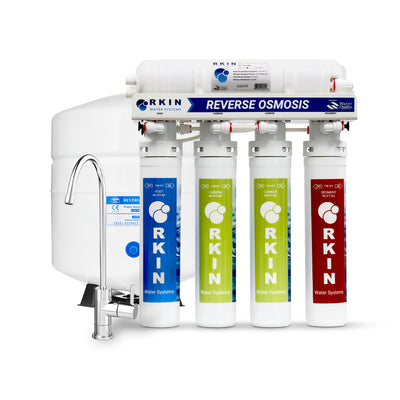
Under-sink RO systems connect directly to your cold water supply line. A pressure tank stores filtered water, which then flows on demand through a dedicated faucet installed at the sink. The system runs automatically whenever you open the faucet. No manual refilling.
RKIN Under-Sink Option
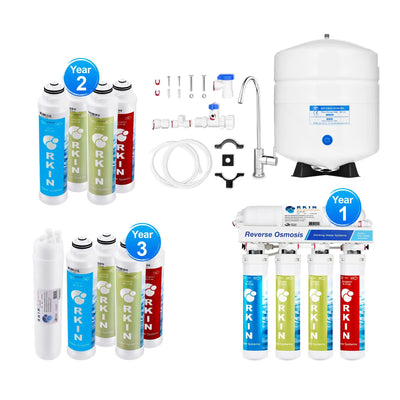
RKIN Flash Undersink RO — see current pricing at rkin.com 5-stage RO system with 75 GPD membrane. Includes chrome lead-free dedicated faucet. Handles nitrates, PFAS, lead, arsenic, fluoride, and chlorine.
Under-Sink Pros
- High daily output — 75 gallons per day handles a household of any size
- Fully automatic — open the tap, get filtered water. No tanks to fill
- Hidden installation — system lives under the sink, no counter footprint
- Consistent flow — pressurized tank delivers at normal faucet pressure
Under-Sink Cons
- Installation required — cold water line tap, drain connection, faucet hole drilling
- Not portable — stays with the home unless you reinstall
- No additional features — standard under-sink provides only ambient-temperature water
- Installation cost — varies by complexity; many homeowners DIY in 60–90 minutes
Side-by-Side Comparison
| RKIN Zero Installation Purifier | RKIN U1 | RKIN Flash | |
|---|---|---|---|
| Type | Countertop | Countertop | Under-Sink |
| Pricing | See rkin.com | See rkin.com | See rkin.com |
| Installation | None | None | Cold water line + drain |
| Daily output | ~2–3 gal (manual) | ~2–3 gal (manual) | 75 GPD (automatic) |
| Hot water | No | Yes (200°F) | No |
| Cold water | Room temp | Yes (59°F) | No |
| UV sterilization | No | Yes | No |
| Hydrogen infusion | No | Yes | No |
| Alkaline remineralization | Yes | Yes | Optional |
| Portable | Yes | Yes | No |
| Counter footprint | Medium | Medium-large | None |
| Best for | Renters, moderate use | Feature-focused buyers | High-volume homeowners |
Visit rkin.com for current pricing on all systems.
Filtration Performance: Is One Better Than the Other?
For the contaminants most people care about — PFAS, nitrates, lead, arsenic, chlorine — both types perform comparably. The RO membrane is the critical component, and both use membranes tested to the same NSF/ANSI standards.
Where the U1 stands out: UV sterilization adds an extra layer of protection for drinking water. If you have well water or live in an area with periodic boil water advisories and need whole-house biological protection, pair any RO system with RKIN’s dedicated Stainless Steel UV Water Disinfection System installed at the point of entry.
Where the Flash stands out: 75 gallons per day with zero manual effort. For a family of four who cooks daily, the convenience of on-demand high-volume filtered water is genuinely different from manually refilling a countertop tank.
How to Decide
Choose countertop (Zero Installation Purifier or U1) if:
- You rent, or don’t want to modify plumbing
- You move every 1–3 years
- Your household uses 2–4 gallons of filtered water per day
- You want additional features: hot water, cold water, UV, hydrogen (→ U1)
- You want an accessible countertop RO entry point (→ Zero Installation Purifier — check rkin.com for current pricing)
Choose under-sink (Flash) if:
- You own your home or have long-term tenancy with plumbing rights
- Your household uses 6+ gallons of filtered water per day
- You want a completely hands-off system
- You don’t need hot or cold water from the filter — just clean ambient-temp water on demand
Choose both if: - You want countertop convenience (hot/cold) in the kitchen AND a high-volume filtered supply at the main sink — some households run the U1 in the kitchen and the Flash at the bar sink or secondary tap.
What About Cost Over Time?
Filter replacement cost is comparable:
- Zero Installation Purifier filters: approximately $60–80/year
- U1 filters: approximately $80–120/year (more stages to replace)
- Flash filters: approximately $50–80/year
The main financial variable is installation. Countertop systems cost zero to install. The Flash requires installing a faucet hole (drilling) and plumbing connections — a competent DIYer handles this in an afternoon, or a plumber charges $100–200.
Neither system significantly changes your water bill. Both produce some wastewater in the RO process; the Flash at 75 GPD generates somewhat more total wastewater volume than the manually-filled countertop units.
Frequently Asked Questions
Is countertop RO as good as under-sink RO for filtering contaminants?
Yes, for the main contaminants people test for (PFAS, nitrates, lead, arsenic, fluoride, chlorine). Both types use the same RO membrane technology. The difference is volume, convenience, and added features — not filtration quality.
Does the Flash RO require a plumber to install?
Not necessarily. The Flash comes with all required hardware and instructions. Many homeowners install it in 60–90 minutes using basic tools. It requires connecting to the cold water line under the sink, attaching a drain line, and drilling a hole for the faucet if one doesn’t exist. If you’re uncomfortable with under-sink plumbing, a plumber can install it in under an hour.
Can a countertop RO system handle a family of four?
A single Zero Installation Purifier or U1 can handle a family of four if the household uses 2–4 gallons of filtered water per day for drinking. Families who cook extensively or want to fill a pitcher continuously may find manual refilling inconvenient. The Flash’s 75 GPD automatic supply removes that friction.
What is the total cost of ownership over 5 years?
Filter costs run approximately $50–$120/year depending on the system and your water quality. Visit rkin.com for current product pricing to calculate your total 5-year cost.
Does RO water taste flat or demineralized?
All RKIN RO systems include an alkaline remineralization stage that adds calcium and magnesium back into the filtered water. This improves taste and restores mineral content. The output has a clean, neutral-to-slightly-alkaline taste — not the flat, “empty” profile of earlier RO generations.
RKIN has been making clean water accessible to American families since 2008. All systems ship free within the Continental US and are backed by a 1-year satisfaction guarantee. Questions? Call 1-800-803-4551 or live chat Mon–Fri, 9 AM–5 PM EST.




0 comments