




home improvement
5 Ways to Improve Your Home Water Quality This Spring

Spring Means More Than Allergies — Your Water Quality Changes Too
When the seasons shift, most homeowners think about HVAC maintenance, gutter cleaning, and yard work. Water quality rarely makes the spring checklist. But seasonal changes directly affect what's flowing through your pipes — and spring is when several common water problems spike.
Snowmelt, heavy spring rains, and rising water tables flush agricultural chemicals, sediment, and microorganisms into both surface water and groundwater. Utilities adjust their treatment to compensate, often adding more chlorine. If you're on well water, the changes can be even more noticeable. Here are five practical steps to improve your home water quality this spring.
1. Test Your Water After the Seasonal Shift
Water quality isn't static. What tested fine in October may look different in April. Spring runoff carries fertilizers (nitrates), herbicides, sediment, and bacteria into water sources at higher concentrations than other times of year.
If you haven't tested your water in the past 12 months, spring is the right time. Well owners should test annually at minimum — the EPA recommends it, and many states require it at property sale. City water users can start with their utility's Consumer Confidence Report (CCR), then supplement with an at-home test for contaminants not covered, like PFAS.
Related reading: PFAS and City Water: What to Test For and How to Protect Your Family
2. Address Hard Water Before It Costs You Money
Hard water doesn't get much attention until you notice the damage. Scale buildup inside water heaters, dishwashers, and plumbing fixtures reduces efficiency and shortens equipment lifespan. According to the U.S. Geological Survey, about 85% of American homes have hard water — and many homeowners don't realize it until appliances start failing early.
The signs are easy to spot:
- White crusty buildup on faucets and showerheads
- Spots on glasses and dishes after the dishwasher
- Soap that doesn't lather well
- Stiff, scratchy laundry
- Dry skin and flat hair after showering
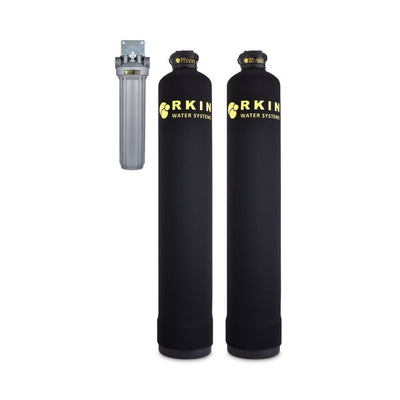
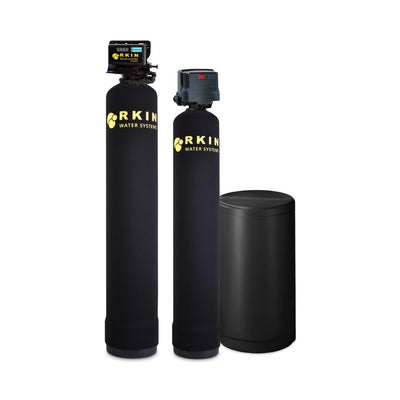
A salt-free water conditioner like the RKIN OnliSoft treats hard water for the entire house without adding sodium to your water or sending salt brine to the drain. It uses Template Assisted Crystallization (TAC) to convert hardness minerals into a stable crystal form that won't stick to surfaces. No bags of salt. No wastewater. No maintenance beyond an annual filter check.
For homes that need both hardness treatment and contaminant filtration in one system, the OnliSoft Pro combines salt-free conditioning with carbon filtration for chlorine, chloramine, and sediment removal.
Related reading: The 2026 Water Softener Buyer's Guide: Salt-Based vs. Salt-Free Systems
3. Upgrade Your Drinking Water Filtration
A whole-house system handles hardness and chlorine, but for drinking water, point-of-use reverse osmosis goes further. RO membranes remove dissolved solids, lead, PFAS, nitrates, and microplastics — contaminants that carbon alone can't catch.
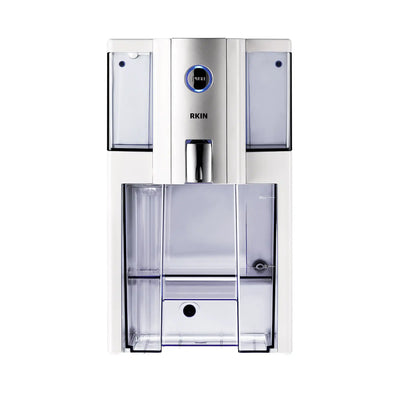
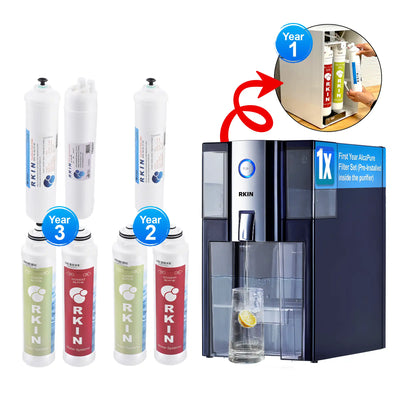
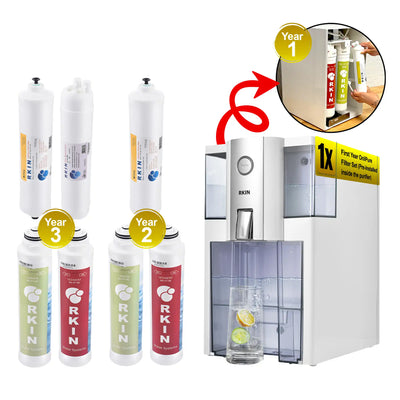
The RKIN Zero Installation Purifier is a countertop reverse osmosis system that connects to your existing faucet in minutes. No drilling, no plumber, no permanent modifications. It produces purified water on demand and fits on any standard countertop.
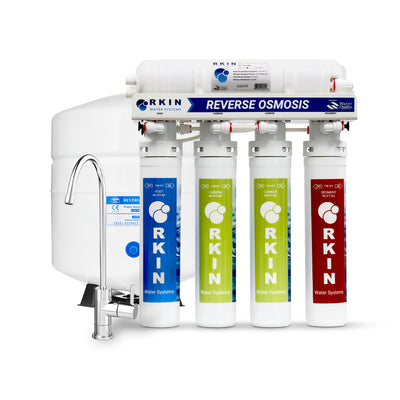
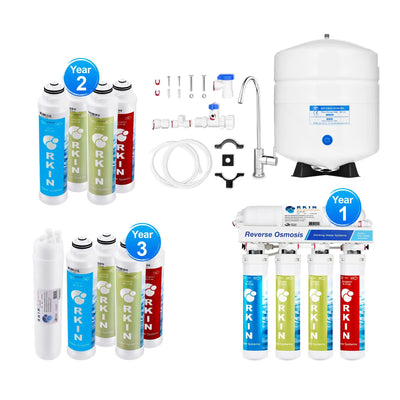
This makes it especially practical for renters, condo owners, or anyone who wants RO-quality water without under-sink installation. For homes where under-sink works, the Flash RO system tucks out of sight and delivers filtered water through a dedicated faucet.
| Feature | Zero Installation Purifier | Flash Under-Sink RO |
|---|---|---|
| Installation | Countertop, no tools | Under-sink, basic DIY |
| Best for | Renters, portability, no-drill setups | Homeowners who want hidden installation |
| Filtration | 4-stage RO with remineralization | Multi-stage RO with remineralization |
| Space | Sits on counter | Under cabinet, dedicated faucet |
Related reading: Best Countertop RO Systems 2026
4. Check and Replace Filters on Schedule
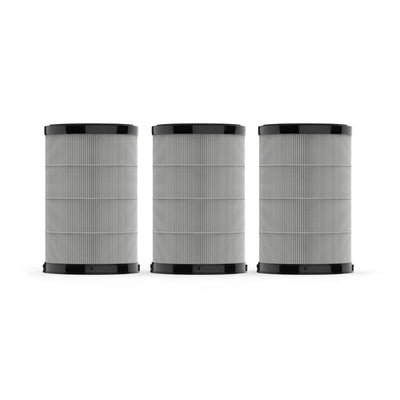
Spring cleaning should include your water filtration system. Filters that have been running all winter may be near or past their replacement date. An overdue filter doesn't just stop working — it can actually release trapped contaminants back into your water as the media saturates.
Here's a general replacement guide:
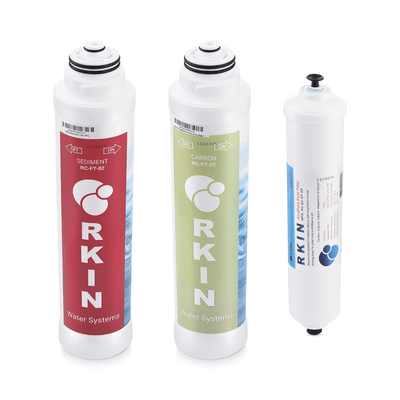
- Sediment pre-filters: Every 6 months (sooner if your water is high in particulates)
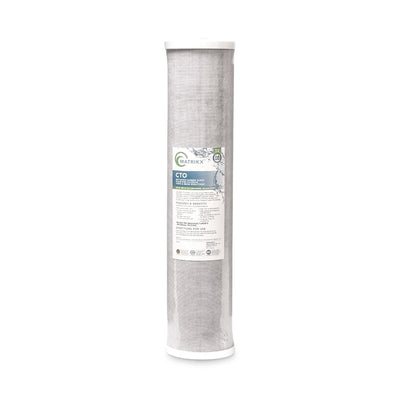
- Carbon block filters: Every 6–12 months depending on usage
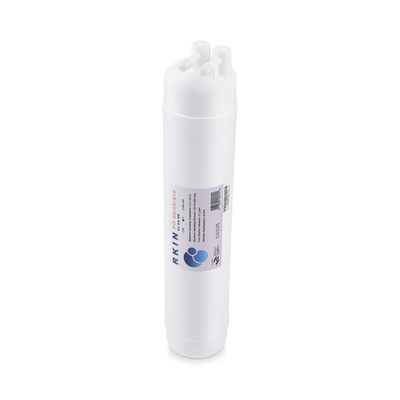
- RO membranes: Every 2–3 years
- Remineralization filters: Every 12 months
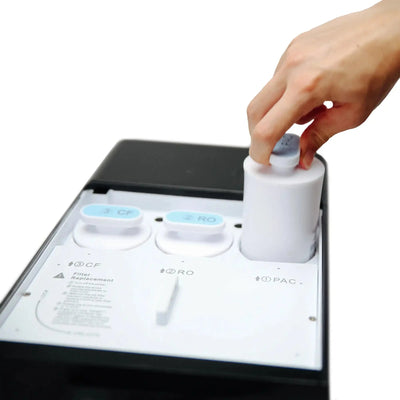
Check your system's manual for specific intervals. Most RKIN systems include filter life indicators or recommended schedules in the product documentation. Here's a detailed guide on when to change your U1 and Zero Installation Purifier filters.
5. Protect the Whole House — Not Just the Kitchen Sink
Point-of-use systems like the Zero Installation Purifier or Flash handle drinking and cooking water. But contaminants in your shower, laundry, and dishwasher water cause problems too. Chlorine strips moisture from skin and hair. Sediment damages appliance valves. Hard water scale builds up everywhere there's hot water.
A whole-house approach gives you clean water at every tap. Depending on your water test results, the right setup might include:
- Salt-free conditioner (OnliSoft) for hard water throughout the home
- Carbon filter (CBS Dual Carbon) for chlorine, chloramine, and taste issues
- Sediment filter (Dragon) to catch sand, rust, and particles before they reach appliances
- Well water system (RKIN Well Water Filter) for iron, sulfur, and manganese in private well supplies
Related reading: Whole-Home RO vs Under-Sink RO: Which Strategy Makes Sense?
Make Water Quality Part of Your Spring Routine
Your home's water quality affects everything from how your coffee tastes to how long your water heater lasts. Spring is the ideal time to test, filter, and maintain — before warm-weather contaminant levels peak. Start with a water test, match your filtration to what you find, and keep your filters current.
Browse RKIN whole-house water treatment systems and countertop RO solutions to find the right fit for your home.
Frequently Asked Questions
Why does water quality change in spring?
Spring snowmelt and rainfall flush agricultural chemicals, sediment, and natural organic matter into surface water and groundwater. Utilities often increase chlorine levels to compensate, and well water may see spikes in nitrates, bacteria, or turbidity from rising water tables.
How often should I test my home water?
At least once per year, ideally in spring when contaminant levels tend to be highest. Well owners should test annually for bacteria, nitrates, and pH at minimum. City water users should supplement their utility's CCR report with targeted testing for PFAS and lead.
What is a salt-free water conditioner?
A salt-free conditioner uses Template Assisted Crystallization (TAC) or similar media to change the structure of hardness minerals so they don't form scale on pipes and appliances. Unlike traditional salt-based softeners, it doesn't add sodium to the water or produce brine wastewater.
Can I use a countertop RO system if I rent my apartment?
Yes. The RKIN Zero Installation Purifier is a countertop reverse osmosis system that connects to your faucet without any drilling or permanent plumbing changes. It's fully portable — you can take it with you when you move.
Do I need both a whole-house filter and a drinking water filter?
It depends on your water quality. A whole-house system handles chlorine, sediment, and hardness at every tap. A point-of-use RO system provides an additional level of purification specifically for drinking and cooking water, removing dissolved contaminants like lead, PFAS, and nitrates that whole-house carbon filters may not fully address.




0 comments