


filtro de agua ante un aviso de hervir agua
Boil Water Advisory: Can You Use a Home Water Filter?

A boil water advisory is not the moment to guess what your filter can do. EPA’s emergency disinfection guidance explains boiling and disinfection steps for drinking water when normal water service is disrupted during an emergency.
That answer surprises people because “filtered” sounds like “safe.” In an advisory, the utility is warning that the water may not meet normal drinking-water expectations because of a main break, pressure loss, treatment issue, flooding, storm damage, or possible contamination. Your first job is to follow the notice. Your second job is to protect your filter system after the advisory is lifted.
What a Boil Water Advisory Means
A boil water advisory usually means the water system has a temporary problem that could let unwanted microbes or contaminants reach the distribution lines. It does not always mean contamination has been confirmed at your faucet. It means the water provider is telling customers to take added steps until the system is cleared.
Common triggers include low pressure, broken water mains, power failures at treatment plants, flooding, storm surge, construction damage, or test results that require caution. In late summer and fall, hurricane season and heavy rain can raise the odds of water alerts in many parts of the United States.
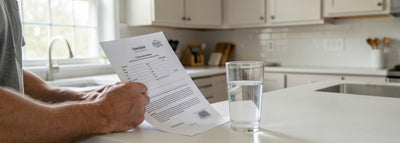
The notice should tell you which addresses are affected, what water uses require boiling, how long to boil, and when updates will be posted. Read the current notice from your utility, city, county, or local health department. Do not rely on an old social media screenshot.
EPA emergency guidance gives separate instructions for clear water, cloudy water, and other disinfection options when boiling is not possible in its emergency water guidance.
Can You Use a Water Filter During a Boil Water Advisory?
Use the filter only if the advisory instructions still allow that use, and do not treat the filter as a replacement for boiling. If the notice says boil water for drinking, cooking, brushing teeth, making ice, washing produce, making baby formula, or pet water, boil the water as directed by the notice even if it passed through a filter first.
Home filters are built for specific jobs. Some improve taste and odor. Some reduce sediment. Some use carbon. Some use reverse osmosis. Some are certified for cyst reduction. Those differences matter, but a general household filter is not a universal emergency treatment system.
A refrigerator filter, pitcher filter, countertop carbon filter, or whole-house sediment filter should not be your override button during a public notice. The utility has information about system pressure, test results, and field conditions that your filter cannot see.
If your home has reverse osmosis, follow the advisory anyway. RO can be useful technology, but the advisory is about current water safety instructions from the water provider or health department. Once the notice is lifted, then you can think about flushing lines and checking filters.
What to Do First During the Advisory
Start with the official notice. Write down the date, affected area, and instructions. If your home sits near the edge of the map, call the utility or check the address lookup if one is available.
Use bottled water from a known safe source or boil tap water according to the notice. EPA’s emergency disinfection page says clear water should be brought to a rolling boil for one minute, then cooled and stored in a sanitized container in its emergency water page. Your local notice controls if it gives more specific directions.
Shut off ice makers and discard ice made during the advisory. Avoid using refrigerator water dispensers until the advisory is lifted and the line is flushed according to the appliance instructions. If you have a plumbed coffee maker, bar sink, instant hot water dispenser, or other connected appliance, include it in your post-advisory flushing plan.
For cloudy water, follow the official guidance before boiling. Do not pour cloudy water straight into an RO system and assume the membrane should handle it. Sediment and turbidity can foul filters and create maintenance problems.
Why Boiling and Filtering Are Not the Same
Boiling and filtering solve different problems. Boiling addresses microbes when done according to guidance. Filtration physically removes or adsorbs certain substances based on the filter design. One does not automatically replace the other.
That is why the label matters. A filter marketed for chlorine taste is not the same as a filter certified for cyst reduction. A whole-house sediment filter is not the same as a reverse osmosis drinking-water system. A water softener is not a drinking-water purifier.
EPA’s home filtration fact sheet tells consumers to choose filters based on the contaminants they want reduced and to read product information before relying on a filter. During an advisory, the contaminant of concern may not be the same thing your filter was purchased to handle.
There is also a plumbing issue. If contaminated water moved through the home during a pressure-loss event, water may be sitting in lines, refrigerator tubing, ice makers, tanks, cartridges, and housings. The filter can be part of the cleanup path, but it is not the first step.
After the Advisory Is Lifted
Once the utility lifts the advisory, flush your plumbing according to the local instructions. Many utilities give a flushing sequence for cold water taps, hot water lines, refrigerator dispensers, ice makers, water softeners, and point-of-use filters. Follow that list first.
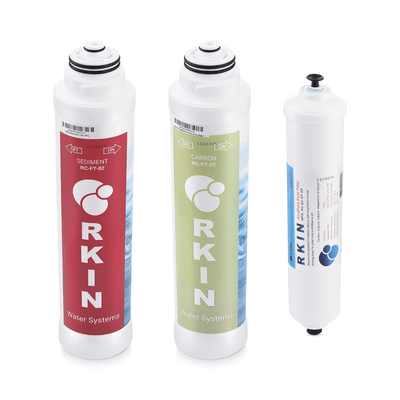
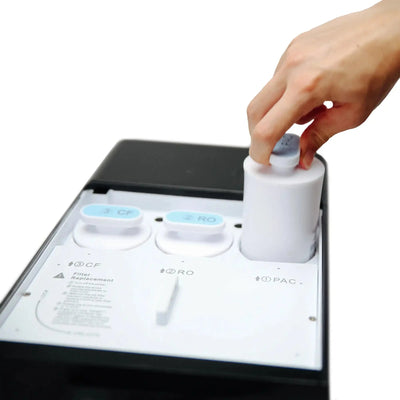
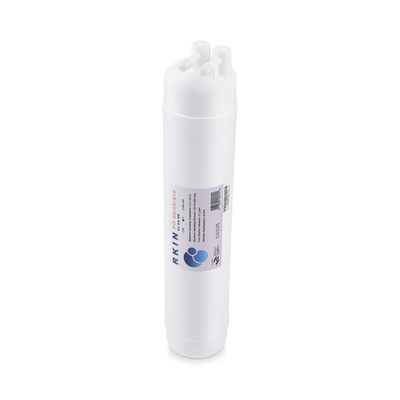
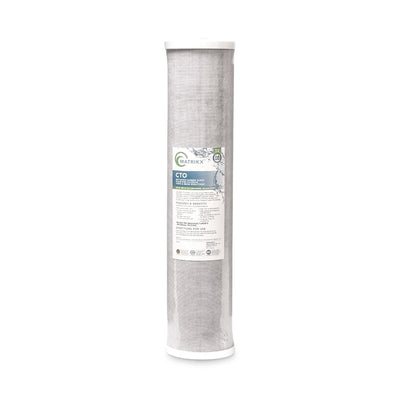
If your refrigerator made ice during the advisory, discard it. Flush the dispenser. Replace the refrigerator filter if the appliance manual or utility guidance recommends it. If a cartridge filter saw cloudy or potentially contaminated water, replacing it is often the cleaner path than trying to guess what stayed inside the media.
For reverse osmosis systems, check the owner manual. You may need to flush the tank, sanitize the system, or replace filters depending on the event and how the unit was used. If floodwater entered the home or reached the system, treat that as a bigger problem and contact a qualified professional.
Do not restart normal use just because the water looks clear. Wait for the all-clear from the utility or health department. If you are on a private well, a city advisory may not apply to you, but flooding, storm surge, power loss, and wellhead damage can still require testing and disinfection guidance from local officials.
Where RKIN Fits After the All-Clear
A boil water advisory is not a sales moment. Follow the notice first. After the advisory is lifted, a home filtration plan can help with everyday water quality concerns that remain: chlorine taste, sediment, dissolved solids, and drinking-water confidence.
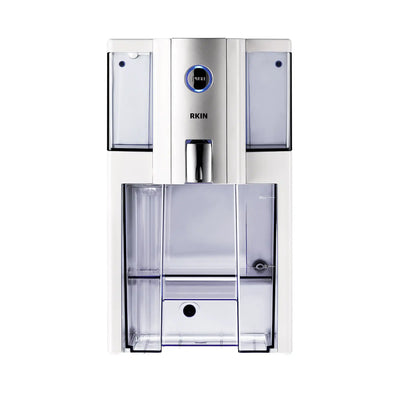
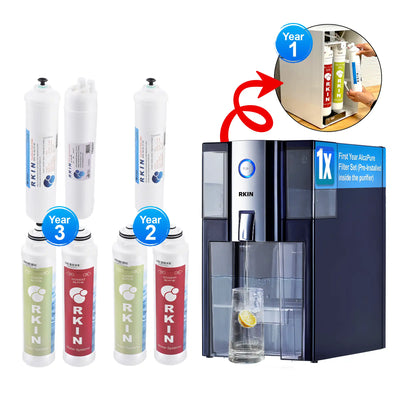
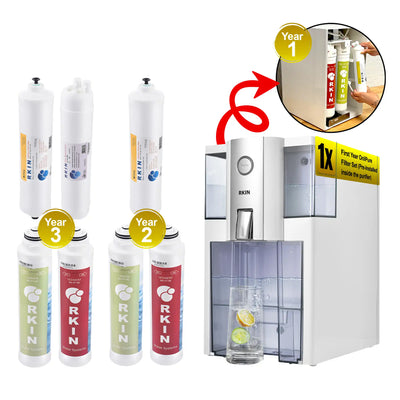
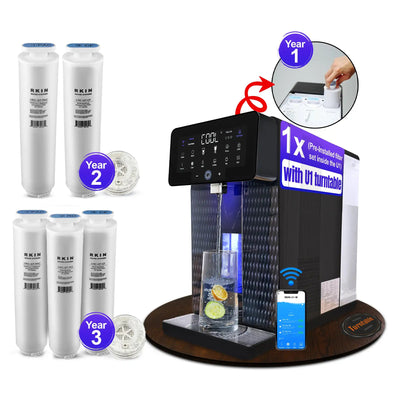
For countertop reverse osmosis without plumbing changes, the RKIN Zero Installation Purifier is designed for drinking and cooking water at the counter. It is a strong fit for renters, apartments, and homeowners who want RO without drilling or adding a dedicated faucet.
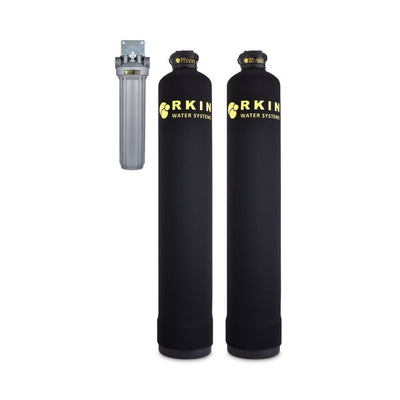
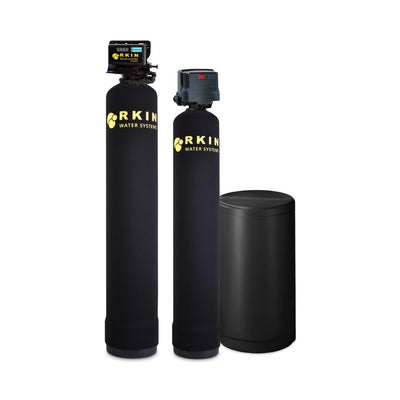
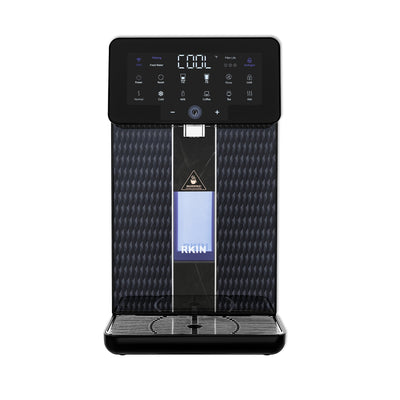
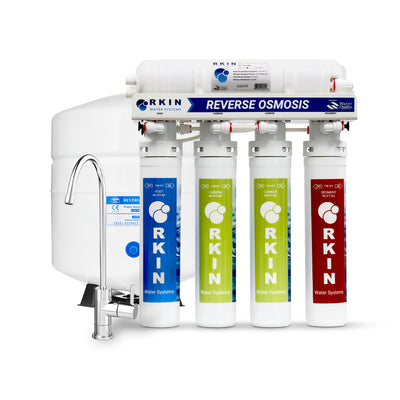
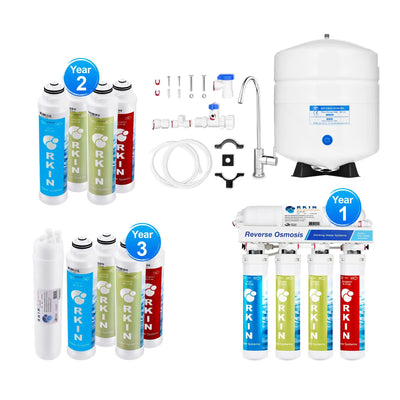
For a built-in sink setup, the RKIN Flash Undersink RO System gives homeowners an undersink RO path with a dedicated faucet. For sediment, chlorine, hardness clues, or water concerns that affect the entire home, start with the RKIN whole-house water treatment collection and match the system to test results and flow rate.
The right order is advisory first, cleanup second, filtration plan third.
Build a Boil Advisory Filter Checklist
Keep a short checklist with your water documents so you do not have to search during an alert. Include your utility’s emergency page, account number, filter model numbers, replacement cartridge names, appliance manuals, and the date each cartridge was last changed.
For city water, save the latest Consumer Confidence Report and current utility alert page. For well water, save lab reports and the contact information for your county health department or certified lab. If you travel often, add a reminder to check for active notices when you return home after storms or construction work nearby.
Your checklist should answer five questions:
- Is my address included in the advisory?
- What uses require boiled or bottled water?
- Which connected appliances need to be shut off or flushed?
- Which filters or cartridges may need replacement?
- Where will the official all-clear be posted?
That simple file prevents the most common mistake: treating a filter as a shortcut when the notice is telling you to take a temporary safety step.
Frequently Asked Questions
Does a water filter make water safe during a boil water advisory?
Do not assume that it does. Follow the current notice from your utility or local health department, and use the boiling or disinfection steps they specify. A filter should not be treated as a shortcut around the advisory.
Can I use reverse osmosis during a boil water advisory?
Follow the advisory first. Reverse osmosis is useful drinking-water technology, but a boil water advisory is a current public instruction tied to system conditions. After the all-clear, check the RO manual for flushing, sanitizing, or filter replacement steps.
Should I replace filters after a boil water advisory?
It depends on the filter type, the event, and the official instructions. Replace cartridges if the utility, appliance manual, or filter manufacturer recommends it, or if the filter saw cloudy water, pressure-loss water, or water from a flooded area.
What should I do with refrigerator water and ice?
Turn off the ice maker during the advisory if instructed. Discard ice made during the advisory, flush the dispenser after the all-clear, and replace the refrigerator filter if the appliance manual or utility guidance calls for it.
Is a boil water advisory the same as a do-not-drink notice?
No. Advisories and notices can mean different things. A boil water advisory usually tells customers to boil water before certain uses. A do-not-drink or do-not-use notice can involve different hazards and different instructions. Read the exact notice.
What if I have private well water after a storm?
Private wells are not covered by public utility notices in the same way. If your well was flooded, lost pressure, was damaged, or changed taste, odor, or color after a storm, contact your local health department or a certified lab for testing and next steps before relying on filters alone.
Ready for Better Everyday Drinking Water?
A boil water advisory has one rule: follow the official notice first. When the advisory is over, use it as a reminder to set up a better day-to-day water plan.
Start with the RKIN Zero Installation Purifier for countertop reverse osmosis, or choose the RKIN Flash Undersink RO System if you want a dedicated faucet at the sink.





0 comentarios