


sistema de ósmosis inversa certificado
NSF 58 Reverse Osmosis: What PFAS Shoppers Should Check

Shoppers who search for “NSF 58 reverse osmosis” are usually trying to answer a more specific question: can this system reduce the contaminants I am worried about, especially PFAS, lead, fluoride, arsenic, nitrate, or total dissolved solids?
That question is getting more urgent because PFAS coverage has moved from a niche water issue to a household shopping concern. The EPA’s consumer guidance on filters certified to reduce PFAS explains that reverse osmosis systems force water through a thin barrier and can separate many chemicals from drinking water. The same EPA page also gives a warning homeowners should not skip: current PFAS filter certifications do not automatically prove a filter reduces PFAS down to EPA’s newest drinking water limits.
What NSF 58 means in plain English
NSF/ANSI 58 is the standard homeowners most often see when comparing point-of-use reverse osmosis drinking water systems. It is not a magic phrase that means “removes everything.” It is a testing and certification standard for RO systems, and the exact claims matter.
A certified listing may cover structural safety, materials, total dissolved solids reduction, efficiency, recovery, and specific contaminant reduction claims. Those details are not the same on every product. One RO system may be certified for TDS reduction. Another may also carry claims for lead, nitrate, arsenic, or other contaminants. The listing and performance data sheet are where the real answer lives.
You can use the public NSF certified drinking water treatment unit listings for Standard 58 as one way to check what a brand claims. Search by brand, model, standard, and reduction claim. Then compare that listing to the product page and manual. If those sources do not line up, ask the seller before you buy.
Why PFAS makes certification checks harder
PFAS is not one chemical. It is a large group of man-made chemicals, and drinking water rules, testing methods, and filter certifications have been catching up. That is why vague marketing language can mislead even careful shoppers.
EPA’s PFAS filter guidance says homeowners should look for filters certified to reduce PFAS in drinking water, but it also notes that the certification standards described in April 2024 focus on PFOA and PFOS and do not yet show that a filter will reduce PFAS to EPA’s newest drinking water standard levels. That does not mean filters are useless. It means the label must be read with care.
A practical PFAS shopping checklist looks like this:
- Which PFAS compounds does the product claim to reduce?
- Is the claim certified, third-party tested, or only described by the seller?
- Does the product show a performance data sheet?
- What water conditions were used for testing?
- How often must filters or membranes be changed for the claim to remain meaningful?
Those questions keep you away from the worst shortcut: buying a filter because the page says “PFAS” without showing the standard, claim, and maintenance requirements behind it.
NSF 58 versus NSF 53, NSF 42, and other labels
Water filter standards are easy to confuse because several numbers appear in the same product category. NSF/ANSI 42 is commonly tied to aesthetic effects such as chlorine taste and odor. NSF/ANSI 53 is commonly tied to specific reduction claims for contaminants with safety-related effects, such as lead or cysts. NSF/ANSI 58 is the RO standard. NSF/ANSI 401 is often connected to certain emerging compounds.
A product can carry one standard and not another. It can also carry a standard for one claim and not for the claim you care about. That is the point many homeowners miss when they compare labels quickly.
If your main concern is PFAS, do not stop at “NSF certified.” Ask which standard, which contaminant claim, which model, and which replacement schedule. If your concern is lead, ask the same question for lead. If your concern is nitrate, fluoride, arsenic, or TDS, match the product’s documents to that exact concern.
What reverse osmosis can do well
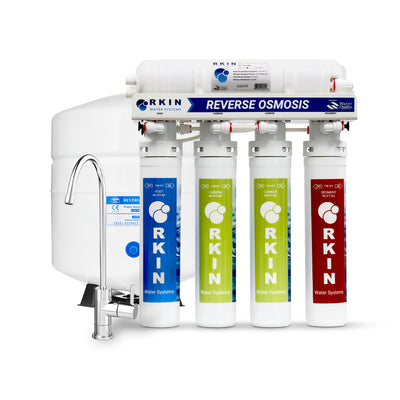
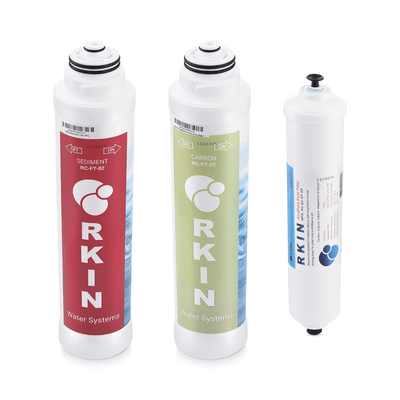
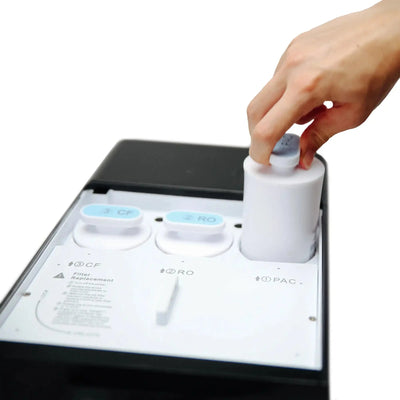
Reverse osmosis is useful because it treats water at the molecular and ionic level in a way many simple carbon filters do not. A point-of-use RO system usually combines prefiltration, an RO membrane, and post-filtration. The membrane does much of the dissolved-solids work, while carbon stages help with taste, odor, chlorine, and some other compounds depending on the system design.
That multi-stage structure is why RO is often considered for PFAS, lead, nitrate, arsenic, fluoride, and TDS questions. It is also why performance data matters. The technology category gives you a starting point. The tested claims tell you what that specific product is built to reduce.
RO also has trade-offs. It creates a reject stream, so efficiency matters. It requires filter and membrane changes. It can be slower than basic filtration. Some units need plumbing changes, while others are made for countertop use. The best system is the one that matches both your water concern and your home.
What does not work as a shortcut
A pitcher filter may improve taste, but it is not automatically a PFAS or RO-grade drinking water solution. A refrigerator filter is convenient, but many are designed mainly for taste and odor. Boiling water can be the right step during certain local advisories, but it is not a way to remove dissolved contaminants such as PFAS, nitrate, or lead.
Bottled water may be useful during a short emergency, but it does not answer the daily household question: what do you want to use for drinking water, coffee, cooking, ice, and bottle filling every day?
The better path is simple. Start with your water source. Read your city water report or test your private well. Identify the concern. Then choose the simplest treatment system with documents that address that concern.
How to read the product page without getting fooled
A good product page should make the system type clear. Is it reverse osmosis, carbon filtration, UV, softening, conditioning, or a combination? It should also tell you where the system goes: countertop, under-sink, faucet-connected, or whole-house.
Next, find the performance data. Look for the exact model number. Look for the standard and the contaminant claim. Look for the test conditions and replacement schedule. If the product uses phrases like “up to” or “tested for,” read the fine print. Those phrases can be useful, but they are not the same as a certified reduction claim for your exact concern.
For PFAS, keep EPA’s warning in mind. A filter may be certified for PFOA and PFOS reduction, but that does not automatically settle every PFAS question or every new regulatory level. For lead, make sure the claim is about lead reduction, not only lead-free materials. For nitrate, make sure nitrate or nitrite appears in the product documents if that is the concern.
Where RKIN fits into the RO decision
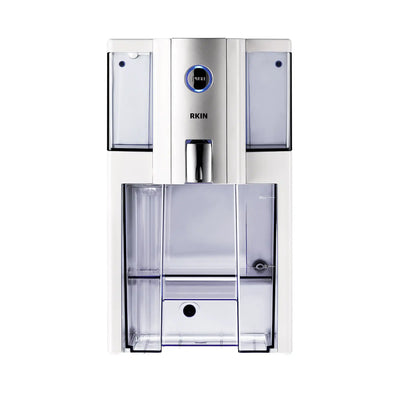
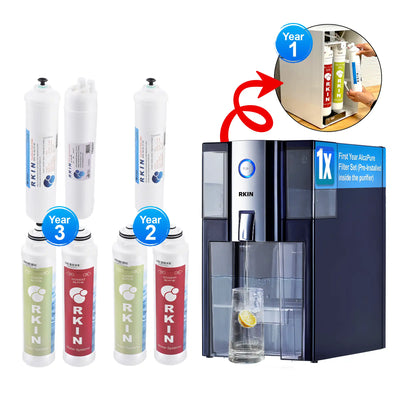
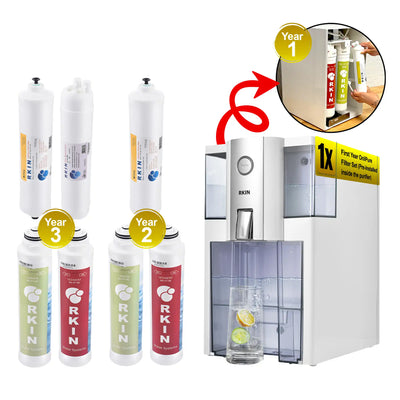
This is what the RKIN Zero Installation Purifier is designed for: point-of-use reverse osmosis at the countertop without permanent plumbing changes. It is a fit for homeowners, renters, and apartments where a kitchen drinking water setup matters more than whole-house RO.
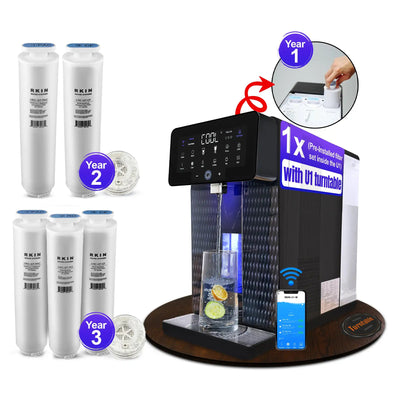
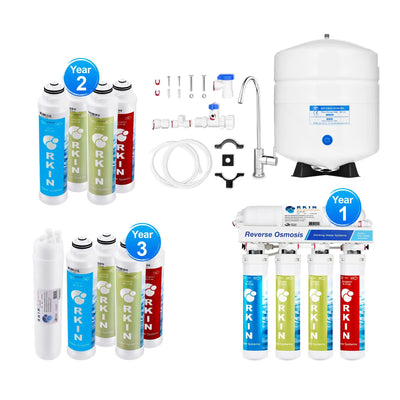
If you want a compact fill-tank design, compare the RKIN U1 4-in-1 Water Filter System. If you own the home and prefer a dedicated under-sink setup, review the RKIN Flash Undersink RO System.
Do not choose by product category alone. Choose by installation type, current product documents, replacement schedule, water use, and the contaminant questions that actually apply to your home.
When to test first
Testing first is worth it when your concern is specific: PFAS, lead, arsenic, nitrate, fluoride, bacteria, or well water changes. A city water report can show regulated contaminants for a public system, but it may not answer what is happening inside your home’s plumbing. A private well is different because the homeowner is responsible for routine testing.
Testing is also useful when you have a known local issue, a new baby in the home, old service lines, a recent plumbing change, nearby construction, or an unusual taste or odor. The goal is not to turn every filter purchase into a science project. The goal is to avoid buying the wrong category of equipment.
If the test result shows a specific concern, match it to a product document. If the result shows multiple concerns, ask a water professional before stacking random products together.
Frequently Asked Questions
Is NSF 58 the same as PFAS certification?
No. NSF/ANSI 58 is the standard for reverse osmosis drinking water treatment systems. PFAS reduction is a specific claim that must be checked separately. EPA says current PFAS filter certifications do not automatically prove reduction to its newest drinking water standard levels.
Does reverse osmosis reduce PFAS?
Reverse osmosis can be used for PFAS reduction, but shoppers should check the exact product claim and documentation. Look for the specific PFAS compounds, the testing standard, the model number, and the replacement schedule.
What is the safest way to compare RO filters?
Start with the contaminant you care about, then check the product’s performance data sheet. Match the claim to your water report or test result. Do not rely only on broad phrases like “advanced filtration” or “NSF certified.”
Is a countertop RO system different from an under-sink RO system?
Yes. Both can use reverse osmosis, but the installation and daily use are different. Countertop systems can avoid permanent plumbing changes. Under-sink systems usually connect to the cold water line and use a dedicated faucet or storage setup.
Do I need whole-house reverse osmosis for PFAS?
Most homeowners start by treating drinking and cooking water at the point of use. Whole-house RO is a larger design question and may not be the simplest first step. Use your water test and household goals to choose the right treatment location.
Ready to Compare RO Systems the Right Way?
If PFAS or certification claims led you here, slow down and check the documents before you buy. The right RO system should match your water concern, your installation space, and the maintenance you will actually keep up with.
Start with the RKIN Zero Installation Purifier if you want countertop reverse osmosis without permanent plumbing changes, or compare RKIN’s RO options to find the setup that fits your home.






0 comentarios