


tuberías galvanizadas y agua potable
Galvanized Pipes and Drinking Water: Filter Guide for Homes

Galvanized pipes are back in the drinking water conversation because many homeowners are learning that “not lead” does not always mean “no lead concern.” A galvanized service line or old galvanized indoor plumbing can matter when it is downstream of lead, connected to unknown pipe material, or carrying corrosion deposits from older plumbing.
That is why “water filter for galvanized pipes” is a real homeowner search in 2026. EPA’s Lead and Copper Rule Improvements questions and answers tell consumers to contact their water utility or a licensed plumber to determine whether the service line connecting the home to the water main is lead. EPA also says the rule requires replacement of lead service lines and certain galvanized service lines under water-system control, most within ten years or less.
Why galvanized pipes can be confusing
Galvanized steel pipe is steel coated with zinc. It was common in older homes and older service lines before copper and plastic materials became more common. The confusing part is that galvanized pipe is not automatically a lead pipe, but it can still be part of a lead-risk pathway.
EPA uses the category “galvanized requiring replacement” for certain galvanized service lines. In simple terms, a galvanized line can require replacement if it is or was downstream of a lead service line, or if it is downstream of a service line with unknown material. That history matters because lead particles can accumulate inside pipe scale and deposits.
Homeowners usually do not know that history from looking at a faucet. A pipe can look old, metal, and gray without telling you what is buried outside, what was previously connected, or what deposits are inside. That is why the first step is identification, not buying a random filter.
How to tell whether galvanized pipe is part of your water path
Start with the service line, which connects the home to the water main. Your utility may have a service line inventory or customer-facing lookup. EPA’s Lead and Copper Rule Improvements page explains the national push to locate legacy lead pipes and strengthen replacement requirements.
Inside the home, a licensed plumber can inspect visible piping in basements, crawlspaces, garages, and utility rooms. Galvanized steel often looks dull gray and may be magnetic. Copper is reddish-brown. Plastic pipe is usually white, blue, black, or translucent depending on the material. Do not scratch unknown pipes aggressively or disturb old joints without help.
A homeowner checklist should include:
- Ask the utility what material is recorded for your service line.
- Check whether the utility lists the line as lead, galvanized requiring replacement, non-lead, or unknown.
- Ask a plumber to identify visible indoor pipe material.
- Test drinking water at the tap before choosing treatment.
- Keep records of any service line replacement or plumbing updates.
This gives you a fact base instead of a guess.
What water testing can and cannot tell you
A water test tells you what was in the sample on that day. It does not always reveal the full plumbing story. Lead can vary by stagnation time, flow, water chemistry, seasonal conditions, pipe disturbance, and sampling method. That is one reason EPA has focused on locating and replacing lead service lines, not only testing taps.
Still, testing is useful. If you suspect galvanized pipe, old service lines, recent pipe work, or unknown material, test the water you actually drink. Ask your utility, county, or state program which lab and sampling method they recommend. If you use a private lab, make sure the test includes lead and any other local concerns.
For private wells, the situation is different. EPA’s private wells guidance reminds homeowners that private wells are not regulated the same way public water systems are. If your home uses a well and old indoor plumbing, you may need both a well test and a plumbing inspection.
What kind of filter helps with galvanized pipe concerns?
There is no single “galvanized pipe filter.” The right filter depends on what the concern is. If testing shows lead at a drinking water tap, look for a drinking water treatment system with a lead reduction claim. If the concern is sediment, rust-colored water, taste, or odor, the treatment path may be different.
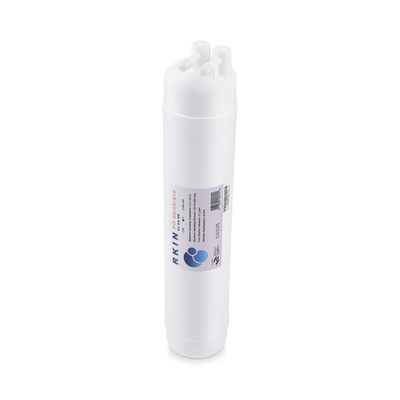
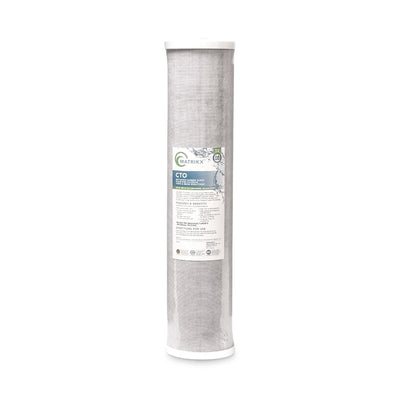
For drinking water, point-of-use treatment is often the first place homeowners look because it treats the water used for drinking, cooking, coffee, and ice. Reverse osmosis can be a strong option when the product’s documents match the contaminant concern. Carbon filtration can be useful for taste, odor, chlorine, and some specific claims, but not every carbon filter is a lead solution.
Whole-house filtration can help with sediment and some water quality issues at every fixture, but a whole-house filter does not replace service line work. If your utility or plumber identifies a lead or galvanized requiring replacement service line, treatment at the tap may be a bridge, not the final fix.
Filters are not a replacement for pipe replacement
A filter can reduce what reaches the glass. It does not remove the old pipe from the ground, change the plumbing history, or stop future disturbance during repairs. That distinction matters when a homeowner is deciding what to do first.
EPA’s lead service line replacement planning guidance notes that certain other pipe materials, including galvanized pipe, can be compromised if only part of a lead service line is replaced. That is why partial fixes can create confusion for homeowners.
If your utility flags your line as lead, galvanized requiring replacement, or unknown, ask for the replacement plan and timeline. Use point-of-use filtration for drinking water where appropriate, but keep the long-term goal in view: identify the pipe material and replace regulated problem lines when required.
Where RKIN fits into the decision
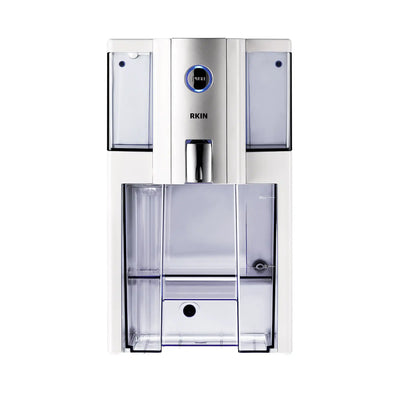
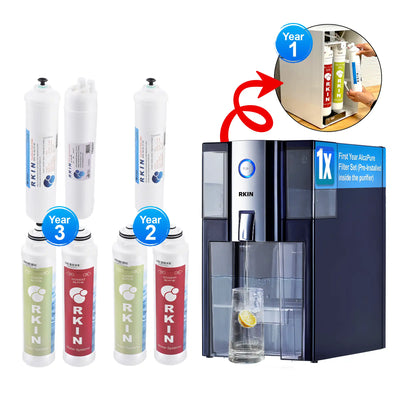
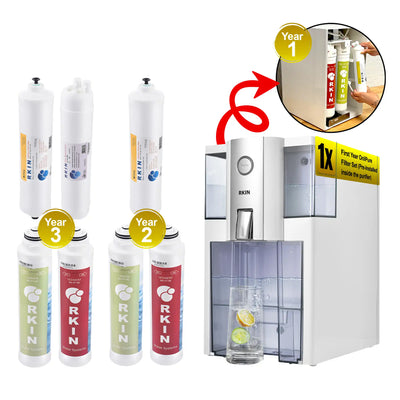
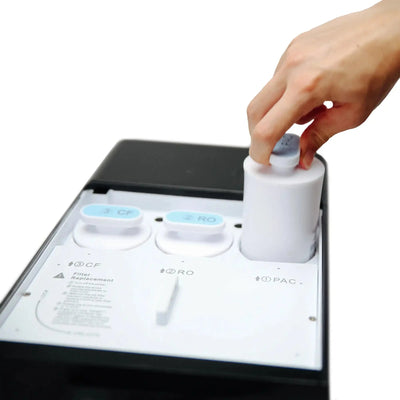
If the concern is drinking and cooking water at one tap, compare point-of-use reverse osmosis first. The RKIN Zero Installation Purifier is a countertop reverse osmosis system for households that want treated drinking water without permanent plumbing changes.
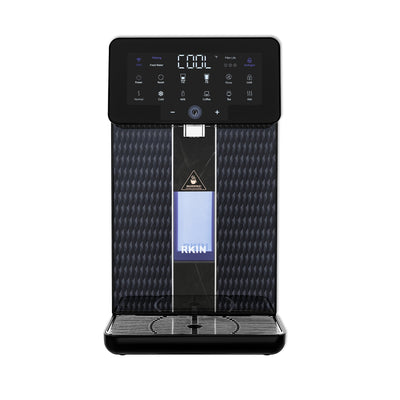
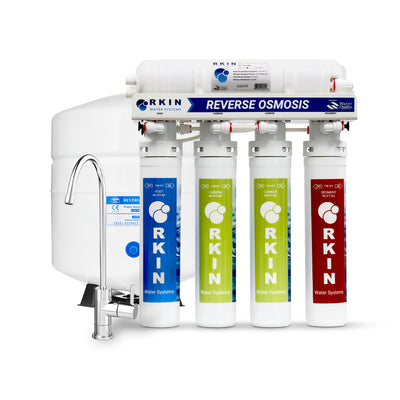
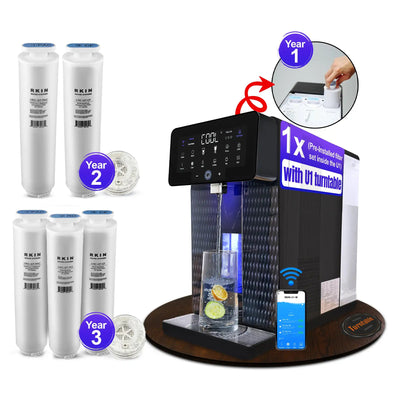
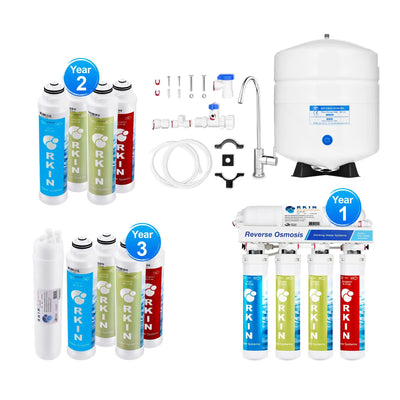
For smaller kitchens, apartments, or homes where a fill-tank design is better, the RKIN U1 4-in-1 Water Filter System is a compact countertop option. If you own the home and want a dedicated installed setup, the RKIN Flash Undersink RO System is the under-sink RO family to review.
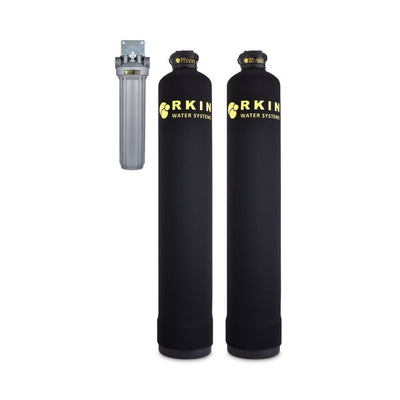
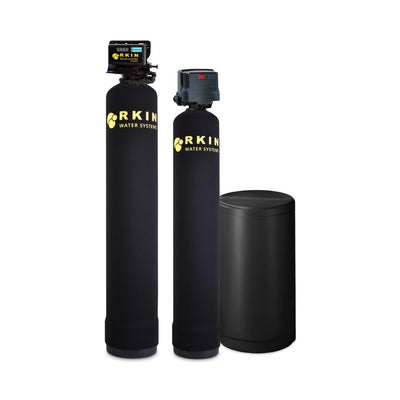
If your issue is whole-home sediment, staining, or broader treatment needs, start with a full water test and the RKIN whole house water treatment category. Do not treat a lead or galvanized service line finding as a general taste problem. Match the system to the actual test result and pipe status.
How to build a safe decision order
The decision order is simple, but most homeowners skip steps because they want a fast product answer.
First, identify the pipe material. Ask the utility about the service line and ask a plumber about indoor visible pipe. Second, test the drinking water at the tap. Third, decide whether the immediate need is point-of-use drinking water treatment, whole-house treatment for sediment or scale, or pipe replacement coordination.
Fourth, choose equipment by documented claims. If lead is the concern, look for lead reduction documentation. If PFAS is the concern, look for PFAS reduction documentation. If the issue is sediment, choose sediment filtration sized for flow and service needs. If multiple issues appear at once, use the full report instead of stacking equipment by guesswork.
Finally, maintain the system. A filter that is not changed on schedule is not a plan. Keep dates, model numbers, test reports, and service records in one place.
What not to do
Do not assume clear water means the plumbing is fine. Lead and many dissolved contaminants are not visible. Do not assume a refrigerator filter answers a lead concern unless the specific cartridge carries the right claim. Do not assume a softener fixes metal pipes. A softener addresses hardness minerals; it is not a lead service line solution.
Do not wait for construction dust, rusty water, or a utility notice before you ask about the service line. If your home is older, the question is worth asking now. And do not choose the biggest whole-house tank simply because the plumbing is old. Start with material identification and test results.
Frequently Asked Questions
Do galvanized pipes contain lead?
Galvanized steel pipe is not the same as lead pipe, but it can still be tied to lead concerns if it is or was downstream of lead service line material. EPA uses a “galvanized requiring replacement” category for certain service lines.
What is the best water filter for galvanized pipes?
There is no single filter for galvanized pipes. If testing shows lead at a drinking water tap, look for a drinking water system with lead reduction documentation. If the problem is sediment or discoloration, the treatment design may be different.
Should I test my water if my home has galvanized plumbing?
Yes. Testing gives you the drinking water result instead of a guess based on pipe age. Ask your utility, local program, or a certified lab which sampling method to use for lead and any other local concerns.
Can reverse osmosis help if I have old pipes?
A point-of-use reverse osmosis system can be a strong drinking water option when its product documents match the concern. It does not replace old pipes or remove a service line, so use it alongside pipe identification and any required replacement plan.
Is a whole-house filter enough for galvanized pipe concerns?
Not always. Whole-house filtration may help with sediment or other whole-home issues, but lead service line and galvanized requiring replacement findings need pipe-status follow-up. Drinking water treatment at the tap is often considered separately.
Ready to Choose the Right Drinking Water Setup?
If galvanized pipes or an unknown service line are on your mind, start with facts: service line status, visible indoor pipe material, and a drinking water test. Then choose treatment that matches the result.
Review the RKIN Zero Installation Purifier for countertop reverse osmosis without permanent plumbing changes, or contact RKIN with your water test so the recommendation starts from your home’s actual water.





0 comentarios