


filtro de agua en el punto de entrada
Point-of-Entry vs Point-of-Use Water Filters: Guide

Most water filter mistakes start with one skipped question: are you trying to treat all the water in the house, or only the water you drink? Those are different jobs.
EPA describes point-of-use and point-of-entry treatment as home-based options for drinking-water treatment. Point-of-use systems treat water where you drink or use it, such as a kitchen sink, countertop reverse osmosis unit, refrigerator line, or dedicated drinking-water faucet. Point-of-entry systems treat water as it enters the home, usually near the water meter, pressure tank, or main line. Once you understand that split, filter shopping gets simpler.
What Point-of-Use Water Filters Do Best
A point-of-use water filter is aimed at one fixture or one daily use. For many households, that means drinking water at the kitchen sink. It may also mean water for coffee, tea, cooking, baby bottles, ice, pet bowls, or a home office kitchenette.
Reverse osmosis is one of the most common point-of-use technologies because it can target dissolved contaminants that basic taste filters may miss. EPA describes a point-of-use reverse osmosis system as a device connected to a single fixture, often under the kitchen sink, where pressure moves water through a semi-permeable membrane. EPA notes that these systems can potentially remove contaminants such as lead, VOCs, PFAS, arsenic, bacteria, and viruses, depending on the system and its claims.
The strength of point-of-use treatment is focus. Instead of treating thousands of gallons used for showers, laundry, toilets, and irrigation, it treats the water most likely to be swallowed. That can be a smart fit when the lab report points to drinking-water contaminants, when the household rents, or when the kitchen is the only location that needs a higher level of treatment.
Point-of-use does have limits. It will not protect the water heater from scale. It will not reduce chlorine odor at every shower. It will not stop sediment from reaching appliances. If the problem is housewide, a single drinking-water filter can leave the rest of the home untouched.
What Point-of-Entry Water Filters Do Best
A point-of-entry system treats water before it branches through the home. That location makes sense for problems that affect plumbing, fixtures, appliances, and multiple rooms.
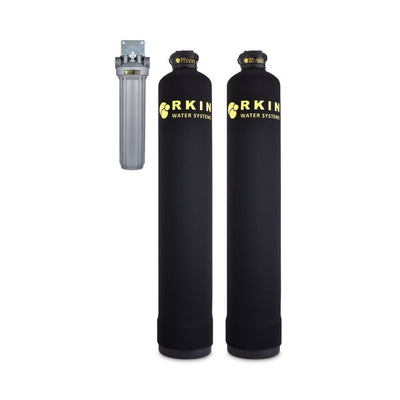
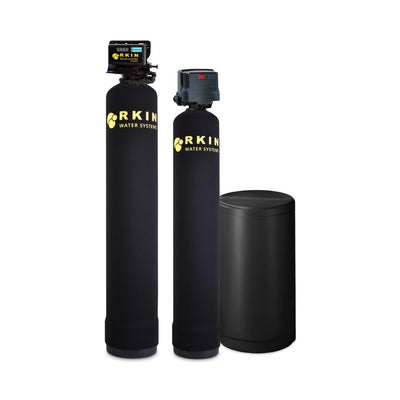
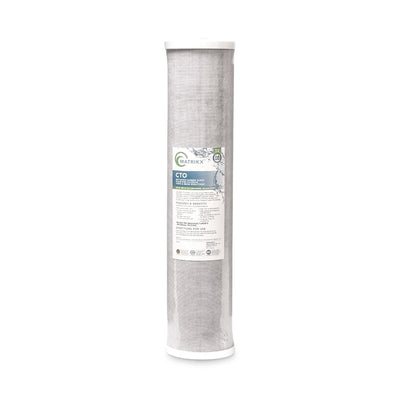
Examples include sediment that clogs faucet aerators, chlorine taste and odor throughout the house, scale that affects water heaters, iron staining, sulfur odor, or whole-home treatment goals after a well test. Point-of-entry systems can include whole-house carbon filters, sediment filters, water softeners, salt-free conditioners, ultraviolet disinfection, specialty media, or staged well-water systems.
The strength of point-of-entry treatment is coverage. It can protect plumbing and improve water at many fixtures, not just one tap. If the laundry smells off, the shower feels different, or appliances are building scale, the problem may not be solved by a kitchen-only system.
Coverage is also why sizing matters. A whole-house system has to keep up with flow. Showers, washing machines, dishwashers, and hose bibs can demand more water than a drinking-water tap. The system must be sized for peak household use, water pressure, incoming water chemistry, and the contaminant goal. A small cartridge installed on a main line can create pressure problems if it is not built for the job.
How to Decide Between the Two
Start with the problem you are trying to solve, not the product category.
If the concern is taste at one faucet, a point-of-use system may be enough. If the concern is PFAS, arsenic, nitrate, lead, or another drinking-water contaminant shown on a lab report, point-of-use reverse osmosis is often the first technology to compare. If the concern is scale, sediment, staining, odor, or appliance protection, point-of-entry treatment deserves a closer look.
Here is a simple way to sort it:
- Choose point-of-use when the issue is mainly drinking and cooking water.
- Choose point-of-entry when the issue affects fixtures, appliances, showers, laundry, or the whole plumbing system.
- Use both when the home has both housewide water problems and drinking-water contaminant goals.
Testing keeps the decision grounded. Public-water customers should review the annual Consumer Confidence Report from the local utility, then test at the tap if they suspect a home plumbing issue. Private well owners should test directly because they do not receive the same routine public-system reporting. EPA says about 10 percent of people in the United States rely on private wells, and those homeowners need to take steps to confirm water quality.
When You Need Both Systems
Many homes benefit from a layered setup. The point-of-entry system handles the water before it reaches the home. The point-of-use system handles drinking and cooking water at the final tap.
A well-water home is a common example. The well may need sediment filtration, iron treatment, pH correction, or disinfection before the water is comfortable for the whole house. The kitchen may still need reverse osmosis for specific dissolved contaminants. One system protects plumbing and fixtures; the other polishes the water used for drinking.
City-water homes can work the same way. A whole-house carbon system may reduce chlorine taste and odor at showers and sinks, while a countertop or under-sink reverse osmosis system gives the family a dedicated drinking-water option. The point is not to buy more equipment. The point is to assign each job to the right location.
Order matters in layered systems. Sediment treatment may need to come before carbon. A softener or conditioner may be placed before certain appliances. Reverse osmosis typically belongs at the final drinking-water tap, not on the main line for every gallon in the house unless the system is specifically engineered for that use. When in doubt, use the lab report and flow requirements to build the order.
Mistakes to Avoid Before You Buy
The first mistake is choosing by filter name alone. “Carbon,” “reverse osmosis,” and “whole house” are broad categories. What matters is the contaminant reduction claim, the standard used for testing, the rated flow, the service life, and whether the system fits your plumbing.
The second mistake is ignoring flow rate. A drinking-water system can run slowly because it only serves a glass, pot, or bottle. A whole-house system must keep up with real household demand. If flow is undersized, the homeowner may notice pressure drops at showers and appliances.
The third mistake is expecting one device to solve unrelated issues. A system that reduces chlorine taste may not reduce arsenic. A sediment filter may protect downstream equipment without changing dissolved contaminants. A water conditioner may help scale behavior without being a drinking-water contaminant filter.
The fourth mistake is skipping maintenance. Filters, membranes, UV lamps, and media beds have service schedules. If the system is left in place after its useful life, performance can fall while the water still looks normal.
How RKIN Fits Point-of-Entry and Point-of-Use Needs
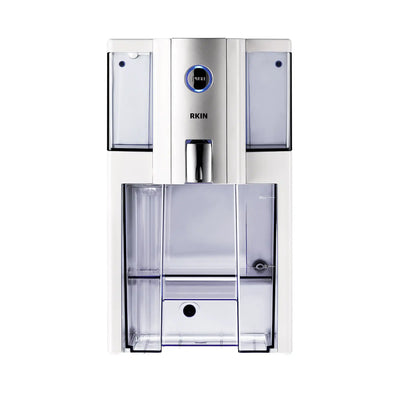
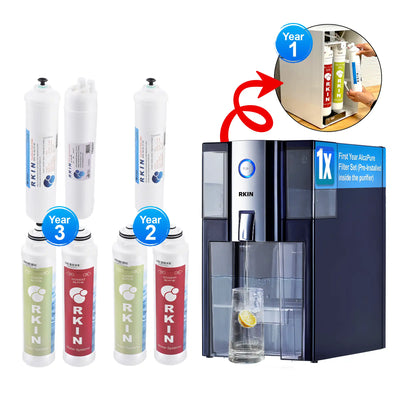
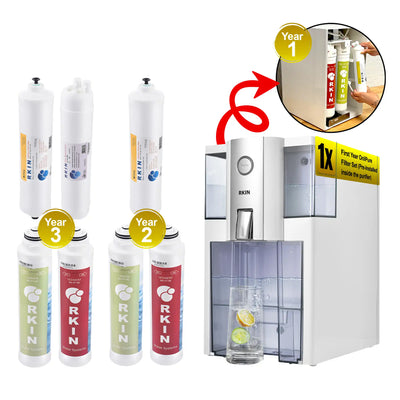
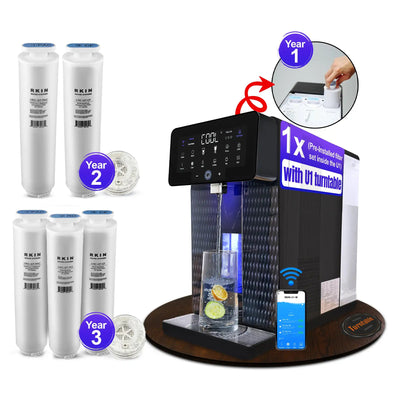
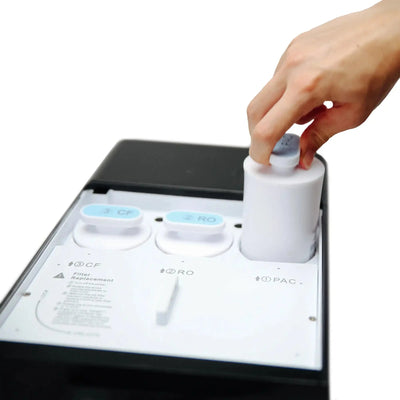
If you want drinking-water treatment without permanent plumbing, the RKIN Zero Installation Purifier Countertop Reverse Osmosis Water Filter is a point-of-use option built for the kitchen counter. It is a strong fit for renters, condos, apartments, and homeowners who want reverse osmosis without drilling a faucet hole.
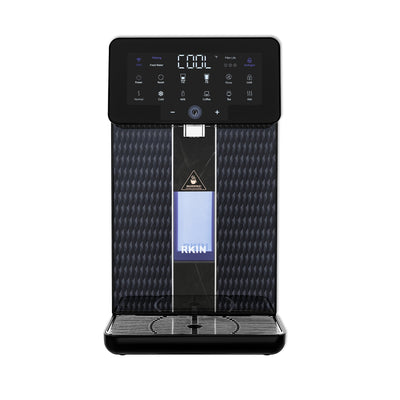
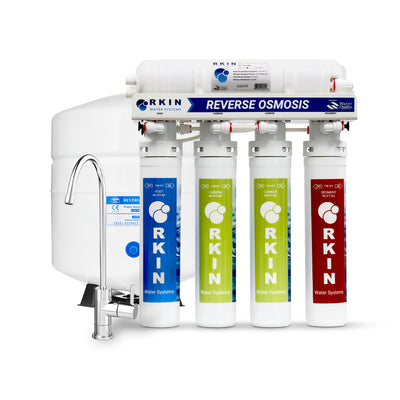
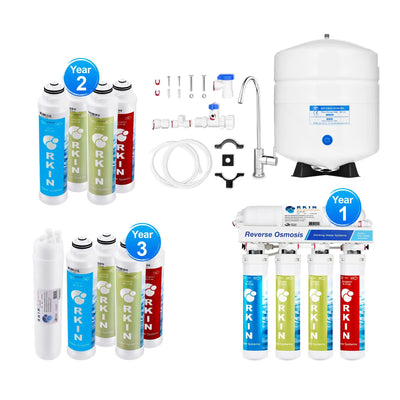
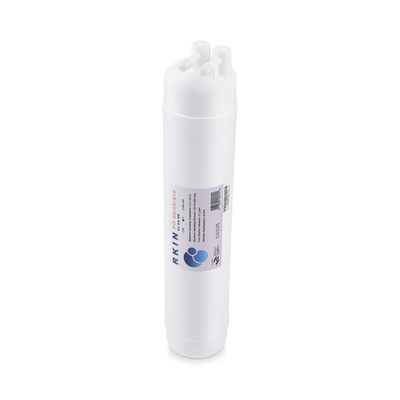
If you prefer an installed drinking-water system, the RKIN Flash Undersink RO System is a point-of-use reverse osmosis setup designed for under-sink installation with a dedicated faucet.
If your problem is housewide, start with the RKIN whole house water treatment collection. Whole-house systems are the right lane for main-line concerns such as sediment, scale behavior, taste and odor across the home, or well-water treatment plans that need staged equipment.
The best setup may be one system or two. The test report decides.
Frequently Asked Questions
What is the difference between point-of-entry and point-of-use water filters?
Point-of-entry systems treat water as it enters the home, before it flows to fixtures and appliances. Point-of-use systems treat water at a single location, such as the kitchen sink, countertop, refrigerator line, or dedicated drinking-water faucet.
Is reverse osmosis point-of-entry or point-of-use?
Most home reverse osmosis systems are point-of-use systems. They are commonly installed under a sink, connected to a single fixture, or used as countertop systems. Whole-home reverse osmosis exists, but it is a larger engineered setup and not the default choice for most homes.
Do I need a whole-house filter if I already have reverse osmosis?
Maybe. Reverse osmosis at the kitchen tap can improve drinking and cooking water, but it does not treat showers, laundry, appliances, or the water heater. If your issues are scale, sediment, staining, or odor throughout the house, a whole-house system may still be useful.
Do I need reverse osmosis if I already have a whole-house filter?
A whole-house filter may improve water across the home, but it may not reduce the specific dissolved contaminants you care about in drinking water. If your lab report shows PFAS, arsenic, nitrate, lead, or similar drinking-water concerns, compare point-of-use reverse osmosis claims.
Where should a point-of-entry system be installed?
Point-of-entry systems are usually installed near the main water line, after the pressure tank for well homes or near the water meter for municipal homes. The exact order depends on the water chemistry, pressure, flow rate, and equipment type.
What should I test before choosing a system?
City-water customers should start with the local water quality report and then test at the tap if home plumbing may be adding issues. Private well owners should test for bacteria, nitrates, total dissolved solids, pH, and any regional contaminants suggested by the health department or lab.
Ready to Match the Filter to the Job?
Decide where the problem lives first. Drinking-water concerns point toward point-of-use reverse osmosis. Whole-home symptoms point toward point-of-entry treatment. Some homes need both.
Compare the RKIN Zero Installation Purifier Countertop Reverse Osmosis Water Filter, the RKIN Flash Undersink RO System, and RKIN whole-house options to build a setup around your actual water test.






0 comentarios