


carbon filter vs RO
Reverse Osmosis vs Carbon Filter: Which Do You Need?

Most homeowners do not need “the strongest filter.” They need the right filter for the problem. That is the difference between reverse osmosis and carbon filtration. One is usually a drinking-water tool for a wide range of dissolved contaminants. The other is often the workhorse for chlorine taste, odor, and many whole-home filtration jobs.
The mistake is treating them like competitors. In many homes, reverse osmosis and carbon filtration solve different parts of the same water-quality puzzle.
The Short Answer
Choose reverse osmosis when the main question is drinking water quality at the kitchen sink. Choose carbon filtration when the main question is taste, odor, chlorine, or whole-home treatment. If your water report lists a specific contaminant, choose the system that has published performance data for that contaminant.
That last sentence matters. The EPA regulates drinking water contaminants by category, including microorganisms, disinfectants, disinfection byproducts, inorganic chemicals, organic chemicals, PFAS, and radionuclides. No single home filter should be expected to do everything equally well.
A better buying question is not “Which filter is best?” It is “What am I trying to reduce, and where do I need the water treated?”
What Carbon Filters Do Well
Carbon filtration is one of the most common technologies in home water treatment because it is practical and effective for many everyday complaints. If your tap water tastes like chlorine, smells like a swimming pool, has an earthy taste in summer, or needs broad taste-and-odor improvement, carbon is often the first category to review.
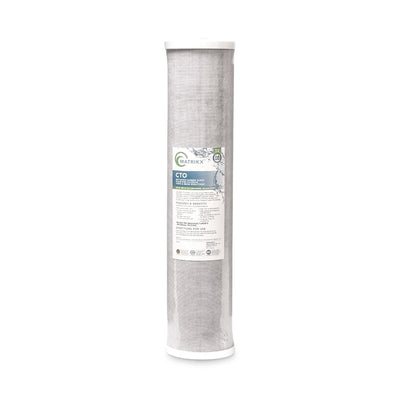
Carbon works by adsorption. Water passes through carbon media, and certain compounds stick to the carbon surface. That makes carbon useful for many taste, odor, chlorine, and organic chemical concerns. It is also why carbon appears in many different formats: refrigerator filters, pitcher filters, undersink cartridges, countertop systems, and whole-house tanks.
But carbon is not magic. Performance depends on media quality, contact time, flow rate, contaminant type, and maintenance. A small carbon filter on a fast-flowing faucet is not the same as a properly sized whole-house carbon system. A filter that is past its service life is not the same as a fresh one.
Carbon is usually a better fit when:
- The main complaint is chlorine taste or odor.
- You want better water at every fixture, not only one drinking tap.
- The issue involves many taste-and-odor problems rather than dissolved minerals.
- A lab or water professional recommends carbon for the specific result.
For whole-home use, sizing matters. Showers, laundry, dishwashers, and multiple bathrooms demand a different flow rate than a single glass at the kitchen sink.
What Reverse Osmosis Does Well
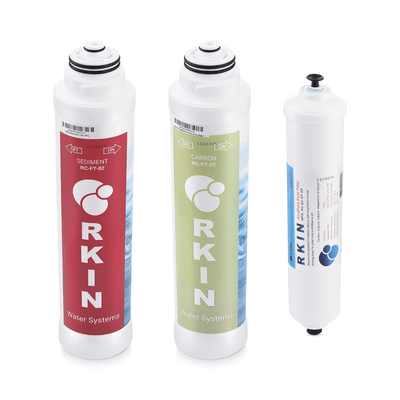
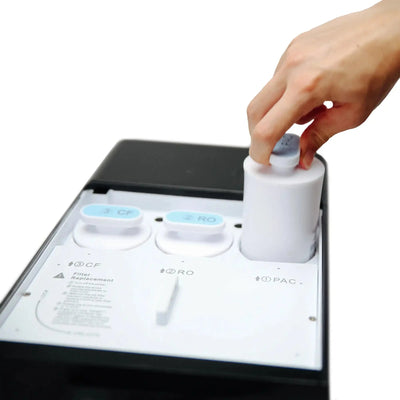
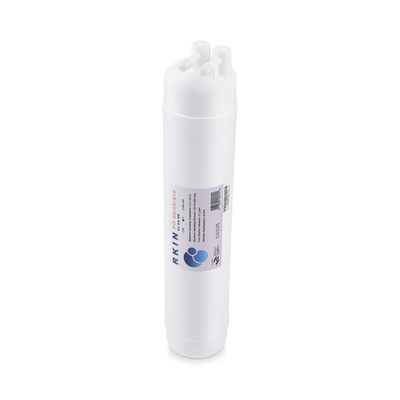
Reverse osmosis is usually a point-of-use drinking-water system. Water is pushed through a semi-permeable membrane, and that membrane separates many dissolved substances from the finished drinking water. RO systems often pair the membrane with prefilters and postfilters, including carbon stages, because the full system matters more than the membrane alone.
Homeowners often look at reverse osmosis when they care about drinking and cooking water, want a lower-TDS taste profile, or have concerns that are not solved by taste-and-odor filtration alone. RO is also common when people want a more serious alternative to buying bottled water, especially in apartments, rentals, and kitchens where a whole-home project would be overkill.
The trade-off is location. A countertop or undersink RO system treats water at that point. It does not treat every shower or washing machine. That is not a flaw if your goal is drinking water. It is a mismatch if your actual problem is every fixture in the house.
Reverse osmosis is usually a better fit when:
- You mainly want treated water for drinking, coffee, tea, cooking, or baby formula prep.
- Your concern includes dissolved contaminants that a simple taste filter may not address.
- You want a countertop or undersink solution instead of a whole-home installation.
- You are comparing home filtration against bottled water habits.
If you have a lab report, read the system’s published data instead of assuming all RO systems perform the same.
Why the PFAS Rule Changed the Conversation
PFAS pushed many homeowners to look beyond taste and odor. In April 2024, the EPA finalized national drinking water standards for six PFAS. Public water systems have compliance timelines, but homeowners did not suddenly stop asking what they can do at the kitchen sink.
That does not mean every home needs the same system. A PFAS concern is a good example of why “carbon filter vs reverse osmosis” is too simple. Some carbon systems can reduce certain PFAS under the right design and maintenance conditions. Some reverse osmosis systems are also used for PFAS reduction at the drinking-water tap. The deciding factor should be the product’s test data and your water source, not a generic category label.
For private wells, the decision starts even earlier: test first. EPA notes that private well owners are responsible for their own testing and treatment choices. If you do not know what is in the water, you are choosing based on fear or taste instead of facts.
Point-of-Use vs Whole-House Filtration
This is the decision that clears up most confusion.
Point-of-use filtration treats water at one location. A countertop reverse osmosis system, an undersink reverse osmosis system, or a dedicated drinking-water filter all fit this category. This approach makes sense when you mainly care about the water you drink and cook with.
Whole-house filtration treats water as it enters the home, before it reaches fixtures. This approach makes sense when the issue is throughout the house: chlorine smell in showers, sediment at multiple taps, taste and odor from every faucet, or a lab result that calls for home-entry treatment.
Here is the honest version: you may need one, both, or neither. A homeowner with acceptable utility water but bad chlorine taste may be happy with carbon. A renter who wants better drinking water may prefer countertop reverse osmosis. A private-well owner with whole-home odor plus drinking-water concerns may need a staged plan.
Do not let the system category make the decision for you. Let the water report and the use case do that.
Where RKIN Fits
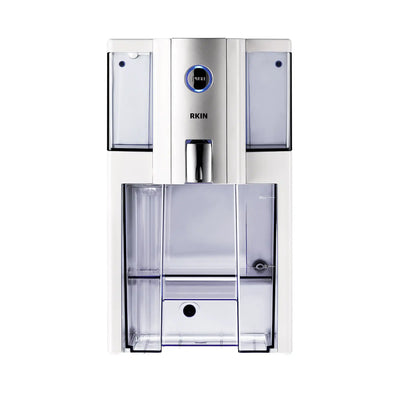
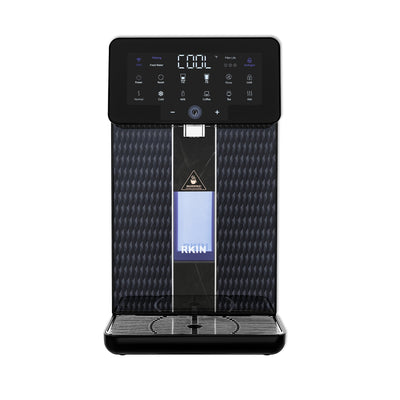
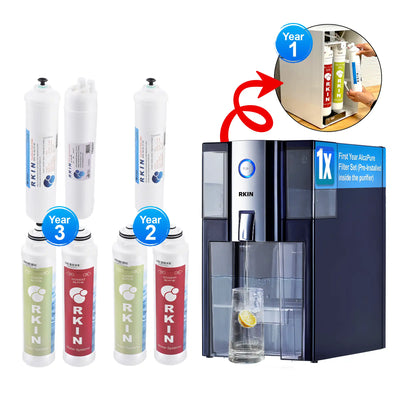
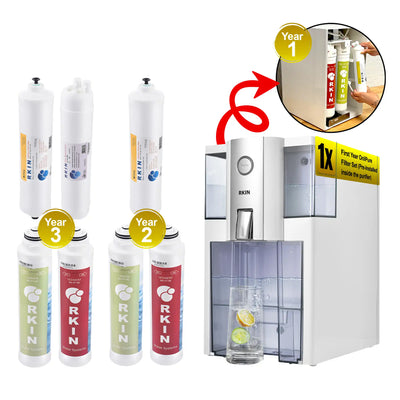
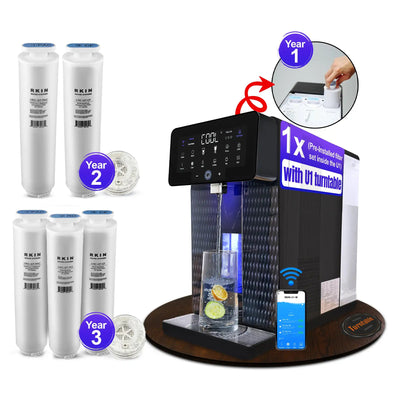
If you want drinking water without a plumbing project, the RKIN Zero Installation Purifier is designed as a countertop reverse osmosis option for homes, apartments, and rentals. If you want a countertop unit with a fill tank and added features, compare the RKIN U1 4-in-1 Water Filter System.
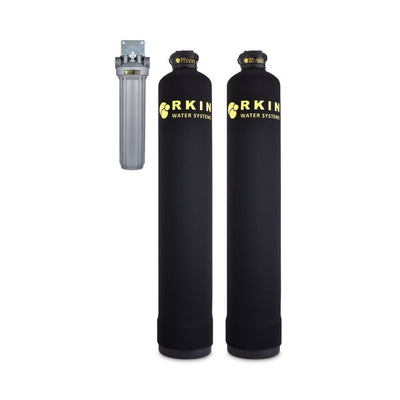
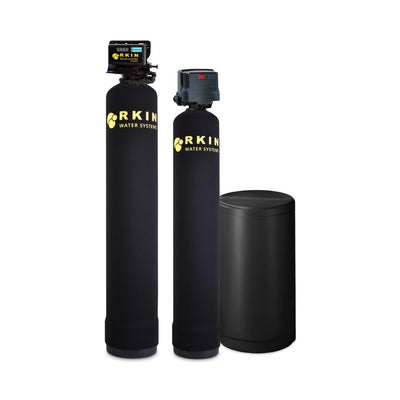
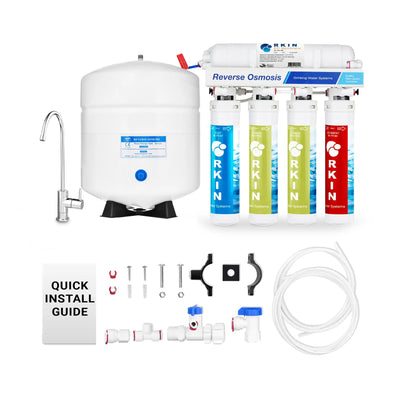
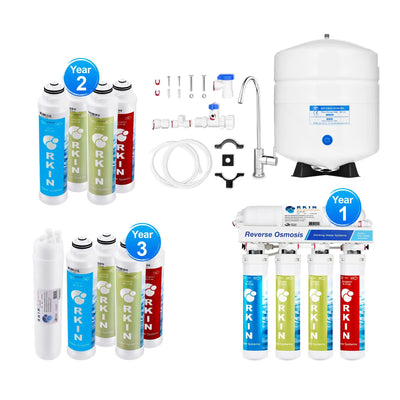
If you prefer an undersink setup, the RKIN Flash Undersink RO System connects to the cold-water line and stores treated water in its compact tank. If the issue is whole-home taste, odor, or carbon filtration at every fixture, review the RKIN Whole House Water Filter System instead.
The right answer may be smaller than you think. If the problem is drinking water, start there. If the problem follows you to every room, look at the whole home.
How to Choose Without Overbuying
Use this order.
First, identify the symptom or contaminant. Taste and odor complaints point in one direction. A water report with specific contaminants points in another. A private-well owner near a known risk source should not skip testing.
Second, decide where treatment is needed. One drinking tap is a point-of-use problem. Every fixture is a whole-house problem.
Third, check the product’s performance information. Avoid vague phrases like “removes impurities” unless the product also explains what that means. Strong water-treatment decisions are specific.
Fourth, check maintenance. A system that looks good on day one still needs filter changes, membrane service, or media service. If you will not maintain it, it will not perform as intended.
Finally, avoid buying for someone else’s water. Your neighbor’s perfect system may be wrong for your water source, plumbing, and goals.
Frequently Asked Questions
Is reverse osmosis better than a carbon filter?
Not automatically. Reverse osmosis is usually better for point-of-use drinking water when the concern includes dissolved contaminants. Carbon is often better for taste, odor, chlorine, and whole-home filtration. The better system is the one that matches your water report and use case.
Do carbon filters remove PFAS?
Some carbon systems can reduce certain PFAS when properly designed, sized, and maintained, but you should not assume every carbon filter does. Look for product-specific testing or performance data for the PFAS compounds you are concerned about.
Does reverse osmosis include carbon filtration?
Many reverse osmosis systems include carbon stages before or after the RO membrane. The carbon can help with taste, odor, and membrane protection, while the membrane handles a different part of the job. Read the system design, not just the product name.
Do I need whole-house reverse osmosis?
Most homeowners do not start there. Whole-house reverse osmosis is a much larger project and is usually reserved for specific water conditions. For many homes, point-of-use reverse osmosis for drinking water plus whole-house carbon or sediment filtration, if needed, is a more practical path.
Which is better for apartments: RO or carbon?
For apartments and rentals, countertop reverse osmosis is often the cleaner fit when drinking water is the goal because it does not require a plumbing project. Carbon can still help with taste and odor, but match the filter to the contaminant concern.
Ready to Pick the Right System?
Start with the problem, not the product category. If you want better drinking water at the kitchen counter, compare the RKIN Zero Installation Purifier. If you want an undersink reverse osmosis setup, review the RKIN Flash Undersink RO System. If the issue affects the whole home, start with the RKIN Whole House Water Filter System.





0 comentarios