


fall well water testing
Fall Well Water Testing Checklist Before Winter Hits

Fall is one of the best times to check private well water because it sits between summer storms and winter access problems. If the well cap, casing, pressure tank, or treatment equipment needs attention, it is easier to fix before cold weather turns a small issue into an urgent one.
Private wells are different from city water. EPA rules that apply to public drinking water systems do not cover privately owned wells, and the homeowner is responsible for testing, treatment, and maintenance according to EPA private well guidance. Use this checklist to decide what to test, what to inspect, and when a filter quote should wait for better lab data.
Why Fall Well Water Testing Matters
Many well problems show up after seasonal stress. Summer drought can concentrate minerals. Heavy rain can move surface water toward a poorly sealed well. Yard work, construction, septic work, flooding, and nearby agricultural activity can all change what reaches the aquifer or the wellhead.
Winter adds a different problem: access. If your well is hard to reach after snow, freezing rain, or saturated ground, fall is the practical window for inspection, sampling, and repair. Testing now also gives you time to compare treatment options without rushing.
EPA advises private well owners to test their water regularly and pay extra attention after changes near the well, flooding, repairs, or land disturbances in its well testing guidance. That annual baseline is the starting point. You may need added tests based on location, geology, nearby land use, and symptoms in the home.
Good fall testing does three things:
- Confirms whether the well is still sealed and sanitary.
- Identifies dissolved minerals or contaminants before choosing treatment.
- Creates a baseline you can compare after storms, repairs, or future filter changes.
The key is to test first, then size treatment from evidence.
Start With a Visual Wellhead Inspection
Before you collect a sample, look at the well itself. You are checking whether outside water can enter the well or pool around it.
Walk the area after rain if you can do it safely. The ground should slope away from the casing. The cap should be secure, vented, and in good condition. The casing should rise above the ground far enough to reduce surface-water entry, based on local code. Keep mulch, leaves, animal waste, chemicals, and stored materials away from the wellhead.
Also look for recent changes near the well. New landscaping, drainage work, driveway grading, septic repairs, pesticide use, or construction can all affect what you should test. If the cap is cracked, loose, buried, or surrounded by ponding water, address that before interpreting a single lab result as a filter problem.
Take photos during the inspection. A water treatment specialist can learn a lot from pictures of the wellhead, pressure tank, pipe layout, existing filters, and any staining around fixtures.
The Basic Fall Well Water Test Panel
For most homes, the annual test should include total coliform bacteria, E. coli when indicated by the lab panel, nitrate, nitrite, pH, total dissolved solids, hardness, iron, manganese, turbidity, and conductivity. Local conditions may call for arsenic, lead, copper, sulfate, chloride, sodium, uranium, radon, pesticides, volatile organic compounds, or PFAS.
Do not guess based on taste alone. Clear water can still contain contaminants that have no smell or color. Staining can point toward iron or manganese, but a lab test tells you the level and helps separate one issue from another.
Use a certified lab when possible. Follow the bottle instructions exactly. Some samples need to stay cold. Some bottles contain preservatives. Bacteria samples usually have short hold times, so plan the drop-off before collecting.
If your area had flooding, septic failure, nearby land disturbance, or a known spill, ask your local health department which added tests make sense. EPA advises extra attention when conditions near a private well change, including flooding, land disturbances, new construction, or industrial activity in its homeowner well guidance.
Test at the Right Faucet
Sampling location can change the result. For a raw well sample, you usually want water before treatment equipment, softeners, carbon filters, or reverse osmosis systems. Many homes have a sampling port near the pressure tank or before the treatment train.
For tap-specific concerns, test at the faucet you actually use. Lead and copper can come from plumbing, so a kitchen tap sample may matter more than a raw sample. For bacteria, labs often provide special instructions, including whether to remove aerators and disinfect the faucet before sampling.
Label samples carefully. Write down whether each bottle came from raw water, treated water, kitchen cold tap, refrigerator line, outdoor spigot, or another location. Without that note, the result can be hard to use.
If you already have filters, sample both before and after the equipment when troubleshooting. That shows whether the water source changed or the treatment equipment is no longer doing its job.
Match Common Results to Treatment Clues
Lab results do not automatically tell you which system to buy, but they narrow the options.
Low pH can point to corrosive water, which may affect plumbing metals. High hardness can leave scale on fixtures, water heaters, and appliances. Iron and manganese can stain sinks, tubs, laundry, and toilet bowls. Hydrogen sulfide odor often needs a different plan than simple sediment. High total dissolved solids may push the conversation toward reverse osmosis for drinking water.
Bacteria results require caution. If total coliform or E. coli is present, contact your local health department or lab for next steps. A filter quote should not replace well repair, shock chlorination when advised by local experts, or repeat testing after corrective action.
Arsenic, nitrate, PFAS, uranium, and other dissolved contaminants need targeted treatment. A whole-house sediment filter is not the same as drinking water reverse osmosis, and a water softener is not a cure-all. Use the test data to match the technology to the contaminant.
If you see several issues at once, sequence matters. Sediment may need to be handled before carbon or specialty media. Iron or manganese may need pretreatment before other equipment. Flow rate and pressure also matter because an undersized whole-house filter can create frustrating pressure drops.
When Whole-House Treatment Makes Sense
Whole-house treatment makes sense when the issue affects water throughout the home. Examples include sediment, iron staining, hardness clues, chlorine or odor concerns, and water that impacts showers, laundry, appliances, or fixtures.
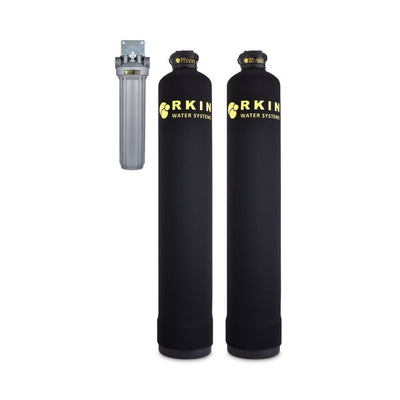
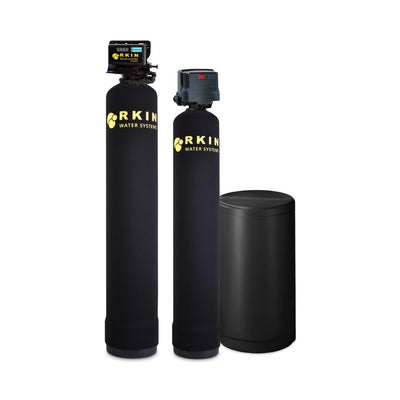
The RKIN whole-house water treatment collection is the right place to start when your goal is treating water before it reaches every room. The best setup depends on the lab panel, water source, number of bathrooms, flow rate, and existing plumbing.
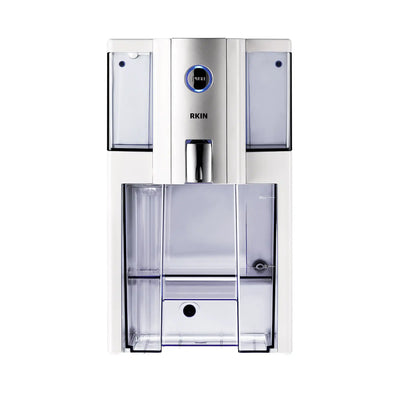
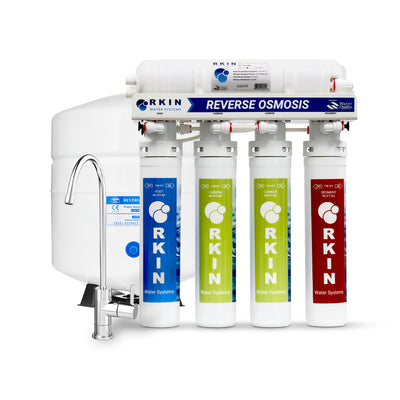
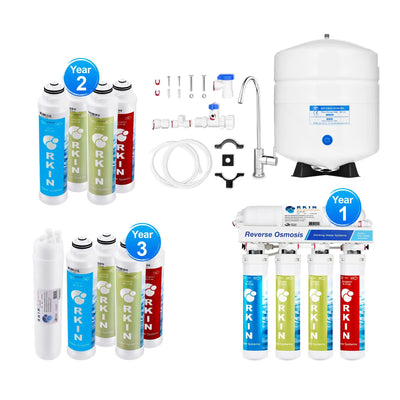
For drinking-water contaminants, whole-house treatment may not be the only answer. Many homeowners pair whole-house treatment for home-wide issues with a point-of-use reverse osmosis system for drinking and cooking water. If your test shows high dissolved solids or contaminants better suited to RO, compare the RKIN Zero Installation Purifier for countertop use or the RKIN Flash Undersink RO System for a built-in sink setup.
The goal is not the biggest system. The goal is the right system for the test result and the home.
Build a Fall Maintenance File
A good well file prevents repeat guessing. Keep the lab report, sample locations, photos, installation manuals, filter model numbers, replacement dates, pressure readings, and notes about taste, odor, staining, or weather events.
Add a simple yearly log:
- Date sampled.
- Lab used.
- Sample points.
- Results above normal or near a guideline.
- Repairs made.
- Filters changed.
- Any storms, flooding, construction, or septic work nearby.
This file helps you see patterns. If iron rises each fall, if bacteria appears after heavy rain, or if pressure drops after a new cartridge, you will have evidence instead of memory.
It also helps when you request a treatment quote. A complete lab panel and a few photos can save time and prevent an underbuilt or overbuilt system.
Frequently Asked Questions
How often should I test private well water?
At minimum, test once per year for total coliform bacteria, nitrate, total dissolved solids, and pH. Test sooner after flooding, well repairs, nearby construction, septic issues, sudden taste or odor changes, or if local health officials recommend extra screening.
Is fall a good time to test well water?
Yes. Fall gives homeowners time to inspect the wellhead, collect samples, review lab results, and fix equipment before winter weather makes access harder. It also follows the summer storm season in many areas, which can reveal drainage or well-seal issues.
What should be included in a well water test?
A practical starting panel includes total coliform bacteria, nitrate, nitrite, pH, total dissolved solids, hardness, iron, manganese, turbidity, and conductivity. Your location may also call for arsenic, lead, copper, uranium, radon, PFAS, pesticides, or volatile organic compounds.
Can I use a home test strip for well water?
Home strips can give rough clues for items like hardness or pH, but they are not a replacement for a certified lab panel when you are making treatment decisions. Lab results are more useful for sizing systems and identifying contaminants that strips do not cover.
Should I test before or after my existing filters?
For source-water decisions, test before treatment when possible. For troubleshooting, test before and after the equipment. For drinking-water concerns at the kitchen sink, a tap sample can show what reaches the glass after plumbing and fixtures.
What if bacteria shows up in my well test?
Contact your local health department, certified lab, or well professional for next steps. You may need well inspection, corrective work, disinfection, and repeat testing. Do not rely on a filter purchase alone until the source of contamination is understood.
Ready to Plan a Better Well Water Setup?
Start with the test. A fall well water panel gives you a cleaner path to the right treatment choice and helps you avoid buying equipment that does not match the problem.
If your results point to home-wide treatment, review RKIN whole-house water treatment options or contact RKIN with your lab report and photos so the next step is based on evidence.





0 comments