


first 30 days homeowner
First 30 Days in a New Home: Water Baseline Plan

The first month in a new home is a good time to build a water baseline before changing equipment. A calendar-based plan prevents the first taste complaint, sales visit, or old filter label from driving the entire decision.
During the first 30 days, identify the source, save official records, map existing devices, inspect visible plumbing, record symptoms by fixture, and test only the questions the available records cannot answer.
Days 1–3: Confirm the Water Source
Your first question is not "which filter should I buy?" It is "where does this water come from?"
If the home is on a public water system, the utility must provide an annual Consumer Confidence Report. EPA's Consumer Confidence Report page explains that these reports help residents learn about local drinking-water quality. The report can show detected contaminants, water source, violations, and required notices.
If the home has a private well, the responsibility changes. EPA's private well guidance says private wells are not covered by EPA drinking-water regulations, so owners need to maintain and test their own water supply.
Some homes use city water for the house and a well for irrigation. Some rural homes have a well, pressure tank, treatment equipment, and old cartridges the seller stopped maintaining. Some homes have a filter housing that looks useful but has no label, no service date, and no replacement record. Document the source before you decide anything.
Days 4–7: Read the Utility Report or Well Records
A water report is not a shopping list, but it is the best starting point for city water.
Look for the reporting year first. A report for last year is normal because utilities summarize tested data from the prior period. Next, scan the detected substances table. Do not panic because something is detected. Focus on the measured level, the legal limit, and whether the report lists any violations or notices.
Then look for the details a report may not answer for your exact house. A city report reflects the distribution system. It may not reveal what happens inside your service line, old plumbing, or fixture aerators. EPA's lead in drinking water guidance explains that lead can enter water from plumbing materials such as pipes, faucets, fixtures, and lead service lines. That makes house-specific plumbing age relevant.
For a new homeowner, the goal is not to become a water chemist. The goal is to make a short list: taste and odor, hardness and scale, sediment, lead or older plumbing concerns, PFAS, nitrates, arsenic, well bacteria indicators, or another concern shown by your source water.
Week 2: Test Questions the Records Cannot Resolve
The right test depends on the source.
For city water, start with the CCR, then test at the tap if the house has older plumbing, a lead service line concern, unusual taste, visible sediment, or recurring staining. A tap sample can show what is reaching your faucet after water passes through the home's plumbing.
For private well water, use a certified lab. At minimum, many well owners test for bacteria indicators, nitrate, pH, total dissolved solids, hardness, iron, manganese, and any local concerns. If the home is near agriculture, industry, flooding, a fuel tank, septic issues, or old treated lumber, ask the local health department or lab what to add.
The EPA WaterSense guide to selecting water treatment systems gives a buying rule worth following: confirm the target contaminant or water issue first, then check whether a treatment technology and performance data sheet match that target.
Do not use taste as the only test. Chlorine taste can be annoying without signaling a violation. Clear water can still need testing. Cloudy water can be air, mineral content, sediment, or a plumbing change. Testing gives you a cleaner decision.
Week 3: Map Drinking-Water and Whole-Home Needs
Water filters are not interchangeable. The location matters as much as the technology.
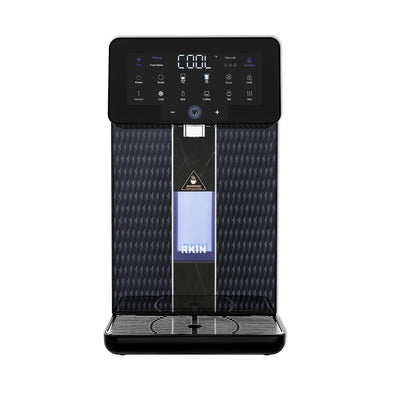
Point-of-use systems treat water at one location. A countertop reverse osmosis system treats drinking water without permanent installation. An under-sink reverse osmosis system treats the kitchen tap and usually sends filtered water to a dedicated faucet. These are good fits when the main concern is water for drinking, coffee, ice, baby formula preparation, pets, and cooking.
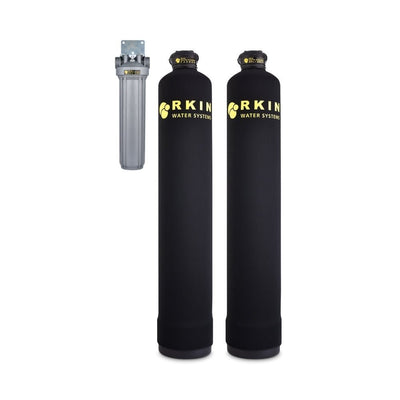
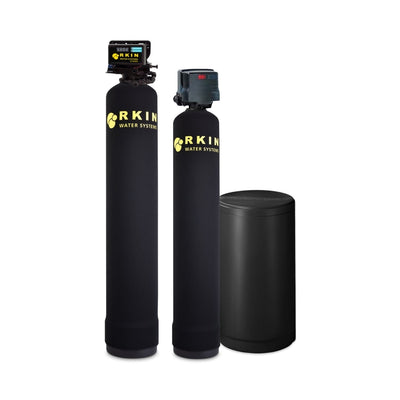
Whole-home systems treat water where it enters the house. They are better fits when the problem shows up everywhere: chlorine odor in showers, sediment at multiple fixtures, scale on glass, hard-water spotting, or well-water treatment needs. Whole-home treatment is also the category to review when you want laundry, showers, appliances, and fixtures included.
A filter pitcher is easy to start with, but it may not match your target concern, household volume, or maintenance preference. A refrigerator filter can help with water and ice from that appliance, but it does not treat cooking water from the sink or water used elsewhere in the home. A shower filter is not a whole-home treatment plan.
The checklist is simple: choose the treatment point after you know where the symptom appears.
Where RKIN Fits After the Baseline
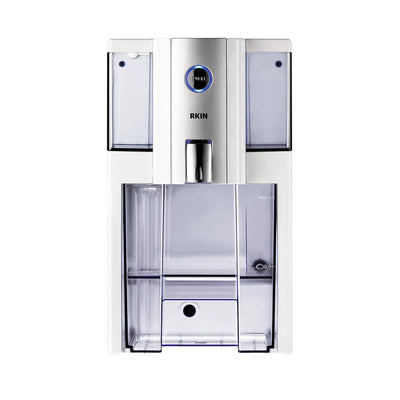
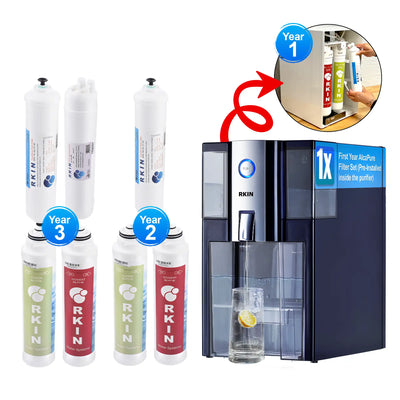
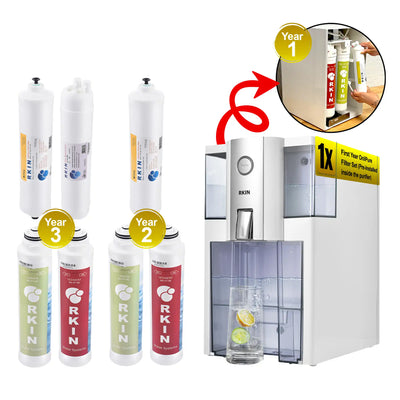
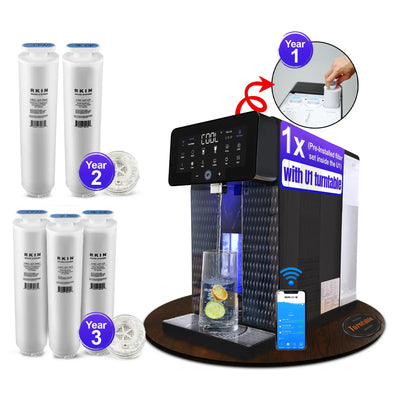
For renters, condos, and new homeowners who want better drinking water without drilling or plumbing work, the RKIN Zero Installation Purifier Countertop Reverse Osmosis Water Filter is the easiest RKIN path to review. It is a countertop RO system: fill the lower container, press the button, and use the treated water from the top container.
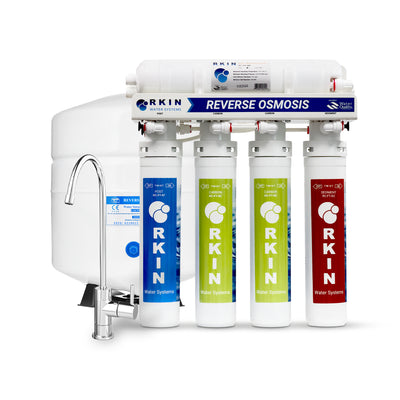
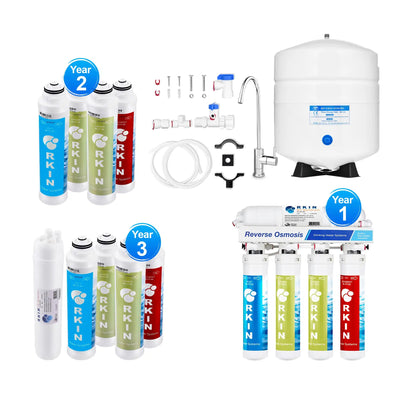
For homeowners who want a built-in drinking-water setup at the kitchen sink, the RKIN Flash Undersink RO System is the under-sink option. It connects to the cold-water line and uses a storage tank with a dedicated faucet.
For house-wide symptoms, start with RKIN's whole house water treatment collection. That is where to review options for city-water taste and odor, scale control, softening, sediment, or broader incoming-water treatment needs.
If you already have lab results, send them through RKIN support. The best recommendation changes when the test shows hardness versus iron, city chlorine versus well sediment, or drinking-water concerns versus whole-home behavior.
Week 4: Review Patterns and Set Priorities
Use the first month in the home to collect clues.
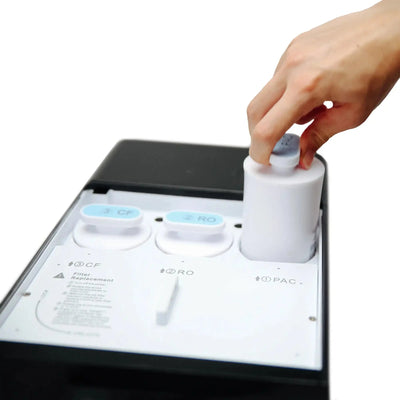
Walk the plumbing. Find the water main, shutoff valve, pressure tank if there is a well, existing filter housings, water heater, softener or conditioner, drain lines, and any unlabeled equipment. Take photos of labels and cartridges. Write down service dates if they are visible.
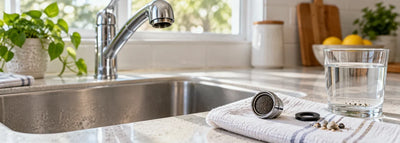
Check fixtures. Remove a few faucet aerators and look for grit. Watch whether hot water looks different from cold water. Note whether one tap tastes different from another. Check toilets, tubs, shower heads, dishwasher glassware, and humidifiers for staining or scale.
Track timing. Does odor appear after water sits overnight? Does sediment show after a storm? Does pressure drop when two fixtures run? Does the shower door spot within a day? These clues help separate a fixture issue from a source-water issue.
Then make the purchase decision. If the problem is only drinking water, choose a point-of-use system. If the problem is house-wide, review whole-home treatment. If the water source is a private well, do not skip lab testing before choosing equipment.
Keep a One-Page Water Baseline
Create a note with the utility name or well details, service address, report year, water-heater type, visible treatment equipment, filter model numbers, and the date each component was last serviced.
Record observations by location. A problem at one faucet suggests a different investigation from the same problem at every cold tap.
- Photograph current filters, bypass valves, labels, and plumbing connections.
- Save the utility report and any recent well test.
- Check for leaks, corrosion, sediment, scale, and unusual odors.
- Flush unused lines and clean faucet aerators.
- Test selectively after defining the unresolved question.
- Prioritize safety instructions and active leaks before aesthetic preferences.
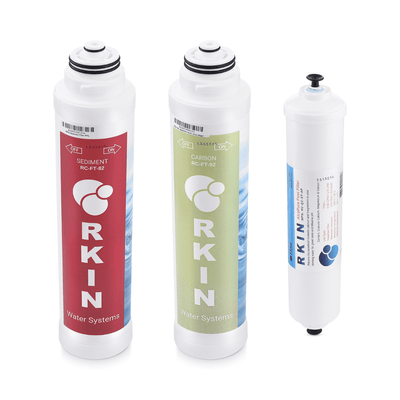
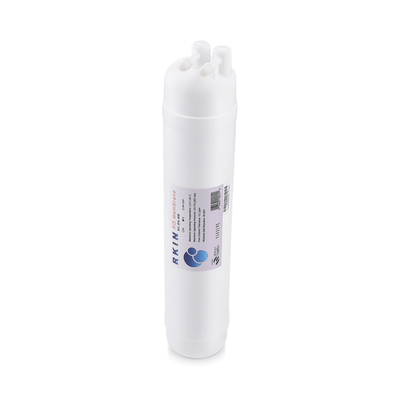
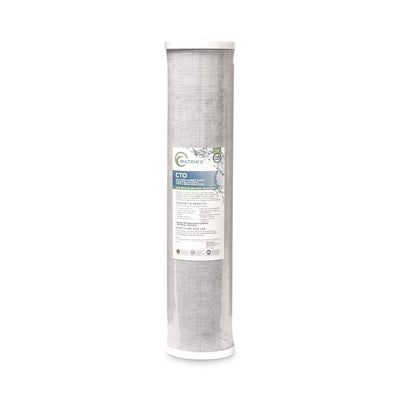
At day 30, separate maintenance tasks from treatment purchases. Replace neglected cartridges and service known equipment before attributing every symptom to the source water.
Set a Baseline Review Date
Schedule a review for the end of the first month. Bring together the report, test results, maintenance receipts, photographs, and fixture notes. Rank issues as urgent repair, routine service, drinking-water preference, or whole-home treatment question. That prevents unrelated observations from being bundled into one oversized purchase.
Frequently Asked Questions
What water information should I collect on move-in day?
Record the source, utility or well details, existing equipment, filter models, service dates, and any seller or inspection records.
Should I test city water at the tap?
A targeted tap test can help when building plumbing, a specific contaminant, or a local symptom is not answered by the utility report.
What should a private-well owner test first?
Follow local health guidance and use a qualified laboratory. Core testing commonly includes microbial indicators and chemistry relevant to the area.
Why should I map symptoms by faucet?
A one-fixture issue can point to an aerator, hose, washer, or local line, while a whole-home pattern suggests a broader source.
When should I choose a treatment system?
After immediate repairs and safety questions are handled and the source, test result, or verified treatment goal is clear.
Choose Equipment From the Baseline
RKIN can help compare drinking-water and whole-home options after the first-month record separates source-water needs from local plumbing issues. Size and select the exact model from measured conditions, not a generic checklist.




0 comments