
chloride in well water
Salty Well Water: What to Test Before Buying a Filter

Salty well water usually points to elevated chloride, sodium, or total dissolved solids. Test the water before buying equipment because a softener, carbon filter, and reverse osmosis system solve different problems.
That detail matters because a salty well problem is easy to misread. The water can look clear. It can pass through a sediment cartridge. It can run through a basic carbon pitcher and still taste like someone added a pinch of table salt. The fix starts with a lab test, not a guess.
Why Well Water Starts Tasting Salty
Salty well water usually means dissolved minerals are in the water supply. The common suspects are chloride, sodium, sulfate, and total dissolved solids, often shortened to TDS. These are not visible like sand or rust. They are dissolved, so the water may look clean while still tasting off.
The EPA's secondary drinking water standards list chloride at 250 mg/L, sulfate at 250 mg/L, and total dissolved solids at 500 mg/L as taste, odor, or appearance guidelines for public water systems. Those secondary standards are not the same as health-based legal limits for private wells, but they are useful benchmarks when the problem is taste, staining, odor, or plumbing impact.
For private wells, the source can vary by property. A coastal home may deal with saltwater intrusion. A house near a heavily salted road may see chloride move into shallow groundwater. Some wells pick up natural mineral salts from local geology. A water softener can also add sodium to softened water, which is why the timing matters: did the taste exist before the softener, or only after it?
If you just moved in, do not assume the prior owner solved the issue. Ask for the most recent lab report, then test again if the report is old, incomplete, or does not include chloride, sodium, sulfate, TDS, hardness, pH, iron, and manganese.
Season can change the story, too. Late summer and early fall are common times for homeowners to notice taste changes because irrigation, drought stress, storm runoff, and household water use can shift how a well behaves. The right question is not “what filter removes bad taste?” The right question is “what changed in the water chemistry, and where is the salt signal coming from?”
What to Test Before Buying Equipment
A salty taste is a symptom, not a diagnosis. The CDC recommends testing private well water at least once per year for total coliform bacteria, nitrates, total dissolved solids, and pH, and using a state-certified lab. The EPA adds that salty taste near seawater or salted roads is a reason to test for chloride, TDS, and sodium.
For this specific problem, a good starting panel includes:
- Chloride, because it is the main taste marker for salt intrusion or road salt influence.
- Sodium, because high sodium often travels with chloride and may also rise after ion-exchange softening.
- Total dissolved solids, because it shows the total mineral load in the water.
- Sulfate, because it can create a salty or bitter taste in some water.
- Hardness, iron, manganese, and pH, because these determine whether a softener, iron filter, acid neutralizer, or RO system is the right next step.
- Coliform bacteria and nitrates, because annual well testing should still cover basic well safety indicators.
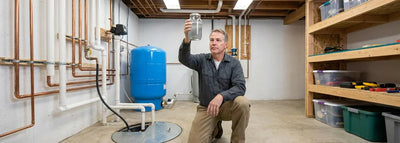
The key is to test raw well water before it enters any treatment equipment, then test treated water at the tap if you already have a softener or filter. Comparing both samples tells you whether the source water is salty, the equipment is adding sodium, or both.
Why Pitcher Filters and Sediment Filters Fall Short
Pitcher filters and basic carbon filters are useful for certain taste and odor issues, especially chlorine taste on city water. They are not designed to be a full answer for dissolved salts. A carbon filter can make water taste better when the problem is chlorine, but chloride and sodium ions usually pass through.
Sediment filters have a different job. They catch particles such as sand, silt, and rust flakes. If your water looks cloudy or leaves grit in a glass, a sediment stage may help. If the water is clear but tastes salty, a sediment filter is not addressing the main chemistry.
Boiling does not solve salty water either. Boiling drives off steam and can leave dissolved minerals behind in a smaller volume of water. That can make the taste stronger, not cleaner.
Bottled water is a stopgap, but it does not answer the house problem. You still have salty water at the sink, refrigerator line, coffee maker, ice maker, and any point where you use water for cooking. Use bottled water only as a short bridge while you get a proper test and choose the right system.
When Reverse Osmosis Makes Sense
Reverse osmosis is often the right technology when the target is dissolved minerals. As the University of Nebraska-Lincoln Extension explains, RO uses pressure to push water through a semi-permeable membrane and is commonly used to reduce total dissolved solids and many ions and metals.
That does not mean every salty well needs the same RO setup. Start with the test result and the use case.
If only drinking and cooking water taste salty, a point-of-use RO system may be enough. That keeps the scope focused on the kitchen or countertop. If chloride and TDS are high throughout the home, a whole-home design may be worth discussing, especially if the water also affects cooking, ice, appliances, and fixtures.
Look for three things before choosing any RO system:
- A water test that confirms what must be reduced.
- A system sized for the water demand, not just the contaminant list.
- Clear filter and membrane maintenance instructions, so performance does not drift over time.
NSF notes that reverse osmosis systems fall under NSF/ANSI 58, and that no filter or treatment system should be assumed to reduce every possible contaminant. The claim that matters is the one tied to your water test.
The RKIN Fit for Salty Well Water
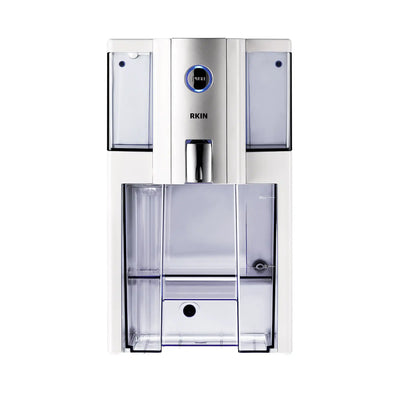
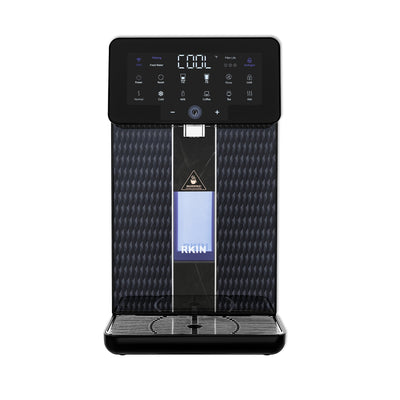
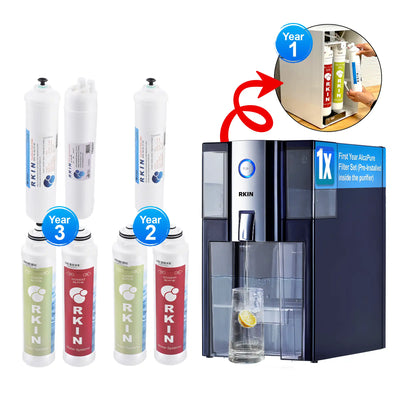
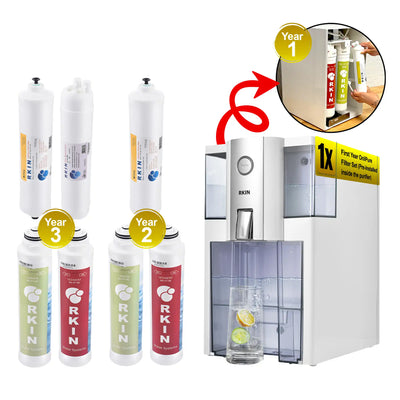
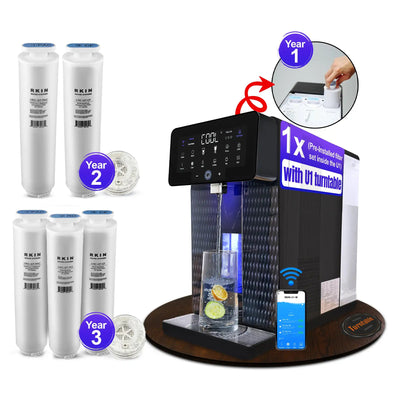
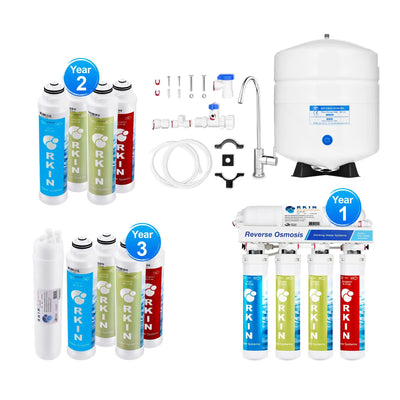
If the salty taste is limited to drinking and cooking water, start with a countertop RO option such as the RKIN Zero Installation Purifier or the RKIN U1 4-in-1 Water Filter System. Both are built for homeowners who want RO water without changing the main plumbing. You can compare countertop options here: RKIN Zero Installation Purifier.
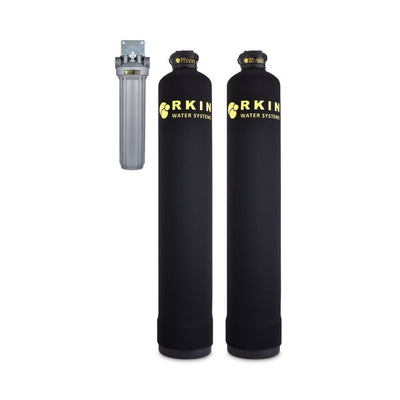
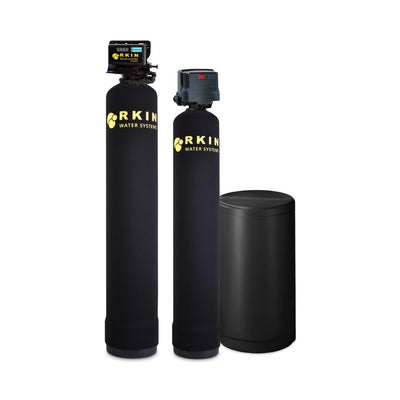
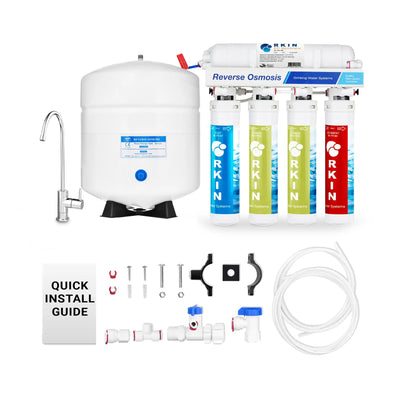
If the lab report shows chloride, sodium, or high TDS affecting the whole home, the RKIN Whole Home Reverse Osmosis System may be the better conversation. It is designed for whole-home RO applications where point-of-use filtration does not match the scale of the problem. See the system here: RKIN Whole Home Reverse Osmosis System.
The honest answer is that salty well water should not be solved from a symptom alone. A softener, carbon filter, iron filter, and RO system all do different jobs. We would rather see the test first, then recommend one path.
Me personally, I would test raw and treated water before choosing RO or adjusting a softener.
Frequently Asked Questions
Why does my well water taste salty?
Well water can taste salty when chloride, sodium, sulfate, or total dissolved solids are elevated. Common causes include coastal saltwater intrusion, road salt runoff, local geology, and water softener settings. The EPA recommends testing for chloride, sodium, and TDS when private well water has a salty taste.
Will a pitcher filter remove salt from well water?
Usually no. Pitcher filters are often carbon-based, which can help with some taste and odor issues, but dissolved salts such as chloride and sodium usually pass through. A lab test should come before equipment selection, and reverse osmosis is often the technology considered for dissolved mineral reduction.
Can a water softener make water taste salty?
Yes, softened water can taste salty to some people, especially if sodium rises after ion exchange or if the unit is not set correctly. Test raw well water before the softener and treated water after the softener. That comparison shows whether the source water is salty or the softener is changing the taste.
Is salty well water a reason to test every year?
Private well owners should test at least once per year for total coliform bacteria, nitrates, total dissolved solids, and pH, according to the CDC. If water tastes salty, add chloride and sodium to the panel. Use a state-certified lab, not a strip test alone.
Do I need whole-home reverse osmosis for salty well water?
Not always. If only drinking water is the concern, a countertop or kitchen RO system may fit. If the whole house has high chloride, sodium, or TDS, a whole-home RO design may be worth reviewing with a water specialist.
Ready to Fix the Salty Taste the Right Way?
Do not buy the first filter that promises better-tasting water. Test the well, identify the mineral causing the salty taste, and match the equipment to the result. For drinking-water RO, compare RKIN countertop systems at RKIN Zero Installation Purifier. For whole-home salt and TDS concerns, start with the RKIN Whole Home Reverse Osmosis System at RKIN Whole Home Reverse Osmosis System.





0 comments