
reverse osmosis replacement filters
Under Sink RO Replacement Filters: Homeowner Checklist

The easiest reverse osmosis system to buy is not always the easiest one to live with. Homeowners usually compare the faucet, tank size, contaminant claims, and installation steps first. Then six months later, the real question shows up: can you actually get the right replacement filters without guessing?
That question matters because reverse osmosis is not a one-and-done appliance. NSF says reverse osmosis systems and components under NSF/ANSI 58 include end-user information, TDS reduction, recovery rating, efficiency rating, structural integrity, and contaminant reduction performance. In plain English: the paperwork, parts, and maintenance plan are part of the system.
Why Replacement Filters Should Be Checked Before Checkout
Under sink reverse osmosis systems work in stages. A sediment filter catches grit. Carbon protects the membrane from chlorine and improves taste. The RO membrane does the dissolved-solids reduction. A final post-filter polishes water before it reaches the dedicated faucet. If the system has an alkaline option, a remineralization post-filter may add calcium and magnesium back after the membrane.
Each stage has a job, and each stage ages at a different pace. That is why the replacement filter question is not just, "How often do I change it?" The better question is, "Can I identify every cartridge, buy it later, and change it without turning a simple maintenance step into a plumbing project?"
Homeowners get burned when they buy a system because the first-day box looks simple, but the long-term parts path is vague. Maybe the filter names are not printed clearly. Maybe the product page lists a bundle but not the individual stage numbers. Maybe the company uses a cartridge shape that only one seller carries. None of that means the system is bad. It does mean you should know the maintenance route before the system goes under your sink.
Start with the product page and owner manual. You are looking for three things: stage names, replacement timing, and exact cartridge names. If any one of those is missing, ask before you buy.
The Four Checks That Prevent Filter Lock-In
A good under sink RO system should make replacement parts boring. Boring is good. You want clear names, clear timing, and clear access.
Check these four items before choosing a system:
- The product page names the sediment filter, carbon filter, RO membrane, and post-filter separately.
- Replacement filters are listed on the same brand's site, not hidden behind a support ticket.
- The owner manual explains how to depressurize the system and change filters.
- The brand states what happens if your water has high hardness, high sediment, or heavy use.
The part-availability check protects you from two common problems. First, you avoid buying a system that requires a discontinued cartridge. Second, you avoid guessing between similar-looking filters that fit different housings. A sediment cartridge and a carbon cartridge can look similar online. A membrane can have the same gallon-per-day rating but a different connection style. Guessing is how leaks, low flow, and poor performance start.
This is also where certifications and performance sheets matter. NSF's consumer guidance says shoppers should look for systems that match the specific contaminants they want addressed, not just broad claims. A good system should make its claims checkable. If the brand says RO, look for NSF/ANSI 58 information or a tested performance document for the exact model.
Under Sink RO Maintenance Is Really a Calendar Problem
Most homeowners do not ignore filters because they do not care. They ignore them because the schedule is hard to remember. One cartridge may be annual. The RO membrane may be every two years or as needed. An alkaline post-filter may run on a shorter cycle. If the system feeds a refrigerator or ice maker, usage can climb without anyone noticing.
That is why a filter plan should include both time and symptoms. Time tells you when to inspect or replace. Symptoms tell you when water conditions or usage have shortened the expected life.
Common signs that an RO system needs attention include slower tank refill, weaker dedicated faucet flow, taste changes, or TDS readings that rise compared with your normal baseline. A single TDS reading does not explain everything, especially on systems with remineralization. But a trend over time can tell you when the membrane or post-filter needs a closer look.
Water quality changes can also shorten filter life. Heavy sediment loads can plug pre-filters. Chlorine can damage RO membranes if the carbon pre-filter is exhausted. Hard water can shorten membrane life when the system is not protected. This is why the pre-filter is not a throwaway part. It is the first line of protection for the membrane.
What to Ask Before You Buy an Under Sink RO System
Before you buy, ask the brand or installer these questions. The answers should be clear enough that you could reorder the correct parts a year from now without searching forums.
- What are the exact replacement filters for each stage?
- Are the pre-filters, RO membrane, and post-filter sold separately and as a kit?
- What is the replacement schedule for normal municipal water?
- What changes if my water is very hard or has heavy sediment?
- Can a homeowner replace filters, or is a service call expected?
- Does the system need electricity, a pump, or special clearance under the sink?
- Where is the performance data for the exact model?
The installer question is worth asking even if you plan to hire a plumber. A system that is easy to service is usually easier to troubleshoot. You want access to the shutoff valve, tank valve, drain saddle, filter housings, and tubing. A cramped cabinet can make an otherwise good system frustrating.
Also ask whether the filters use quick-connect fittings, housings, or twist-in cartridges. Each style has trade-offs. Quick-connect and twist-in designs can be easier for homeowners. Traditional housings can be familiar to plumbers. The important part is not which style wins on paper. The important part is whether the system is clear, serviceable, and supported.
Where RKIN Flash Fits for Under Sink RO Buyers
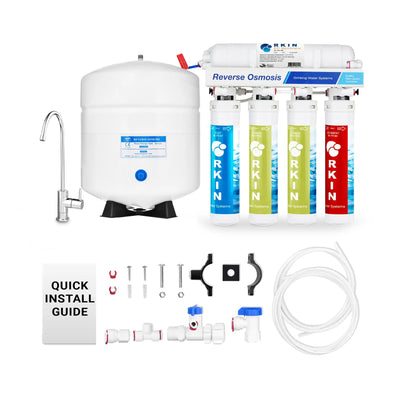
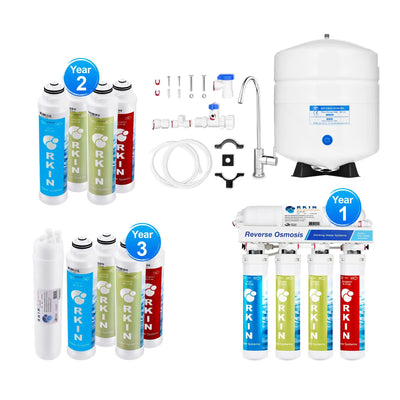
The RKIN Flash Undersink RO System is designed for homeowners who want point-of-use reverse osmosis at the kitchen sink without an electric pump. It uses home water pressure, includes a dedicated lead-free chrome faucet, and has a 3.2-gallon storage tank that can sit vertically or horizontally in the cabinet.
For maintenance planning, the RKIN Flash Undersink RO System uses a clear stage layout: sediment pre-filter, carbon block pre-filter, RO membrane, and a final post-filter. The sediment and carbon pre-filters are typically replaced every 12 months on municipal water, while the RO membrane is replaced every 24 months or as needed. The post-filter depends on the edition selected.
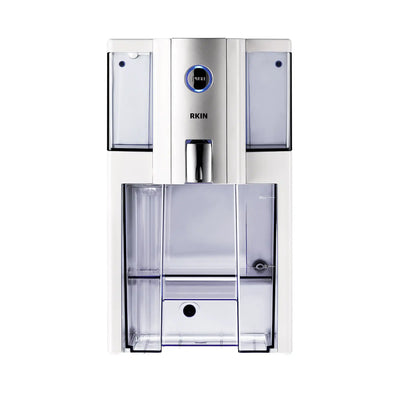
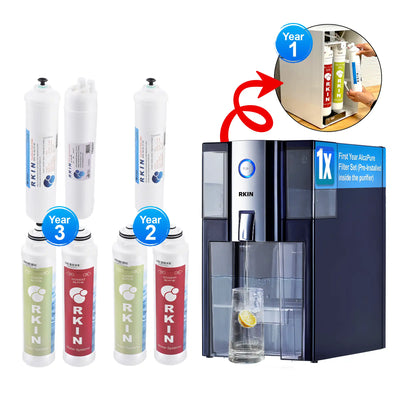
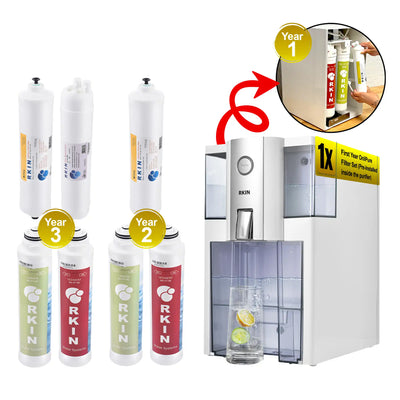
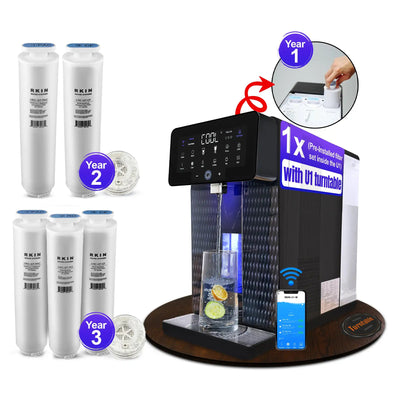
If you prefer no plumbing at all, compare that path with the Zero Installation Purifier Countertop Reverse Osmosis Water Filter. It sits on the counter and uses a front-fill tank, which avoids lifting a tank above shoulder height and keeps maintenance visible.
The best choice depends on your space. Under sink systems keep the counter clear. Countertop systems keep installation simple. Either way, the rule is the same: know the filter path before you buy.
A Simple Filter-Buying Checklist
Use this checklist while the product page is still open. If you cannot answer each item, pause and ask the seller.
- Write down the exact system name, not just the brand.
- Save the owner manual link.
- Save the replacement filter kit link.
- Note which filters are annual and which are longer-cycle parts.
- Check whether your water hardness or sediment level changes the recommendation.
- Confirm the system's performance data matches your main concern.
- Look for support contact details in case you need help later.
Do not overthink the checklist. You are not trying to become a water technician. You are trying to avoid buying a system that becomes mysterious the moment the first filter light turns on.
This is especially important for homeowners moving into a house with an existing RO system. If you inherited a system and cannot identify the model, take a picture of the unit, faucet, tank, and labels before ordering anything. Replacing random cartridges is not a plan. If the system is old, unknown, or unsupported, replacement may be simpler than trying to rebuild it stage by stage.
Me personally, I would confirm the exact replacement part numbers before buying the RO system.
Frequently Asked Questions
How often should under sink RO replacement filters be changed?
It depends on the system, water quality, and usage. Many sediment and carbon pre-filters are replaced every 6 to 12 months, while RO membranes often last longer. Always follow the schedule for the exact model and watch for flow, taste, or TDS changes that suggest earlier service.
Are under sink RO filters universal?
Not always. Some systems use standard-style housings, while others use brand-specific cartridges, quick-connect filters, or twist-in modules. Match the exact model and cartridge number before ordering. A similar-looking filter can still be the wrong fit.
What happens if I do not replace RO filters on time?
A spent sediment filter can reduce flow, and a spent carbon pre-filter can stop protecting the RO membrane from chlorine. Over time, that can shorten membrane life and make the system slower or less consistent. Delayed maintenance is usually more expensive than routine replacement.
Should I choose under sink RO or a countertop RO system?
Choose under sink RO if you want a dedicated faucet and hidden storage tank. Choose a countertop RO system if you rent, do not want plumbing changes, or want maintenance in plain sight. Both can work well when the filter path is clear.
What should I check if my RO faucet flow gets slow?
Start with the tank valve, feed-water valve, filter age, and tank pressure. If the pre-filters are old, replace them before assuming the membrane failed. If the system still refills slowly after basic service, contact the manufacturer or a qualified plumber.
Ready to Make RO Maintenance Easier?
A good RO system should not hold your sink hostage after the first filter change. Before you buy, check the replacement filters, the service steps, and the proof behind the performance claims.
See the RKIN Flash Undersink RO System if you want under sink reverse osmosis with a clear stage layout, or compare it with the RKIN countertop water filters if no-installation flexibility matters more.






0 comments