




do shower filters help hard water hair
Do Shower Filters Help Hard Water Hair? What to Know

Short answer: a shower filter may reduce chlorine, but it does not remove dissolved hardness minerals. If hard-water buildup is making hair feel coated or harder to rinse, the lasting fix starts with a hardness test and treatment at the main water line.
That does not mean every bad hair day is a water problem. It also does not mean a small shower attachment can fix every mineral issue in the house. The useful question is narrower: what can a shower filter actually do, what can it not do, and when does the problem call for whole-home treatment instead?
Why Hard Water Shows Up in the Shower
Hard water is not mysterious. As groundwater moves through rock and soil, it can pick up calcium and magnesium. USGS classifies water at 121 to 180 mg/L as hard and anything above 180 mg/L as very hard. If your home sits in a hard-water region, the shower is one of the first places you feel it because warm water, soap, shampoo, and mineral-rich water meet in the same small space every day.
The signs are usually practical, not dramatic. Shampoo may lather less than it used to. Conditioner may feel like it sits on top of the hair instead of rinsing clean. Glass shower doors get cloudy faster. Chrome fixtures spot even after wiping. Towels can feel stiff. None of those signs prove the water is unsafe, and hard water itself is treated as a nuisance by USGS rather than a drinking-water health concern. But nuisance water still matters when it changes daily routines and builds scale in appliances or plumbing.
The September move-in season makes this question spike every year. A homeowner may move from a soft-water apartment into a house on groundwater and assume the shampoo, shower head, or water heater is the cause. Sometimes one of those is involved. More often, the first move should be a simple hardness test.
What a Shower Filter Can and Cannot Fix
A shower filter is a point-of-use device. It filters water at one shower, for one fixture, at the end of the plumbing line. That narrow placement is useful for certain issues, but it limits what the device can do.
Many shower attachments are built around carbon, KDF-style media, sediment screens, or similar layers. Depending on the exact product and its verified claims, that may help with chlorine odor, small particles, or some aesthetic water issues at that shower. That can be worthwhile if your main complaint is smell, a harsh chlorine feel, or visible particles from old plumbing.
Hardness is different. Calcium and magnesium are dissolved minerals. A basic shower attachment usually does not remove enough hardness minerals to act like a true water softener for the home. Some products are marketed as shower softeners, but the claim depends on media type, contact time, water pressure, and capacity. The CDC's 2024 filter guidance gives the right rule of thumb: test your water first, then choose a filter based on the germ or chemical you are trying to reduce.
That is the plain answer to the search query: a shower filter may help some shower-water complaints, but it is not a guaranteed fix for hard water hair. If hardness is the real issue, treat hardness at the house level or manage expectations for a shower-only add-on.
Start With a Four-Part Bathroom Check
Before buying anything, collect a little evidence. It takes less than an hour and keeps you from guessing.
First, test hardness at the cold tap and the shower. A basic hardness strip can tell you whether the shower is soft, moderately hard, hard, or very hard. If the strip is high at both locations, your shower problem is probably not the shower head alone.
Second, compare lather and rinse. Wash your hands with the same soap at the bathroom sink and at a different sink. If both feel slippery or filmy after rinsing, that points to hardness across the home.
Third, inspect the water heater and shower head. Hard water leaves scale more quickly when heated. If hot water pressure is lower than cold water pressure, or if the shower head holes are crusted with white buildup, mineral scale may be restricting flow.
Fourth, look for house-wide clues. Spots on dishes, cloudy glassware, stiff laundry, white buildup around faucets, and short appliance life all point away from a shower-only issue. A single bathroom problem could be a fixture. A whole-home pattern calls for a whole-home answer.
What Actually Works for Hard Water
If a hardness test confirms the problem, the right treatment depends on your goal.
Traditional ion-exchange softeners remove calcium and magnesium and replace them with sodium or potassium ions. That is the classic approach when the goal is soft-water feel. It can reduce scale, improve lather, and make cleaning easier. It also requires salt or potassium, brine discharge, and routine upkeep.
Salt-free conditioners are different. They do not remove hardness minerals. Instead, systems using template-assisted crystallization are designed to change how minerals behave so they are less likely to stick as hard scale. That distinction matters. If you want the slick feel of softened water, choose a softener. If your main goal is scale control without salt, a salt-free conditioner may fit better.
Whole-house carbon filtration solves a different problem. It can improve taste and odor and reduce chlorine or other listed contaminants when the system is built and tested for those claims. It is not the same as hardness treatment. Many homes need both a scale strategy and a drinking-water strategy, especially if the homeowner cares about both showers and kitchen tap water.
For drinking water concerns such as PFAS, lead, arsenic, fluoride, or nitrate, the shower is not the center of the decision. EPA notes that home filters should be selected based on measured contaminants and that PFAS filters should carry verified reduction claims. That is where a countertop or under-sink reverse osmosis system is often more relevant than a shower attachment.
Where RKIN Fits
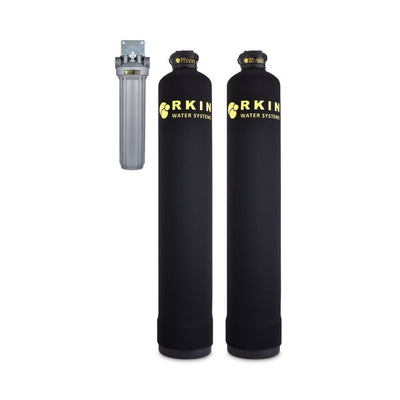
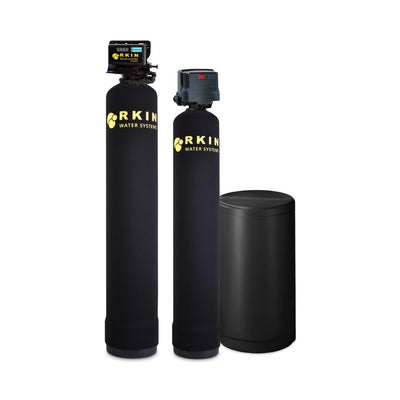
If the bathroom signs point to hard water across the home, start with RKIN's whole house water treatment systems. Whole-home systems are placed on the main water line, so they address water before it reaches showers, laundry, water heaters, dishwashers, and fixtures.
The right setup depends on your water. A home that mainly has scale may need a conditioner or softener approach. A home with chlorine taste and odor may need carbon filtration. A private-well home with iron staining, sediment, or odor needs a different plan than a city-water home with hard water and chlorine. That is why we prefer a test-first approach instead of telling every homeowner to buy the same system.
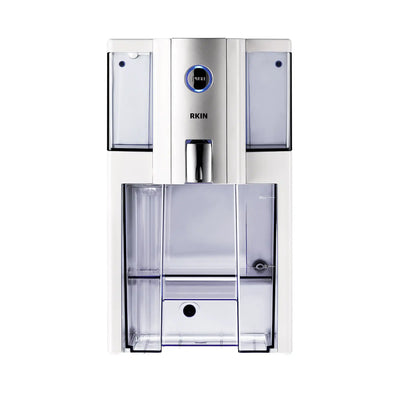
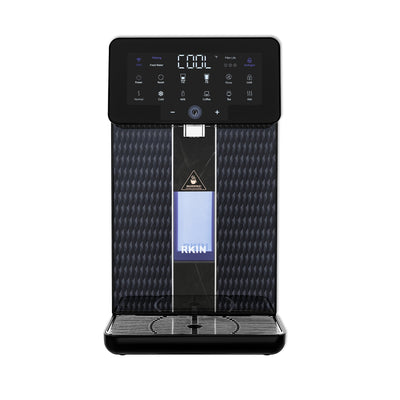
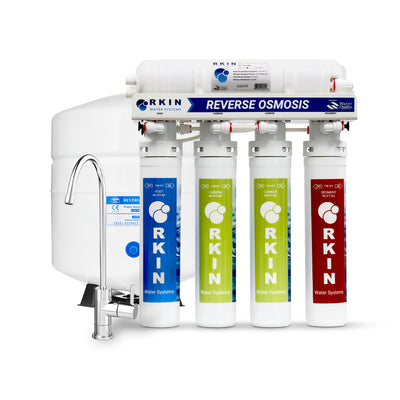
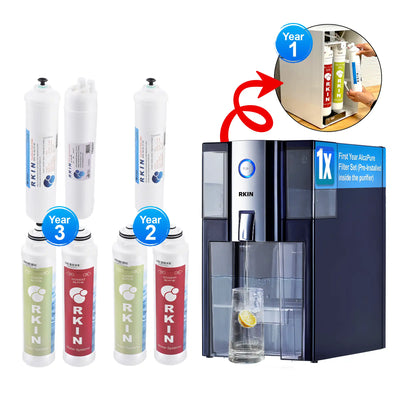
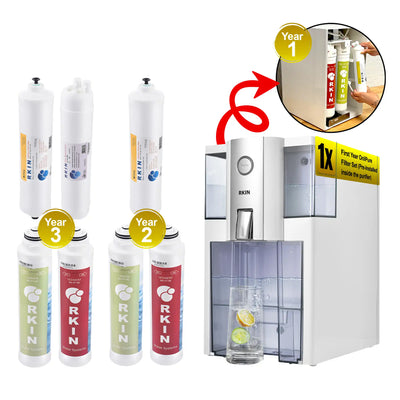
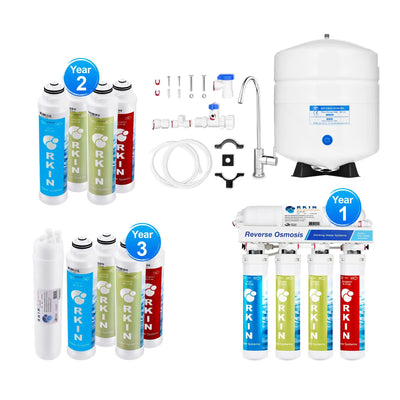
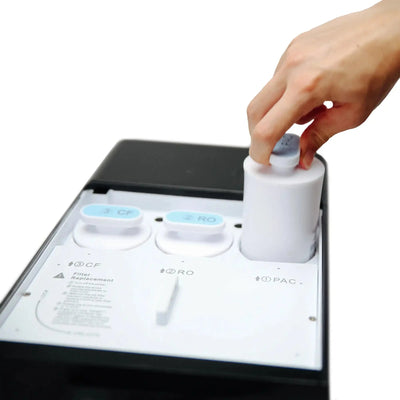
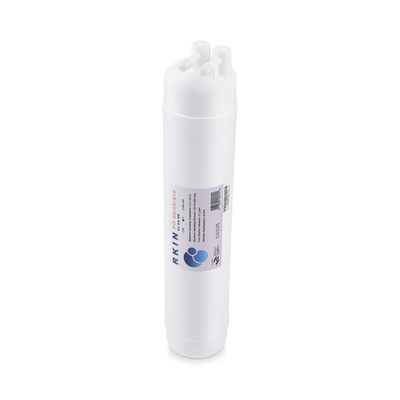
For drinking and cooking water, pair the whole-home plan with a point-of-use RO option when your concern is dissolved contaminants at the kitchen tap. The RKIN Zero Installation Purifier Countertop Reverse Osmosis Water Filter is built for renters and homeowners who want reverse osmosis without plumbing changes. The RKIN Flash Undersink RO System is the better fit when you want a dedicated under-sink RO faucet.
How to Choose Without Overbuying
Use the symptom pattern to decide the next step. If your only issue is a chlorine smell in one shower, a shower filter with clear claims may be enough to try. If your hair, laundry, dishes, faucets, and water heater all show the same mineral pattern, a shower attachment is too late in the line to fix the house.
If you rent, you may not be allowed to change the main water line. In that case, a shower filter can be a reasonable comfort upgrade, and a countertop RO system can handle drinking water at the kitchen. Just do not expect either one to turn every fixture in the home into treated water.
If you own the home, test first. Ask for hardness, iron, manganese, pH, total dissolved solids, chlorine if on city water, and bacteria or nitrates if on a private well. The results tell you whether you need scale control, filtration, RO for drinking water, or a mix of those layers.
Me personally, I would test hardness before buying another shower cartridge.
Frequently Asked Questions
Do shower filters help with hard water hair?
They can help if the problem is chlorine odor, sediment, or another issue the specific filter is verified to reduce. They usually are not a full fix for hard water because calcium and magnesium are dissolved minerals. If a hardness test is high throughout the house, whole-home treatment is the more direct path.
How do I know if hard water is affecting my shower?
Look for a pattern: white scale on fixtures, cloudy shower glass, weak lather, filmy rinsing, spots on dishes, stiff laundry, or scale around the water heater. USGS says hard water is mainly calcium and magnesium, and those minerals can form soap scum and scale.
Is hard water unsafe for hair or skin?
Hard water is generally treated as a nuisance, not a safety issue, by USGS. It can change how soap and shampoo behave, which may affect how hair feels after washing. Avoid reading cosmetic symptoms as proof of unsafe water. Test the water before choosing treatment.
Is a water softener better than a shower filter?
For true hardness reduction, a traditional softener is the more direct tool because it conditions the water before it reaches the shower. A shower filter serves only one fixture and may not remove enough hardness minerals to change the whole-home pattern.
What should I test before buying a whole-house system?
For city water, start with hardness, chlorine, pH, and total dissolved solids. For private wells, EPA recommends annual testing for total coliform bacteria, nitrates, total dissolved solids, and pH, plus local concerns. Add iron and manganese if you see staining.
Ready to Fix the Water, Not Just the Shower Head?
If hard water shows up in the shower, it is usually showing up elsewhere too. Test first, then match the system to the result. Start with RKIN whole house water treatment systems if the pattern is house-wide, or choose the RKIN Zero Installation Purifier Countertop Reverse Osmosis Water Filter if your main concern is better drinking water without plumbing changes.




0 comments