


brown water after hydrant flushing
Brown Water After Hydrant Flushing: What to Do First

Brown water after hydrant flushing looks worse than it usually is. One minute the tap is clear; the next it runs tea-colored, orange, or rusty because a utility crew opened hydrants nearby and changed the flow through the water main.
The first move is not to panic and not to run hot water. Hydrant flushing can stir up iron, manganese, and sediment that settled inside city mains. Many city water departments tell residents to wait until flushing passes, then run cold water until it clears. The real job is figuring out whether you are seeing a short utility event, a water heater issue, or a recurring water-quality problem that deserves testing and filtration.
Why Hydrant Flushing Can Turn Water Brown
Utilities flush hydrants to move water quickly through mains. That higher flow helps scour settled material from the pipe and confirms hydrants are working. During that process, rust-colored sediment can travel into nearby service lines, especially if water is being used inside the home while flushing is happening.
The City of St. Helena’s water FAQ explains that flushing can temporarily make water appear rust-colored when iron and mineral deposits in the mains get stirred up, and it tells residents to run cold water taps after flushing has passed. A 2026 hydrant notice from Marlborough, Massachusetts says flushing can dislodge rust and sediment and cause temporary discoloration.
That pattern is different from a slow, all-year problem. If the whole neighborhood has brown cold water on the same morning as scheduled flushing, the utility event is the likely cause. If only your hot water is brown, your water heater is more likely involved. If one bathroom faucet is brown and the rest of the house is clear, check that fixture and its aerator.
Hydrant flushing is common in spring and fall, when utilities often run maintenance before heavy seasonal demand or after winter conditions. If your city posts a flushing schedule, save the link. It can answer the “is this just my house?” question fast.
What to Do in the First 30 Minutes
Start by checking the utility. Look for alerts, social posts, or a flushing map. If flushing is active nearby, wait until crews have moved on before you try to clear the home plumbing. Running water while the main is still disturbed can pull more discolored water into your lines.
Once the event has passed, run cold water only. If you have an outside hose bib or basement utility sink close to where water enters the home, start there. That keeps the stirred-up water away from smaller faucet aerators, refrigerator filters, and the water heater. If you do not have a low fixture, use a bathtub cold tap or another high-flow cold tap.
Do not run hot water first. Hot water draws into the water heater, where sediment can settle and create a second problem. Do not start laundry while water is discolored either. Iron and manganese can stain fabric, and bleach can make some stains harder to remove.
If the water begins clearing, keep flushing in short rounds until it runs clear. If it does not clear, stop and call the utility. Tell them the color, whether it affects hot and cold water, whether neighbors are affected, and whether there was a pressure drop or advisory.
When Brown Water Is Not Just Flushing
Hydrant flushing should be temporary. If brown water keeps returning after the utility event, use the pattern to narrow the cause.
Cold water only, whole house: This points toward the city main, service line, or incoming water. Call the utility first, then consider testing if the pattern repeats.
Hot water only: This points toward the water heater. Sediment, a failing anode rod, or tank corrosion can tint hot water even when cold water is clear. A plumber or water heater technician is the right next call.
One fixture only: Remove and clean the aerator. Rust or debris can lodge in the screen and keep discoloration at one sink even after the rest of the house clears.
Private well: Hydrant flushing does not apply. Brown water on a well points toward iron, manganese, sediment, pump disturbance, flooding, or plumbing corrosion. EPA’s private well guidance says well owners should test when water changes in taste, odor, color, or appearance.
Older plumbing: If you have galvanized pipe, older fixtures, or a known service-line issue, brown water can reveal a plumbing problem. Color alone does not identify the contaminant. Testing and plumbing inspection matter when the pattern repeats.
What Iron and Manganese Mean on a Water Report
Brown, orange, or blackish water is often tied to iron and manganese. These are not judged the same way as contaminants with health-based federal limits. The EPA’s secondary drinking water standards are guidance for aesthetic issues such as color, taste, odor, staining, and deposits. EPA lists iron and manganese under secondary standards because they can affect color and staining.
That does not mean you should ignore recurring discoloration. It means the fix depends on the cause. Temporary hydrant flushing may need only cold-water flushing and utility follow-up. Recurring iron or manganese may need testing and a treatment system sized to the actual results. Corroding home plumbing needs plumbing work, not just a filter cartridge.
A water test can separate appearance from chemistry. Ask for iron, manganese, turbidity, pH, hardness, total dissolved solids, and any local contaminants your utility or lab recommends. If the home is older, ask whether lead and copper testing makes sense. If you are on a private well, include bacteria indicators and nitrate based on local guidance.
Do not rely on a handheld TDS meter to diagnose brown water. TDS can tell you that dissolved solids changed, but it cannot tell you whether the color is iron, manganese, sediment, plumbing corrosion, or something else.
Where Filters Help and Where They Do Not
A filter can help after the source is understood. It is not a substitute for a utility advisory, water heater repair, or a lab test.
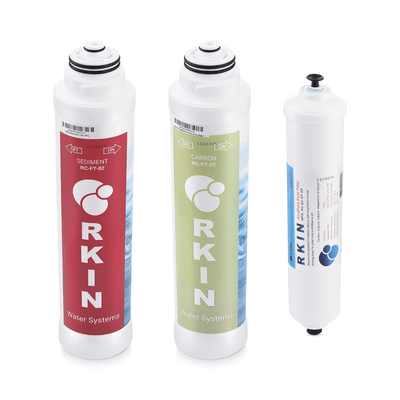
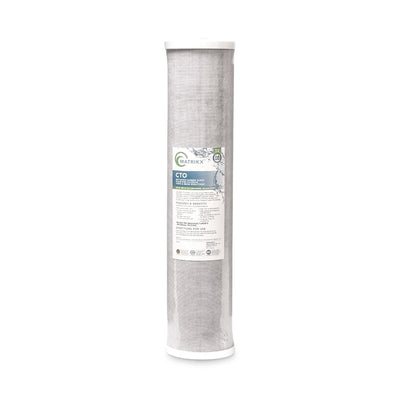
For temporary hydrant flushing, the best first step is cold-water flushing after the event. A whole-house sediment prefilter may catch particles before they reach appliances, but it can clog quickly if the event is heavy. Keep spare cartridges if your neighborhood has frequent main work.
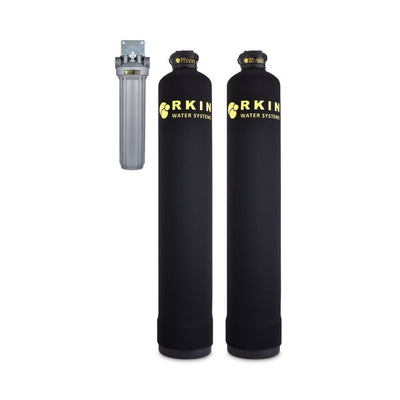
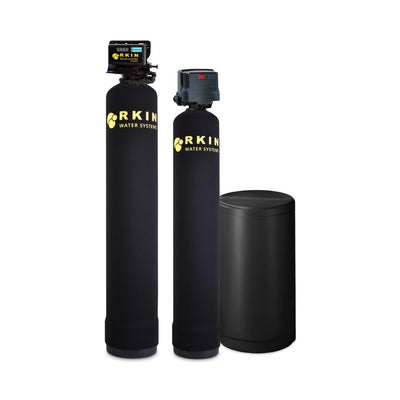
For recurring sediment or visible particles, whole-house filtration may be useful because it filters water before it reaches fixtures, laundry, and appliances. For city water with taste and odor concerns beyond discoloration, carbon filtration can also improve everyday water quality when sized correctly.
For drinking and cooking water, reverse osmosis is a point-of-use option when testing shows dissolved contaminants that simple sediment filtration will not address. The CDC notes that reverse osmosis systems may reduce several types of chemicals and tells consumers to check labels for the specific chemicals a system removes.
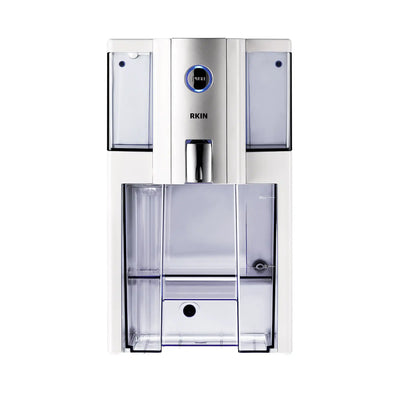
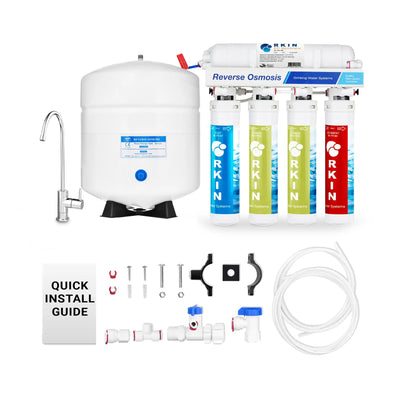
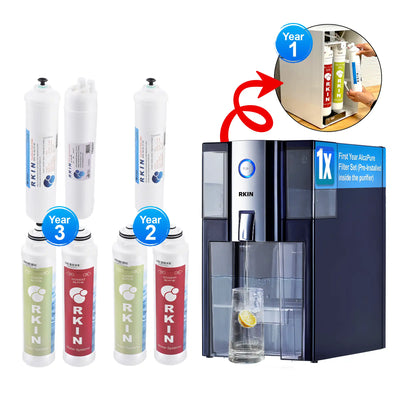
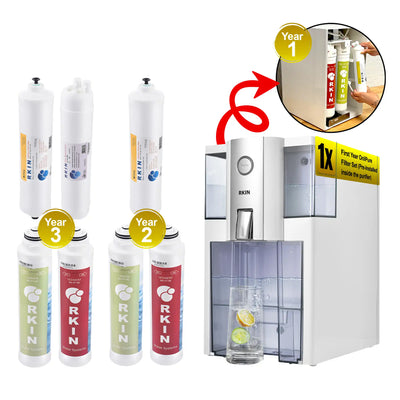
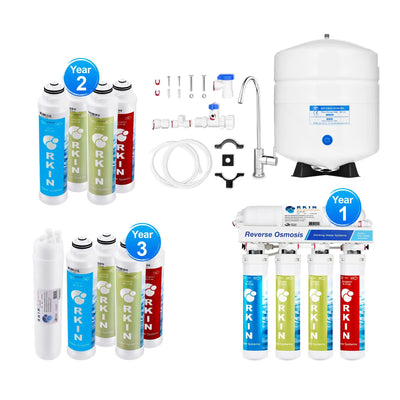
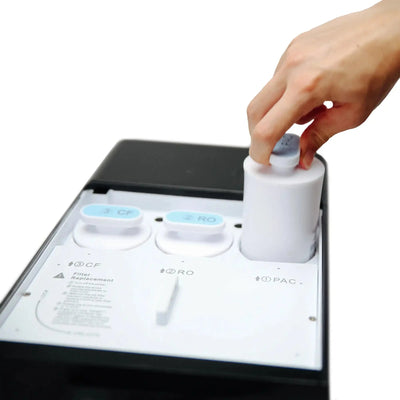
If you want a no-plumbing drinking-water option after your lines are clear, the RKIN Zero Installation Purifier Countertop Reverse Osmosis Water Filter is built for countertop RO filtration. If you want a permanent kitchen install, the RKIN Flash Undersink RO System is the under-sink path. If discoloration, sediment, chlorine taste, or scale affects the whole home, start with RKIN’s whole house water treatment collection and match the system to test results.
A Simple Home Checklist
Use this order the next time brown water appears after hydrant flushing:
- Check your utility’s alert page or flushing map.
- Avoid hot water, laundry, refrigerator dispensers, and ice makers until the water clears.
- Wait until active flushing has moved past your area.
- Run cold water from a low or high-flow fixture until clear.
- Clean faucet aerators if one fixture stays discolored.
- Call the utility if water does not clear or if pressure dropped.
- Test the water if discoloration repeats, appears without utility work, or affects only your home.
This sequence protects the water heater, avoids staining laundry, and keeps you from buying the wrong equipment. A temporary main disturbance is not the same thing as an ongoing well iron issue or a corroding water heater.
Frequently Asked Questions
Is brown water after hydrant flushing normal?
It can happen during or after flushing because faster water movement stirs up rust, iron, manganese, and sediment in the main. It should be temporary. Check your utility’s notice, wait until flushing passes, then run cold water until it clears.
Should I run hot or cold water when water is brown?
Run cold water only at first. Hot water can pull sediment into the water heater. Use a low or high-flow cold fixture, such as an outside hose bib, utility sink, bathtub, or cold tap, and avoid laundry until the water clears.
When should I call the water utility?
Call if the water does not clear after flushing, if pressure dropped, if there is a boil-water notice, if neighbors are not affected but your whole home is, or if the discoloration keeps returning after the scheduled event.
Can a whole-house filter stop brown water from hydrant flushing?
A whole-house sediment filter may catch some particles, but it can clog during heavy flushing events. The better first step is utility follow-up and cold-water flushing. If sediment is frequent, test and size a whole-house setup to the pattern.
Do I need reverse osmosis for brown water?
Usually not for temporary hydrant flushing alone. Reverse osmosis is a drinking-water tool for dissolved contaminants and taste goals after the incoming water is clear. If testing shows contaminants that RO is designed to reduce, then a countertop or under-sink RO system may make sense.
Ready to Match the Filter to the Cause?
Brown water is a symptom, not a diagnosis. Clear the line first, ask the utility what happened, and test if the issue repeats. For drinking water after the line is clear, compare the RKIN Zero Installation Purifier Countertop Reverse Osmosis Water Filter and the RKIN Flash Undersink RO System. For whole-home sediment, taste, or scale goals, start with RKIN’s whole house water treatment options.





0 comments