


best water filter for home water report
Do I Need a Water Filter? 7 Signs to Check at Home

Short answer: you may need a water filter if your water report, lab test, taste, odor, stains, plumbing age, or bottled-water habit points to a specific problem. The right filter depends on the problem. A city-water report or private-well test should guide the choice.
Most homeowners start caring about filtration after one small moment: a strange taste, a news story about PFAS, a child asking why the water smells like a pool, or a neighbor mentioning lead pipes. That is a useful wake-up call, but it should lead to diagnosis first and shopping second.
Start with your water report or well test
If you are on city water, your first source is the annual Consumer Confidence Report from your utility. The EPA says public-water customers can ask their local supplier for a report listing detected contaminants and whether the system meets state and EPA drinking-water standards.
If you are on a private well, the rules are different. The EPA says private wells are not regulated under the Safe Drinking Water Act, so well owners need to take precautions. The agency also says private well owners are responsible for safe household drinking water and recommends annual testing for total coliform bacteria, nitrates, TDS, and pH.
That difference matters. A city-water customer usually starts with the utility report, then decides whether point-of-use filtration makes sense for taste, chlorine, PFAS, lead risk, or extra peace of mind. A private-well customer starts with a lab test, because the source is not monitored by a utility.
Sign 1: Your report shows contaminants you care about
A water report can meet legal standards and still raise questions for a homeowner. Legal compliance means the utility is meeting the rules that apply to public water systems. It does not mean every household will like the taste, odor, mineral level, or contaminant profile.
Look for rows tied to your concern: PFAS, lead, copper, nitrate, disinfection byproducts, arsenic, fluoride, hardness, TDS, and chlorine or chloramine. The goal is not to panic over every detected item. The goal is to know which contaminant class you are trying to reduce.
PFAS is a good example of why reports matter. The EPA finalized a national drinking-water regulation for several PFAS in 2024 and announced 2026 proposed actions related to implementation. Public water systems have monitoring and treatment timelines, but homeowners may still want point-of-use filtration while they read their own report and decide what level of reduction they want at the tap.
Sign 2: Your tap water tastes or smells off
Taste and odor are not perfect safety signals, but they are practical quality signals. Chlorine or pool-like taste can come from disinfectant used in city water. Musty, earthy taste can show up after rain, algae events, or source-water changes. Metallic taste can point to plumbing, low pH, iron, manganese, or dissolved metals.
If the issue is only chlorine taste or odor, activated carbon may be enough. If the issue is dissolved solids, metals, PFAS, arsenic, nitrate, fluoride, or a mix of concerns, reverse osmosis may be a better drinking-water choice.
The honest limitation: a filter should not be chosen by taste alone. Clear water can still have contaminants, and bad-tasting water can be caused by issues that need plumbing or source correction. Use taste as a prompt to check data, not as the whole diagnosis.
Sign 3: You see stains, scale, or cloudy fixtures
Your fixtures often tell you what a report does not. White crust on faucets, shower doors, and kettles usually points to hard water. Orange staining can point to iron. Black or gray staining can involve manganese or other plumbing-related issues. Blue-green staining may suggest copper corrosion.
These are not all drinking-water-filter problems. Hardness is usually a whole-home scale problem, not something a small drinking-water filter is built to solve for showers, appliances, and plumbing. Iron and manganese may need whole-house treatment chosen from test levels and water chemistry.
If scale is the main issue, look at water conditioning or softening options. If taste and drinking-water contaminants are the main issue, look at point-of-use filtration. If both are present, you may need a layered plan: whole-house treatment for household water quality and RO at the drinking tap.
Sign 4: Your home has older plumbing
Older plumbing does not automatically mean unsafe water, but it does increase the need to pay attention. Lead service lines, older solder, brass fixtures, and low-pH water can all affect what reaches the tap after water leaves the utility.
This is why two homes on the same street can have different tap-water results. The utility report covers the system, not every glass of water after it passes through each home's plumbing. If you are worried about lead or copper, test first-draw and flushed samples through a certified lab or your local program if available.
For drinking water, many homeowners choose a certified or third-party-tested point-of-use system after reviewing their plumbing risk. For whole-home corrosion issues, pH and plumbing evaluation may matter before choosing equipment.
Sign 5: You are on a private well
Private wells deserve their own category because no utility is checking the water for you. The EPA notes that about 15% of the U.S. population relies on private wells, and private well owners are responsible for testing and maintenance.
A well-water filter should follow the test results. Bacteria calls for a different plan than hardness. Nitrate is different from iron. Arsenic is different from sulfur odor. PFAS is different from sediment. One “whole house filter” label does not solve every well-water problem.
If you have a well, do not skip the annual lab test. Test sooner after flooding, repairs, nearby construction, sudden taste changes, or new staining. If the test shows a problem above a drinking-water standard or health-based benchmark, ask your local health department for next steps and retest after treatment.
Sign 6: You keep buying bottled water
A bottled-water habit is often a sign that the tap does not feel trustworthy or does not taste good. It may be taste, odor, TDS, PFAS worry, an old fridge filter, or simple habit. Either way, it is worth asking what problem bottled water is solving for you.
If the problem is taste, a carbon filter may be enough. If the problem is broader drinking-water reduction, reverse osmosis may be a better fit. If the problem is hard water spots or shower feel, bottled water will never solve it because that is a whole-home issue.
The goal is not to shame bottled water. It can be useful during testing, repairs, or travel. But as a daily home plan, it usually means you have not matched the right treatment to your actual water yet.
Sign 7: Your fridge or pitcher filter is doing too much work
Refrigerator and pitcher filters can improve taste. They are convenient. They are also limited by small filter size, short contact time, and a narrow job. Many are not designed to reduce a wide set of dissolved contaminants.
If your only complaint is mild chlorine taste, a fridge or pitcher filter may be fine. If you are trying to address PFAS, high TDS, nitrate, arsenic, fluoride, lead risk, or a private-well concern, read the filter's test data carefully. Do not assume “filtered” means it handles the contaminant you care about.
This is where homeowners often overbuy or underbuy. They buy a whole-house system for a drinking-only concern, or they rely on a small taste filter for a lab-confirmed contaminant. The better move is to name the problem first.
Match the filter to the problem
Here is the simple decision path.
For chlorine taste, odor, and some organic chemicals, carbon filtration is often the starting point. For dissolved contaminants at the drinking tap, reverse osmosis is often the category to compare. For bacteria in a private well, source repair and disinfection steps come before a drinking-water filter. For hardness, scale, and appliance issues, look at softening or conditioning. For sediment, iron, manganese, or sulfur odor, test levels and water chemistry decide the treatment.
For city-water drinking concerns, point-of-use RO can be a practical first upgrade because it treats the water you drink and cook with. For whole-house concerns, point-of-entry treatment may be the right layer. Many homes use both: whole-house treatment for plumbing and fixture issues, plus RO for drinking water.
Where RKIN fits
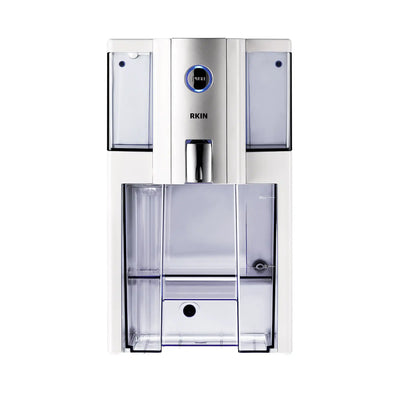
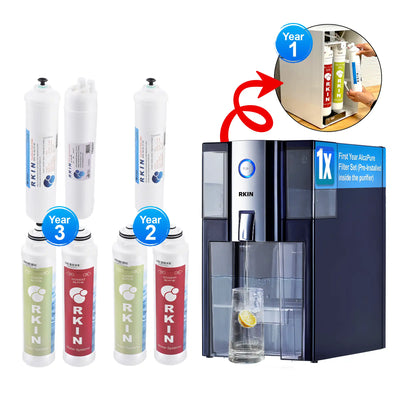
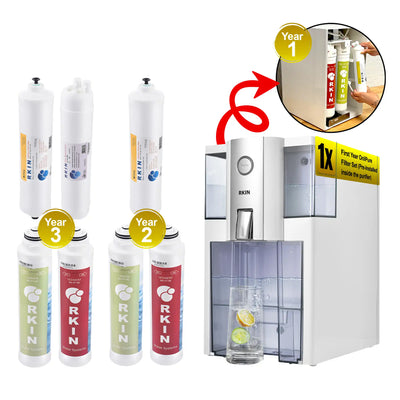
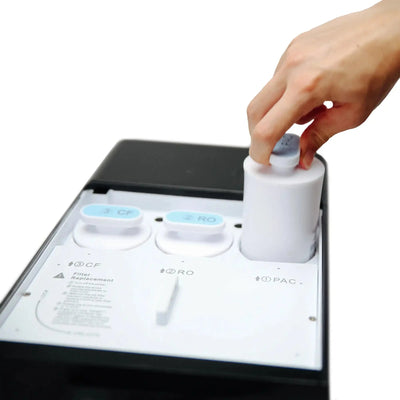
If your main concern is drinking and cooking water, start with a point-of-use system. The RKIN Zero Installation Purifier gives you countertop reverse osmosis without plumbing changes. It is a good fit when you want filtered drinking water in a kitchen, apartment, rental, or home where under-sink work is not ideal.
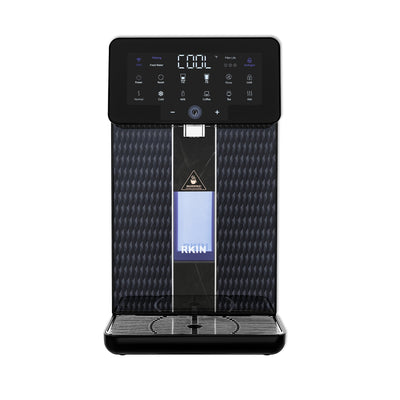
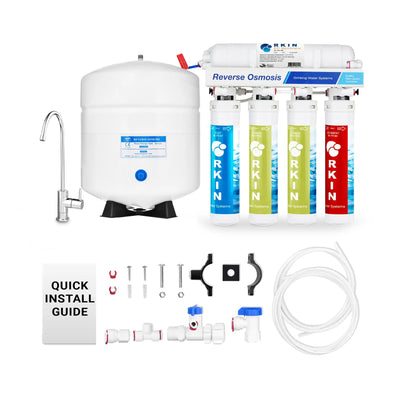
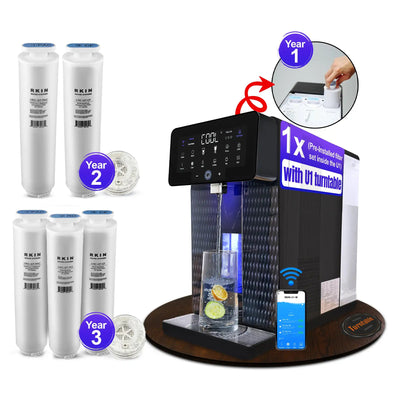
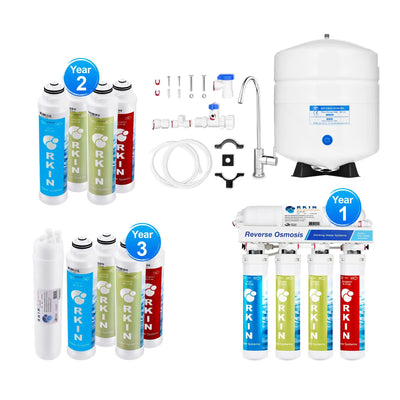
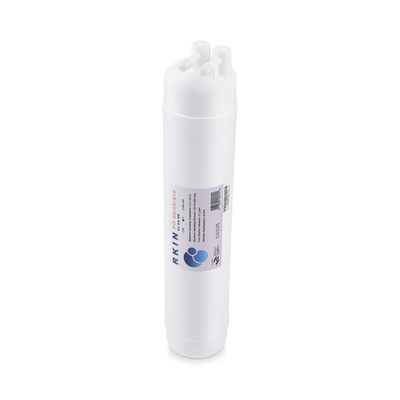
If you want a compact countertop system with reverse osmosis, UV, and remineralization, compare the RKIN U1 4-in-1 Water Filter System. If you prefer an under-sink setup, the RKIN Flash Undersink RO System is built for a dedicated RO faucet and under-sink installation.
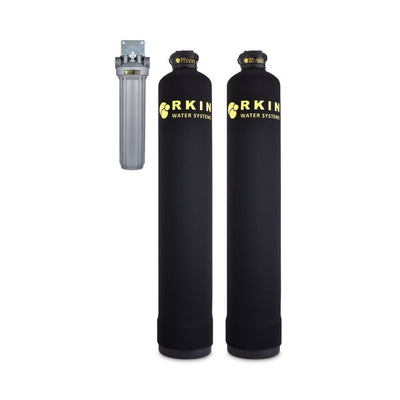
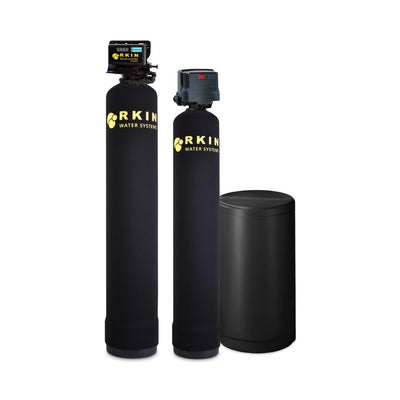
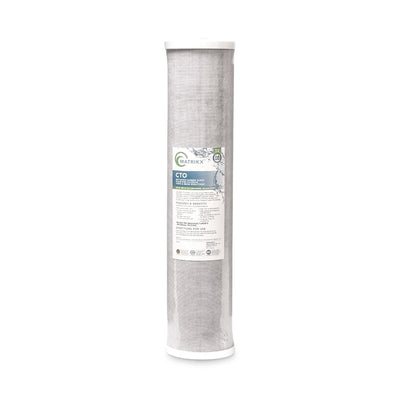
If your issue is hardness, whole-home sediment, carbon filtration, or well water, start with RKIN Whole House Water Treatment and your test results. The right answer depends on the water, not on the most expensive equipment.
Frequently Asked Questions
How do I know if I need a water filter?
Start with your city water report or a private-well lab test. Then compare the results to your actual complaint: taste, odor, stains, scale, old plumbing, PFAS concern, or bottled-water use. If the report or test points to a specific problem, choose a filter made for that problem.
Is a water filter worth it if my city says the water is safe?
It can be, depending on your goals. City water can meet legal standards and still have chlorine taste, hardness, old-plumbing concerns, or contaminants you prefer to reduce at the tap. Use the utility report to decide what type of filter makes sense.
What type of water filter removes the most contaminants?
For drinking water, reverse osmosis is one of the broadest point-of-use categories for dissolved contaminants. Carbon is strong for taste, odor, chlorine, and some organic chemicals. No single filter is best for every problem, so check the system's testing data against your concern.
Do I need a whole-house filter or a drinking-water filter?
If the concern is drinking and cooking water, start with a drinking-water filter such as a countertop or under-sink RO system. If the concern affects showers, laundry, appliances, fixtures, or all plumbing, look at whole-house treatment. Some homes need both layers.
Can a TDS meter tell me if my water is safe?
No. A TDS meter measures dissolved solids as a broad number. It does not identify bacteria, PFAS, lead, arsenic, nitrate, or many other contaminants. It can be useful for tracking RO performance, but it should not replace a water report or lab test.
Ready to Choose Without Overbuying?
Do one simple thing first: pull your water report or order a well-water lab test. Once you know the problem, the filter choice gets much easier.
For no-plumbing drinking-water RO, start with the RKIN Zero Installation Purifier. If your concern is whole-home water, send your report to RKIN and we will help you narrow the right category.





0 comments