



adding minerals back to reverse osmosis water
Does Reverse Osmosis Water Have Minerals? What Stays and Goes

Does reverse osmosis water have minerals? It can. Plain RO water usually contains less calcium and magnesium than the water that went into the system. How much remains depends on the incoming water and how the system is performing. If you want some minerals in your glass, choose an RO system with a mineral post-filter, like the AlcaPure edition of RKIN's Zero Installation Purifier, which returns a small amount of calcium and magnesium after the membrane.
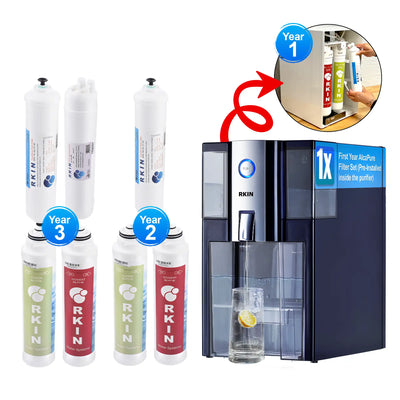
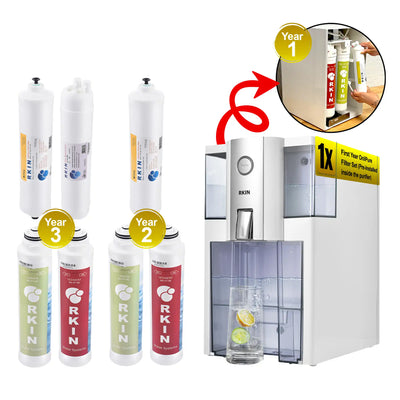
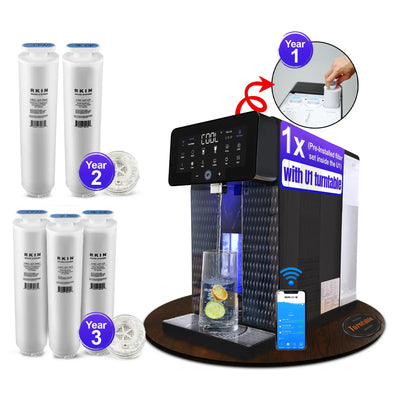
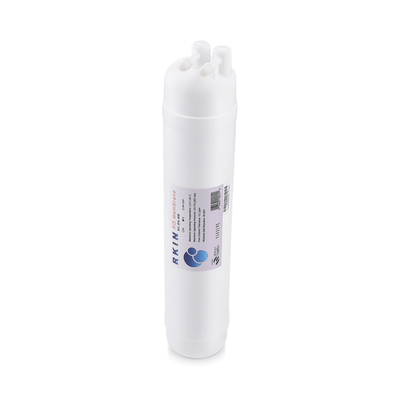
If you like the taste of bottled water, the AlcaPure post-filter adds a small amount of calcium and magnesium after reverse osmosis. The RKIN U1 also uses an alkaline post-filter that adds calcium and magnesium after reverse osmosis. The OnliPure post-filter is designed for a zero TDS reading. Both editions are available in the countertop Zero Installation Purifier and the RKIN Flash Undersink RO System.
What Reverse Osmosis Removes From Your Water
Reverse osmosis pushes water through a semi-permeable membrane. Some water passes through the membrane. The remaining stream carries away much of the dissolved material the membrane rejects. The EPA describes RO as a membrane process that can remove many inorganics, dissolved solids, radionuclides and synthetic organic chemicals.
"Dissolved solids" is the key phrase. Dissolved calcium and magnesium contribute to both water hardness and total dissolved solids. The membrane doesn't sort the minerals you like from the ones you don't. It reduces them together.
Calcium and magnesium contribute to total dissolved solids (TDS), along with other dissolved substances. The amount of either mineral left after reverse osmosis depends on the incoming water and how the membrane is performing. A handheld meter estimates total dissolved solids from conductivity. To find out how much calcium or magnesium is in your glass, use a test that measures the mineral itself.
Where the Removed Minerals Go
Reverse osmosis produces two streams. The filtered water passes through the membrane, and the concentrate carries away much of what the membrane rejects. In a plumbed system such as the RKIN Flash Undersink RO System, the concentrate flows to a drain. With the countertop Zero Installation Purifier, you empty the reject water from the bottom container.
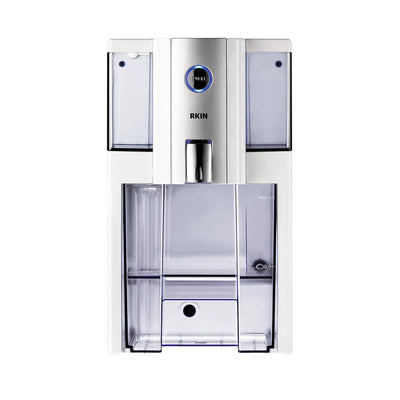
How much water goes each way is called the recovery rate. Fill the Zero Installation Purifier's bottom container with one gallon of tap water. The top container collects about half a gallon of filtered water. The other half is the concentrate, carrying the minerals and other dissolved solids the membrane removed.
A mineral post-filter adds calcium and magnesium after the water has passed through the membrane. That placement lets the added minerals reach your glass. If you added them to the feed water, the membrane would reject some of them along with the minerals already present.
Why Plain RO Water Tastes Different
Many people describe plain RO water as clean, light or "like nothing at all." Others find it a little flat compared with the bottled water they're used to. Lower dissolved-mineral content can change how water tastes. Which taste you prefer is personal.
None of this is a defect in the water. It's a question of taste, and taste decides whether your family actually drinks the water you've paid to purify. A system that makes water you don't enjoy ends up unused while the bottled water keeps coming home from the store.
That's the reason RKIN offers two finishes after the membrane, instead of one.
How a Mineral Post-Filter Adds Some Back
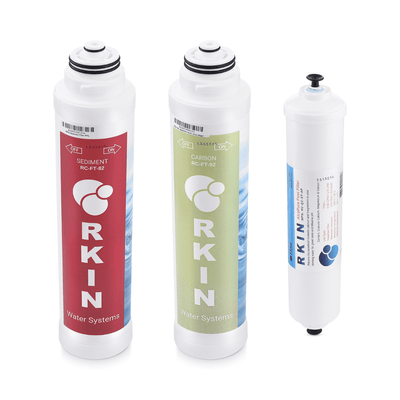
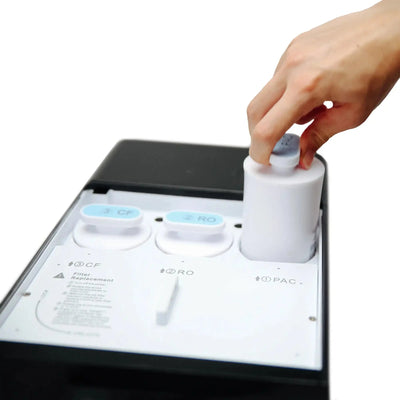
In the Zero Installation Purifier and RKIN Flash Undersink RO System, the post-filter is the final filtration stage. Each model comes in two editions:
- AlcaPure edition: returns a small amount of calcium and magnesium to the purified water, for a taste RKIN compares to your favorite bottled water, with a listed pH of 7-8.
- OnliPure edition: is designed to bring the TDS reading to zero.
Both editions use the same RO membrane within each model. The choice is what happens after that stage: AlcaPure adds a small amount of calcium and magnesium, and OnliPure is designed for a zero TDS reading.
RO Water With Minerals at Your Counter: The Zero Installation Purifier
If you rent, live in a condo or just don't want to touch your plumbing, the Zero Installation Purifier gives you RO water with your choice of finish on the countertop.
It works like a coffee maker. Fill the bottom container with about a gallon of tap water from your faucet, push the button and walk away. In about 15 minutes the top container holds half a gallon of purified water, and the unit turns itself off. There are no hoses or diverter valves to attach to your faucet, and it uses only 24W of power.
Choose AlcaPure for added calcium and magnesium, or OnliPure for a post-filter designed for a zero TDS reading.
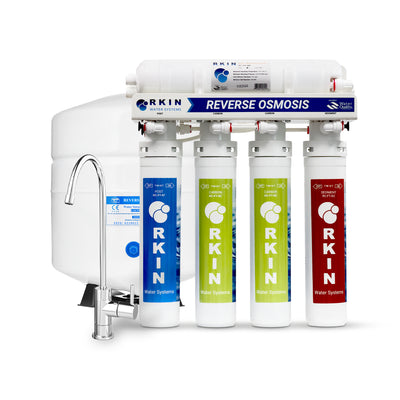
Both Editions Are Available in the RKIN Flash Undersink RO System
If you want an under-sink system with a dedicated faucet, the RKIN Flash Undersink RO System offers the same two finishes. Its AlcaPure post-filter returns a small amount of calcium and magnesium and RKIN lists its finished-water pH at 7-8. Its OnliPure post-filter is designed to bring the TDS reading to zero. RKIN lists the Flash AlcaPure post filter for replacement every 12 months or as needed.
In the under-sink system, filtered water goes into a storage tank first. When you open the dedicated faucet, the water passes through the final post-filter on its way to your glass.
How a Mineral Post-Filter Changes the Water in Your Glass
The mineral content of your finished water depends on where you are in the filtration process. Here's what changes from the tap to the glass.
- Tap water. The calcium and magnesium you start with depend on your water supply.
- Plain RO water. The membrane reduces dissolved minerals before any mineral post-filter adds some back.
- AlcaPure water. The final stage adds a small amount of calcium and magnesium back to the filtered water.
Adding minerals can raise the TDS reading. To find out how much calcium or magnesium is in your glass, use a test for those minerals. A TDS reading alone cannot establish whether water is safe to drink. Our guide to remineralized RO water TDS readings explains what to expect.
If you're choosing by taste, try plain and remineralized RO water side by side, at the same temperature. That comparison can help you decide which finish you'd prefer to drink.
The Bottom Line
Plain reverse osmosis water usually has less calcium and magnesium than the water it started with. If you want some back, a post-filter does that after purification. The AlcaPure edition returns a small amount of calcium and magnesium and RKIN lists its finished-water pH at 7-8. The OnliPure edition is designed to bring the TDS reading to zero. Pick the finish you'll enjoy drinking, and the purified water gets used.
Ready for RO water you'll want to drink every day? See the Zero Installation Purifier in AlcaPure and OnliPure editions.
Frequently Asked Questions
Does reverse osmosis water have minerals?
It can. Plain RO water usually contains less calcium and magnesium than the source water. An RO system with a mineral post-filter, like RKIN's AlcaPure edition, returns a small amount of calcium and magnesium after the membrane.
Does reverse osmosis remove calcium and magnesium?
Yes. The membrane reduces dissolved calcium and magnesium. The amount left in plain RO water depends on the incoming water and how the membrane is performing.
How do you add minerals back to RO water?
Use a mineral post-filter after the membrane. RKIN's AlcaPure post-filter returns a small amount of calcium and magnesium. RKIN lists the finished-water pH at 7-8.
Will an AlcaPure post-filter change the taste of RO water?
It can. The post-filter adds a small amount of calcium and magnesium after reverse osmosis. RKIN describes the taste as comparable to bottled water.
Where do the minerals go during reverse osmosis?
The minerals the membrane rejects leave with the concentrate. The Zero Installation Purifier produces about half a gallon of filtered water from one gallon of tap water.






0 comments