


algae toxins water filter
Does Reverse Osmosis Remove Algae Toxins From Water?

Short answer: reverse osmosis can help reduce many dissolved contaminants, but it does not override a harmful algal bloom drinking-water advisory. If local officials say not to drink the water, follow that notice first.
This question spikes every summer because warm water can fuel algae growth in lakes, reservoirs, and slow-moving water. The EPA explains that harmful algal blooms can produce toxins that affect drinking-water sources, recreation areas, and aquatic life. See the EPA overview here: Harmful Algal Blooms in Water Bodies. The CDC also warns people to follow local advisories and avoid suspect water during bloom events: CDC harmful algal bloom guidance.
Why algae blooms become a summer water issue
Algae is not new. Natural water bodies always contain microorganisms. The problem is that certain conditions can let algae grow fast: warm temperatures, sunlight, stagnant water, and nutrient runoff after storms. Summer checks all of those boxes in many parts of the U.S.
A bloom does not always mean toxins are present. Some blooms are mostly a taste-and-odor problem. Others can produce cyanotoxins such as microcystins. Homeowners usually cannot tell the difference by looking at a glass of water. That is why local testing and utility notices matter.
The reason I'm saying this first is because algae topics can turn into fear-copy quickly. The practical takeaway is simpler: if your water smells earthy or your utility mentions algae, look for the advisory language. A taste complaint and a do-not-drink notice are not the same situation.
Can you taste algae toxins in tap water?
Not reliably. Earthy, musty, or pond-like taste often comes from compounds such as geosmin and MIB. People can notice those compounds at very low levels, which is why a glass of water may taste off even when the utility says it meets drinking-water standards.
That does not mean you should ignore it. Taste is a useful early signal that source-water conditions changed. It is not a lab test. If the taste appears suddenly, check your water utility website, local notices, and any boil-water or do-not-drink alerts.
Also, do not assume boiling is the answer. For microbes, boiling can be useful when officials issue a boil-water notice. For harmful algal bloom toxins, CDC guidance is different. Boiling may not make the water safe and can release some toxins into the air. That is why the advisory wording matters.
What does reverse osmosis actually do?
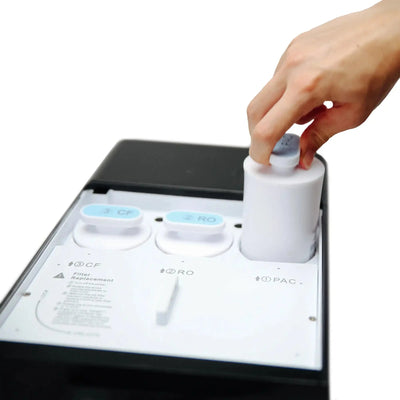
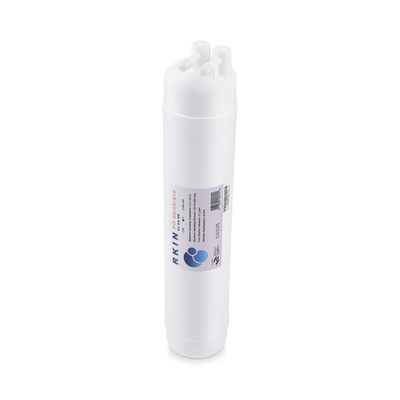
Reverse osmosis uses pressure to move water through a semi-permeable membrane. The membrane lets water pass while rejecting many dissolved substances. RO systems usually add prefilters and post-filters, often carbon, to protect the membrane and improve taste.
That combination is why RO is often considered for summer drinking-water concerns. Carbon can help with taste and odor. The RO membrane adds a barrier for many dissolved contaminants. UV, when included, adds another treatment step for certain microbes in the water path.
But no home filter should be treated as a magic pass during an active emergency advisory. A home system's job is day-to-day risk reduction and taste improvement. A public notice is based on current local testing and conditions. When those conflict, the notice wins.
What should you do during an algae-related advisory?
Start with the words used by your local authority. There is a big difference between these notices:
- Taste and odor notice: The utility may say water has an earthy smell but remains within standards.
- Boil-water notice: This usually points to microbial risk, pressure loss, or contamination from the distribution system.
- Do-not-drink notice: This is stronger. Use the water source recommended by officials.
- Do-not-use notice: This can apply when even contact may be a concern. Follow the notice exactly.
Use that notice as your decision tree. Do not reinterpret it based on the filter in your kitchen. If the notice says use bottled water or another source, do that until the advisory is lifted.
After the advisory ends, flush lines if your utility tells you to, replace filters if instructed, and then go back to your normal water plan. If you use a countertop or under-sink RO system, check its filter schedule so you are not asking an old cartridge to do new work.
What to check before you choose equipment
Before buying anything, separate three questions. First, is there an active advisory? If yes, follow it. Second, is the problem only taste and odor? If yes, a drinking-water system with carbon may solve the daily annoyance. Third, did a test or utility report name a contaminant? If yes, match the system to that named contaminant instead of buying by category alone.
This is the same way we would diagnose a house on a call. A lake-reservoir city supply with seasonal taste issues is not the same as a private well with sulfur odor, iron staining, or bacteria risk. The equipment can look similar from the outside, but the reason for the recommendation changes. That one step keeps you from buying a system for a problem you do not have, and it makes the final choice easier to explain to everyone in the house.
If you are on city water, read the annual Consumer Confidence Report and any current utility notices. If you are on a private well, test the water after flooding, nearby construction, or a major change in taste, smell, or color. The CDC notes that private well owners are responsible for testing and upkeep because wells are not managed by a public water utility.
What should a summer water filter setup include?
For everyday drinking water, look for a system that does more than one job. Summer water complaints often overlap: chlorine taste, earthy taste, sediment after storms, and concern about dissolved contaminants. One stage rarely handles all of that well.
A strong drinking-water setup usually includes:
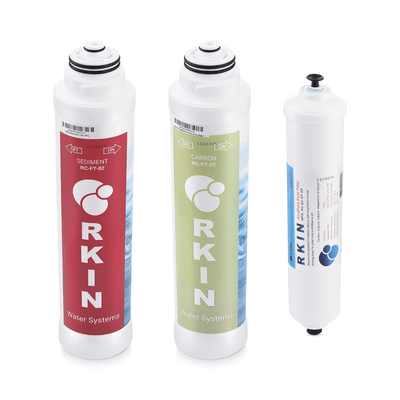
- Sediment filtration: Helps catch particles before they reach finer stages.
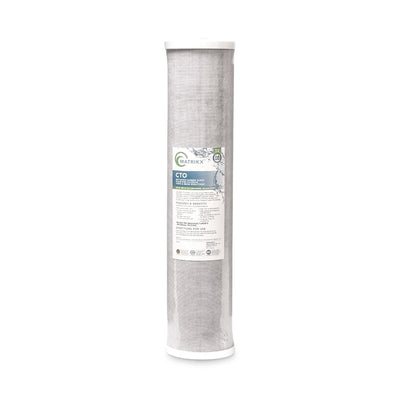
- Carbon filtration: Helps reduce chlorine taste, odor, and some organic compounds.
- Reverse osmosis: Helps reduce many dissolved substances that taste filters may miss.
- Clear maintenance timing: Filter life matters. A used-up cartridge is like a saturated sponge.
If you mainly want drinking water, start at the kitchen. If the whole house has scale, staining, sulfur odor, or sediment, then a broader water test makes sense before picking equipment.
Where RKIN fits after officials clear the water
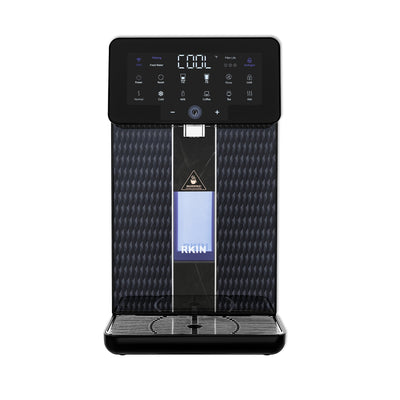
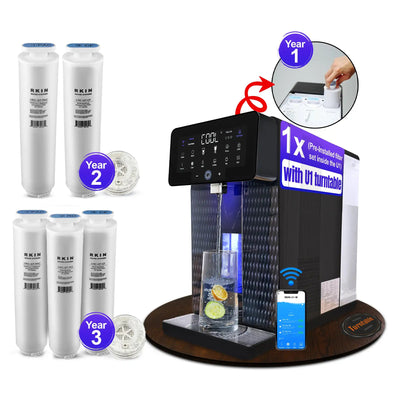
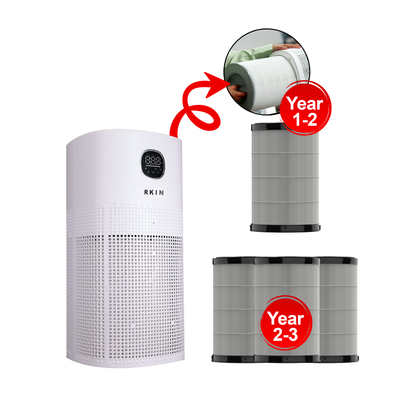
After officials clear the water for normal use, the RKIN U1-W Space-Saving 4-in-1 Water Filter System is a no-plumbing countertop RO system with a refill tank, remineralization, UV storage-water treatment, and hot and cold dispensing. Those features do not establish algae-toxin performance.
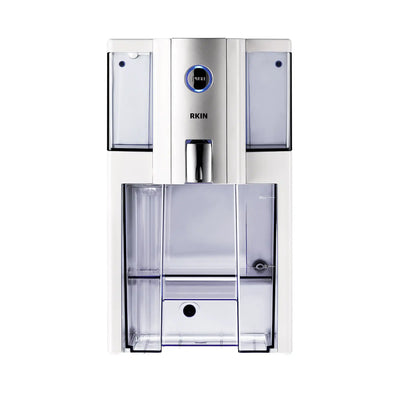
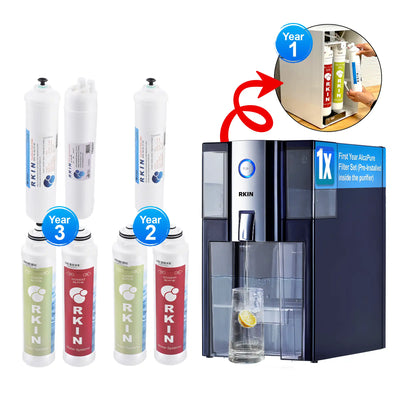
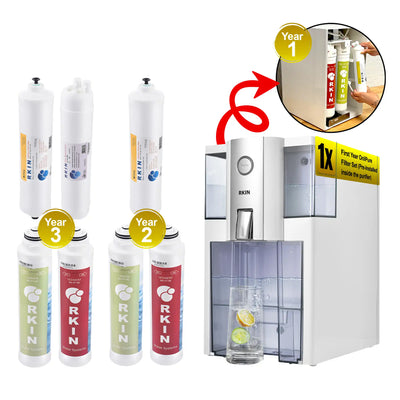
The Zero Installation Purifier is another no-plumbing countertop RO system with removable feed and purified-water tanks. Use it only within its documented contaminant claims and normal operating conditions.
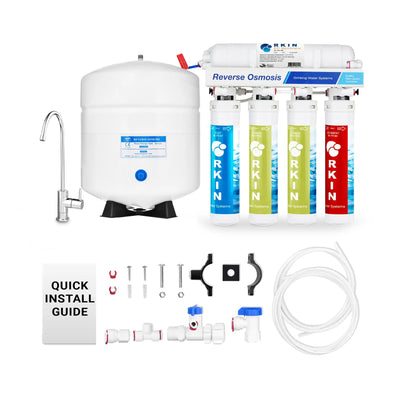
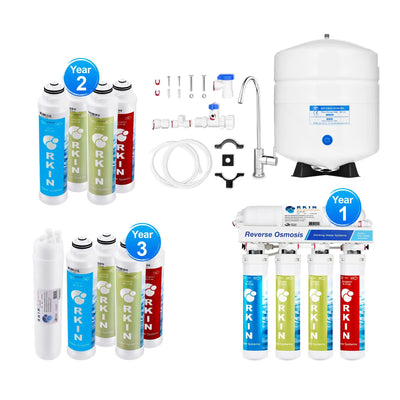
If you want an installed drinking-water system, the RKIN Flash Undersink RO System fits under the sink, feeds a dedicated faucet, and uses a 3.2-gallon storage tank. Its NSF/ANSI 58 certification applies to the RO membrane, not to algae-toxin performance for the complete system.
Me personally, I would not jump straight to a whole-house system for a seasonal taste issue unless testing shows a house-wide problem. Start with the water you drink, then expand only if the data says the rest of the house needs it.
Frequently Asked Questions
Does reverse osmosis remove algae toxins?
Reverse osmosis can reduce many dissolved contaminants and may help with certain algae-related toxins, especially when paired with carbon filtration. Still, homeowners should follow official drinking-water advisories first because a home system is not a substitute for emergency instructions.
Can I boil water to remove algae toxins?
No. CDC guidance warns that boiling water can release some toxins into the air and may not make water safe during a harmful algal bloom advisory. Follow the notice from your local water utility or health department.
Why does tap water taste earthy during algae season?
Earthy or musty taste often comes from compounds produced by algae or bacteria in source water. These taste compounds are usually noticed at very low levels and do not prove the water has toxins, but they are a sign to check local utility notices.
Should I use bottled water during an algae bloom advisory?
If local officials say not to drink tap water, use the water source they recommend, which may include bottled water. Return to filtered tap water only after the advisory is lifted and your utility gives clear instructions.
Which RKIN system is best for summer drinking water concerns?
After officials clear the water for normal use, RKIN offers countertop and under-sink RO layouts. Choose by installation needs and current model-specific performance data; none should override an advisory or be assumed to reduce an algae toxin without a matching test.
Ready to tighten up your summer drinking water?
If your water tastes earthy or your area gets summer bloom notices, start with the advisory, then choose filtration based on the problem. After the notice is lifted, compare current product documentation with your normal drinking-water goals before choosing a system.





0 comments