


countertop reverse osmosis noise
Is Countertop Reverse Osmosis Noisy? Ownership Guide

Short answer: some countertop reverse osmosis sound is normal. You may hear a pump, water movement, or a brief flush cycle; grinding, rattling, constant cycling, or a new sound after service should be checked against the manual.
That question is timely because more shoppers are looking at no-plumbing water systems while PFAS, lead pipes, and bottled-water concerns stay in the news. The EPA’s 2024 PFAS home-filter guidance points homeowners toward certified home filters when PFAS are found, and the agency’s WaterSense specification for point-of-use reverse osmosis includes batch countertop devices in the point-of-use RO category. In plain English: countertop reverse osmosis is no longer a niche workaround. It is a serious category, and owners need to know what living with one is like.
Why countertop reverse osmosis makes some noise
Reverse osmosis is a pressure-based process. Water is pushed across a thin membrane, treated water is separated, and concentrate water is routed away or collected depending on the system design. Any system that moves water through valves, pumps, tanks, or cartridges can make some sound.
The sound profile depends on the type of countertop system. Some connect to a faucet and rely on household water pressure. Others use a fill tank and electric pump. A faucet-connected unit may make more water-flow sound at the sink. A fill-tank unit may make a pump sound during a treatment cycle. Neither is automatically a defect.
What matters is pattern. A brief hum while the unit is making water is different from a grinding sound, repeated stop-start cycling, or a new noise after months of quiet use. The first sounds like operation. The second group deserves a checklist.
Use these questions before assuming the system is broken:
- Did the sound start on day one or appear after a filter change?
- Is the tank seated correctly and filled to the right line?
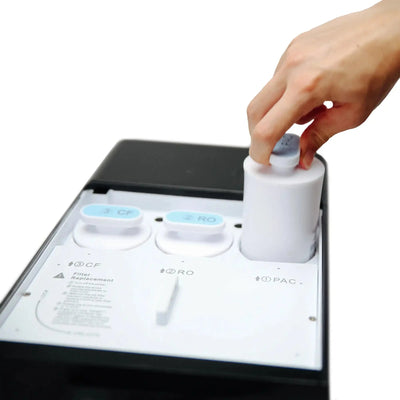
- Are cartridges locked in place according to the manual?
- Is the unit sitting level on a stable counter?
- Has the membrane or filter reached its replacement window?
What noise is normal, and what is not
Normal countertop reverse osmosis sounds are usually consistent and tied to water production. You may hear a pump hum, water trickle, air moving out during first use, or a brief change in tone as pressure changes. First-use sounds can also be more noticeable because new cartridges and lines are being wetted for the first time.
Sounds worth checking are different. A rattle may mean the unit is sitting on an uneven counter or too close to another appliance. A squeal can point to trapped air, a connection issue, or a part that is not seated well. Constant cycling can mean the system is trying to fill, flush, or pressurize but is not reaching the expected state.
Do not diagnose by volume alone. Kitchens vary. A small apartment kitchen with hard surfaces can make a normal pump sound louder than a larger kitchen with rugs and softer finishes. Place the unit on a stable surface, keep it away from loose dishes or metal trays, and run a full cycle while you watch. You are looking for repeatable behavior, not one odd noise.
If the manual gives a startup flush or priming step, follow it. Skipping first-use instructions is one of the easiest ways to create avoidable noise, taste, and flow complaints.
Filter questions to ask before buying
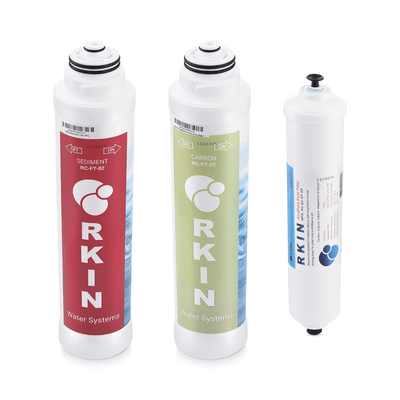
Ownership comfort is not only about sound. It is about knowing what the system needs over time. EPA’s 2024 WaterSense specification for point-of-use reverse osmosis says product instructions should identify expected replacement parts, such as membranes and filters, along with recommended replacement frequencies. That is a buyer-friendly standard even if you are not shopping only for WaterSense-labeled products.
Before buying any countertop reverse osmosis system, ask:
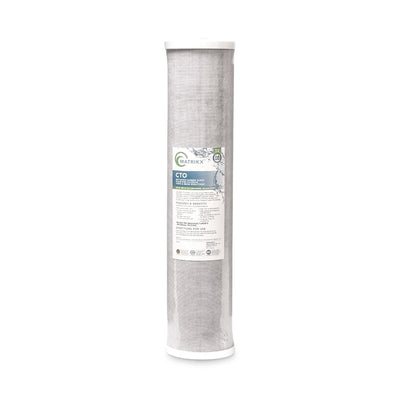
- Which filters and membranes are replaced by the customer?
- What are the replacement windows for each part?
- Are replacement filters named clearly on the product page?
- Does the product use a reminder, light, app, or manual schedule?
- What happens if filters are used beyond the recommended window?
- Is the warranty written in plain language?
- What support channel should an owner use if noise or flow changes?
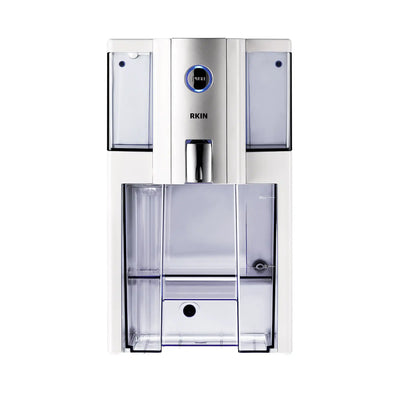
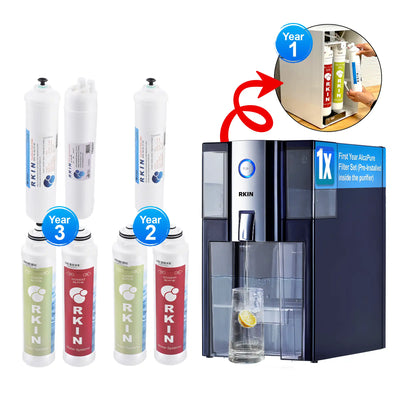
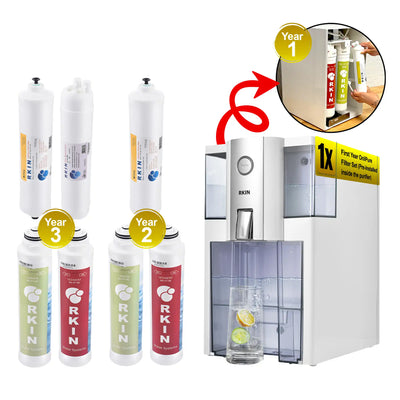
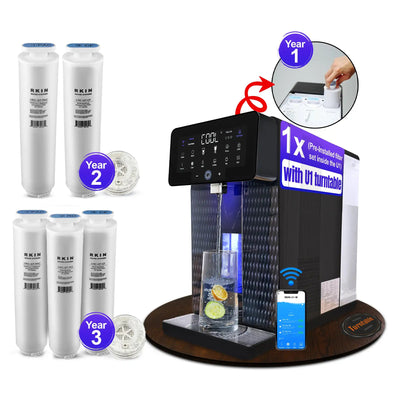
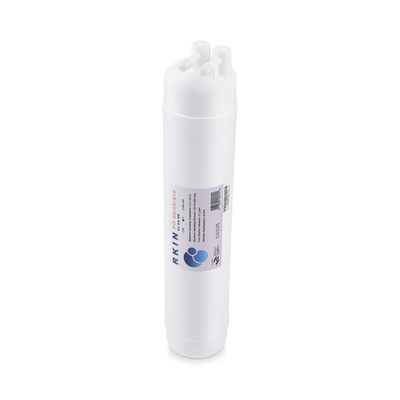
Replacement schedules are not universal. Water quality, usage, and design all matter. RKIN’s drinking water systems have different maintenance paths. The RKIN U1-W Space-Saving 4-in-1 Water Filter System uses a countertop fill-tank workflow. The Zero Installation Purifier Countertop Reverse Osmosis Water Filter uses a countertop design that avoids permanent under-sink installation. The RKIN Flash Undersink RO System is different again because it is installed under the sink with a storage tank.
That is why the smartest question is not “how often do RO filters change?” It is “what does this exact model require?”
Why countertop RO is different from a pitcher
A pitcher is simple: fill it, wait, pour. It can be a good taste upgrade, and some cartridges have contaminant-reduction claims. But a pitcher does not turn into reverse osmosis because the label says “advanced.”
NSF/ANSI 58 is the American National Standard for point-of-use reverse osmosis drinking water treatment systems. NSF materials describe the standard as covering requirements such as materials in contact with drinking water, structural integrity, TDS reduction, efficiency, and recovery rating. Many optional claims can also be verified under the standard, depending on the product.
The EPA’s PFAS home-filter guidance also names reverse osmosis as one of the filter types that can be effective at reducing PFAS when the product is certified for that claim and maintained as directed. That last phrase matters: maintained as directed. A strong technology still needs the right cartridge changes, membrane care, and setup.
Countertop reverse osmosis is for people who want deeper drinking-water treatment without turning the kitchen cabinet into a plumbing project. It is not the quietest possible filter category, and it is not the smallest. It is a trade-off: more treatment capability and no permanent install, in exchange for counter space, cycle sounds, and maintenance.
How to avoid ownership surprises
The biggest countertop reverse osmosis surprises usually come from expectations, not defects. Shoppers see “no installation” and assume “no routine.” That is not how any real filtration system works. Water treatment is an appliance habit.
Here is the ownership reality to check before you buy:
- Counter space: measure the footprint and leave room to fill or remove the tank.
- Outlet needs: confirm whether the unit is electric or pressure-driven.
- Water source: know whether it connects to a faucet or uses a fill tank.
- Treated-water volume: match the output to the number of people using it.
- Waste or concentrate handling: know whether water goes to the drain or a tank you empty.
- Cleaning steps: check whether reservoirs, trays, or spouts need periodic cleaning.
- Filter schedule: calendar the replacement windows on day one.
For apartment owners and renters, the no-plumbing angle is a real benefit. You can move the system, avoid drilling, and keep drinking-water treatment separate from landlord decisions. For high-volume families, under-sink reverse osmosis may be a better long-term fit because it keeps the counter clear and stores treated water out of sight.
RKIN options for different countertop buyers
If you want a countertop reverse osmosis option with no permanent under-sink plumbing, start with the Zero Installation Purifier Countertop Reverse Osmosis Water Filter. It is built for households that want RO drinking water without a remodel, dedicated faucet hole, or cabinet work.
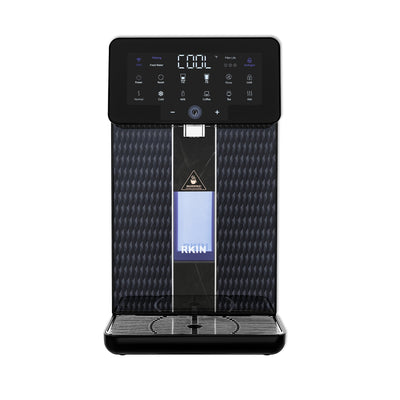
If your priority is a compact countertop appliance with a fill-tank routine, compare the RKIN U1-W Space-Saving 4-in-1 Water Filter System. It is a better fit for people who want a movable unit and do not want to connect anything under the sink.
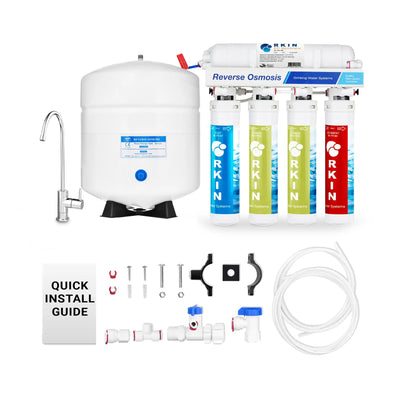
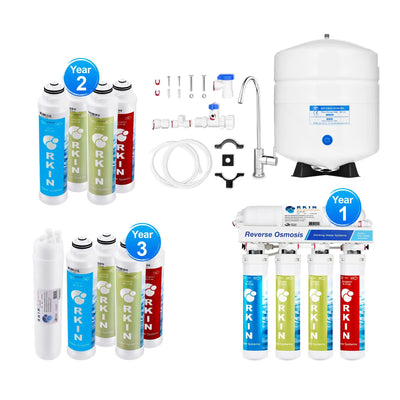
If you own your home and want the filtration appliance out of sight, the RKIN Flash Undersink RO System may fit better. It is an under-sink reverse osmosis system with a storage tank, so the ownership pattern is different from a countertop unit.
The point is not that one design wins for every kitchen. The point is fit. Countertop reverse osmosis works best when you choose it for the right reason: no permanent installation, credible treatment, and a routine you can live with.
Me personally, I would compare the sound with the manual before assuming the pump is failing.
Frequently Asked Questions
Is countertop reverse osmosis noisy?
Some sound is normal. Depending on the design, you may hear a pump, water movement, or a brief change in tone during a treatment cycle. Loud rattling, grinding, constant cycling, or a new sound after a filter change should be checked against the manual and support guidance.
Does countertop reverse osmosis need plumbing?
Many countertop reverse osmosis systems avoid permanent under-sink plumbing. Some connect temporarily at the faucet, while others use a fill tank and electric pump. Always check the exact model before buying, especially if you rent or cannot modify the sink area.
How often do countertop reverse osmosis filters need replacement?
It depends on the model, water quality, and usage. Check the product page and manual for the exact pre-filter, post-filter, and membrane schedule. Calendar the first replacement when the system arrives so maintenance does not become a guess.
Can countertop reverse osmosis reduce PFAS?
Reverse osmosis can be an effective PFAS-reduction technology when the specific product is certified or tested for the relevant PFAS claim and maintained as directed. The EPA tells shoppers to look for certification to NSF/ANSI 53 or NSF/ANSI 58 for PFAS reduction.
Should I choose countertop or under-sink reverse osmosis?
Choose countertop if you rent, cannot drill, want a movable appliance, or need a no-permanent-install setup. Choose under-sink if you own the home, want the system hidden, and prefer treated water from a dedicated faucet with a storage tank.
Ready to compare countertop reverse osmosis options?
A good countertop reverse osmosis system should be easy to understand before it ever reaches your kitchen: what it reduces, how it sounds during operation, what filters it uses, and how maintenance works.
Start with the Zero Installation Purifier Countertop Reverse Osmosis Water Filter if you want RO drinking water without permanent under-sink installation.






0 comments