


countertop reverse osmosis
Filtered Water Pitcher Too Small? Try Countertop RO

You can do everything “right” with a water pitcher and still run out before dinner. One person fills it, another empties it into a bottle, the coffee maker takes the rest, and suddenly the pitcher is back in the sink waiting on a slow refill.
That is the real search behind “filtered water pitcher too small.” It is not just a storage problem. It is a daily-use problem. Once your household starts treating filtered water as the default for drinking, cooking, coffee, ice, pets, and bottles, a small gravity pitcher can feel like a chore instead of a solution.
Why a Water Pitcher Starts Feeling Too Small
Most pitcher filters are built around convenience, not daily volume. They sit in the refrigerator, use gravity to move water through carbon media, and work best when your goal is better taste at one point in the kitchen. That can be enough for a single person who drinks a few glasses a day.
The friction shows up when your routine changes. Maybe you started filling larger bottles for school or workouts. Maybe two people now work from home. Maybe you cook rice, pasta, soup, coffee, and tea with filtered water instead of tap. The pitcher did not get worse; your use case outgrew it.
There is also the waiting problem. Gravity filtration is passive. If the top reservoir is empty, you cannot ask the pitcher to speed up. You refill it, put it back, and wait. That does not matter at breakfast once in a while. It matters when everyone is leaving the house in ten minutes.
Capacity is only one piece. Pitchers also vary widely in what they are tested to reduce. WQA notes that product certification programs test drinking water treatment units to NSF/ANSI standards; EPA also tells homeowners to review the system’s performance data sheet before choosing treatment. If your only complaint is a pool-like smell, a carbon pitcher may be a reasonable starting point. If you are trying to address dissolved substances like fluoride, nitrate, arsenic, or many PFAS concerns, you need to read the claim sheet, not the front label.
The simplest rule: a pitcher is a taste-and-convenience tool. If you need more output, broader reduction claims, or water for multiple daily routines, it is time to compare it with countertop reverse osmosis.
What Pitchers Do Well — and Where They Fall Short
A pitcher is not a bad product. It is small, familiar, portable, and easy to place in a refrigerator. For many homes, it is the first step away from bottled water and toward testing what is actually in the tap.
Pitchers are strongest when the problem is taste. Activated carbon can reduce chlorine taste and odor when the filter is fresh and the water has enough contact time with the media. That can make city water more pleasant for drinking and coffee.
But a pitcher has three limits homeowners feel quickly.
First, volume is limited. The water you filtered yesterday is the water you have ready today. If the household goes through more than the pitcher holds, someone becomes the refill manager.
Second, reduction claims are limited by the specific cartridge. A pitcher may reduce one category well and do little for another. That is why the fine print matters. Do not assume “filter” means “handles everything.”
Third, flow slows as the cartridge loads up. Sediment, minerals, and organic matter can all make a filter drag before the calendar says it is time to replace it. If your filtered water routine depends on speed, that slow-down becomes obvious.
Bottled water is not a clean fix either. It adds storage, hauling, plastic waste, and another item to remember at the store. A five-gallon jug can solve volume, but it creates a new routine: lifting, storing, returning, or scheduling deliveries.
If the pitcher is constantly empty, the better question is not “which bigger pitcher should I buy?” The better question is “which filtration lane matches how we actually use water?”
When Countertop Reverse Osmosis Makes More Sense
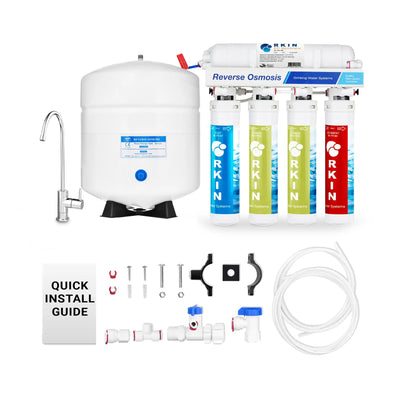
Countertop reverse osmosis is the middle lane between a pitcher and a plumbed under-sink system. It gives you membrane-based filtration without drilling the counter, tying into the drain, or giving up cabinet space.
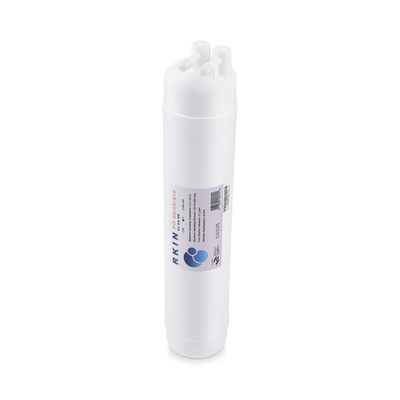
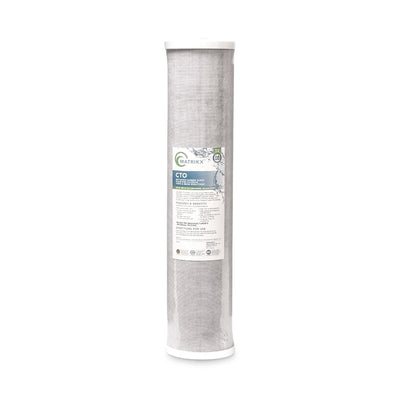
Reverse osmosis works differently from a standard carbon pitcher. Water is pushed through a very tight membrane that reduces many dissolved substances. The Water Quality Association explains that NSF/ANSI standards cover different water treatment technologies, including reverse osmosis systems. Many RO systems also include carbon stages before or after the membrane, which help with taste and protect the membrane from disinfectants.
For a high-use kitchen, that matters in three practical ways.
You get a dedicated filtered-water appliance instead of asking a refrigerator pitcher to serve the whole house. You can keep filtered water moving for bottles, cooking, coffee, pets, and ice trays without turning the fridge shelf into a bottleneck.
You also get a better fit for renters, apartments, and homes where plumbing changes are not wanted. A no-plumbing countertop system can sit on the counter and move with you later.
Finally, you can choose a system based on your water report. If your city report shows disinfectant residuals, fluoride, nitrate, or PFAS monitoring, you can compare those concerns against tested reduction claims. The 2024 EPA PFAS drinking water rule put more homeowners on alert about PFAS levels in public water systems. That does not mean every home has the same issue. It does mean the old “it tastes fine” test is not enough.
Countertop RO is not magic. It needs filter changes. It needs counter space. Most units have a feed tank or reservoir you still fill. But for homes that already know a pitcher is too small, it usually removes the biggest pain point: running daily filtered water through a tiny container.
How to Decide If You Should Upgrade
Before buying anything, map your actual water routine for two days. You do not need a spreadsheet. Me personally, I would just notice where the filtered water goes.
Track these uses:
- Drinking: glasses, work bottles, school bottles, nightstand bottles, and gym bottles.
- Cooking: coffee, tea, rice, pasta, soup, oatmeal, baby formula preparation, and pet bowls.
- Timing: whether everyone needs filtered water at the same rush-hour windows.
- Storage: how much refrigerator and counter space you can give up without creating clutter.
- Water report concerns: chlorine, chloramine, fluoride, nitrate, lead, arsenic, PFAS, hardness, sodium, and total dissolved solids.
If your main complaint is taste and your pitcher is rarely empty, keep it simple. Replace cartridges on schedule, flush new cartridges as directed, and check the claim sheet.
If the pitcher is empty every day, if you buy bottled water as backup, or if your concern goes beyond chlorine taste, look at reverse osmosis.
If you own the home and want filtered water from a dedicated faucet, an under-sink RO system may fit. If you rent, move often, or do not want plumbing work, a countertop RO system is usually the cleaner path.
One caution: do not use total dissolved solids as the only scorecard. TDS tells you how much dissolved material is in the water, not what that material is. Two water samples can have the same TDS and very different concerns. Use TDS as one clue, then read your city water report or run a certified lab test if the decision matters.
Where RKIN Fits
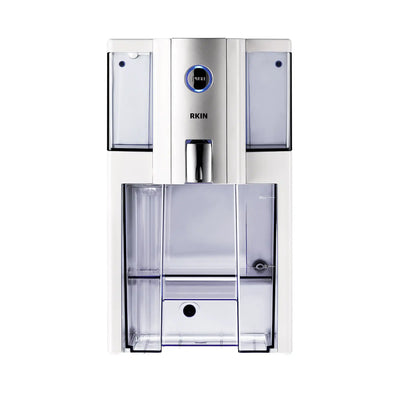
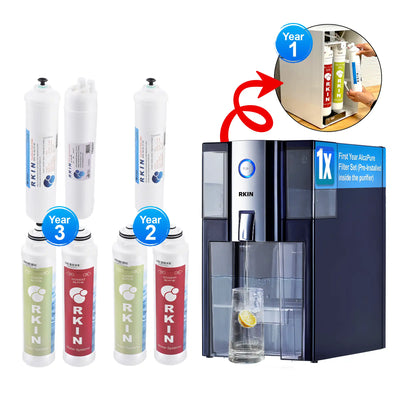
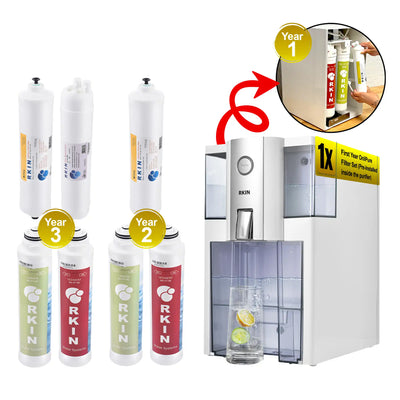
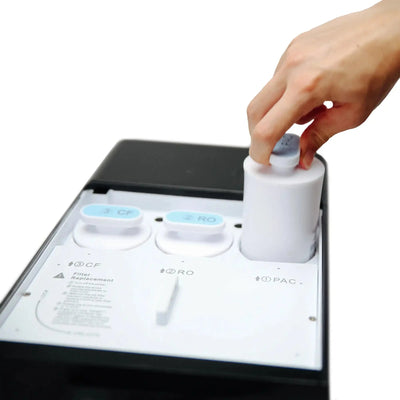
This is what the RKIN Zero Installation Purifier Countertop Reverse Osmosis Water Filter is designed for: people who want RO-level drinking water without a plumber, a drilled counter, or an under-sink tank.
It is a countertop reverse osmosis system with no permanent installation. That makes it a natural fit for renters, apartment kitchens, offices, and homeowners who want a serious drinking-water upgrade without turning it into a project.
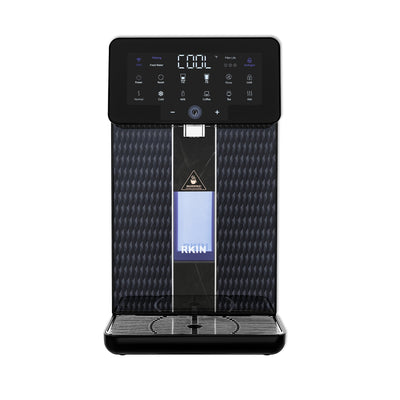
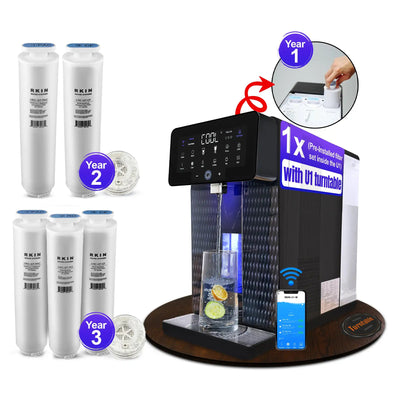
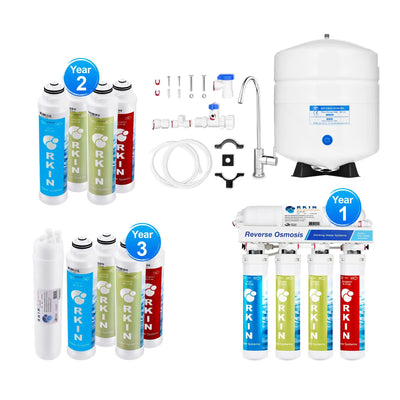
For smaller spaces, the RKIN U1 4-in-1 Water Filter System is another countertop option with a fill tank design. The right choice depends on counter space, daily volume, and whether you want the features of one system over the other.
The point is not to buy the largest filter you can find. The point is to stop forcing a tiny pitcher to do a full household job.
Frequently Asked Questions
Is a water filter pitcher enough for daily drinking water?
Sometimes. A pitcher can be enough for one person or a low-use kitchen when the main goal is better taste. It starts to feel too small when you use filtered water for bottles, coffee, cooking, pets, and more than one person’s daily routine. Capacity and cartridge claims matter more than the pitcher brand.
Is countertop reverse osmosis better than a pitcher?
Countertop reverse osmosis is usually a better fit when you need higher daily output or broader contaminant reduction than a basic carbon pitcher provides. A pitcher may handle chlorine taste well. RO is the better lane for many dissolved substances, depending on the system’s tested claims and your water report.
Do countertop RO systems need plumbing?
Some countertop systems are designed with no permanent plumbing. The RKIN Zero Installation Purifier Countertop Reverse Osmosis Water Filter, for example, is built for people who want reverse osmosis drinking water without drilling, faucet changes, or under-sink installation.
How do I know if my pitcher filter is too small?
If the pitcher is empty at least once a day, if you refill it mainly because someone else forgot, or if you still buy bottled water as backup, it is too small for your routine. Also look at what you want reduced. Capacity does not matter if the cartridge is not built for your actual water concern.
Should I test my tap water before choosing a filter?
Yes. Start with your city water report if you are on municipal water, or a lab test if you are on a private well. Taste and smell can point you in the right direction, but they do not identify every contaminant. Match the filter to the data.
Ready to Upgrade Your Daily Water Routine?
If your water pitcher is always empty, the issue is not your memory. It is a mismatch between the tool and the job.
Start with the RKIN Zero Installation Purifier Countertop Reverse Osmosis Water Filter if you want RO-level drinking water without permanent installation. For a smaller countertop footprint, compare it with the RKIN U1 4-in-1 Water Filter System and choose based on your kitchen, not someone else’s setup.






0 comments