


boil water advisory filter
Filtered Water During a Boil Advisory: Safe Home Steps

During a boil-water advisory, follow the utility or health department instructions; a home filter does not replace boiling. Use properly boiled or approved bottled water for drinking, cooking, ice, brushing teeth, and infant formula until officials issue the all-clear.
The short answer: filtered water during a boil advisory is not automatically ready to drink. The EPA's emergency disinfection guidance says local authorities may recommend bottled, boiled, or disinfected water when normal service is interrupted, and it notes that boiling or disinfection targets microorganisms, not heavy metals, salts, or most other chemicals. That difference is the whole point of this guide.
Why a Boil Advisory Is Different From Bad-Tasting Water
A boil advisory is usually about possible microbial contamination. That can happen after a drop in pressure, a broken water main, flooding near a treatment plant, or a local test result that makes the utility cautious. The advisory does not always mean the water is visibly dirty. It means the system cannot yet vouch for the water at the tap.
That is different from a taste, odor, or mineral problem. Chlorine smell, cloudy water, hard water spots, or a metallic taste may be annoying, but those clues do not automatically mean the same thing as a boil advisory. During an advisory, the city or county is telling you to treat the water as if unwanted organisms could be present until they say otherwise.
This is where many homeowners get tripped up. A refrigerator filter, pitcher filter, carbon filter, or countertop filter may improve taste or reduce certain chemicals under normal conditions. But most common home filters are not designed to make microbiologically unsafe water safe during a public boil advisory. If your local notice says boil, the filter does not overrule that notice.
The practical rule is simple: follow the advisory first, then use filtration for the problems filtration is built to handle.
What To Do First During the Advisory
Start with the notice from your local utility, county, or emergency management office. It should tell you who is affected, what water uses are restricted, and when the advisory is lifted. If the notice is unclear, use the most conservative path for drinking, cooking, brushing teeth, baby formula, pet bowls, and ice.
For water you plan to drink or use in food, use bottled water if you have it. If not, follow the boil instructions from the local authority. The EPA guidance linked above gives emergency disinfection steps, but your local notice wins because it is based on the reason for the advisory in your area.
Do not assume these shortcuts replace boiling:
- Running water through a refrigerator filter: These filters are usually built for taste, odor, chlorine, and some listed contaminants under normal utility conditions.
- Using a pitcher filter: Pitchers can improve taste, but they are not a boil-advisory bypass unless the device is specifically rated for the threat named in the notice.
- Boiling then filtering through an old cartridge: If a filter has been sitting wet or past its service life, it is not the cleanest final step.
- Making ice from filtered tap water: If the water needs boiling, the ice made from that water should be treated with the same caution.
If water pressure was lost, avoid using appliances that automatically pull water until the notice is lifted or the utility gives instructions. That includes ice makers and refrigerator water dispensers. When in doubt, shut them off, then flush and replace filters later according to the appliance manual.
Where Home Filters Help — and Where They Don't
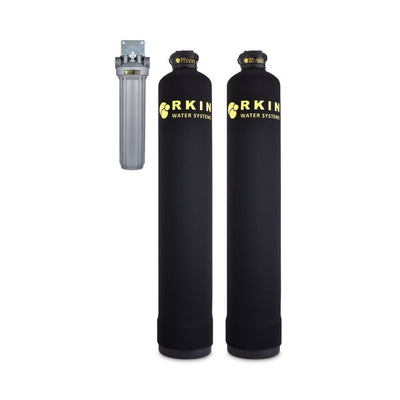
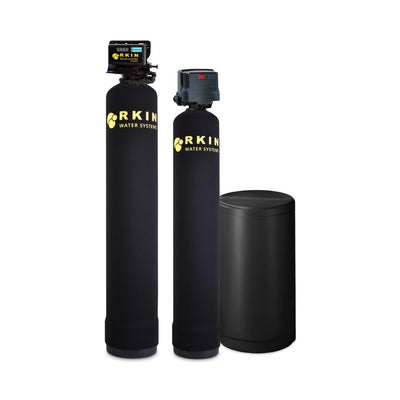
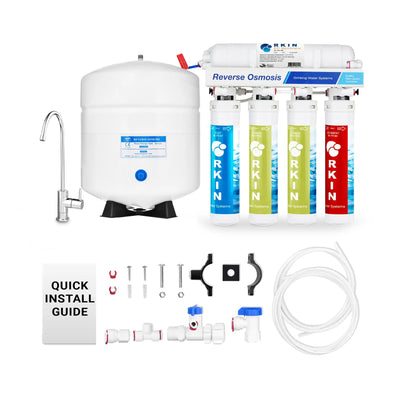
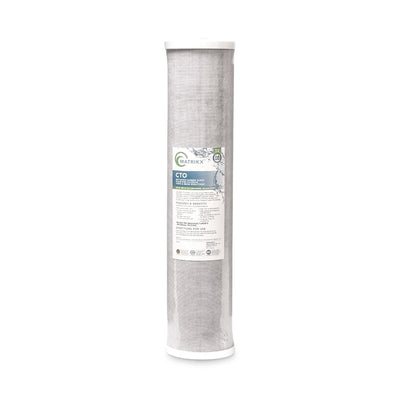
Filters are not all built for the same job. Carbon filters can reduce chlorine taste and odor and may reduce certain chemicals depending on the cartridge. Reverse osmosis systems use a membrane to reduce many dissolved substances that simple carbon alone may miss. Whole-house systems can help with sediment, chlorine, hardness minerals, iron, sulfur odor, or other house-wide concerns depending on the setup.
But a boil advisory is a public water notice, not a shopping category. The first question is not “Which filter is best?” It is “What did the utility tell me to do until the advisory is lifted?”
After that, filtration becomes useful in two ways.
First, it helps you return to better everyday drinking water once the notice is over. After the all-clear, water may still taste odd because of flushing, higher disinfectant levels, disturbed sediment, or stagnant water in home plumbing. A good point-of-use drinking water system can help with taste and a broad set of everyday contaminants.
Second, it helps you prepare before the next storm or main break. A stocked case of bottled water solves the immediate boil-advisory window. A well-chosen filtration system solves the normal days in between, when your water is technically allowed but still not what you want to drink.
That distinction keeps you from overbuying and from trusting the wrong tool at the wrong time.
After the Advisory Is Lifted: Reset Your Water Routine
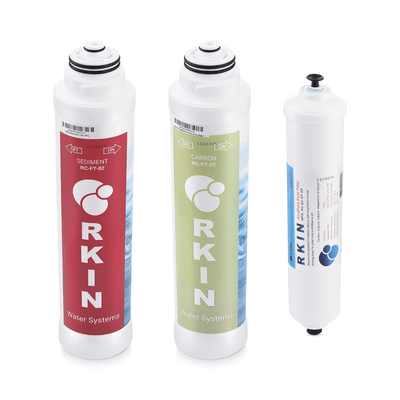
Once the utility lifts the notice, do not jump straight back to normal without a quick reset. Run cold water from each tap for a few minutes or follow the flushing instructions from your local authority. Empty and clean automatic ice bins if they made ice during the advisory. Replace refrigerator or inline filters if the manufacturer recommends it after a contamination event or pressure loss.
If you use a countertop or undersink drinking water system, check the manual for filter replacement guidance. You may not need to replace every cartridge after every short advisory, but you should not guess if the system pulled untreated advisory water through the filters.
This is also a good time to look at why you care about filtered water in the first place. If your main issue is storm readiness, keep emergency bottled water on hand and know your local notice sources. If your main issue is everyday taste, chlorine, PFAS concerns, lead from older plumbing, fluoride, arsenic, or total dissolved solids, then reverse osmosis may be a better fit than a basic taste filter.
The EPA's drinking water contaminant information is a useful reminder that water quality covers many categories: microbial, inorganic, organic, disinfectants, byproducts, and radiological contaminants. No single filter should be judged by vague marketing language. Look at the contaminant list, the technology, and the testing.
The RKIN Fit: Better Daily Water, Not a Shortcut Around Advisories
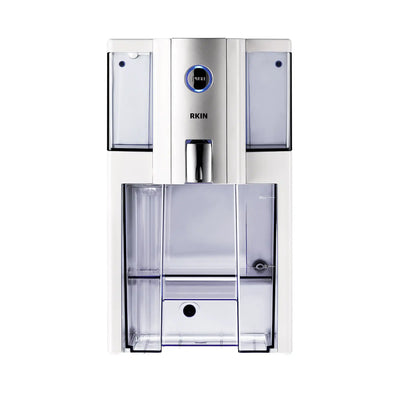
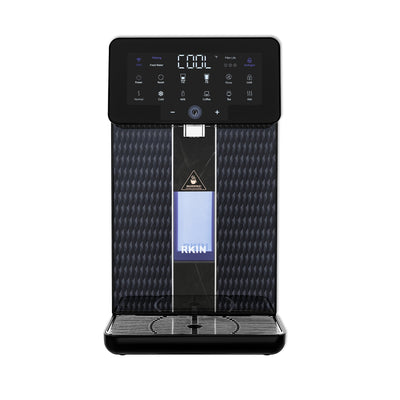
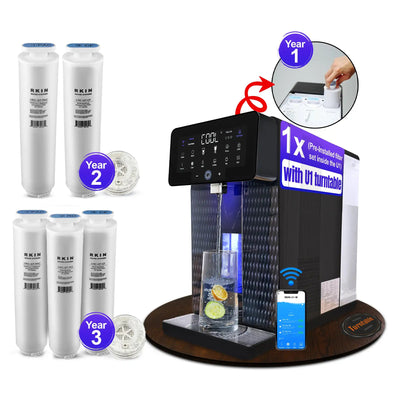
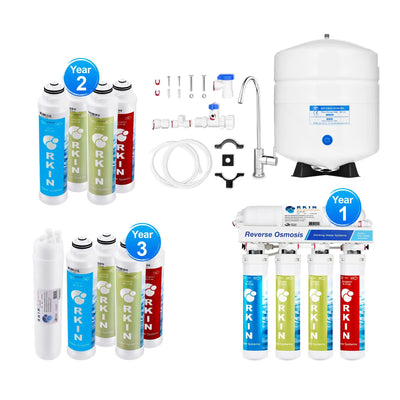
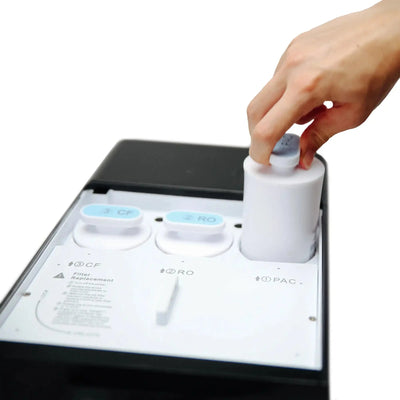
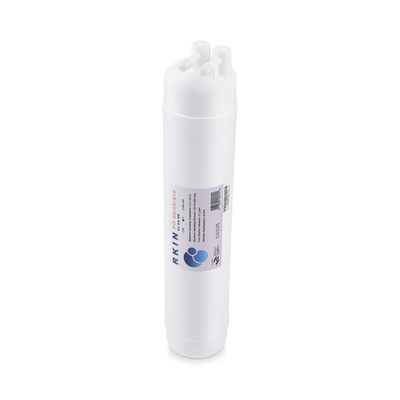
This is what the RKIN U1 4-in-1 Water Filter System is built for: better everyday drinking water at the countertop without plumbing changes. It combines sediment filtration, carbon filtration, reverse osmosis, UV, and post-filtration in a compact unit with a fill tank.
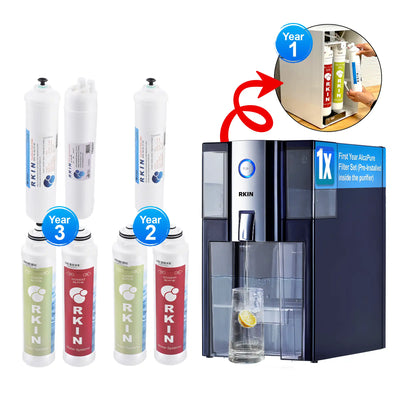
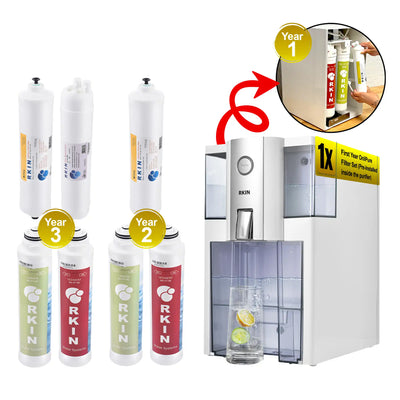
For renters, condos, and storm-prone areas where permanent plumbing work is not ideal, the Zero Installation Purifier Countertop Reverse Osmosis Water Filter is another no-plumbing option for daily drinking water. It is not a reason to ignore a boil notice. It is a way to improve normal tap water once the source is cleared for use.
During an active boil advisory, use bottled or properly boiled water until the advisory is lifted. Then use the right filter for your normal water concerns.
Frequently Asked Questions
Can I drink filtered water during a boil advisory?
Only if your local authority says it is okay or if the water has been treated according to the advisory first. Most household filters are not a substitute for a public boil advisory. Use bottled water or follow local boil instructions for drinking, cooking, brushing teeth, and ice until the notice is lifted.
Does boiling water remove chemicals too?
Boiling is mainly a microbial step. The EPA notes that boiling or disinfection does not destroy heavy metals, salts, and most other chemicals. If the advisory involves a chemical spill or another non-microbial issue, follow the exact local notice. Do not assume boiling or filtering fixes every water problem.
Should I replace my refrigerator filter after a boil advisory?
Check your refrigerator manual and the local notice. If the appliance ran water or made ice during the advisory, replacement and flushing may be recommended. At minimum, discard ice made during the advisory and flush the dispenser after the all-clear.
Is reverse osmosis useful after a boil advisory is lifted?
Yes, reverse osmosis can be useful for everyday drinking water once the water is cleared for use. It can reduce many dissolved substances that basic taste filters may not address. It should not be treated as permission to ignore an active boil notice.
What should I keep at home for storm season water prep?
Keep emergency drinking water, know where your local notices are posted, and write down appliance flushing steps before you need them. For everyday water after normal service returns, choose filtration based on your water report, taste concerns, and whether you can modify plumbing.
Ready to Upgrade Your Everyday Water?
A boil advisory is the wrong moment to improvise. Set up your emergency water plan first, then choose a daily drinking water system that fits your home.
For no-plumbing reverse osmosis, start with the RKIN U1 4-in-1 Water Filter System. If you want a countertop reverse osmosis option with zero installation, compare it with the Zero Installation Purifier Countertop Reverse Osmosis Water Filter and choose the setup you will actually use every day.




0 comments