


low water pressure after whole house filter
Low Water Pressure After Whole House Filter? Check This

Low water pressure after a whole house filter is not one problem. It can be a clogged cartridge, an undersized housing, a filter that is too fine for the water, a bypass valve left half closed, a well pressure issue, or a system that was never sized for the way your home actually uses water.
That is why the right first move is not buying another cartridge at random. Start by proving where the pressure loss begins. Then match the fix to the water source, the treatment goal, and the number of fixtures your home runs at the same time.
Why pressure drops after a whole house filter
A whole house filter sits on the main line, so every shower, faucet, washing machine, water heater, dishwasher, and hose bib may pass through it. That is useful when the goal is whole-home treatment, but it also means the system has to support real household flow. A filter that feels fine when one faucet is open can feel undersized when a shower, washing machine, and kitchen faucet run together.
The EPA home drinking water filtration fact sheet makes the larger point: home treatment has to match the contaminant or water-quality issue. In practice, whole-house design also has to match hydraulics. A sediment cartridge, carbon tank, specialty media bed, softener, and reverse osmosis system do different jobs and create different amounts of restriction.
The most common pressure-drop causes are simple:
- The cartridge is loaded with sediment and needs service.
- The micron rating is too fine for the amount of particulate in the water.
- The housing or port size is too small for peak household flow.
- Too many treatment stages are installed in one series path.
- A valve is partly closed after service.
- A well pump, pressure tank, or pressure switch is already weak.
- The system was chosen from a label, not from water data and flow demand.
If the pressure changed the same day the filter was installed or serviced, start with valves, housing, cartridge type, and trapped air. If the pressure slowly got worse over weeks, suspect loading, sediment, iron, biofilm, or a maintenance interval that is too long for your water.
What does not work
Do not solve pressure loss by choosing the finest filter you can find. A lower micron number is not automatically better. A fine cartridge can catch smaller particles, but it also creates more resistance and clogs faster when the incoming water has visible sediment. On a whole-home line, that can turn one nuisance issue into weak showers throughout the house.
Do not remove the filter and call the problem fixed. A bypass test is useful for diagnosis, but a permanent bypass means the water-quality issue is untreated again. If a filter clogs quickly, the answer may be staged filtration, a larger housing, a washable spin-down prefilter, different media, or a water test that shows the current system is aimed at the wrong target.
Do not assume the city or well is always to blame. If every fixture has low pressure only after the filter, the treatment path deserves inspection. If pressure is weak before the filter too, the issue may be the municipal service, a shutoff valve, a pressure regulator, a well pump, or a pressure tank.
Do not use a TDS meter as the answer. Total dissolved solids can show broad mineral content, but it will not tell you whether the filter is clogged with sediment, iron particles, manganese, carbon fines, or another load.
A practical pressure checklist
Start with the simplest checks first. They do not replace a plumber or water professional, but they keep you from guessing.
1. Confirm whether the issue is whole-home or one fixture
Run cold water at several fixtures. Check a bathroom sink, kitchen sink, shower, laundry sink, and an outdoor hose bib if it is on the same treated line. If only one fixture is slow, remove and clean the aerator or showerhead before blaming the filter. Sediment released during a cartridge change can plug a small screen quickly.
If every fixture is weak, the restriction is likely upstream of those fixtures. That could be the filter, a valve, pressure regulator, softener, well equipment, or the supply itself.
2. Check the bypass position
Most whole-house systems include a bypass. After service, confirm the bypass is fully in the normal service position and that nearby ball valves are fully open. A valve that looks open but is not aligned with the pipe can reduce flow enough to feel like a clogged filter.
This check matters after cartridge changes, plumbing repairs, vacation shutoffs, and any visit where someone touched the main line.
3. Compare pressure before and after the filter
If your setup has gauges before and after the filter, read both while water is flowing. Static pressure with every tap closed is less useful because the problem appears under demand. A large drop across the filter while fixtures are running points to restriction in that stage.
No gauges? You can still learn from a bypass test. If pressure returns when the filter is bypassed, the filter path is the likely bottleneck. If pressure stays low with the filter bypassed, keep looking upstream.
Check the Cartridge and System Size
4. Look at cartridge age and visible loading
A cartridge that looks dark, gritty, slimy, orange, black, or packed with fine sediment is giving you evidence. The filter may be doing its job, but the incoming water may be heavier than expected. That is common after utility work, heavy rain on a well, aging pipes, or construction that disturbs sediment.
If a cartridge rated for months is clogging in days or weeks, do not keep replacing it blindly. Test the water and rethink the first stage.
5. Revisit the micron rating
A 1-micron cartridge catches finer particles than a 20-micron cartridge, but it can also choke a whole-home line if it is used as the first catch point. Many homes need a larger first stage for coarse sediment, then finer treatment only where it belongs.
The right micron rating depends on particle size, water source, flow need, and what downstream equipment must be protected. Finer is not a moral victory. Correct is the goal.
6. Check whether the system is undersized for peak flow
A whole-house filter has to handle moments, not averages. Your home may not use much water over a full day, but pressure complaints happen when multiple fixtures run at once. A small housing may pass one faucet, then struggle when a shower and washer run together.
Ask three questions:
- How many fixtures do we realistically run at the same time?
- What flow rate is the exact filter or media rated for?
- What pressure drop does that product create at that flow?
If those answers are not documented, you may be dealing with a sizing problem rather than a maintenance problem.
7. Separate city-water and well-water causes
City water can bring temporary sediment after main work, hydrant flushing, pressure changes, or repairs. Check the utility notice and your Consumer Confidence Report if the issue is new. If neighbors have the same pressure change, that is different from a filter-only issue inside one home.
Well water adds more variables. Sediment, iron, manganese, sulfur odor, pump cycling, pressure-tank settings, and well recovery can all affect flow. The EPA private well guidance tells well owners to use certified drinking-water laboratories when testing water. If pressure loss came with color, odor, particles, or a storm event, testing is part of the fix.
When a whole house system should be redesigned
A pressure problem can be a sign that the treatment train is out of order. For example, a fine carbon block cartridge may not belong as the first whole-home stage if the home has heavy sediment. A softener can be affected by iron or sediment. A drinking-water reverse osmosis system belongs at the tap, not as a whole-home pressure patch.
Redesign is worth considering when:
- Pressure drops quickly after every cartridge change.
- Cartridges clog faster than the expected service interval.
- The home has visible sediment, orange staining, sulfur odor, or black particles.
- The filter is rated below the home’s peak flow need.
- The pressure is weak only when multiple fixtures run.
- The system was installed without a current water test.
The best design starts with source water, not with a catalog. City water and private wells usually need different first moves. A city-water home with chlorine taste may need carbon. A well-water home with sediment and iron may need sediment control and well-specific media before scale control. A home focused on drinking-water contaminants may need a point-of-use RO system for the kitchen.
Where RKIN fits
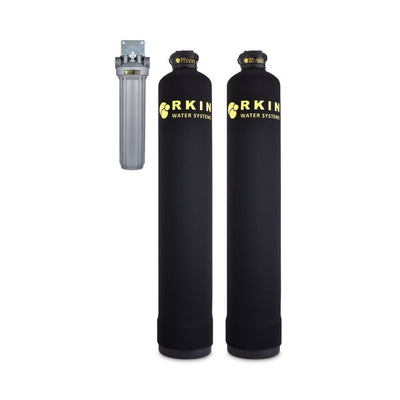
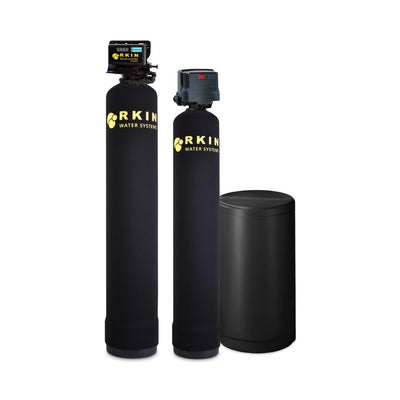
This is what RKIN Whole House Water Treatment is built around: matching the equipment to the home instead of guessing. The right path depends on whether you have city water or well water, what the water test shows, how many fixtures you run at once, and whether your goal is sediment control, taste and odor, hardness management, or drinking-water contaminant reduction.
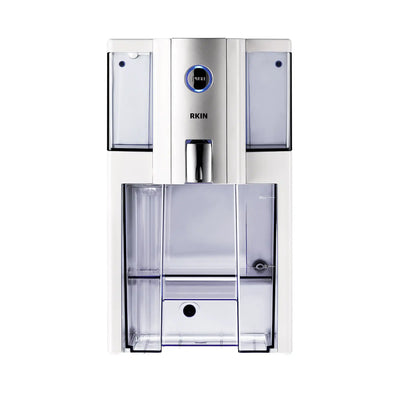
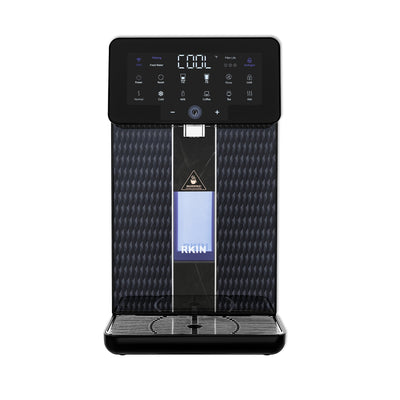
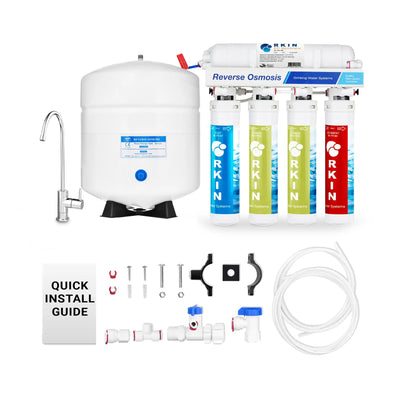
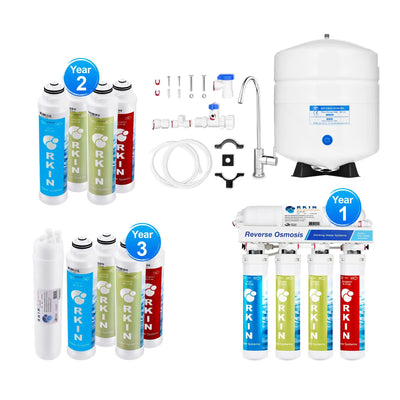
For some homes, the answer is a properly sized whole-house setup. For others, the better plan is whole-home treatment for nuisance issues plus a kitchen drinking-water system such as the RKIN Zero Installation Purifier Countertop Reverse Osmosis Water Filter or the RKIN Flash Undersink RO System. The important part is not adding stages for the sake of adding stages. It is solving the confirmed problem while keeping flow usable.
Me personally, I would test the bypass and measure pressure before changing another cartridge.
Frequently Asked Questions
Why did my water pressure drop after changing a whole house filter?
The new cartridge may be more restrictive than the old one, installed incorrectly, not fully seated, or catching sediment that was released during service. Also check that every bypass and shutoff valve is fully open. If pressure improves when the filter is bypassed, focus on the cartridge, housing, or treatment path.
Can a whole house water filter reduce water pressure?
Yes. Any filter adds some resistance. The question is whether the pressure drop is reasonable for the home. A properly sized system should support normal fixture use. A clogged, undersized, too-fine, or poorly staged filter can make showers weak and fixtures slow.
Should I use a finer cartridge if my water has sediment?
Not automatically. A finer cartridge may clog faster and reduce flow. Heavy sediment often needs the right first stage before finer filtration. Match the cartridge to the particle load, flow need, and downstream equipment instead of choosing the lowest micron rating by default.
Is low pressure after a whole house filter a plumbing issue or a water issue?
It can be either. If pressure is low before the filter, look upstream at supply, valves, regulator, pump, or pressure tank. If pressure is normal before the filter and weak after it, the filter path is likely the restriction. If color, odor, or particles are present, test the water too.
What should I do before buying another filter?
Document when the pressure drops, which fixtures are affected, whether bypass restores pressure, the cartridge age, the micron rating, and whether the home is on city water or a private well. If you have a well or recurring sediment, get a current water test before choosing equipment.
Ready to Fix the Pressure Drop?
If a whole house filter made your water pressure worse, do not guess your way through another cartridge. Start with the checklist, confirm where the restriction begins, and match the system to your water and flow demand.
Review RKIN Whole House Water Treatment or contact RKIN with your water source, test results, and pressure symptoms so the next step fits the home.






0 comments