


onlisoft maintenance
Salt-Free Conditioner Maintenance: What to Replace

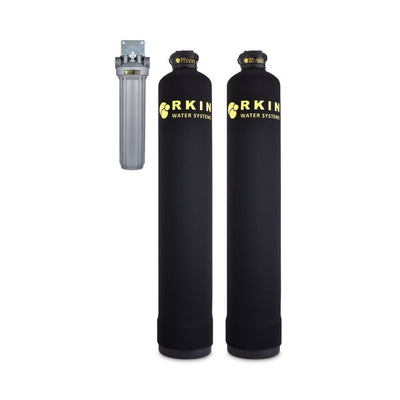
Short answer: OnliSoft conditioning media is designed as a lifetime media, but the sediment prefilter is replaceable. Owners should also watch pressure, flow, leaks, bypass position, and changes in the untreated water instead of assuming the main tank needs routine media changes.
Separate Lifetime Media From Replaceable Parts
The conditioning tank and the sediment prefilter do different jobs. The main media is intended to stay in service. The prefilter is a wear item that catches particles before they reach the tank. Treating both parts as if they share one replacement date leads to either wasted cartridges or neglected maintenance.
The OnliSoft maintenance guide, accessed September 23, 2026, is the starting source for lifetime media, the initial 48-hour soak, operating limits, prefilter service, and well-water cautions.
Use the current guide for the exact model. A cartridge interval printed for one version should not be copied to another housing without checking the model and cartridge number.
Use the Model's Prefilter Interval as a Starting Point
A calendar reminder is useful, but it is not the only signal. Sediment load changes from one home to another. Utility work, private-well changes, construction, or older plumbing can load a cartridge faster than expected.
Record the new-cartridge pressure and normal shower flow. If flow falls or the pressure difference across the prefilter grows, inspect it even if the reminder date is weeks away. A dark cartridge may show it has been collecting material, but appearance alone does not tell you every water condition.
- Match the cartridge to the exact housing.
- Relieve pressure before opening the housing.
- Clean and inspect the housing seal.
- Repressurize slowly and check for leaks.
- Record the date, pressure, and reason for the change.
Pressure and Flow Are Maintenance Clues
A sudden pressure drop after the treatment equipment is a reason to inspect the prefilter, valve positions, and plumbing before blaming the conditioner tank. Compare pressure before and after the unit if gauges are installed. If bypass restores normal flow, the restriction is probably inside the treatment setup.
If bypass does not restore pressure, look upstream at the supply, regulator, well pump, or pressure tank. A salt-free conditioner cannot repair those parts. Making several adjustments on the same day also hides the cause, so change one item and record the result.
Me personally, I would keep a simple service log with pressure, cartridge date, water changes, and any leak check. Five lines of history are more useful than trying to remember what happened last season.
A Return of Scale Clues Is Not a Media Diagnosis
Spots on glass, crust at a fixture, or a noisy water heater can return for several reasons. The incoming hardness may have changed. The bypass may be partly open. The prefilter may be restricting flow. Existing scale may still be breaking loose. A fixture can also hold old deposits long after water treatment changes.
Test the raw water and confirm the plumbing position before deciding the conditioning media failed. Salt-free conditioning does not remove hardness minerals, so a hardness strip will not show zero hardness after treatment. Its result should not be judged like an ion-exchange softener.
Clean one fixture, record the condition, and watch it over time. That creates a fair comparison without claiming that one spot proves the performance of the whole system.
Inspect the Bypass, Fittings, and Leaks
A yearly owner check should include the bypass position, visible fittings, support around the tank, and the floor below the housing. Look for slow drips, salt-like mineral tracks at threaded connections, a pinched drain that belongs to another device, or a housing that no longer has clearance to open.
Do not tighten fittings under pressure or open plumbing controls you are not qualified to service. Isolate the equipment according to its manual, and call a plumber when a leak, damaged valve, or unsupported pipe is involved.
After a cartridge change, bring the system back to pressure slowly. Run water as directed, check the housing seal, and return later for a second leak check. Small leaks can take time to show.
Well Water Can Change the Schedule
Private-well water can change after heavy rain, drought, pump work, land disturbance, or a shift in household demand. More sediment, iron, or manganese can shorten prefilter life and may require treatment before the conditioner.
A new odor, color, taste, or rapid cartridge loading is a reason to test the raw well water. Do not solve a changed well by replacing the same cartridge more often without finding the cause. Share the lab report and service history before adding another stage.
The current OnliSoft product page lists model specifications and replacement details. For an unusual result, send the report through the RKIN contact page.
Annual Owner Checklist
- Verify the bypass is fully in the normal service position.
- Review the prefilter date, pressure, and flow trend.
- Inspect the housing, seal, fittings, and floor for leaks.
- Confirm the equipment still has service clearance.
- Compare new water symptoms with the untreated water test.
- Retest private-well water after a meaningful change.
- Keep the model, cartridge number, and service notes together.
Change the Prefilter Without Creating a New Problem
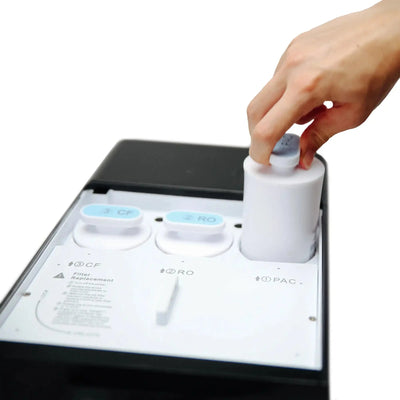
A cartridge change should be a controlled service event. Confirm the replacement cartridge, isolate the housing, relieve pressure according to the manual, and protect the floor. Inspect the removed cartridge and note whether it carries sand, orange iron staining, black material, slime, or unusually fine silt. That observation does not replace a test, but it helps explain why the interval changed.
Clean the housing with the method allowed by the manufacturer. Inspect the O-ring for flattening, cuts, grit, or stretching, and use only the lubricant and placement the instructions allow. An O-ring pinched during reassembly can create a slow leak that looks like a plumbing failure days later.
Reopen water slowly, purge air, and check the seal at full pressure. Return after ten minutes and again later that day. Record the pressure and flow after the new cartridge so the next service has a useful baseline.
Use Symptoms to Choose the Next Check
Weak flow throughout the house points first to pressure, valve position, or a restricted prefilter. Scale spots without a flow change point toward source-water hardness, bypass mixing, old deposits, or expectations about what salt-free conditioning does. A new odor or color points back to the incoming water, not automatically to the lifetime media.
A leak at the housing calls for isolation and seal inspection. A leak at a threaded connection, damaged valve, or unsupported pipe belongs with a plumber. If a private-well cartridge loads rapidly after rain or pump work, a new raw-water sample may be more useful than installing a finer cartridge.
Change one variable at a time. Replacing the cartridge, moving the bypass, cleaning every fixture, and adding another stage on the same day makes it hard to know what helped. A short service log protects against that confusion.
Know When Maintenance Becomes a Water Review
Routine ownership becomes a broader water review when cartridge life suddenly collapses, pressure never recovers after a change, a new stain or odor appears, or the well test no longer resembles the installation report. The conditioner may still be operating as designed while the source water has changed around it.
Bring the original and current lab reports, model number, cartridge history, pressure notes, and photos of the removed prefilter to the review. Those details help separate an incoming sediment problem from a sizing, plumbing, or service issue.
Do not add stages only because more treatment feels safer. Every housing adds pressure drop and maintenance. Add a stage when a result or repeatable symptom shows what it is supposed to do, then size it for the home's peak flow.
Keep the Service Kit With the System
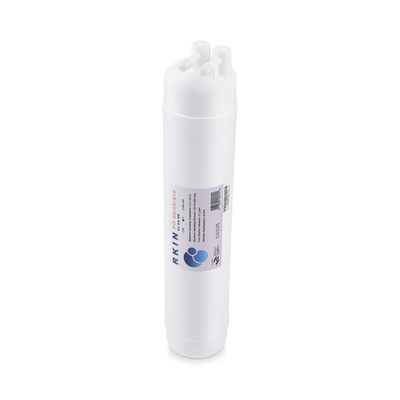
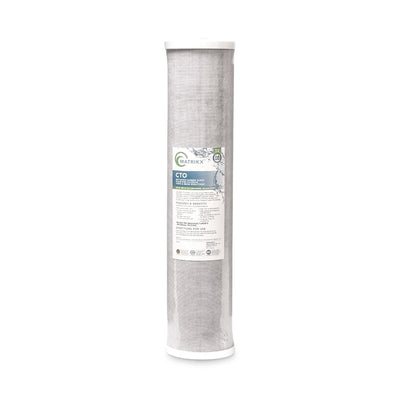
Store the exact cartridge number, housing wrench if supplied, approved seal lubricant, spare O-ring, manual, and service log near the equipment without blocking access. A generic cartridge that happens to fit the housing may not provide the intended flow or particle rating.
Write the main shutoff and bypass positions on a waterproof label. If another person handles the next service, the label reduces the chance of running water through a loose housing or leaving the system in bypass.
In my house, I would rather change one confirmed service item than replace media because a calendar or a water spot made me nervous.
Frequently Asked Questions
Does OnliSoft media need regular replacement?
The current RKIN maintenance guidance describes the conditioning media as lifetime media. The sediment prefilter remains a replaceable service item.
How often should I replace the sediment prefilter?
Use the interval for the exact model as a starting point, then watch pressure, flow, and incoming sediment. Heavy sediment can shorten cartridge life.
Does scale on a faucet mean the conditioner failed?
No. Salt-free conditioning does not remove hardness minerals, and old deposits or changed source water can affect what you see. Confirm bypass position and test the raw water before diagnosing the tank.
What should I record after maintenance?
Record the date, cartridge model, pressure, flow symptoms, leak check, and any water-quality change. That history makes the next diagnosis faster.
When should a private well be retested?
Retest after a new odor, color, taste, rapid cartridge loading, flooding, well repair, or another meaningful change in the well or nearby land.
Build a Maintenance Record That Helps
Open the current OnliSoft maintenance guide, identify your exact model and cartridge, then record today's pressure, flow, prefilter date, and leak check.






0 comments