


countertop reverse osmosis
New Water Filter Tastes Bad? Home Checks That Work

Short answer: a new water filter can taste bad because it was not flushed enough, a cartridge sat dry too long, carbon dust is still rinsing out, or the filter is not built for the issue in your water. Do the simple checks first before replacing the whole system.
Understood — that first glass after a filter change is supposed to be the payoff. When it tastes plasticky, stale, sour, earthy, or “moldy,” it feels like the filter made the water worse. Most of the time, the cause is practical and fixable. Sometimes, though, the taste is a clue that the filter is the wrong tool for the water problem.
The goal is not to panic-buy another cartridge. The goal is to separate a normal break-in issue from a real water-quality issue at the tap.
Why Can a New Water Filter Taste Bad?
A new filter can change taste for a few reasons. Activated carbon can release fine black dust during the first flush. Plastic housings and tubing can have a new-material taste. A cartridge that was stored too long can smell stale. A pitcher or reservoir can also carry taste from the container, gasket, lid, or spout instead of the filter media itself.
The first clue is timing. If the taste showed up only after installing a new cartridge, start with the installation and flushing steps. If the taste existed before the filter change, or if every faucet in the house tastes different at the same time, the source may be the incoming water, not the new cartridge.
EPA’s secondary drinking water standards cover “nuisance” issues such as taste, odor, color, iron, manganese, and total dissolved solids. These are not the same as primary safety limits, but they matter because taste is what homeowners notice first. If your water looks, smells, or tastes different, it is worth slowing down and checking the source instead of guessing.
What Should You Check First?
Start with the easiest checks because they solve more calls than people expect.
- Flush the filter again. Many cartridges need several gallons of flushing before the first normal glass. Follow the product instructions, not a random number from the internet.
- Dump the first tank or reservoir. If your system stores water, the first batch may carry carbon fines or new-part taste.
- Wash the parts that touch filtered water. Lids, spouts, tanks, drip trays, pitchers, and removable reservoirs can hold odor even when the cartridge is fine.
- Check the cartridge orientation. A filter that is not seated fully can let water bypass the media.
- Smell the empty container. If the container smells off when dry, the taste may be coming from the plastic, silicone, or old water film rather than the filter media.
- Compare filtered and unfiltered water side by side. Use the same clean glass. Let both sit for a minute. If both taste bad, the filter may not be the first problem.
Use your nose before reaching for a gadget. A TDS pen cannot tell you whether a reservoir needs cleaning or a new cartridge still has carbon dust. It reads electrical conductivity from dissolved ions, while many taste complaints come from something else.
When Is Bad Taste Normal After a Filter Change?
Some taste change is normal during the first flush. Carbon filters are especially known for releasing black or gray fines at the start. That does not mean the cartridge is broken. It means loose carbon dust is rinsing out.
A light “new” taste can also fade after water has moved through the cartridge and tubing. This is similar to rinsing a new water bottle before first use. You are not changing the chemistry of the bottle. You are removing the factory-new smell and anything loose from packaging, storage, or assembly.
Normal break-in taste should improve quickly. It should not get worse after several rounds of flushing. It should not come with slime, visible growth, a strong rotten-egg odor, oily film, or recurring particles after the system has been rinsed. If those show up, stop using that filter path until you clean the reservoir, inspect the cartridge, and check the incoming water.
Me personally, I would not upgrade a whole home because one new cartridge tasted odd for one day. In my house, I would flush it, clean every part the filtered water touches, and compare it against unfiltered water first. If it still tastes wrong after that, then I would look at the water chemistry and the filter type.
What If the Filter Still Tastes Moldy, Plastic, or Bitter?
If the taste stays after flushing, match the taste to the likely cause.
Plastic taste often points to new tubing, a new reservoir, a rubber gasket, or a cartridge stored in warm conditions. Clean removable parts with mild dish soap, rinse them well, and run another flush cycle. If the taste is strongest after water sits in the reservoir overnight, the container is suspect.
Moldy or musty taste can come from a damp pitcher, old spout, lid gasket, or refrigerator line. A wet environment plus time is enough to create odor. Remove the cartridge before cleaning the housing. Do not try to “filter through” a dirty reservoir.
Bitter or salty taste usually points toward dissolved minerals or treatment chemicals that basic carbon may not reduce well. Carbon can help with chlorine taste and odor, but it is not the same as reverse osmosis. That is a category difference, not a brand insult.
Metallic taste can come from plumbing, fixtures, or dissolved metals. If the taste is strongest first thing in the morning and improves after running the tap, stagnant water in the line may be part of the story. If the taste is present across several fixtures, review your local Consumer Confidence Report if you are on city water, or test the water if you are on a private well.
EPA explains that public water systems publish Consumer Confidence Reports so customers can see detected substances and compliance information for their system. That report will not tell you what is happening inside your pitcher or countertop reservoir, but it gives you a starting point for the water entering the home.
What Filters Do Not Fix
A common mistake is expecting one small cartridge to solve every taste problem. Some filters focus on chlorine taste and odor. Some are built for sediment. Some address specific substances only when they are tested and rated for those targets. Reverse osmosis is a different category for broader dissolved-material reduction.
Boiling is another misunderstood fix. Boiling can be useful during certain emergency instructions, but it is not a general fix for dissolved minerals, metals, or many taste issues. EPA’s emergency disinfection guidance is for specific situations, not a daily water-quality plan.
The better path is simple: identify whether the issue is the container, cartridge, plumbing, or water source. Then choose a filter matched to the problem.
When Does Reverse Osmosis Make Sense?
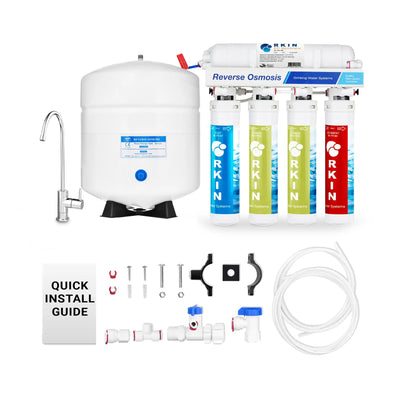
Reverse osmosis makes sense when the taste problem appears tied to dissolved material, high TDS, salty or bitter taste, or a wider drinking-water concern than chlorine odor alone. RO uses pressure to move water through a membrane that rejects many dissolved substances. A carbon-only filter and an RO system are not trying to do the same job.
That does not mean every home needs RO. If your only complaint is light chlorine taste, a properly rated carbon filter may be enough. If your water has sediment, a sediment stage matters. If your report shows high dissolved solids or you want one drinking-water system aimed at a wider set of concerns, RO is usually the stronger category to compare.
Look for clear product claims, test data, and maintenance instructions. If a company cannot tell you what the system is designed to reduce, how often filters should be replaced, and how to flush a new cartridge, keep looking.
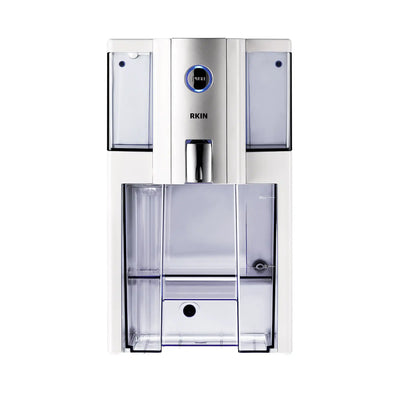
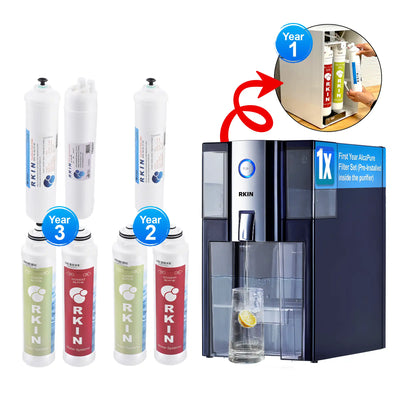
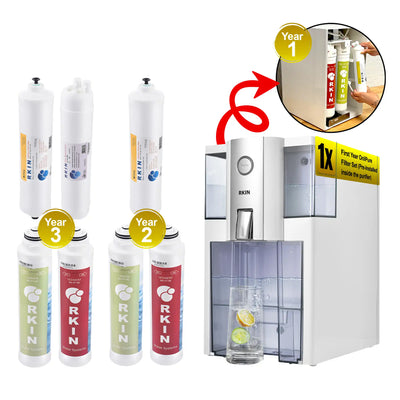
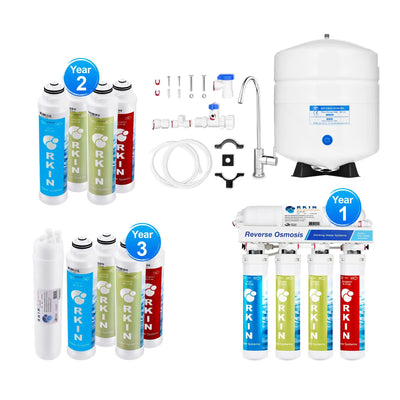
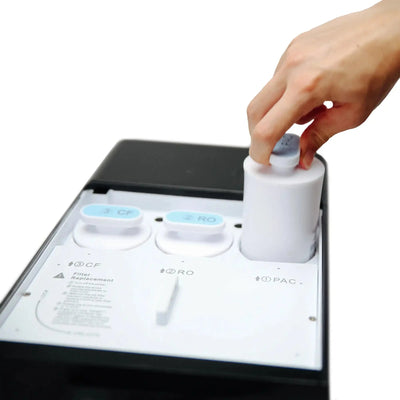
For renters, apartments, and kitchens where plumbing changes are not ideal, the RKIN Zero Installation Purifier Countertop Reverse Osmosis Water Filter is designed for countertop RO without an under-sink install. The front-fill design also matters in real life: you do not have to lift a full tank up and over the back of the unit.
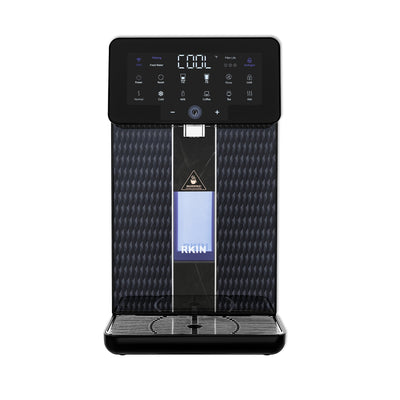
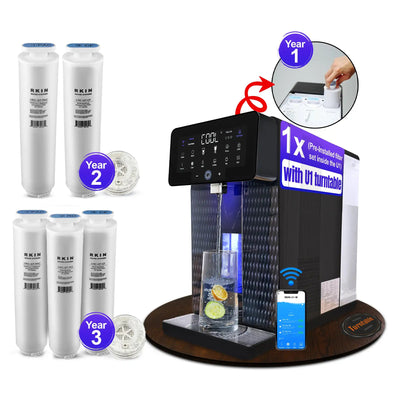
If you prefer a compact countertop system with a fill tank, the RKIN U1-W Space-Saving 4-in-1 Water Filter System is another no-plumbing option. Choose by available counter space, refill routine, and the taste issue you are trying to solve.
How to Prevent Bad Taste Next Time
A few habits prevent most filter-taste complaints.
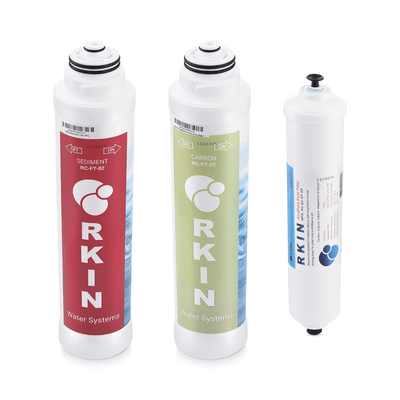
Replace cartridges on time. A filter is like a sponge: once it is loaded, it does not keep performing the same way forever. If you push it too long, taste can come back even before flow gets slow.
Do not let reservoirs stay wet and untouched for long stretches. Empty, rinse, and dry removable containers if the system will sit unused. Keep lids, spouts, and drip areas clean because filtered water touches those parts after the cartridge has done its job.
Flush new filters exactly as directed. More is not always better, but skipping the flush is one of the fastest ways to get a bad first glass.
Finally, test when the symptom does not fit the filter. If every faucet changed after a storm, plumbing repair, hydrant flushing, or well service, the cartridge may be reacting to a larger event. For private wells, EPA recommends regular testing and extra attention after flooding, repairs, or changes in taste, odor, or appearance.
Frequently Asked Questions
Why does my new water filter taste bad?
A new water filter may taste bad because it needs more flushing, has loose carbon fines, is not seated correctly, or is passing water through a reservoir or spout that needs cleaning. If the taste remains after proper flushing and cleaning, compare filtered and unfiltered water to see whether the source is the filter or the incoming water.
Is plastic taste normal with a new water filter?
A light new-material taste can happen after installing a new cartridge, tubing, tank, or reservoir. It should improve after cleaning removable parts and running the required flush. If the plastic taste is strong, lasts for days, or gets worse after water sits overnight, contact the manufacturer or replace the suspect part.
Can a dirty pitcher or reservoir make filtered water taste moldy?
Yes. The filter is only one part of the water path. Lids, spouts, tanks, gaskets, and drip areas can hold odor if they stay damp. Remove the cartridge before cleaning the container, rinse all parts well, and let them dry before reinstalling the filter.
Will reverse osmosis fix bad-tasting water?
Reverse osmosis can help when the bad taste is tied to dissolved material, salty or bitter taste, high TDS, or broader drinking-water concerns. It is not the only answer for every taste issue. Chlorine taste, sediment, plumbing, and reservoir cleanliness should be checked first.
Should I test my water if a new filter tastes bad?
Test if the taste does not improve after flushing and cleaning, appears at multiple faucets, shows up after plumbing work or flooding, or comes with odor, particles, color, or film. City-water customers can also review the local Consumer Confidence Report for source-water context.
Ready to Stop Guessing?
If your new filter still tastes wrong after flushing, cleaning, and comparing it against tap water, the next step is matching the system to the actual problem. Start with the RKIN Zero Installation Purifier Countertop Reverse Osmosis Water Filter if you want countertop RO without plumbing changes.





0 comments