


handheld shower filter
Shower Filter With Handheld Shower Head: Setup Guide

A shower filter sounds simple until you try to stack it with an overhead shower, a handheld hose, and a no-remodel bathroom. The moment you add one more part between the wall outlet, diverter, bracket, hose, and shower head, the small details start to matter: thread fit, clearance, weight, pressure drop, and how many joints can leak.
This is why homeowners search for “shower filter with handheld shower head” before they buy anything. The goal is reasonable: improve shower water without opening the wall. The catch is that a shower-only filter may solve one narrow problem at one fixture, while the real water issue may be entering the whole home.
The Setup Problem Most People Run Into
Most U.S. showers use a shower arm coming out of the wall, then a shower head or diverter attached to that arm. A handheld shower adds a hose and a bracket. A shower filter adds another canister. On paper, these parts look modular. In real bathrooms, the order matters.
If the filter sits between the shower arm and the diverter, both the fixed shower head and handheld line may receive filtered water. If the filter sits after the diverter, only one side may be filtered. If the canister is too long or too heavy, it can angle downward, crowd the wall, hit the bracket, or make the handheld hose awkward to use.
Pressure is the second issue. The EPA WaterSense showerhead page notes that WaterSense-labeled showerheads use no more than 2.0 gallons per minute. That flow limit is useful for saving water, but it also means every added restriction can be noticeable. A filter cartridge, a diverter, a narrow hose, and a low-flow head can stack up. The result may be a shower that technically works but feels weak.
Leaks are the third issue. Every added threaded joint is another place where a washer can seat poorly, a plastic collar can crack, or plumber’s tape can hide the real problem. A small drip behind the shower head is annoying at first. Left alone, it can stain tile, waste water, or make the whole setup feel cheap.
None of that means shower filters are bad. It means the shower is a crowded place to solve a house-wide water problem.
What a Shower Filter Can and Cannot Do
A shower filter can be useful when the complaint is specific to showering. If the water has a chlorine smell, leaves your hair feeling different, or makes the bathroom smell like a pool after hot water runs, a shower filter may help with taste-and-odor style concerns at that fixture. Many shower filters use carbon, KDF media, or a blend of media aimed at chlorine and sediment.
But a shower filter is not the same thing as a water softener, a whole-house carbon filter, or reverse osmosis. It usually has a small cartridge and a short contact time because shower water moves quickly. That limits what the cartridge can reasonably do.
Hardness is the biggest mismatch. Calcium and magnesium minerals can leave scale on glass, tile, fixtures, and water heaters. A small shower filter may reduce some nuisance particles, but it is not a true whole-home hardness strategy. If you have white crust on faucets, cloudy spots on dishes, scale inside a tankless water heater, and dry-looking residue around multiple bathrooms, the issue is not just the shower head. The water is entering the entire home that way.
The same logic applies to sediment. If grit shows up in the shower, sink aerators, washing machine screens, and toilet tanks, a shower-only cartridge is catching symptoms at the end of the line. The better question is what is entering the plumbing in the first place.
For drinking water, a shower filter is the wrong tool entirely. Shower filters are designed for shower flow, not drinking and cooking water. If your concern is what your family drinks, look at a point-of-use drinking water system or a whole-house system paired with point-of-use treatment where needed.
Common Setups That Cause Trouble
The first common mistake is putting too much weight on the shower arm. A metal diverter, a filter canister, a large rainfall head, and a handheld bracket can create more strain than the original arm was meant to handle. If the shower arm is old, loose, or poorly sealed behind the wall, the added weight can expose the weak point.
The second mistake is installing parts in the wrong order. If you want both the fixed head and handheld sprayer filtered, the filter usually needs to sit before the diverter. If you only care about the handheld line, it can sit after the diverter. That decision should happen before you buy, because some filter shapes do not leave enough room for a diverter and bracket.
The third mistake is ignoring cartridge life. Shower filters often work best at first, then fade as the media loads up. If the home has high sediment, high chlorine demand, or heavy mineral content, the cartridge may need attention sooner than the packaging implies. A weak shower after a few weeks can be a clue that the filter is clogging or that the whole setup is too restrictive.
The fourth mistake is using a shower filter to avoid testing. If your water smells strongly of chlorine, changes color, or turns cloudy after utility work, do not guess. Check your utility notice, ask whether neighbors see the same thing, and test the water if the issue persists. A filter should match the problem, not cover it up.
A Better Way to Decide: Fixture Problem or Whole-Home Problem?
Use a simple split before you buy anything.
If the issue happens only in one shower, start with the fixture. Remove the shower head and check the screen for grit. Inspect the washer. Flush the line briefly into a bucket. If the problem improves, you may have a fixture-specific clog or cartridge issue.
If the issue shows up in every bathroom, the kitchen sink, the dishwasher, and the laundry area, think bigger. That points toward incoming water quality, a water heater issue, plumbing scale, or sediment moving through the home.
If the issue is mainly smell, compare hot and cold water. Chlorine smell can become more noticeable in warm or high-flow water, while rotten-egg odor may point to a different issue. If the smell is only on the hot side, the water heater deserves attention. If it is hot and cold throughout the home, look at incoming water.
If the issue is visible residue, check surfaces. White crust and spots usually point toward hardness. Brown or black particles may point toward sediment, old pipes, or water heater debris. Cloudiness that clears from the bottom up is often trapped air, not dirt.
This quick check helps you avoid buying a stack of shower parts when the better fix is at the main line.
When Whole-House Treatment Makes More Sense
A shower filter is a point-of-use add-on. Whole-house treatment works at the point where water enters the home. That difference matters.
If the problem is chlorine taste and odor across the house, a whole-house carbon filter can treat water before it reaches showers, sinks, laundry, and appliances. If the problem is hardness-related scale, a whole-house conditioning or softening strategy addresses the minerals before they reach fixtures. If the problem is sediment, a prefilter at the main line can protect downstream equipment and reduce debris throughout the home.
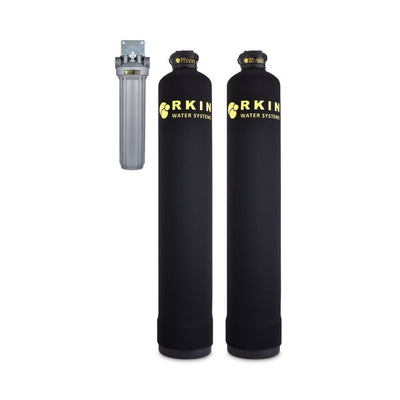
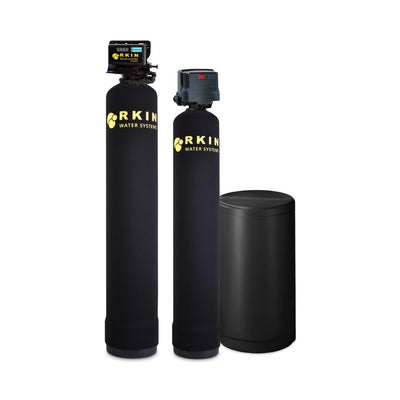
This is where the RKIN whole house water treatment collection fits naturally. It is designed for homeowners who are tired of treating one faucet or one shower at a time. The right setup depends on water source, hardness, sediment, chlorine, iron, sulfur odor, and whether the home is on city water or well water.
In my house, I would not keep adding parts to a shower arm if the same complaint showed up at multiple fixtures. I would test the water, identify the primary issue, and decide whether the main line needs treatment. A shower filter may still have a place, but it should not be asked to do the job of a whole-home system.
What to Check Before Buying a Shower Filter
Measure the physical space first. Look at the distance between the wall, shower arm, bracket, and ceiling. A filter canister that looks small online may sit awkwardly in a low shower or a tub-shower combo.
Check the order of parts. Decide whether the filter should sit before or after the diverter. If you want both the overhead shower and handheld sprayer filtered, plan for that before choosing hardware.
Check material quality. Lightweight plastic fittings may be easier to install, but they can also crack if over-tightened. Metal fittings can feel sturdier, but they add weight.
Check flow expectations. If you already use a low-flow shower head, a small cartridge may make the shower feel weaker. That does not always mean the filter is defective. It may mean the whole setup has too much restriction.
Check the actual water problem. Chlorine smell, hardness scale, sediment, iron staining, and sulfur odor are different issues. They do not all call for the same filter.
Frequently Asked Questions
Can you use a shower filter with a handheld shower head?
Yes, in many bathrooms you can. The key is placement. If the filter goes before the diverter, it may filter water for both the fixed shower head and handheld line. If it goes after the diverter, it may only filter one side. Always check clearance, thread fit, and weight before stacking parts.
Will a shower filter reduce water pressure?
It can. Any cartridge adds some restriction, and the effect is more noticeable when paired with a diverter, hose, and low-flow shower head. If pressure drops quickly after installation, check for a clogged screen, a missing washer, an over-tightened fitting, or a cartridge that is loading with sediment.
Is a shower filter the same as a water softener?
No. A shower filter treats water at one fixture. A softener or conditioner treats water before it moves through the home. If you see hardness scale on faucets, glass, dishes, and appliances, the issue is bigger than one shower head.
What is the best order for shower filter parts?
A common order is wall shower arm, filter, diverter, then fixed head and handheld hose. That can let both outlets receive filtered water. Some bathrooms need a different setup because of clearance or bracket design, so dry-fit the parts before final tightening.
When should I skip the shower filter and look at whole-house treatment?
Look at whole-house treatment when the same problem shows up at several fixtures. Chlorine odor in every bathroom, scale across the home, sediment in aerators, or staining in tubs and toilets usually points to incoming water, not one shower head.
Ready to Treat the Root Cause?
If your shower is the only problem, a well-fit shower filter may be enough. If the same water issue shows up across the house, stop stacking hardware at the fixture and look upstream.
Start with the RKIN whole house water treatment collection to match the system to your water source, fixtures, and goals. Test first, then choose the smallest setup that solves the actual problem.





0 comments