




countertop water filter
Water Filter Performance Data Sheet: What to Check

A water filter performance data sheet is the proof document behind the product page. If you cannot find it before buying, slow down. The sheet should tell you what the system was tested to reduce, under what conditions, and which claims are real enough to compare.
This matters more in 2026 because homeowners are searching by concern, not by brand. PFAS, lead, chlorine taste, hard water, and old apartment plumbing all lead to the same question: “What does this filter actually do?” A nice countertop photo does not answer that. A test sheet gets you closer.
Why the Data Sheet Matters Before You Buy
A performance data sheet is not marketing copy. It is supposed to name the substances tested, the test conditions, and the reduction results. That makes it useful when two systems sound similar but are built for different jobs.
In April 2024, the EPA finalized federal drinking-water limits for six PFAS chemicals, including PFOA and PFOS at 4 parts per trillion. You can read the EPA’s PFAS rule summary here. That rule did not mean every home suddenly needed the same system. It did make one thing clearer: if a product claims to address PFAS, the proof should be easy to find.
The same logic applies to lead, chlorine taste, dissolved minerals, and other water concerns. Your city’s annual water report can tell you what the utility measures at the system level. The EPA explains Consumer Confidence Reports here. But the report does not tell you what happens inside your faucet, refrigerator line, apartment riser, or old sink adapter. That is where product proof and home context both matter.
Treat the data sheet like a house inspection report. Clean listing photos do not show what is happening in the pipes, and a product photo does not prove a reduction claim.
What a Performance Data Sheet Should Tell You
A good water filter proof sheet should answer plain questions without making you decode a sales page.
- What was tested: The sheet should name each substance or category, such as PFOA/PFOS, lead, chlorine taste and odor, fluoride, arsenic, or dissolved solids.
- How much was reduced: Look for starting level, finished level, or percent reduction. A broad phrase like “targets bad stuff” is not enough.
- Which standard was used: Many drinking-water systems reference NSF/ANSI standards. Reverse osmosis systems are often discussed around NSF/ANSI 58. Carbon filters may reference NSF/ANSI 42 or 53 depending on the claim.
- Test conditions: Flow rate, pressure, pH, gallons tested, and filter life all affect results.
- Replacement timing: The sheet should connect performance to the filter’s real service life, not just the first few gallons.
- Limits and exclusions: A good sheet should make clear what the product does not do.
The last point is underrated. “Not built for that” is useful information. A water softener is not a drinking-water purifier. A basic taste-and-odor carbon filter is not automatically a PFAS system. A countertop reverse osmosis system is not the same as a whole-house system. Matching the tool to the concern is the entire game.
What Does Not Work When You Are Comparing Filters
Do not compare filters by the number of stages alone. Five stages can be meaningful, or it can be a label that hides weak proof. What matters is what each stage does and whether the finished water result matches your concern.
Do not assume “certified” and “tested” mean the same thing. Certification usually means an outside body has verified a product against a standard. Third-party testing can still be useful, but it should be described honestly. If a brand only says “lab tested” without naming what was tested, ask for more.
Do not use a TDS meter as the whole decision. TDS means total dissolved solids. It can be helpful when checking reverse osmosis performance, but it does not identify PFAS, lead, chlorine, bacteria, or every water concern. A low TDS number does not prove every claim. A high TDS number does not tell you which substance is present.
Do not let a product photo replace the document. Renters get pushed toward countertop systems because they are easier to place in an apartment. That makes sense. But renter-friendly does not mean proof-free.
How Renters Should Read the Proof
Renters usually have three limits: they cannot drill, they cannot change building plumbing, and they may not know the condition of the pipes behind the wall. That is why countertop systems get attention. The right countertop system can be a good fit because it keeps the decision inside your kitchen instead of inside the lease.
Start by pulling your city water report. Then list the issues you actually care about. For most renters, the list is usually taste, chlorine smell, lead concern from older plumbing, PFAS concern, or dissolved minerals. Do not make the list longer than it needs to be.
Then compare the proof sheet to that list. If your concern is PFAS, look for PFAS data. If your concern is dissolved minerals, look for reverse osmosis performance. If your concern is chlorine taste, carbon can help, but you still want to know what the product was tested for.
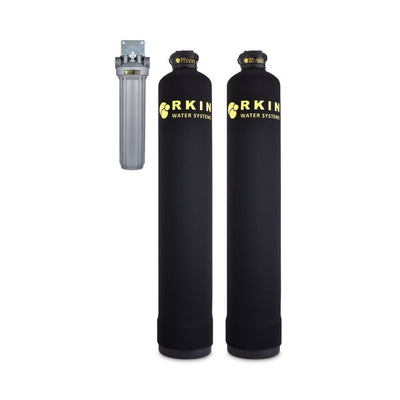
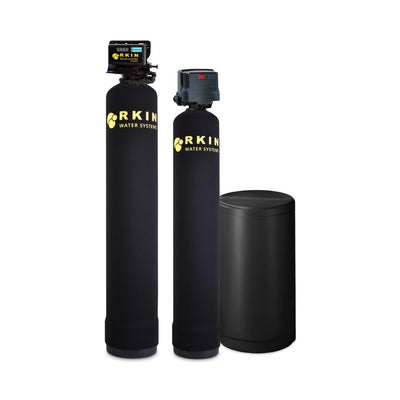
Start with the concern because a pitcher, countertop carbon unit, countertop reverse osmosis system, under-sink system, and whole-house setup solve different jobs. Match the treatment to your water, kitchen, and installation limits.
What Reverse Osmosis Adds to the Decision
Reverse osmosis pushes water through a semi-permeable membrane. The Water Quality Association explains reverse osmosis basics here. In home drinking-water systems, RO is commonly used when the goal is more than taste improvement.
That does not mean every home needs RO. In my house, I would not add reverse osmosis just because one glass tasted a little different. I would use it when the goal is drinking and cooking water with broad reduction performance, especially when dissolved solids or specific listed concerns are part of the decision.
For renters, the main question is placement. Can the system sit on the counter? Does it need a faucet adapter? Does it use a fill tank? Does it require a drain connection? Does it need permanent plumbing work? A performance data sheet tells you what it can reduce. The installation path tells you whether it fits your life.
Where RKIN Fits
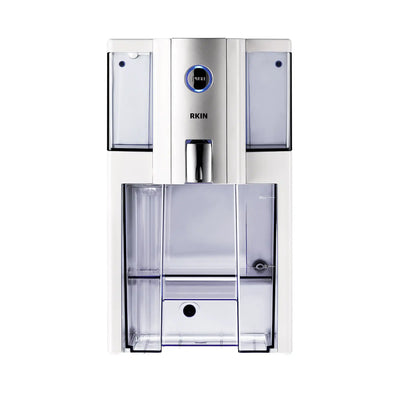
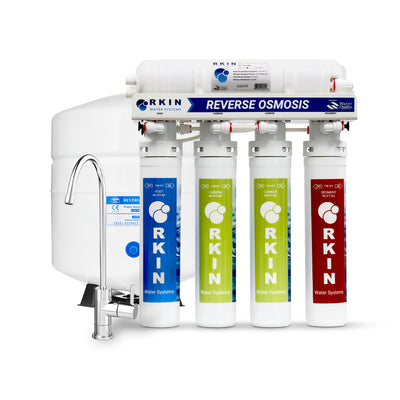
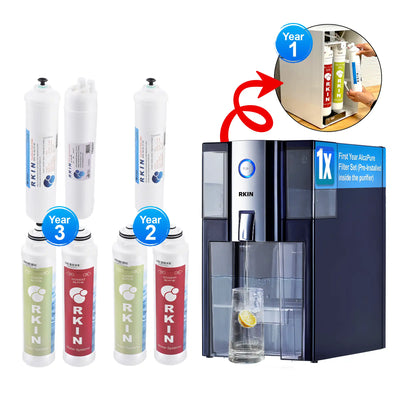
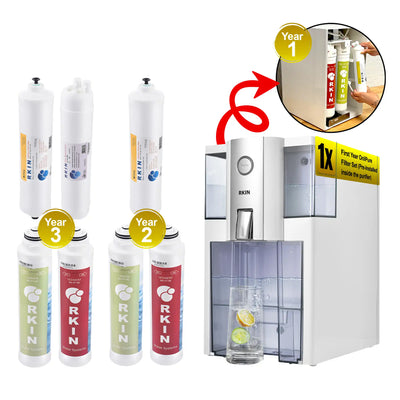
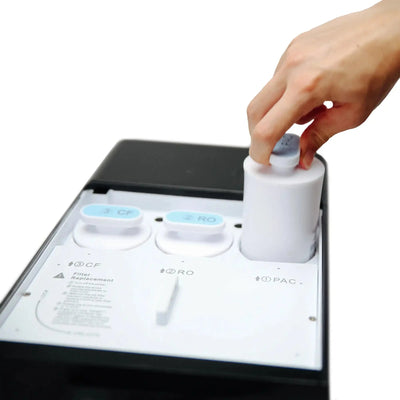
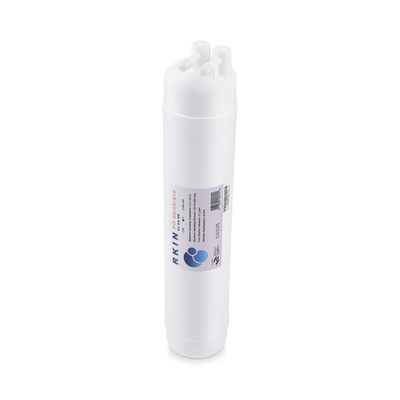
This is what the RKIN Zero Installation Purifier Countertop Reverse Osmosis Water Filter is designed for: drinking-water filtration without permanent plumbing changes. It is a countertop reverse osmosis system, which makes it relevant for renters, apartments, kitchens where under-sink work is not practical, and homeowners who want a drinking-water system without modifying the cabinet.
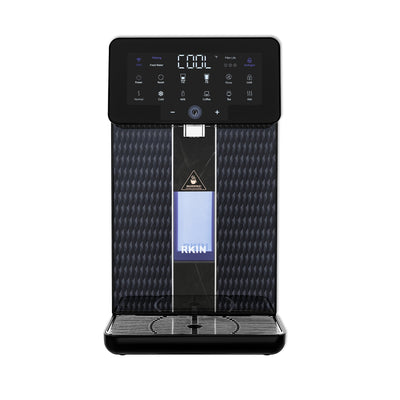
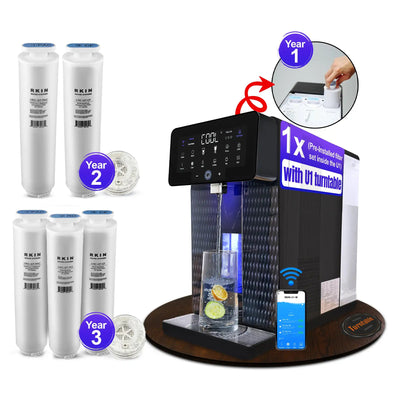
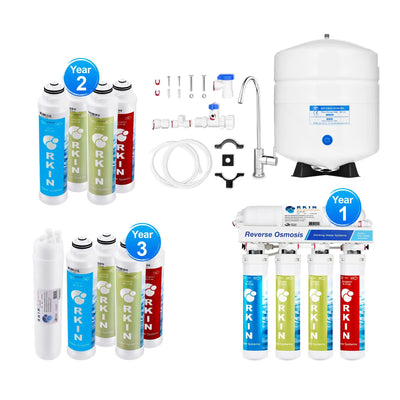
If you prefer a fill-tank countertop setup, the RKIN U1 4-in-1 Water Filter System is another countertop path. It is not an under-sink system. It sits on the counter, uses a fill tank, and is built for drinking water.
The honest takeaway: do not start with the brand. Start with the water concern, then the proof, then the placement. If the proof sheet does not answer your concern, the system has not earned the spot in your kitchen yet.
Quick Checklist Before You Buy
Use this order before placing an order or booking an install.
- Write down the concern: Taste, odor, PFAS, lead, dissolved minerals, old plumbing, or refrigerator water.
- Pull the city report: Use the latest Consumer Confidence Report if you are on city water.
- Ask for the performance data: Look for named substances, standards, test conditions, and filter life.
- Match the product type: Carbon, softening, reverse osmosis, and whole-house treatment are not the same job.
- Check install limits: Renter rules, faucet type, counter space, power outlet, drain needs, and filter-change space all matter.
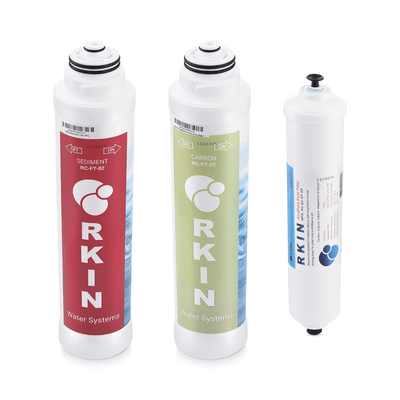
- Confirm replacement support: A system is only as useful as the filters you can find later.
Frequently Asked Questions
What is a water filter performance data sheet?
A water filter performance data sheet is a proof document that lists what the product was tested to reduce, how the test was run, and what results were reported. It helps you compare systems by evidence instead of relying on stage counts, photos, or broad claims.
Should I buy a water filter if the data sheet is hard to find?
If the data sheet is hard to find, pause and ask for it before buying. The product may still be legitimate, but the proof should be easy to review. If a specific concern matters to you, such as PFAS or lead, the sheet should name that concern directly.
Is reverse osmosis better than a regular carbon filter?
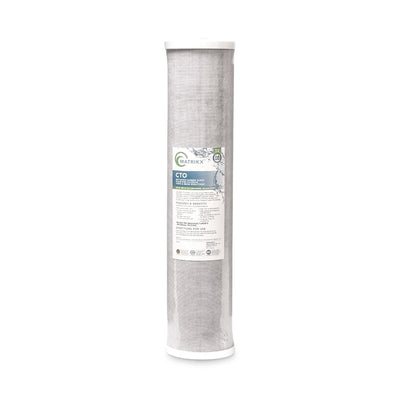
Reverse osmosis and carbon filtration do different jobs. Carbon is often used for chlorine taste and odor. Reverse osmosis is used for broader dissolved-substance reduction in drinking-water systems. The best choice depends on your water report, your concern, and where the system will sit.
What is the best water filter for renters?
For many renters, a countertop system is the easiest place to start because it avoids permanent plumbing changes. The RKIN Zero Installation Purifier Countertop Reverse Osmosis Water Filter is one option when you want countertop RO. Check counter clearance, refill access, and the proof sheet first.
Does a TDS meter prove my water filter works?
A TDS meter can help check dissolved solids, especially with reverse osmosis. It does not identify every substance and should not be treated as a full water test. Use it as one clue, not the whole proof.
Ready to Compare the Proof?
If you are shopping for a countertop purifier, start with the document, not the photo. Match the claim to your water concern, then check whether the system fits your kitchen.
See the RKIN Zero Installation Purifier Countertop Reverse Osmosis Water Filter — countertop RO for drinking water without permanent plumbing changes.






0 comments