


water meter leak test
Water Meter Moving With No Water On? Home Leak Test

If your water meter is moving while every faucet is off, your home may be using water somewhere you cannot see. The EPA WaterSense program says household leaks can waste nearly one trillion gallons nationwide each year, and its Fix a Leak Week guidance points homeowners to simple meter checks as a first step.
That does not mean every moving meter is a disaster. It means the meter is giving you a clue. A toilet flapper, irrigation valve, softener stuck in a cycle, bypass issue, dripping hose bib, or hidden plumbing leak can keep water moving long after the house sounds quiet. The goal is to isolate the source before you replace parts or blame the wrong system.
Start With the Whole-House Meter Test
Pick a time when nobody needs water for at least thirty minutes. Turn off every faucet, shower, appliance, hose bib, irrigation zone, ice maker feed, and laundry machine. Make sure no one flushes a toilet during the test.
Go to the water meter and look for the low-flow indicator. Many meters have a small triangle, star, wheel, or digital flow icon that moves when water is passing through. If you have a digital meter, read the screen according to your utility’s instructions. Take a photo of the reading, wait fifteen to thirty minutes, and compare.
If the low-flow indicator moves or the reading changes while everything is off, water is likely leaving the line somewhere. The next step is not panic. The next step is isolation.
Some meters are hard to read because they are in a curb box, under dirt, or behind a fogged lid. If you cannot safely access it, call the utility or a licensed plumber. Do not reach into a flooded, damaged, or insect-filled meter box.
Rule Out the Easy Leaks First
Toilets are a common silent leak source. A worn flapper or fill valve can send water into the bowl without a dramatic sound. Put a few drops of food coloring in the tank, wait without flushing, and check whether color appears in the bowl. If it does, the toilet is leaking internally.
Next, check hose bibs and outdoor spigots. A hose connection can drip into mulch or grass where you never see a puddle. Look at irrigation valves, pool fill lines, outdoor kitchens, and any line feeding a detached structure.
Then check appliances. Ice makers, humidifiers, washing machines, and water-fed equipment can hide slow leaks behind cabinets or walls. Look for damp drywall, swollen baseboards, musty odor, or a soft spot near the appliance. If anything looks wet near electricity, stop and call a pro.
If these checks find the problem, you may not need to touch your water treatment system. Fix the leak, repeat the meter test, and confirm the meter stays still.
Use the Bypass Test for Water Treatment Equipment
If the meter still moves, your next clue may be the bypass valve near a whole-house filter, water softener, conditioner, or other treatment system. Many systems have a bypass position that lets water skip the unit while still feeding the home.
Here is the safe version of the test:
- Confirm no one is using water.
- Note the meter movement.
- Put the water treatment system in bypass according to the manufacturer’s instructions.
- Watch the meter again for several minutes.
- Return the system to normal service after the check unless a technician tells you otherwise.
If the meter stops only when a specific unit is bypassed, that unit or its drain line may be part of the issue. It could be a valve, control head, regeneration cycle, stuck internal part, drain connection, or installation problem. This is useful information for a plumber or water treatment technician.
Do not disassemble a control valve just because the meter stopped during bypass. Bypass testing narrows the suspect list. It does not replace diagnosis.
Why Softeners and Conditioners Get Blamed
A traditional ion-exchange softener uses regeneration cycles. During regeneration, water can flow to drain as part of the normal process. If you check the meter during that scheduled cycle, movement may be expected. If the unit is stuck, misprogrammed, or constantly sending water to drain, the meter may move far longer than it should.
Salt-free conditioners are different. They are not supposed to regenerate with salt or send brine to drain. But any installed whole-house system still has fittings, valves, and bypass hardware. A leak around the system, a failed connection, or a separate nearby plumbing issue can make the system look guilty when the real problem is the installation area.
This is why the order matters. First verify the meter movement. Then rule out toilets, hose bibs, irrigation, appliances, and obvious leaks. Then use bypass to narrow the treatment branch. A methodical check saves time and helps the technician fix the right thing.
If you live in an area with high summer irrigation use, check sprinkler schedules too. A zone that runs at dawn may be forgotten by the time you look at the water bill. Smart controllers, pool fills, and automatic livestock or garden lines can all create “mystery” usage.
When the Meter Test Points to Hidden Plumbing
If the meter moves even after fixtures and treatment equipment are isolated, the leak may be under a slab, in a wall, in the yard service line, or at a buried irrigation branch. These leaks can be hard to see because water may drain into soil or a wall cavity before it shows up indoors.
Warning signs include a warm floor spot, unexplained mildew odor, a patch of greener grass, low pressure, a constantly running sound, water around the foundation, or a water bill that jumps without a habit change. None of those signs proves one cause by itself. Together with a moving meter, they justify a professional leak inspection.
If you suspect a hidden leak, avoid cutting walls or digging randomly. Plumbers can use pressure testing, acoustic equipment, thermal imaging, and isolation valves to narrow the area. Your meter notes, photos, and bypass test results give them a head start.
Where RKIN Fits
Water treatment should solve water problems, not create mystery usage. If you are comparing whole-house options, pay attention to how each system works, where it drains, what maintenance it needs, and whether it fits your home’s plumbing.
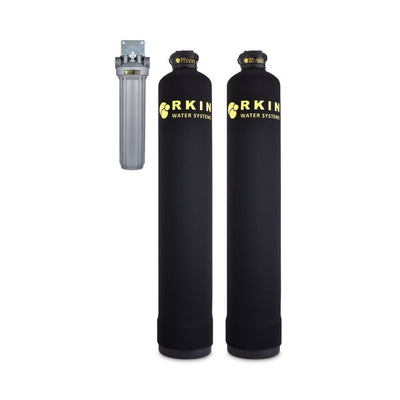
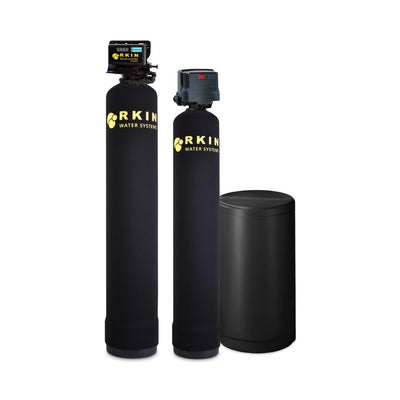
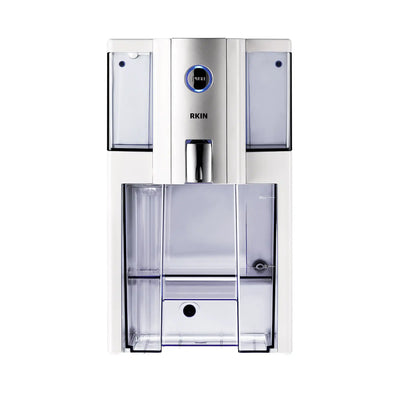
RKIN’s whole-house water treatment collection includes options for hardness, taste, odor, sediment, and well water concerns. The right setup depends on water test results, plumbing layout, and what problem affects the home. If you are trying to protect drinking water at one tap, the RKIN Zero Installation Purifier Countertop Reverse Osmosis Water Filter may be a better fit than a whole-house change.
For homeowners already using treatment equipment, keep the bypass instructions accessible. A bypass valve is not just for service visits. It can help isolate a leak, protect the home during troubleshooting, and give support teams clearer information.
A Simple Decision Path
Use this order before spending money on parts:
- Meter moves with everything off: confirm with a second short test.
- Toilet color test fails: repair the toilet and retest the meter.
- Outdoor or irrigation line is wet: shut that branch off and retest.
- Meter stops when treatment is bypassed: call the installer or technician with the result.
- Meter keeps moving with branches isolated: call a plumber for hidden leak detection.
- Meter does not move during the test: compare billing dates, irrigation schedules, guest usage, and utility estimates.
Write down what changed at each step. “Meter stopped when conditioner was bypassed” is more useful than “water bill is high.” “Meter still moved after the main irrigation valve was closed” is more useful than guessing at the yard.
Frequently Asked Questions
Why is my water meter moving when no water is on?
A moving meter usually means water is flowing somewhere. Common causes include toilet leaks, irrigation leaks, dripping hose bibs, appliance feed lines, treatment equipment stuck in a cycle, or hidden plumbing leaks. Start by turning everything off and repeating the meter test.
Can a water softener make the water meter move?
Yes, during a normal regeneration cycle a traditional softener can use water. If the meter moves for a long time or stops only when the softener is bypassed, the unit may need service or diagnosis. Check the schedule and call a technician if the behavior looks abnormal.
Can a salt-free conditioner cause a high water bill?
A salt-free conditioner does not run a brine regeneration cycle like a traditional softener. However, any installed system has plumbing connections and bypass hardware. A leak near the unit, valve issue, or nearby plumbing problem can still affect usage.
How long should I watch the water meter for a leak?
A short check of fifteen to thirty minutes is useful for many household leaks. For very slow leaks, you may need a longer no-use window. Take photos before and after so you can compare the reading accurately.
Should I turn off my whole-house filter during a leak test?
Use the bypass valve only according to the system instructions. Bypass can help isolate whether water movement is related to that branch, but it is not a repair. Return the system to normal service after the check unless a qualified pro tells you otherwise.
Ready to Find the Real Source?
A moving water meter is not a diagnosis. It is a starting point. Run the no-use test, check toilets and outdoor lines, then use bypass valves to isolate installed equipment before making a repair plan.
If the issue points to water treatment or you are comparing better options for the whole home, review RKIN’s whole-house water treatment systems or contact RKIN through the support page with your water test results and troubleshooting notes.





0 comments