




flooded well water
Well Water After Flooding: What Homeowners Should Do

After flooding reaches a private well, do not drink the water until the well is inspected, disinfected when appropriate, and tested. Use an approved alternate supply for drinking and cooking, avoid electrical equipment near standing water, and follow local health-department guidance before returning to normal use.
That matters right now because the Atlantic hurricane season runs from June 1 to November 30, according to NOAA's tropical cyclone climatology. For private well owners, the storm checklist should include more than flashlights and batteries. It should include the well.
First, Do Not Treat Flooded Well Water Like Normal Water
If floodwater covered the well, reached the pump, or pooled around the well cap, pause before using the water for drinking, cooking, ice, brushing teeth, or mixing baby formula. Clear water is not proof that the well is ready. Smell is not proof either.
The EPA's private well flood guidance says flooded wells may need inspection, emergency disinfection, sampling, and testing before normal use. The agency keeps a specific resource for this situation here: What to Do With Your Private Well After a Flood.
The big point is simple: a private well is not managed by a city utility. If you own the well, you own the testing decision after a storm. Your county health department, state drinking-water office, licensed well contractor, or certified lab can tell you what to test based on local flooding, septic risk, agriculture, nearby fuel storage, and the age of the well.
Use another water source until you know what happened. That may mean bottled water, water supplied by local officials, or water from a confirmed safe source outside the flooded area. Do not guess from taste.
Shut Off Power Before Inspecting the Well Area
Water and electrical equipment do not mix. If the well, pump house, pressure tank, or control box was flooded, turn off power to the pump before anyone touches equipment. If you are not sure what was flooded, call a licensed well contractor or electrician.
Do not open electrical boxes that were under water. Do not restart a submerged pump just to see if it works. Even if power comes back on and the faucet runs, damaged electrical parts, cracked casing, a shifted cap, or a flooded pit can leave the system unsafe to use until it is checked.
Once the area is safe to approach, look for obvious changes:
- Was floodwater above the well cap or casing?
- Is the cap cracked, loose, missing, or tilted?
- Is soil washed away from the casing?
- Did debris hit the wellhead or pump house?
- Is the pressure tank, treatment equipment, or wiring wet?
- Did the septic area flood at the same time?
Those observations help the contractor or health department decide what comes next. Take photos if it is safe. They are useful when explaining the situation later.
Testing Comes Before Shopping for Treatment
A flood is not a normal taste-and-odor complaint. It is a contamination event until testing says otherwise.
For many flooded wells, the first concern is bacteria indicators such as total coliform and E. coli. Depending on the area, a lab or health department may also suggest nitrate, turbidity, pH, conductivity, fuel-related compounds, pesticides, metals, or other local targets. A shallow well near septic systems, farms, canals, stormwater flow, or fuel tanks can need a different test list than a deep well on higher ground.
This is where homeowners often get pulled into the wrong purchase. A filter bought before testing can miss the actual problem. A sediment filter may improve visible grit but say nothing about bacteria. A carbon cartridge may help with certain tastes or odors but does not prove flood-related contamination is gone. A reverse osmosis system can be a strong drinking-water tool for many dissolved contaminants, but it is not a substitute for disinfecting, repairing, and testing a flooded well.
Testing gives you a target. Without a target, you are buying reassurance, not solving the water problem.
Disinfection Is a Process, Not a Shortcut
Many flooded wells need disinfection before return to normal use, but shock chlorination is not a magic reset. The well may first need inspection, repair, debris removal, sediment clearing, and safe access. If the cap, casing, seal, vent, wiring, pump, or pressure system is damaged, disinfecting before repairs can waste time and hide the root problem.
Follow local instructions. Well construction, depth, water volume, plumbing layout, and local conditions all affect how disinfection should be handled. A licensed well contractor can calculate the right approach and protect equipment. Your local health department may also have post-flood sampling steps, waiting periods, or repeat-test rules.
After disinfection, testing still matters. A passing result after the system is flushed is the evidence you want. If bacteria indicators remain present, the answer may be more than another round of chlorine. It may point to a damaged well seal, poor drainage, a nearby source of contamination, or a well that needs professional repair.
What Normal Home Filters Can and Cannot Do After a Flood
Home treatment has a place after the well is inspected and tested. The order matters.
If your post-flood test comes back clean for bacteria but shows sediment, iron, manganese, hardness, sulfur odor, or other nuisance issues, a whole-house treatment path may make sense. If the drinking-water report shows dissolved contaminants such as arsenic, nitrate, PFAS, fluoride, or high total dissolved solids, a drinking-water reverse osmosis system may be part of the answer.
But if the well is still under an advisory or has unresolved bacteria findings, do not rely on a normal household filter as the only fix. Flood response starts with safety, inspection, disinfection where appropriate, and lab confirmation.
A practical way to think about it:
- Use emergency water until the well is assessed.
- Inspect and repair the well before trusting it.
- Disinfect only when the well is ready for that step.
- Test before returning to normal use.
- Choose treatment based on the actual test results.
That sequence keeps you from treating the symptom while missing the source.
Where RKIN Fits After the Test Results
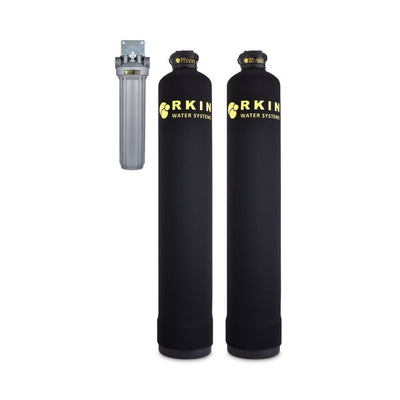
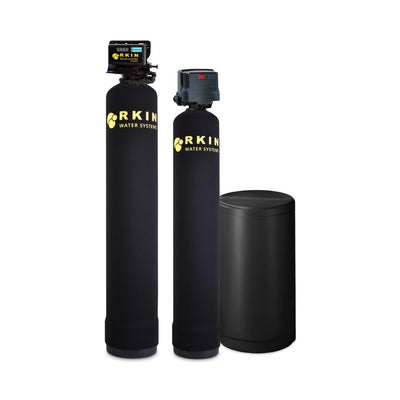
RKIN is useful after you know what you are trying to reduce. If your test shows a whole-home nuisance profile such as sediment, chlorine taste, hardness scale, iron staining, manganese staining, or sulfur odor, start with RKIN's whole-house water treatment collection and match the system to the report.
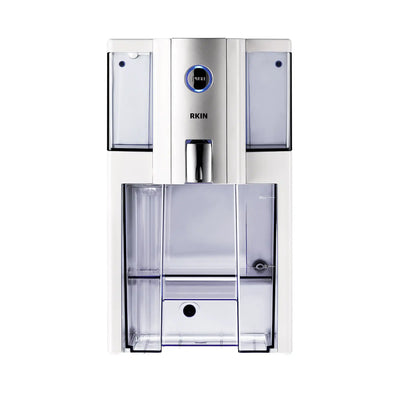
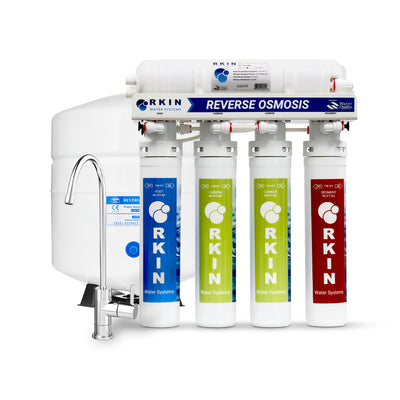
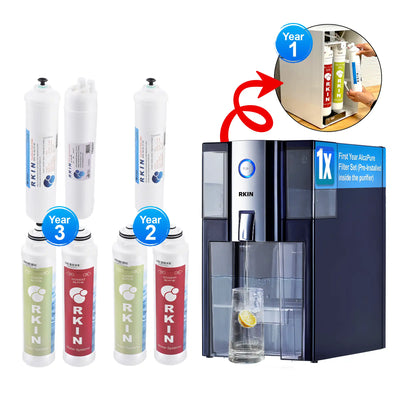
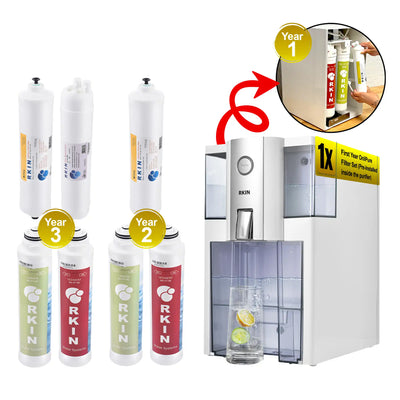
If your main concern is drinking water at the kitchen sink after the well has been cleared for normal use, a reverse osmosis system may be a better fit. The RKIN Zero Installation Purifier is a refill-tank countertop reverse osmosis option that does not connect to the faucet or require permanent plumbing changes. For a built-in sink setup, the RKIN Flash Undersink RO System is designed for under-sink installation.
If the report is confusing, share the lab results with RKIN before choosing equipment. The right answer depends on the water, not on a generic storm checklist.
A Simple Post-Flood Well Water Checklist
Use this as a homeowner decision path after floodwater enters the area around a private well.
First, stay out of flooded electrical areas. Shut off pump power if equipment may have been affected. Call a professional if you are unsure.
Second, switch to another water source for drinking and cooking until the well has been checked. Do not use taste, smell, or clarity as proof.
Third, inspect the visible well area when it is safe. Look at the cap, casing, wiring, nearby soil, drainage, and pressure equipment. Photograph damage.
Fourth, contact the local health department, state well program, certified lab, or licensed well contractor. Ask what to test after flooding in your area.
Fifth, repair and disinfect as directed. Then test again before returning to normal use.
Sixth, select water treatment only after the results show the target. Flood recovery is not the time to guess.
Frequently Asked Questions
Can I drink well water after flooding if it looks clear?
No. Clear water does not prove a flooded well is ready for drinking, cooking, ice, or brushing teeth. If floodwater reached the well area, use another water source until the well is inspected, disinfected if needed, and tested according to local guidance.
Should I boil flooded well water?
Follow your local health department's instructions. Boiling may be used in some bacteria-related emergencies, but it does not fix damaged well equipment, fuel contamination, chemicals, or sediment problems. If the well was flooded, inspection and testing are still needed.
What should I test for after a flooded well?
Start with the local health department or a certified lab. Many wells need bacteria indicator testing such as total coliform and E. coli. Depending on the flood source, they may also suggest nitrate, turbidity, pH, fuel-related compounds, metals, pesticides, or local contaminants.
Can a whole-house filter make flooded well water safe?
A normal household filter should not be treated as the only fix for a flooded well. The well may need repair, disinfection, and lab testing first. After the well is cleared, a whole-house system can be selected for the specific issues found in the report.
When should I call a well professional?
Call a licensed well contractor if floodwater covered the well, electrical parts got wet, the cap or casing looks damaged, the pump stopped working, soil washed away around the wellhead, or test results remain abnormal after disinfection.
Ready to Choose Treatment Based on Real Results?
After a flood, the best water treatment decision starts with a lab report. Test first, then match the system to the target.
If your results point to whole-home treatment, compare RKIN's whole-house water treatment systems, then match the system to the lab result instead of guessing from taste.





0 comments