


reverse osmosis remineralization
Why Does European Water Taste Better Than U.S. Water?

That “smooth” European bottled-water taste usually comes from minerals, source, and treatment style, not magic. People notice it after travel, then come home and wonder why their tap water tastes flat, sharp, chlorinated, or heavy by comparison.
The useful answer is not that one continent has perfect water and the other does not. Taste is shaped by dissolved minerals, pH, disinfectant, storage, plumbing, temperature, carbonation, and what your palate is used to. The EPA even treats taste, odor, color, and TDS under its secondary drinking-water standards, which are non-enforceable guidelines for aesthetic issues like salty taste, metallic taste, staining, odor, and deposits.
Why European Water Can Taste Smoother
Many European bottled waters are sold around source identity. The label often points to a spring, region, mineral profile, or carbonation level. That primes people to notice taste. In the United States, most homeowners are not drinking a branded mineral profile at the sink. They are drinking treated municipal water after it has moved through a utility system and home plumbing.
Minerals are the biggest taste driver. Calcium, magnesium, bicarbonate, sodium, chloride, sulfate, and total dissolved solids all affect mouthfeel. A moderate mineral profile can taste round or “soft” to some people. Very low mineral water can taste clean but flat. High sulfate, chloride, iron, manganese, or TDS can taste bitter, salty, metallic, or heavy.
This is why two bottles of water can both be safe to sell yet taste completely different. It is also why one city’s tap water may taste great to one family and unpleasant to another. The chemistry, treatment, pipes, and expectations are different.
U.S. Tap Water Is Built for Compliance First
Public water systems in the United States are regulated under the Safe Drinking Water Act. The EPA’s basic drinking-water guidance explains that public systems must follow standards set by the EPA and the state agency with oversight. That is a compliance framework, not a taste design program.
Utilities have to disinfect water and keep it stable through miles of pipe. That often means chlorine or chloramine residual, corrosion control, pH adjustment, and source blending. Those steps can be appropriate for the system, but they may leave taste clues at the faucet.
The EPA secondary standards page lists TDS at 500 mg/L as a guideline tied to hardness, deposits, colored water, staining, and salty taste. It also lists sulfate at 250 mg/L for salty taste and zinc at 5 mg/L for metallic taste. Those are not the only taste factors, but they show the point: taste is chemistry.
Your Consumer Confidence Report can help. It will not read like a restaurant water menu, but it can show source water, disinfectant notes, detected contaminants, and whether the utility met standards. If the report shows high TDS, hardness indicators, iron, manganese, sulfate, chloride, or disinfectant byproducts, you have clues about why the water tastes the way it does.
Why Bottled Water Is Not the Whole Answer
Buying imported bottled water can solve taste for one glass, but it does not solve the home water routine. You still have to store bottles, carry cases, deal with waste, and choose a brand whose mineral profile matches what you like. If the reason you like European water is balanced minerals, the real goal is not a specific bottle. It is a taste profile.
Boiling water is also not a taste plan. Boiling can be useful during a boil-water notice, but it does not remove dissolved minerals. As water evaporates, the dissolved solids that remain can become more concentrated. Boiling also will not make chlorine or chloramine taste issues disappear in a controlled, predictable way.
A basic pitcher filter may improve chlorine taste and odor, depending on the media and certification. That can be enough for some homes. But if your water tastes heavy, bitter, mineral-laden, or inconsistent, a pitcher may not address the parts of the water that create that mouthfeel.
The better move is to decide what you liked about the water. Was it lightly mineral, cold, low chlorine, carbonated, or just different from your city’s water? Once you name the preference, choosing a filter gets much easier.
How to Build Better-Tasting Water at Home
Start by reading the report and tasting the water side by side. Try your tap water cold, room temperature, after sitting for an hour, and after passing through your current filter. Notice whether the problem is smell, sharpness, heaviness, metallic notes, sediment, or aftertaste.
If the main issue is chlorine taste or odor, carbon filtration may be enough. Activated carbon is widely used for taste and odor improvement, but the exact result depends on water chemistry, contact time, and the filter’s design.
If the issue is dissolved solids, mineral heaviness, or a desire for a cleaner drinking-water base, reverse osmosis is the stronger point-of-use tool. RO pushes water through a membrane and uses supporting filters before and after that step. Many people choose RO because it gives them a more controlled starting point for drinking and cooking water.
Then comes the taste choice: very low TDS or remineralized. Some people want the lowest dissolved-solids number they can get. Others prefer a small amount of calcium and magnesium added back after RO because it tastes closer to the smooth bottled-water profile they like. Neither choice is universal. It is about what you want in the glass.
Where RKIN Fits
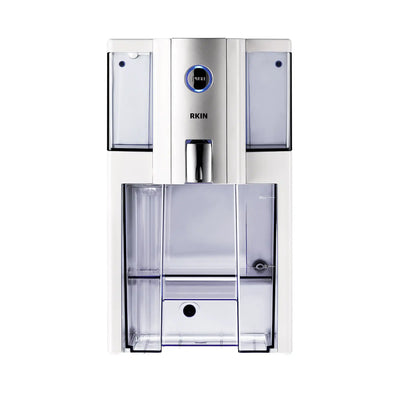
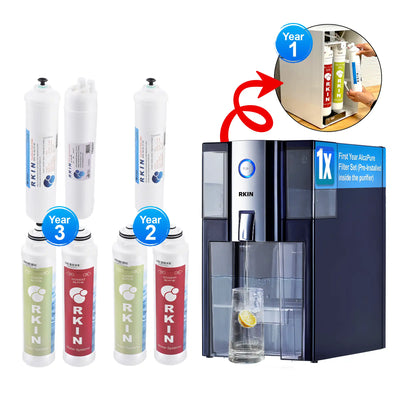
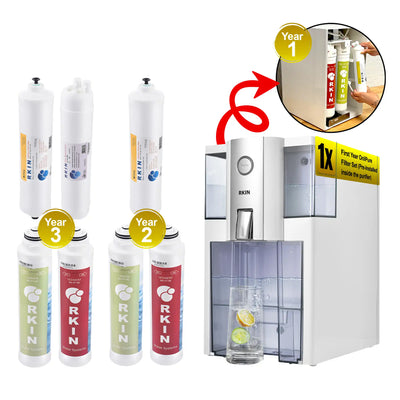
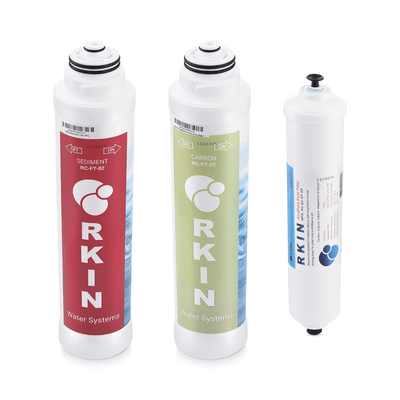
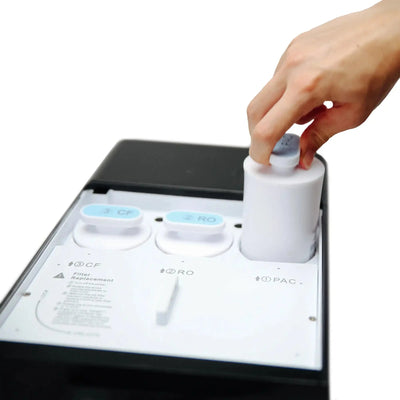
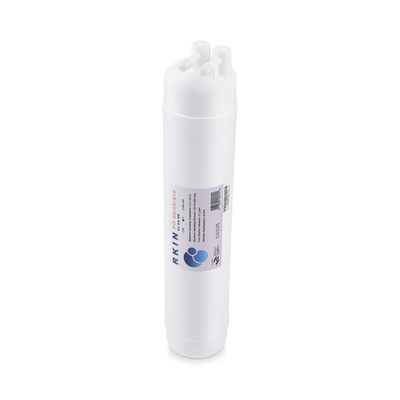
The RKIN Zero Installation Purifier Countertop Reverse Osmosis Water Filter is a good fit for this taste question because it offers RO at the counter without plumbing work. The AlcaPure Edition is designed to return a small amount of calcium and magnesium after RO for people who prefer a smoother mineral taste. The OnliPure Edition is for people who prefer very low TDS.
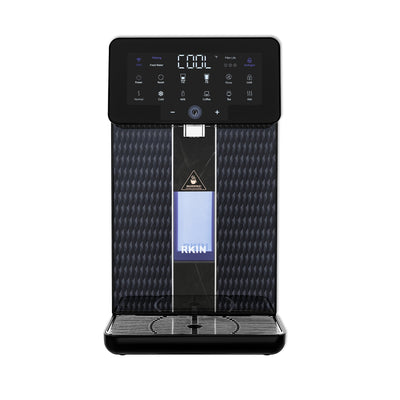
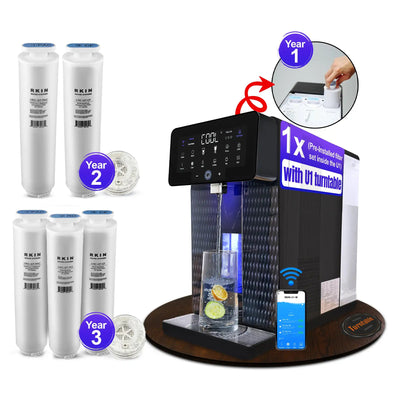
For kitchens where you want a compact countertop system with more built-in daily-use features, the RKIN U1 4-in-1 Water Filter System gives you countertop RO with a fill tank, UV, and app-enabled controls. It is a countertop system, not an under-sink unit.
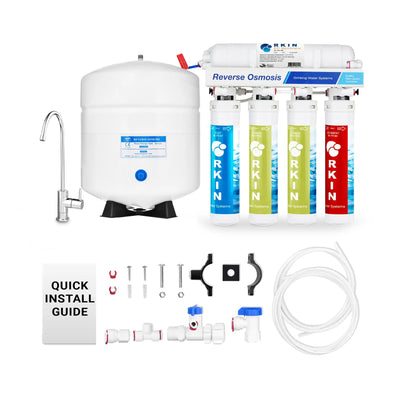
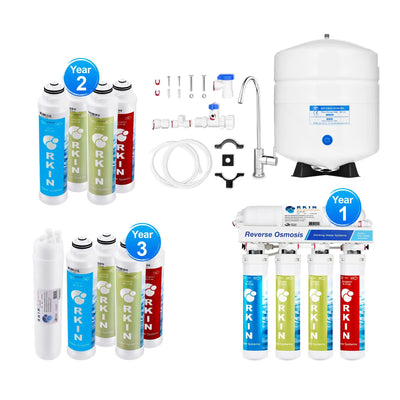
If you own the home and want the filter out of sight, the RKIN Flash Undersink RO System is the under-sink path. It uses a compact storage tank and can be paired with an AlcaPure or OnliPure post-filter depending on the taste profile you want.
How to Compare Taste Without Guessing
Use three cups. One cup should be your current tap water. One should be your current filtered water, if you use a pitcher or refrigerator filter. One should be the bottled water you like. Taste them cold and at room temperature. You are looking for the difference you can name.
If the tap water smells like a pool, focus first on disinfectant taste and odor. If it feels heavy or leaves scale, look at hardness, TDS, and minerals. If it tastes metallic, check the report and consider plumbing variables. If the bottled water tastes smoother because it has a light mineral profile, an RO system with remineralization may match your preference better than a plain taste filter.
Do not chase a country. Chase the profile: clean base, low objectionable taste, and the mineral level you actually enjoy.
Frequently Asked Questions
Why does European water taste better?
European bottled water often tastes different because of mineral content, source geology, carbonation, and brand-specific profiles. It is not automatically better. It may simply have a mineral balance, temperature, or carbonation level that you prefer compared with your local tap water.
What makes water taste smooth?
Smooth taste usually comes from a balance of minerals and low objectionable taste from chlorine, sulfur, iron, or excess dissolved solids. Calcium and magnesium can add body, while very high TDS, sulfate, chloride, iron, or manganese can create heavy, salty, bitter, or metallic notes.
Does reverse osmosis make water taste like bottled water?
Reverse osmosis can create a cleaner base by reducing many dissolved substances. To get a bottled-water-style taste, some systems add a post-filter or remineralization stage after RO. That is different from plain RO water, which some people find clean and others find flat.
Is U.S. tap water worse than European water?
Not as a blanket statement. U.S. public water systems are regulated under the Safe Drinking Water Act, while bottled and mineral waters follow their own rules by market. Taste differences often come from minerals, disinfection, source water, and plumbing rather than a simple better-or-worse ranking.
What filter should I use if my tap water tastes chlorinated?
If the issue is mainly chlorine taste or odor, start with a filter that has strong carbon filtration and clear performance data. If you also want lower TDS or a more controlled drinking-water base, consider a reverse osmosis system and choose whether you prefer remineralized or very low TDS water.
Ready for Better-Tasting Water at Home?
If you like the smoother taste of European bottled water, do not start by copying a label. Start by choosing the water profile you want. For no-plumbing RO with a remineralized taste option, see the RKIN Zero Installation Purifier Countertop Reverse Osmosis Water Filter. For a compact feature-rich countertop setup, compare it with the RKIN U1 4-in-1 Water Filter System.





0 comments