


fridge water filter replacement
Why Does My Ice Taste Bad? Fridge Filter Problems, Fixed

Ice should taste like nothing. When it tastes metallic, musty, chlorine-heavy, or just off, something upstream of the cube is contaminating it — and ninety percent of the time, it is one of five specific problems. You do not need a new fridge. You do not need a plumber. You do need to figure out which of the five is actually yours before you spend money on anything.
This guide walks through the real causes of bad-tasting ice, in the order you should check them, with the fix for each. At the end, we cover what to do if you have already tried the obvious stuff and the ice still tastes wrong.
Cause 1: The Fridge Filter Is Overdue
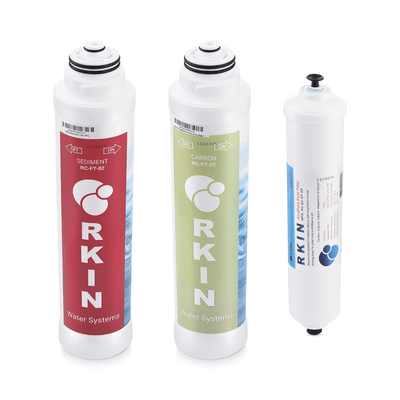
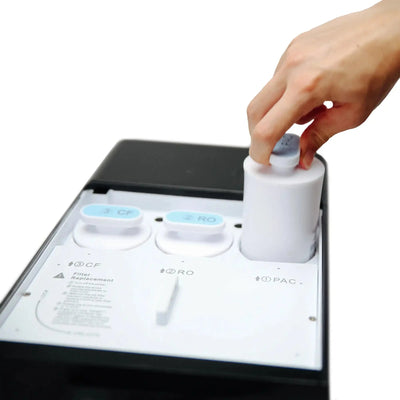
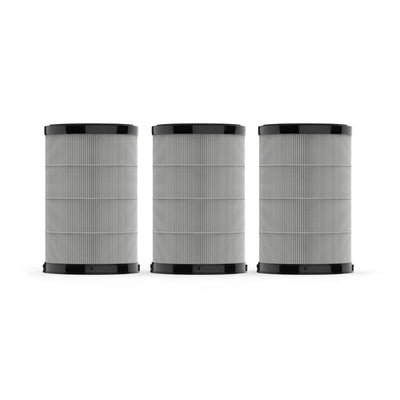
This is the most common culprit by a wide margin. Refrigerator water filters are designed to be swapped every six months, and most people forget. Once the carbon inside is saturated, the filter stops adsorbing chlorine, taste, and odor — and in some cases it starts releasing trapped compounds back into the water passing through it. That is why old filters can make ice taste worse than no filter at all.
Quick check: most modern fridges have a light or icon on the dispenser panel that warns when the filter is due. If you cannot remember the last time you replaced it, it is overdue. Swap it, then run at least three full reservoirs of water through the dispenser before judging the ice again. The first batch of cubes after a filter change will taste flat — that is normal and goes away after a day or two.
Cause 2: The Ice Bin Is Absorbing Smells
Ice is porous. It holds onto whatever is in the air inside your freezer. Garlic, fish, onions, last week's leftovers — any strong-smelling food in the freezer transfers flavor into the cubes over time. The ice bin itself also absorbs odors, especially if it has been sitting with a thin layer of water at the bottom or a stale cube for weeks.
The fix takes ten minutes. Pull out the entire ice bin, dump the old cubes, wash the bin with warm water and a small amount of dish soap, rinse thoroughly, and let it air dry completely before putting it back. While it is out, wipe down the inside of the freezer. Then toss the first batch of fresh ice after the bin goes back in — those cubes form against residual moisture and can taste off.
Cause 3: The Water Line Has Stale Water
The line that feeds your fridge's ice maker and water dispenser sits still most of the day. If you are away for a week, or if nobody uses the dispenser, water in that line can sit for days — picking up plastic taste from the tubing or even growing a faint biofilm in warmer months.
The fix: dispense and discard at least a full pitcher (64 oz) of water from the front dispenser before trusting it. For the ice maker, toss the entire current bin and let it refill fresh. If you notice the bad taste always comes back after a vacation, consider running a pitcher of water through the dispenser once a week as routine.
Cause 4: The Tap Water Itself Is the Problem
This is the one people skip over. The fridge filter is a light-duty carbon cartridge — it is not built to rescue water that has serious quality issues coming in. If your city switches disinfectants seasonally, if your water utility is dealing with a main break, or if your home is on aging pipes, the water reaching the fridge may have more contamination than the filter can handle.
According to the EPA's Consumer Confidence Report program, your local utility must publish an annual water quality report. It lists every regulated contaminant detected in your water, the levels, and the legal limits. A five-minute read of that report tells you whether your tap water has unusual chlorine, chloramine, sulfur, manganese, or iron levels — all of which can cause specific off-tastes in ice:
- Metallic or rusty taste — usually iron or old galvanized pipes.
- Rotten-egg smell — sulfur compounds, common on some well water and a handful of city systems.
- Pool-chlorine smell — elevated free chlorine or a shift to chloramine.
- Earthy or musty — seasonal algae in surface water sources, usually worst in late summer.
- Salty or mineral-heavy — hard water or high total dissolved solids.
Cause 5: The Ice Maker Itself Needs Cleaning
Even with a new filter and fresh water, the ice maker's internal components — the fill tube, the tray, the auger — can build up mineral scale and bacterial slime over time, especially in homes with hard water. Scale shelters odors and can flavor the cubes from the inside out.
Most refrigerator manuals include a cleaning procedure. Typically it involves turning the ice maker off, removing the bin, wiping down the interior parts with a mild vinegar-water solution, rinsing with plain water, and letting everything dry before turning it back on. If your manual is not handy, the manufacturer's support site will have it. Do this twice a year — line it up with the filter change and you will remember.
If You've Done All Five and Ice Still Tastes Wrong
At this point the problem is not your fridge. It is upstream. The water feeding your entire house is the issue, which means fixing the ice alone will not fix the glasses of water you pour at the sink, the coffee you brew, or the shower you stand under.
A fridge filter is a convenience feature. It was never engineered to be a whole-home water solution. If you keep replacing the filter on schedule and the ice still tastes off, the honest answer is you need better filtration than a fridge cartridge can provide.
Two common upgrade paths:
- Point-of-use — a countertop or under-sink system that delivers cleaner water to the kitchen, and plumbs into the fridge line at the same time.
- Whole-house — a carbon or combo system on the main water line that treats everything before it reaches any appliance, including the fridge.
Most homeowners start with point-of-use because it is faster, cheaper, and does not require a plumber.
How RKIN Fits Into This
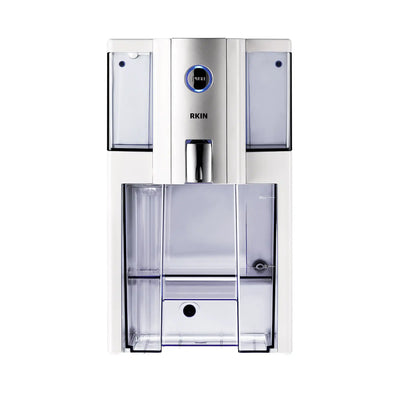
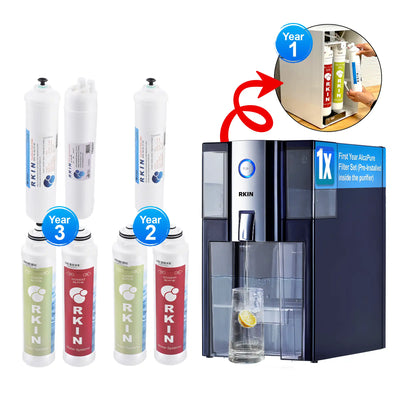
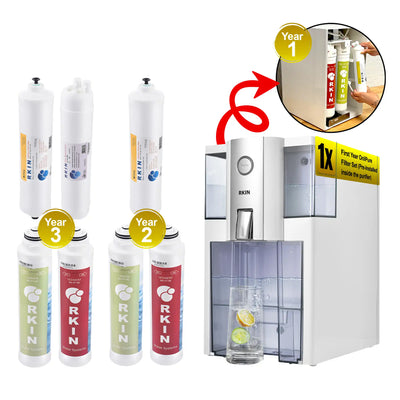
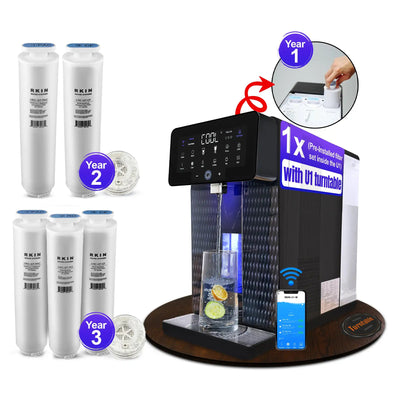
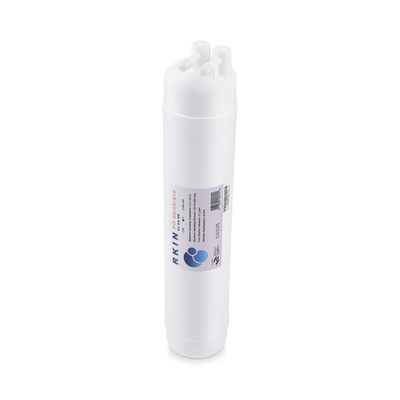
If the ice and drinking water are the problems — and you do not want to tear into plumbing — the Zero Installation Purifier is the fastest upgrade. It sits on the counter, connects to your faucet, and delivers reverse osmosis water with a multi-stage filter stack that handles chlorine, heavy metals, and a long list of other contaminants the fridge filter is not rated for. Fill a pitcher, put it in the fridge, and the ice made from that water tastes the way ice should — like nothing.
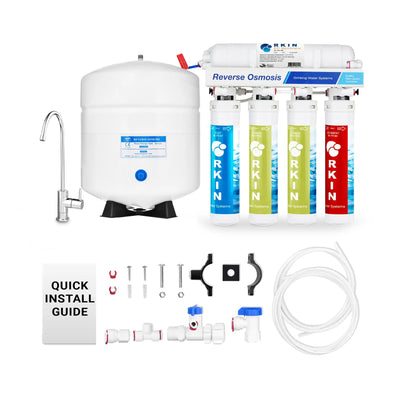
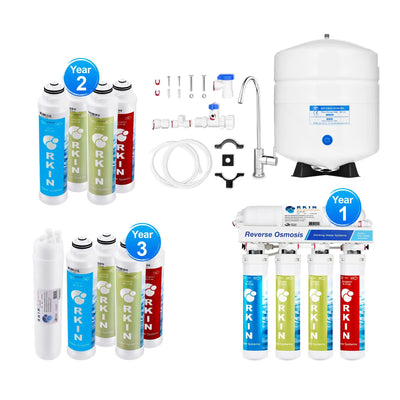
If you prefer a permanent under-sink solution that can feed both the kitchen faucet and the fridge ice maker, the RKIN Flash Undersink RO System is built for exactly that use case. It has a compact 3.2-gallon storage tank and produces up to 75 gallons per day of filtered water.
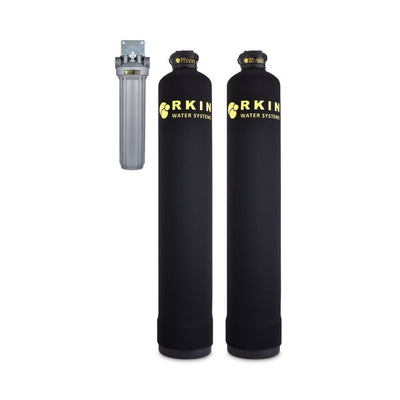
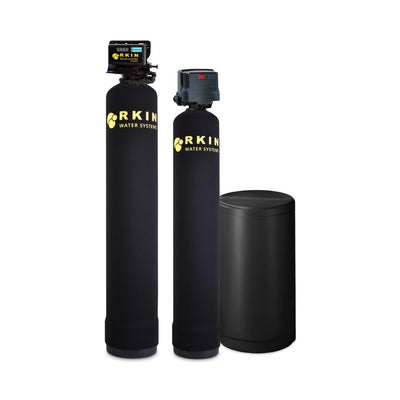
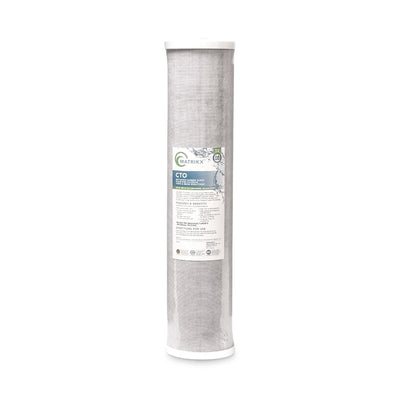
And for homes where the bad taste shows up everywhere — ice, shower, laundry — a whole-house carbon filter is the right tool. Treat the water once at the main, and every tap downstream benefits.
Frequently Asked Questions
How often should I replace my refrigerator water filter?
Most manufacturers recommend every six months, or sooner if the filter indicator light triggers earlier. Homes with heavily chlorinated water or a large household using a lot of dispensed water may need to change it every three to four months. Waiting past the recommended interval is a leading cause of bad-tasting ice.
Can bad-tasting ice make me sick?
Off-flavors usually signal overdue maintenance rather than a safety issue — but if the taste is strong, metallic, or accompanied by visible discoloration in the water, stop drinking it and investigate. Your local water utility's consumer hotline can confirm whether there's an active advisory in your area.
Why does my ice taste like plastic?
Two common causes: a new fridge's water line still off-gassing from the factory, or a fridge filter installed more than six months ago that has started releasing absorbed compounds. Run several gallons through the dispenser after any filter change or after moving a new fridge into place before trusting the water.
Will a reverse osmosis system make ice taste better?
Yes. Reverse osmosis removes dissolved minerals, chlorine, and many other contaminants that cause off-flavors. Ice made from RO water is typically the cleanest-tasting ice you can make at home. Most RO systems can be plumbed to feed a refrigerator's ice maker in addition to a dedicated drinking tap.
Does boiling water before freezing it remove bad tastes?
Partially. Boiling evaporates some dissolved gases (including some chlorine) and kills biological contaminants, but it concentrates dissolved minerals and cannot remove most chemical contaminants. If your tap water tastes bad hot, freezing it will not fix the underlying flavor issue.
Is it okay to skip the fridge filter entirely?
You can bypass the fridge filter by installing a bypass plug in place of the cartridge, but then every bit of whatever comes out of your tap ends up in your ice. Most homeowners who bypass the fridge filter do so because they have installed a more capable filtration system upstream — such as a reverse osmosis unit — that does a better job than the fridge cartridge ever could.
The Bottom Line
Bad-tasting ice is almost always fixable in under twenty minutes. Start with a fresh filter, clean the ice bin, flush the water line, read your water quality report, and clean the ice maker itself. If all five boxes are checked and the ice still tastes off, the fridge filter has reached the limit of what it was designed to do — and a dedicated drinking-water system upstream is the real answer.
See RKIN's countertop filtration lineup for fast upgrades that do not require any plumbing work, or contact our team if you want help matching a system to your home's specific water profile.





0 comments