


algae taste in drinking water
Why Tap Water Tastes Earthy in Summer and What to Do

If your tap water suddenly tastes earthy, musty, or a little like dirt in summer, the usual suspects are algae-related compounds in source water, seasonal treatment changes, warm plumbing, or a localized pipe issue. Do not guess — compare cold water, hot water, and multiple taps first.
Summer is when taste complaints get louder because heat changes everything around water. Reservoirs warm up. Organic material breaks down faster. Utilities may adjust disinfectant levels. Water can sit in warm pipes longer when people travel. The EPA tracks harmful algal blooms and cyanotoxins because algae events can affect source water, recreation, and drinking-water treatment decisions.
The earthy taste itself is often a signal to investigate, not a reason to panic. The right fix depends on whether the taste is coming from the public water source, your home's plumbing, or something after the faucet.
Why does tap water taste earthy or musty?
Two common taste-and-odor compounds are geosmin and 2-MIB. They can come from naturally occurring bacteria and algae in lakes, reservoirs, and other source waters. People can notice them at very low levels, which is why a glass of water can taste off even when it still looks clear.
Utilities deal with this problem at the treatment plant, but source water changes by season. Heavy rain can wash organic material into reservoirs. Hot, sunny stretches can encourage algae growth. Drought can concentrate taste compounds. A cold snap or a storm can mix layers in a reservoir and change what reaches the intake.
That does not mean every earthy taste is algae. It can also come from:
- Old ice: Ice absorbs freezer odors and can make water taste stale.
- Refrigerator lines: Plastic tubing and old filters can change taste.
- Warm pipes: Water sitting in hot plumbing can taste flat or musty.
- Drains nearby: Sometimes the smell is from the sink drain, not the water.
- Private wells: Organic matter, iron bacteria, and well conditions can create earthy or swampy notes.
Understood: nobody wants to become a water chemist just to drink from the kitchen sink. The simple first step is a 3-tap test.
Do this 3-tap test before buying anything
Run cold water from your kitchen faucet for 60 seconds, fill a clean glass, and smell it away from the sink. Then repeat from a bathroom faucet. Finally, check hot water after it has run for a minute.
The pattern tells you where to look:
- Only one faucet tastes earthy: The issue is likely local to that faucet, aerator, supply line, or nearby drain.
- Every cold tap tastes earthy: The source is more likely the utility water, whole-home plumbing, or private well.
- Only hot water tastes earthy: Check the water heater, anode rod, and hot-water plumbing.
- Only refrigerator water tastes earthy: Replace the refrigerator filter if it is due and flush the dispenser line.
- Only ice tastes earthy: Dump old ice, clean the bin, and make a fresh batch.
The reason I'm asking you to test multiple taps is because it prevents the wrong fix. If only refrigerator water tastes musty, a whole-house system is not the first move. If every cold tap tastes off, a fridge filter is too small of a fix.
If you use a private well, add one more step: test the well. Taste is not enough to diagnose iron bacteria, sulfur, nitrate, hardness, or microbial issues.
Can algae make tap water taste bad?
Yes, algae-related compounds can make treated tap water taste earthy or musty, especially when the utility's source water is a lake, reservoir, or river. The EPA notes that harmful algal blooms are driven by conditions such as excess nutrients, sunlight, slow-moving water, and warm temperatures. Those same seasonal conditions are why summer is a common time for taste complaints.
That said, do not assume a bad taste means your water has cyanotoxins. Utilities monitor and treat source water, and public notices are issued when water systems identify a safety concern. Taste compounds and toxin events are not the same thing.
A safer way to think about it:
- Earthy taste: Often a taste-and-odor issue, but worth tracking.
- Official advisory: Follow the utility or health department instructions exactly.
- Private well near surface water or flooding: Test instead of guessing.
If your city posts a notice about algae, cyanotoxins, or a do-not-drink advisory, a home filter does not override that notice. Follow the notice first. Then use filtration as a daily water-quality layer after the official guidance is clear.
What filters help with earthy tap water taste?
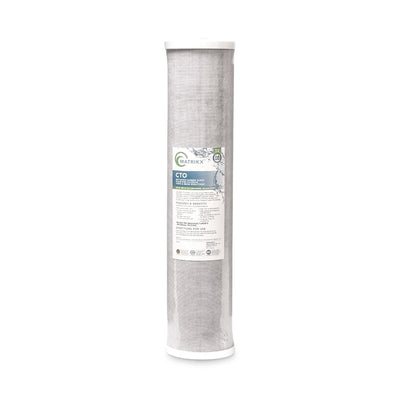
Activated carbon is the first category to understand. Carbon is widely used for taste and odor because it adsorbs many compounds responsible for chlorine taste, musty odors, and off-notes. Carbon filter performance depends on the type of carbon, contact time, filter age, flow rate, and what else is in the water.
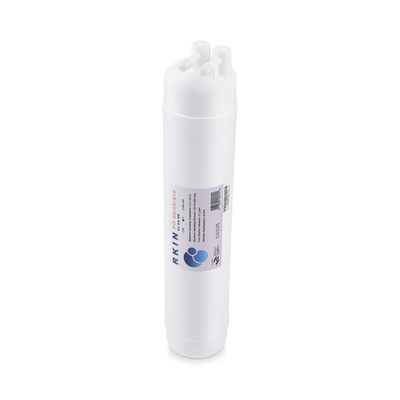
Reverse osmosis can also help, especially when taste is part of a bigger drinking-water concern. RO uses pressure to move water through a semipermeable membrane. That membrane separates many dissolved contaminants from the water stream, while carbon stages improve taste and protect the membrane.
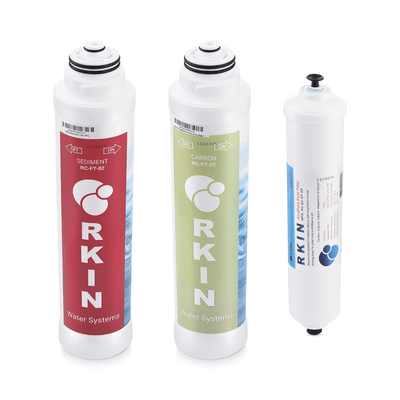
For everyday drinking water, the best setup is usually not "carbon or RO." It is carbon plus RO in the right order. Carbon improves taste. RO improves contaminant reduction. Post-carbon polishes the finished water.
Me personally, I would not buy a filter only because one week of city water tastes earthy. In my house, I would first check whether the taste is one faucet, all faucets, or only refrigerator water. If it is a repeat summer problem in drinking water, then I would look at RO for the kitchen or counter.
Which RKIN system fits this problem?
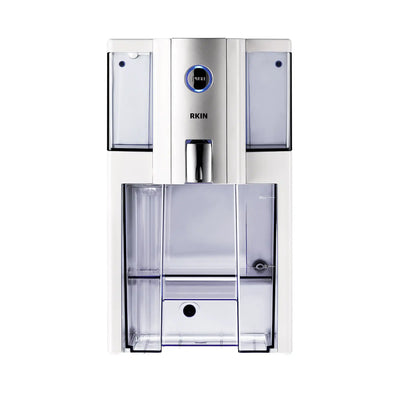
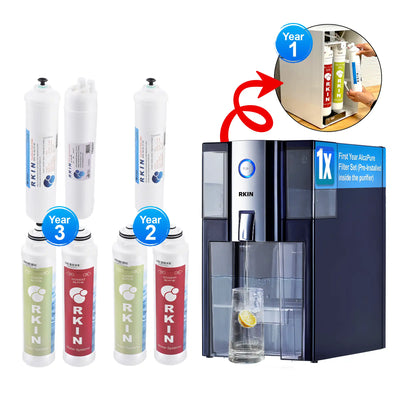
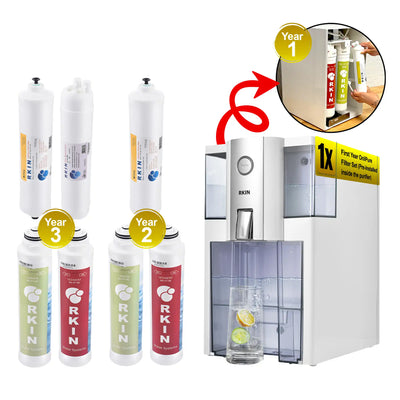
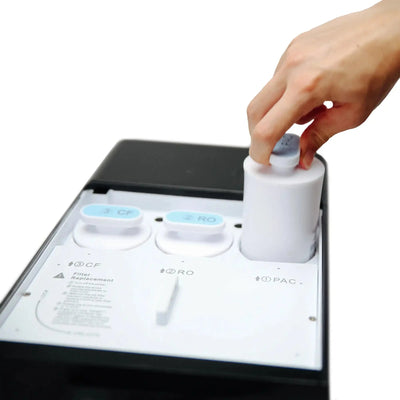
For drinking water taste at the sink or counter, start with reverse osmosis. The RKIN Zero Installation Purifier is built for homes that want RO without plumbing changes. It sits on the counter, uses a no-install setup, and loads water from the front at counter height.
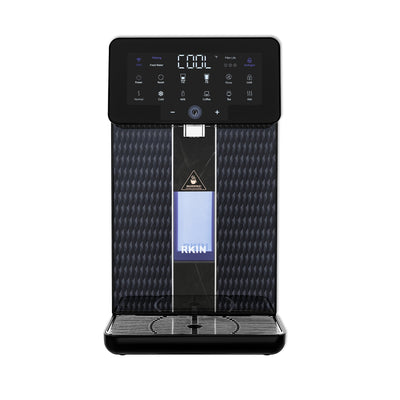
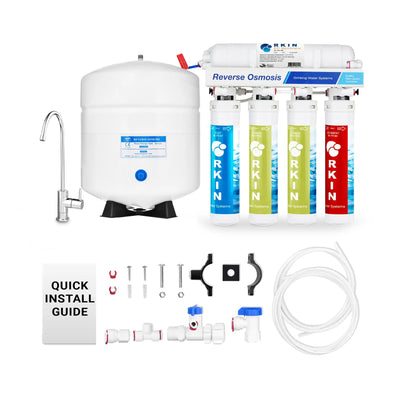
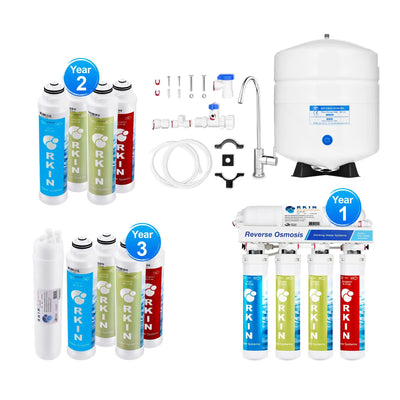
If you want filtered water at a dedicated faucet and prefer the counter clear, the RKIN Flash Undersink RO System is the better match. It connects under the sink, uses a compact 3.2-gallon tank, and is built for daily drinking and cooking water.
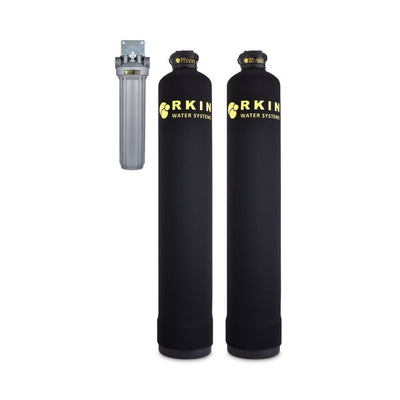
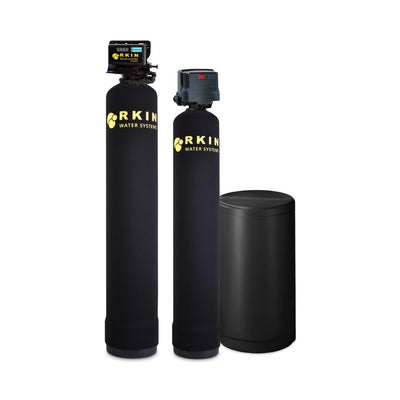
If every tap in the home has chlorine taste, sediment, or odor, then look beyond a single drinking-water system. A whole-house carbon system filters water before it reaches showers, laundry, and fixtures. The RKIN whole-house water treatment collection is the right place to compare whole-home options after you know the actual issue.
Match the fix to the scope: one faucet calls for a faucet-level fix, a whole-home taste issue calls for whole-home treatment, and a drinking-water concern calls for RO only when the water test supports it.
When should earthy water be handled as urgent?
Most earthy-taste complaints are not emergencies, but some patterns deserve a faster response.
Call your utility or local health department if the taste arrives with a public notice, discoloration, low pressure, nearby main break, flooding, or a sudden change across the neighborhood. Stop using the water for drinking if the official notice says to boil, avoid, or use bottled water.
For private wells, act sooner if the taste appears after flooding, a hurricane, heavy rain, septic work, or visible well damage. Test results matter more than taste. A clear glass can still have issues you cannot see.
Also check your sink drain before blaming the water. Fill a glass, step away from the sink, and smell the glass again. If the odor disappears away from the drain, clean the drain and disposal. This is common, and it saves people from buying filters for a smell that was never in the water.
How to prevent summer taste problems from coming back
You cannot control a reservoir, but you can control the water path inside your home. Replace filters on schedule. Flush lines after travel. Dump old ice. Keep refrigerator dispensers clean. Test private wells at the intervals recommended by local health agencies and after weather events.
For city water, sign up for utility alerts if your area offers them. Utilities often post taste-and-odor notices, treatment updates, flushing schedules, and boil advisories online. If the same earthy taste returns every summer, save dates and notes. Patterns help customer service teams identify whether the issue is source water, distribution flushing, or your own plumbing.
For drinking water, a dedicated RO system is the cleaner long-term habit. It does not replace public notices, and it does not mean every glass is identical forever. But it gives you a defined system with filter stages, maintenance intervals, and a known role: improving the water you drink and cook with every day.
Frequently Asked Questions
Why does my tap water taste like dirt?
Tap water can taste like dirt because of naturally occurring taste compounds in source water, warm plumbing, old ice, refrigerator lines, or a local drain odor. Test multiple taps and smell a glass away from the sink before deciding on a fix.
Is earthy tasting tap water safe?
Do not use taste alone to decide. If there is no public notice and the issue is only taste, it may be a taste-and-odor problem. If your utility posts an advisory, follow it. If you use a private well, test the water when the taste changes suddenly.
Does boiling remove earthy taste from water?
Boiling can help with certain emergency instructions, but it usually does not solve earthy taste. In some cases, heat can make odors more noticeable. If there is an active boil notice, boil because the notice says to — not because it fixes taste.
What filter removes musty water taste?
Activated carbon is commonly used for musty, earthy, chlorine, and odor complaints. For drinking water, carbon paired with reverse osmosis is a stronger setup because the carbon improves taste while RO addresses many dissolved contaminants.
Why does my water taste earthy only in summer?
Summer heat, sunlight, slow-moving source water, algae growth, and utility treatment changes can all affect taste. Water sitting in warm home plumbing can also taste stale. Track whether the issue is one tap or every tap.
Ready to Fix the Taste at the Tap?
If the earthy taste is showing up in the water you drink, start at the sink. The RKIN Zero Installation Purifier gives you reverse osmosis without plumbing work, with a countertop setup built for daily drinking water.





0 comments