


can a whole house water filter be installed outside
Can a Whole House Water Filter Be Installed Outside?

Yes, a whole-house water filter can be installed outside when the equipment is rated for the location and protected from sun, rain, freezing, impact, and flooding. The system also needs a reachable bypass, drainage, and enough clearance for service.
That is why the question is not just “can a whole house water filter be installed outside?” The better question is: can it be installed outside and still be easy to protect, service, drain, bypass, and understand six months from now? If you are on city water, start with your annual Consumer Confidence Report. If you are on a private well, the EPA reminds homeowners that private well testing and maintenance are the owner’s responsibility in its private well protection guidance. Placement matters because maintenance is part of the system.
The Short Answer: Sometimes, But Protect the Setup
A whole house water filter can be installed outside in many homes, especially in warmer climates, homes without basements, homes with exterior main-line access, or properties where the water equipment sits in a garage, pump house, shed, utility room, or side-yard enclosure.
But “outside” should not mean exposed and forgotten. A whole-house system is part of the home’s plumbing. It needs a stable location, protection from weather and physical damage, room for service, and a clear bypass plan. If the system is placed in an outbuilding, the pipe run matters too. Long exposed runs can add freeze risk, heat exposure, pressure concerns, and leak points that are harder to notice.
The practical test is simple: if a plumber or homeowner cannot reach the system comfortably, see the valve positions, change a prefilter, drain the housing, and isolate the system without crawling through shrubs or standing in a storm, the location is working against you.
That does not mean outdoor placement is wrong. It means outdoor placement needs a better enclosure and a better maintenance plan than an indoor utility wall.
Why Outdoor Filter Location Matters More Than People Think
Whole house filters sit near the point where water enters the home. That makes them different from a small drinking-water filter at the kitchen sink. When the whole-house setup is wrong, the problem can show up everywhere: showers, laundry, toilets, appliances, and every faucet after the system.
The first issue is access. A filter that is hard to reach is a filter people delay servicing. If the sediment prefilter is behind landscaping, inside a low crawlspace, or mounted high in a shed, the homeowner may keep postponing a cartridge check until pressure drops. A serviceable location is not a luxury. It is part of the design.
The second issue is protection. Outdoor plumbing can be hit by mowers, ladders, children’s bikes, storms, pests, and sun. Housings, valves, tubing, and control heads are not meant to be treated like fence posts. Even if the water treatment equipment is built for a main-line installation, the surrounding environment still has to protect it.
The third issue is diagnosis. When a filter is in an odd location, the next person may not know whether it treats the whole home, a detached building, an irrigation line, or just part of the house. Labeling and valve layout reduce confusion later.
What to Check Before Keeping an Outdoor Filter
If you inherited an outdoor filter setup, do not start by tearing it out. Start by mapping what it does. Find the main shutoff, the line entering the system, the line leaving the system, and any bypass valve. Then confirm whether the treated line feeds the whole house or only a section.
Use this quick field check:
- Source: City water, private well, shared well, or rain/auxiliary supply.
- Coverage: Whole house, garage only, irrigation only, or a guest house line.
- Protection: Covered, enclosed, shaded, insulated where needed, and safe from impact.
- Access: Enough room to change cartridges, view gauges, and reach bypass valves.
- Drain path: A safe place for service water, backwash water, or depressurizing if the system uses those steps.
- Labels: Clear marks for inlet, outlet, bypass, and shutoff positions.
If any of those are unknown, the system is not necessarily bad. It is undocumented. That is fixable.
What Does Not Work Outdoors
Do not assume a shed makes the equipment protected. A shed can trap heat, invite pests, hide leaks, and make service harder if the system is tucked behind storage. If the equipment is outdoors, the enclosure should be built around access, not just concealment.
Do not put a whole-house filter where it can be submerged, splashed by sprinklers, hit by direct roof runoff, or buried by mulch. Water treatment equipment needs water inside the plumbing, not attacking the equipment from the outside.
Do not install the system after an irrigation split if your goal is treated water inside the home. You may end up filtering the wrong branch or wasting filter capacity on outdoor water. The main-line location should match the actual treatment goal.
Do not skip bypass valves. A bypass lets you isolate the system for service without shutting down the entire house longer than needed. In my house, I would not accept a whole-house setup without a clean bypass path and labeled valves. It is one of those details you appreciate the first time something needs service.
City Water vs Well Water Changes the Decision
City water and well water create different placement questions. On city water, you normally have a utility meter, a main shutoff, and an annual water report. Your filter decision is usually about chlorine taste and odor, sediment, aging plumbing, or broader whole-home water feel.
On a private well, the homeowner owns more of the risk and more of the maintenance. The EPA’s private-well guidance puts testing, wellhead protection, and maintenance on the homeowner, not a city utility. If the filter sits outside near a well tank or pump house, the location may make practical sense, but the testing plan matters more.
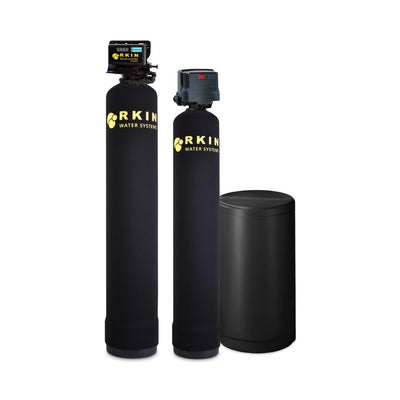
Well water can bring sediment, iron staining, sulfur odor, manganese, hardness, or other issues. One tank outside the home may not be the full answer. A good well setup starts with a water test, then uses the test to place sediment filtration, well treatment, softening or conditioning, and drinking-water filtration in the right order.
That is where homeowners get into trouble online. Someone sees three tanks in a shed and asks whether to replace all of them. Without a test and a pipe map, nobody can give a clean answer. The equipment may be overbuilt, undersized, expired, bypassed, or perfectly fine.
When a Whole House Carbon Filter Fits
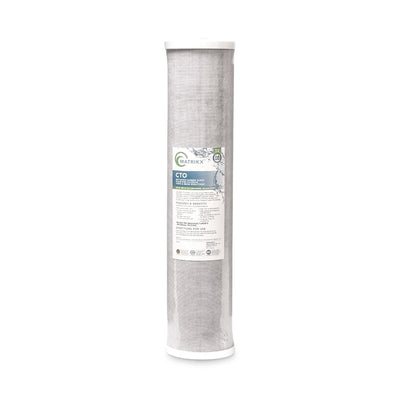
A whole house carbon filter is most useful when the goal is to treat water throughout the home, not just one faucet. It can be a strong fit for city-water homes where chlorine taste and odor, sediment protection, and general whole-home water quality are the main concerns. It can also be part of a larger setup on some well-water homes after testing confirms the right treatment order.
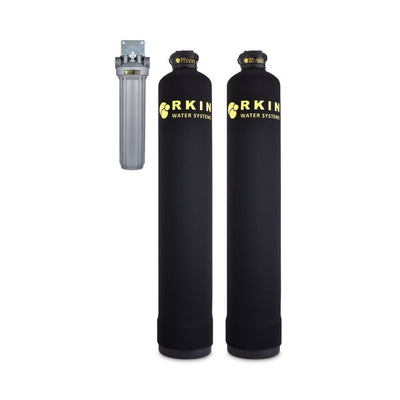
The RKIN Whole House Carbon Water Filter System is designed for main-line whole-home treatment. It belongs in a location that can be reached, protected, and serviced. If the best plumbing location is outdoors, the installation should include the right enclosure, bypass, shutoffs, and room around the system.
When only the kitchen's drinking water needs treatment, a point-of-use reverse osmosis system is the simpler starting point. The water source, test results, and installation location decide whether whole-home equipment belongs in the plan.
A Simple Outdoor Placement Checklist
Before you approve or keep an outdoor whole-house setup, walk through the location like a service technician would.
- Can you stand in front of it? If not, maintenance will be skipped.
- Can you see every valve? Guessing valve positions during a leak is a bad plan.
- Is the equipment shaded and protected? Direct sun and weather shorten the life of surrounding parts.
- Is there room below housings? Cartridge changes need clearance.
- Can water drain safely during service? Do not create a muddy work area or foundation problem.
- Is freeze protection handled if your area needs it? Outdoor plumbing rules change by climate.
- Is the system labeled? The next homeowner, plumber, or family member should know what it feeds.
If the answer is no on several of these, the system may need relocation or a better enclosure before it needs new equipment.
Frequently Asked Questions
Can a whole house water filter be installed outside?
Yes, a whole house water filter can be installed outside when the location is protected, accessible, and placed on the correct main water line. Outdoor installations need extra attention to weather, sun, impact, freeze exposure, drainage, and service clearance.
Is it better to install a whole house filter indoors or outdoors?
Indoors is usually easier for protection and maintenance when space allows. Outdoors can work well for homes with exterior main-line access, garages, pump houses, or sheds, but the setup should be enclosed and easy to service.
Can a whole house water filter go in a shed?
Yes, a shed can work if it is dry, accessible, ventilated, and built around the equipment rather than storage. The system still needs bypass valves, service clearance, and protection from heat, pests, and accidental damage.
Should a whole house filter go before or after the pressure tank?
For well systems, placement depends on the water test, pump setup, pressure tank, and treatment order. Do not guess from photos. Map the plumbing and ask a qualified installer to confirm the correct order for your specific system.
What RKIN system fits an outdoor whole-house setup?
For whole-home carbon filtration, start with the RKIN Whole House Carbon Water Filter System. If your water source is a private well or has specific test results, compare options in the RKIN Whole House Water Treatment collection.
Ready to Map Your Whole-House Setup?
If you inherited an outdoor filter, do not guess from the tanks. Map the line, check the water source, and test if you are on a private well. Then compare the RKIN Whole House Carbon Water Filter System or the broader whole-house water treatment lineup against the problem you actually need to solve.





0 comments