


condo water filter
Condo Water Filter: No-Plumbing Options That Fit Homes

A condo can have the same drinking water questions as a single-family home, but fewer places to install a filter. You may not control the building plumbing. You may not be allowed to drill a faucet hole. You may not want a contractor under the sink in a unit you plan to sell.
That does not mean you have to settle for the refrigerator dispenser or a small pitcher. The right condo water filter starts with two things: what is in your water, and what your building rules allow. From there, the best answer is often a countertop reverse osmosis system or another point-of-use filter that does not change the plumbing.
Start With the Water You Actually Have
Condo owners often skip the first step because the building feels shared. The water still reaches your tap through a specific city system, a building riser, your unit plumbing, and sometimes a refrigerator line. Each layer can affect taste, odor, pressure, and sediment.
If your condo is on a public water system, start with the annual water quality report. The EPA says community water systems must deliver a Consumer Confidence Report each year, and the report explains the source water, detected contaminants, and any violations or required notices. You can usually find it by searching your city or utility name plus “water quality report.”
That report will not tell you everything about your exact faucet. It is system-wide. It also may not account for older building pipes, a neglected refrigerator filter, or work happening inside the property. But it gives you a fact base before you shop.
Look for these items first:
- Disinfectant used by the city, such as chlorine or chloramine
- Lead and copper entries, especially if the building is older
- Total dissolved solids or hardness notes when listed
- PFAS, arsenic, nitrate, fluoride, or other detected items
- Any recent violation, advisory, or treatment change
If your water suddenly changes color, smell, or taste, do not assume a filter is the first fix. Ask the building manager whether maintenance, hydrant flushing, pipe work, or a pressure event happened. If the change is severe, follow local utility guidance before using the water for drinking.
Why Condos Make Water Filtration Different
A house gives you more options. A condo usually adds rules. The association may limit changes to shared walls, plumbing stacks, drain lines, or exterior walls. Even simple under-sink work can become a paperwork issue if it touches a shutoff, sink deck, or drain saddle.
That is why “best water filter for condo” rarely means the largest system. It means the system that fits the unit without creating a building problem.
The common limits are practical:
- You may not be able to drill a new faucet hole.
- You may not have space under a compact sink.
- You may not be allowed to change shared plumbing.
- You may need a reversible setup before resale.
- You may want filtration for drinking water only, not the full unit.
Condo water also varies by fixture. The kitchen faucet may taste different from the refrigerator dispenser because the refrigerator line has its own filter and tubing. Bathroom water may smell different because it sits in a separate branch line. A filter choice should match the fixture you use for drinking, ice, coffee, cooking, and pets.
What Often Falls Short in a Condo
Pitcher filters are easy, but they are slow, small, and easy to neglect. They can improve taste for some households, but they are not the same category as reverse osmosis. If your main concern is a broad range of dissolved substances, check the product’s performance data sheet instead of trusting the word “filter” on the box.
Faucet-mounted filters can work in some kitchens, but they may not fit pull-down faucets, designer faucets, or rental-style aerators. They also sit in plain view and can be awkward in small sinks.
Refrigerator filters are convenient, but they only treat the water and ice that pass through the fridge. They do not help the sink, coffee maker, kettle, or cooking water. Some people also forget to change them because the dispenser keeps working even when the cartridge is past its useful life.
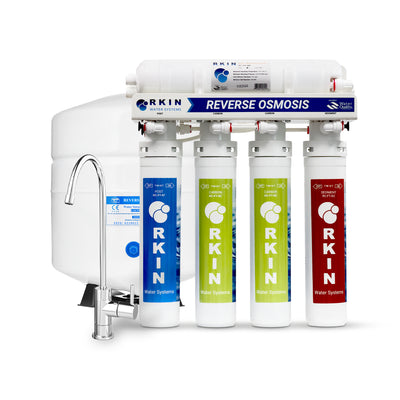
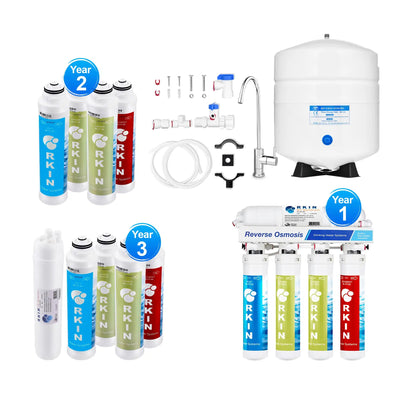
Under-sink reverse osmosis can be a strong option if your condo rules allow it. The catch is installation. It may need feed-water access, a drain connection, a separate faucet, space for the unit, and sometimes a storage tank. For many condos, that is more modification than the owner wants.
Why Countertop Reverse Osmosis Fits Many Condos
Reverse osmosis is a point-of-use treatment method that pushes water through a membrane to reduce many dissolved substances that simple carbon filters may not address. The EPA’s home drinking water filtration fact sheet lists reverse osmosis as one common point-of-use treatment type, which makes it a useful category to compare when a condo owner wants drinking water treatment at one tap.
For condo owners, the main question is not only “Does RO work?” It is “Can I use RO without turning the kitchen into a project?”
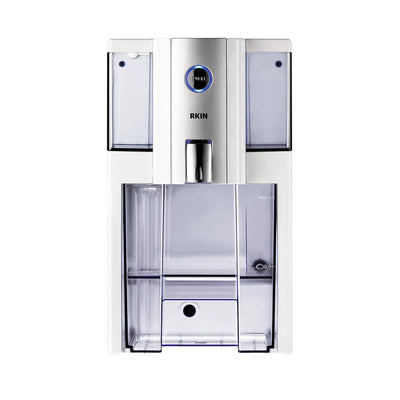
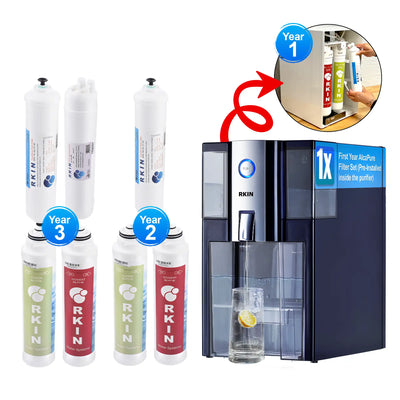
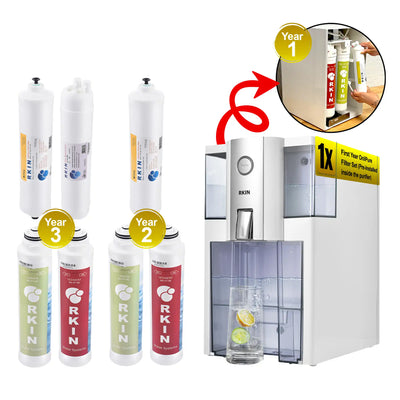
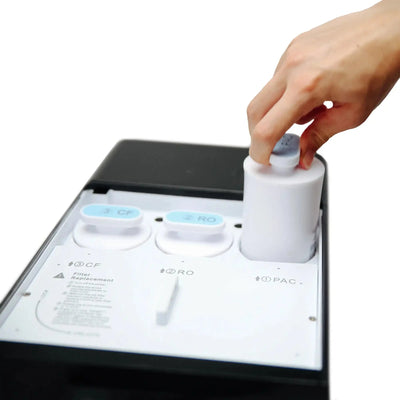
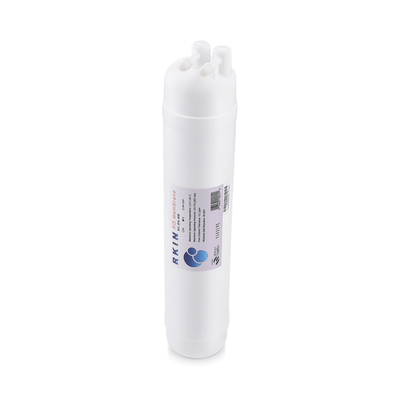
A refill-tank countertop reverse osmosis system answers that for many units. It sits on the counter and does not require a drain saddle, dedicated faucet, or under-sink space. The RKIN Zero Installation Purifier uses a refill tank, keeping the decision reversible and easier to explain to a condo board, landlord, or future buyer.
A good condo setup should meet four tests:
- It treats the water you actually drink.
- It fits the counter or sink area without crowding daily use.
- It avoids permanent plumbing changes unless you have approval.
- It has a clear maintenance schedule you can follow.
Do not choose a system by size alone. A small system that you refill and maintain will serve you better than a larger one you avoid using because it is clumsy or hard to install.
Match the System to the Condo Situation
If you own the condo and have board approval, an under-sink RO system may be a good fit. If you want a permanent faucet, do the paperwork first and use a qualified installer. Also check that the under-sink cabinet has enough room for the system, tubing, and any tank.
If you rent, plan to sell, split time between homes, or have strict building rules, a countertop system is usually simpler. It lets you improve drinking water without changing the sink, counter, drain, or walls.
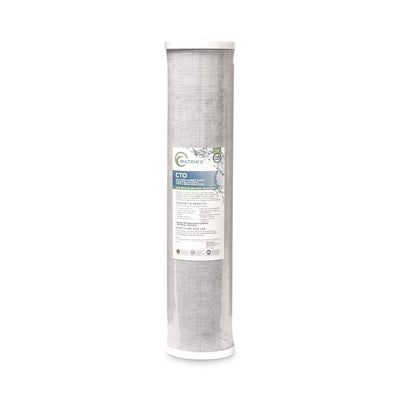
If your main complaint is only chlorine taste, a carbon-focused option may be enough. If you are trying to reduce a wider set of dissolved substances, look at RO. If your water has odor, color, or sediment after building work, ask the property manager or utility first because the source may need flushing or repair.
Here is the practical decision path:
- Choose countertop RO when you want drinking water treatment with no permanent plumbing change.
- Consider under-sink RO when you own the unit, have space, and can install a dedicated faucet.
- Use refrigerator filtration only when the fridge is the only water you drink and you maintain the cartridge.
- Test or review your water report before choosing based on a contaminant concern.
RKIN Options for Condo Drinking Water
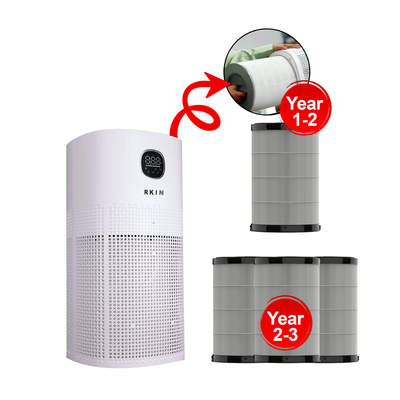
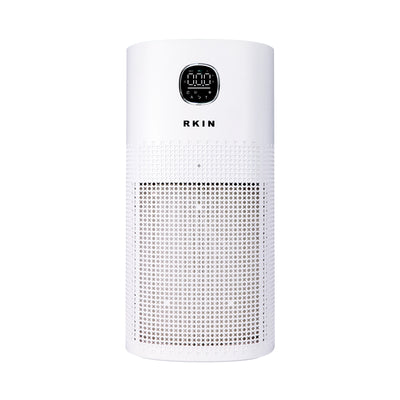
This is where the RKIN Zero Installation Purifier fits the condo use case. It is a countertop reverse osmosis system designed for people who want purified drinking water without under-sink installation. For a condo owner, that matters because the setup is reversible and does not require drilling a faucet hole.
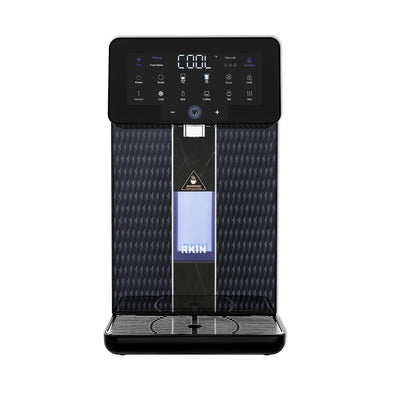
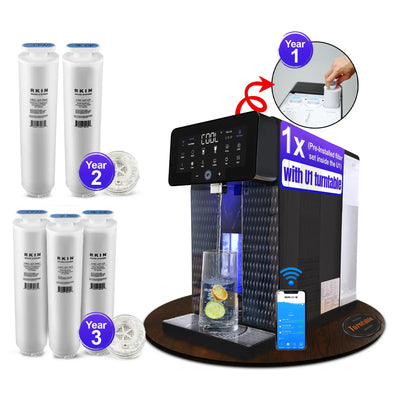
The RKIN U1 4-in-1 Water Filter System is another countertop option for small spaces. It sits on the counter, uses a fill tank, and is built for households that want a compact drinking water system instead of a permanent under-sink install.
If you are comparing the two, start with how you use water. Think about counter space, how often you refill containers, whether you want a faucet connection, and how many people use drinking water daily. The best condo water filter is the one you will use every day and maintain on schedule.
Maintenance Matters More Than People Think
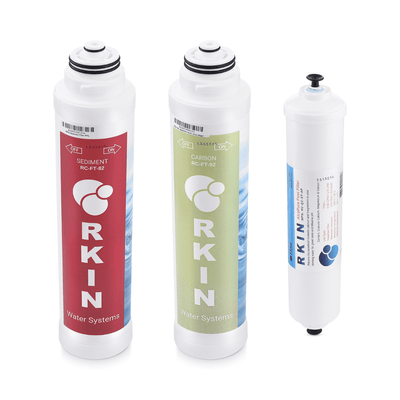
A condo filter is not a one-time purchase. It is a small water system inside your home. Filter cartridges and membranes have service intervals. Those intervals vary by product, feed water quality, and household use.
Set reminders as soon as you install the system. If the water starts tasting different, flow slows, or the system alerts you, do not ignore it. A neglected cartridge can make a good system perform poorly.
Also keep your old parts and instructions organized. Condo owners often move, rent the unit, or hand the kitchen over to a guest for part of the year. A label inside a cabinet or a note in your home file can prevent confusion later.
For seasonal condo owners, flush the tap when you return after weeks away, check the filter status, and inspect tubing or tanks before regular use. If the unit has been idle for a long period, follow the manufacturer’s startup guidance.
Frequently Asked Questions
What is the best water filter for a condo?
The best water filter for a condo is usually a point-of-use system that treats the water you drink without changing shared plumbing. For many condo owners, that means a countertop reverse osmosis system. If you own the unit and have approval, an under-sink system may also fit.
Can I install reverse osmosis in a condo?
Yes, but the right type depends on your rules and kitchen layout. Under-sink RO may need plumbing access, a drain connection, and a dedicated faucet. Countertop RO can avoid those changes, which is why it often fits condos, rentals, and smaller kitchens.
Do condo owners need to read the city water report?
Yes. The EPA says public water systems provide annual water quality reports for customers. The report gives you a starting point for detected contaminants, source water, and violations. It does not replace a faucet-level test, but it helps you shop with facts.
Is a refrigerator filter enough for condo drinking water?
It depends on your goals. A refrigerator filter only treats water and ice from that appliance. It does not treat the kitchen faucet, cooking water, coffee water, or bathroom fixtures. Check the filter’s performance data sheet and replacement schedule before relying on it.
What if my condo water suddenly tastes or smells different?
Ask your building manager and local utility whether there was maintenance, hydrant flushing, pipe work, or a pressure change. If the change is strong, unusual, or paired with color, follow local guidance before drinking it. A filter should not be used to ignore a possible system problem.
Ready to Filter Condo Water Without a Plumbing Project?
If your condo rules, kitchen layout, or resale plans make under-sink installation hard, choose a drinking water system built for that reality. Start with your water report, match the system to your space, and pick a setup you can maintain.
Explore the RKIN Zero Installation Purifier for countertop reverse osmosis without permanent installation.






0 comments