


mineral-spots
Silica in Water: Why Soft Water Can Still Leave Spots

Silica in water is not the same thing as hardness, so a soft-water result does not explain every white spot. In its 2002 water-chemistry reference, the U.S. Geological Survey lists silica separately from hardness and describes naturally occurring silica concentrations as commonly below 30 mg/L.
That is background information, not a threshold for your bathroom or a reason to buy equipment. If spots remain after you have addressed hardness, the better next step is to identify the residue and test the water. Before fall guests arrive or you replace another fixture, separate what you can see from what a laboratory can actually confirm.
Test silica and hardness with RKIN
Our Drinking Water Test: Level 1 + Bacteria includes laboratory analysis for silica and hardness in one drinking-water sample. Those separate results can help you discuss persistent spotting without assuming that a low hardness result answers the silica question. The kit includes sampling materials and instructions. Each package covers one sample from one location, so plan additional sampling separately if you need to compare incoming and treated water. This analyzes the water sample; it does not identify the material already deposited on your shower glass.
The Problem: A White Spot Is Not a Water Test
You wipe the shower glass, let it dry, and find the same pale marks again. Perhaps you already have a softener, and a hardness test shows that it is working. That mismatch can be frustrating. It also provides a useful clue: treating one part of your water does not mean every dissolved substance has disappeared.
Hardness usually describes dissolved calcium and magnesium. The USGS hardness guide, updated in 2026, classifies water at 0–60 mg/L as calcium carbonate as soft. A hardness result in that range is a measurement of hardness, not a silica result, not a complete mineral profile, and not proof of overall drinking-water safety.
Silica comes from the interaction of water with rocks and soil. The USGS reference also notes that silica can form hard scale in pipes and boilers. That industrial observation does not establish what is on your shower door. Household deposits may contain more than one material, and residue from cleaning products can complicate the picture further.
Start by documenting where the spots appear. Are they on a shower panel, an outdoor window near a sprinkler, or glasses washed in the dishwasher? Does the affected fixture actually receive softened water? A bypassed outdoor line and a treated bathroom line can behave differently without either system being broken.
A utility report that meets drinking-water requirements answers a different question from a deposit investigation. Compliance is not a promise that water will dry without spots. Likewise, a spotless glass is not proof of water quality. Keep appearance, equipment performance, and drinking-water testing as separate questions.
What Doesn't Work: Guessing From Appearance Alone
Buying stronger cleaner is not a reliable diagnosis. A cleaner may remove one part of a mixed deposit while leaving another behind. Use only methods approved for the glass, coating, stone, or metal involved. Do not mix cleaning products or experiment with aggressive chemicals to identify a stain.
Turning up a softener setting without testing is another poor shortcut. A conventional softener addresses hardness; its setting is not a silica-removal control. If the treated water already meets the intended hardness target, more regeneration is not evidence-based troubleshooting. Confirm which fixtures receive treated water and check the actual results before changing operation.
A sediment cartridge is not automatically a dissolved-silica solution either. Catching visible particles and separating dissolved substances are different jobs. Ask which form of silica a proposed treatment is intended to address, rather than assuming that a smaller micron rating answers every water question.
The same caution applies to a handheld total dissolved solids meter. It can be useful for certain checks, but its reading does not identify a particular mineral or prove that a deposit is silica. Replacing a laboratory result with a meter number can send the investigation in the wrong direction.
The useful pivot is simple: define the problem before selecting the technology. That keeps a cleaning problem, a plumbing-route problem, and a water-treatment problem from becoming one expensive guess.
The Solution: Test the Right Water Before Choosing Treatment
If it is okay, begin with the question we would ask before recommending equipment: what result would count as success? Fewer shower spots, a specified silica concentration at one faucet, and a whole-home treatment target are different projects. Write the goal down so each proposal can be checked against the same requirement.
Ask a qualified water laboratory about silica testing, the reporting basis, the sample bottle, and any handling instructions. Confirm whether the quoted analysis addresses dissolved or total silica and whether another test is needed for the question you are investigating. Do not assume that two reports using different methods are directly comparable.
Useful companion information includes hardness, pH, and the existing treatment layout. Those measurements help a specialist interpret the water, but they do not replace the silica analysis. Use the laboratory's units exactly; a silica value and hardness reported as calcium carbonate describe different things even if both are expressed in mg/L.
For a home with existing treatment, label the sampling points clearly:
- Incoming water before the equipment, if a suitable sampling point is available.
- Treated water at the affected fixture, following the laboratory's collection instructions.
- A separate drinking-water outlet if that is part of the proposed solution.
Record the date, sample location, equipment status, and whether the line is normally treated. A single sample labeled “house water” may leave too many questions unanswered. Photographs of the residue can help explain your complaint, but the photographs should accompany the test results rather than replace them.
Reverse osmosis is a membrane process that may be considered in a silica-treatment assessment. Whether a particular system fits depends on the water chemistry, silica form, operating conditions, and treatment target. Do not accept a blanket removal percentage without evidence for the proposed application. Ask how the provider will confirm performance after installation and what conditions could limit it.
Certification language also needs a narrow reading. A standard number or a TDS claim does not establish a silica-reduction claim. Review the exact model, listed claims, and performance documentation. The recommended starting point is the test-and-review process, not an equipment upgrade based on the color of a spot.
Frequently Asked Questions
Does a water softener remove silica?
Do not assume that it does. A conventional water softener is selected to address hardness, principally calcium and magnesium, rather than serve as a verified silica-removal system. If spots remain after softening, check hardness at the affected outlet and request a separate silica test when appropriate. A low hardness result does not establish that silica is absent, and persistent spots alone do not prove that silica is present.
How do I test for silica in my home's water?
Contact a qualified water laboratory and explain the problem you are trying to investigate. Ask which silica analysis is appropriate, how the result will be reported, and how to collect the sample. If treatment is already installed, identify the sample location and treatment status. Follow the laboratory's bottle and handling instructions rather than submitting an unlabeled container collected from an unknown point in the plumbing.
Can I tell whether a shower spot is silica by looking at it?
No. Appearance is not a reliable way to identify a deposit's chemical makeup. Hardness-related residue, other mineral material, and cleaning-product residue may look similar or occur together. Document where the marks occur, use surface-approved cleaning methods, and compare the water results with the plumbing layout. If identifying the deposit itself is necessary, ask a qualified professional about an appropriate analysis rather than a home chemical experiment.
Does a low TDS reading mean there is no silica?
No. A handheld TDS meter does not provide a silica-specific analysis. It should not be used to identify the material on a surface or replace the laboratory test requested for that purpose. Keep the meter's intended use separate from the question you are asking. For a treatment assessment, use the actual silica result, its reporting units, and the relevant system's performance documentation.
Will a countertop reverse osmosis unit stop shower spots?
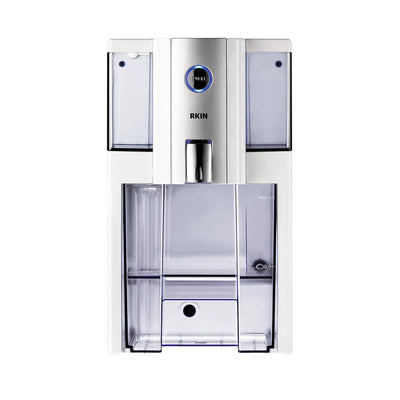
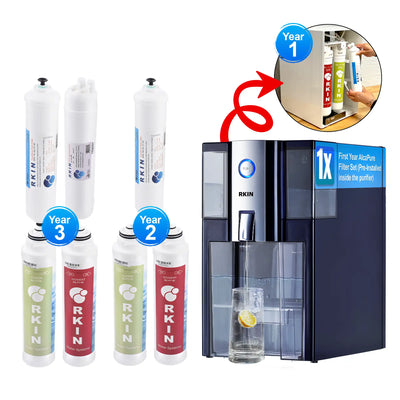
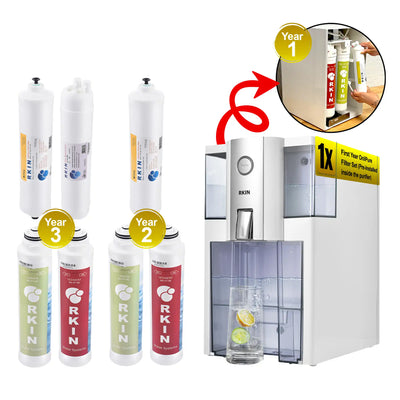
No. A countertop drinking-water unit treats the water processed through that appliance, not the plumbing that supplies your shower. The Zero Installation Purifier is a manually filled countertop system. It is not connected to the bathroom supply, and we do not claim it solves silica deposits. A whole-home concern requires a separate assessment of the water reaching the affected fixtures and the specific treatment goal.
Ready to Upgrade Your Water?
Persistent spots deserve separate measurements for hardness and silica before another equipment purchase. Review RKIN's Drinking Water Test: Level 1 + Bacteria, which includes both analyses, and follow its sampling instructions. Choose the sampling location to match the fixture you are investigating. Take the results and photos of the deposits to your treatment professional so any recommendation addresses the measured water conditions and the result you want.


0 comments