


carbon filter VOCs
Do Water Filters Remove VOCs? What Homeowners Need

Some water filters can reduce specific VOCs, but the right treatment depends on which chemical a lab finds and whether exposure occurs through drinking water or throughout the home. If tap water smells like fuel, solvent, or paint thinner, stop guessing and arrange a certified lab test before choosing equipment.
The practical answer is simple: some water filters can reduce certain VOCs, but not every filter does, and not every home needs the same setup. Start with the contaminant, then choose the filter.
What Are VOCs in Drinking Water?
VOC stands for volatile organic compound. In plain English, these are carbon-based chemicals that can move from liquids into air more easily than many other compounds. In drinking water conversations, homeowners usually run into VOCs when they hear about solvents, fuel-related compounds, degreasers, some industrial chemicals, or byproducts tied to nearby land use.
The important part is not memorizing every chemical name. It is understanding the pattern. VOCs are more likely to be a concern when water is close to a source that can leak or spill chemicals into soil or groundwater. The EPA private-well testing guide calls out several real-world triggers: gas drilling, dumps, junkyards, landfills, factories, gas stations, dry-cleaning operations, buried fuel tanks, and recurring gasoline or fuel-oil odor.
Municipal water customers are not in the same situation as private-well owners. Public water systems test against federal and state rules, and the EPA National Primary Drinking Water Regulations include organic chemicals along with other contaminant categories. But public water can still pick up taste and odor issues in premise plumbing, and local advisories matter. Private wells are different because the homeowner is responsible for testing, maintenance, and treatment decisions.
A VOC concern usually starts with one of three signals:
- Water smells like gasoline, fuel oil, solvent, varnish, or chemical sweetness.
- A well is near a higher-risk site such as a fuel tank, dry cleaner, landfill, or industrial property.
- A lab report lists a detected organic chemical and you need to decide what treatment makes sense.
If any of those apply, filter choice comes after testing, not before.
Do Water Filters Remove VOCs?
Yes, the right water filter can reduce many VOCs. The catch is that “water filter” is too broad to be useful by itself.
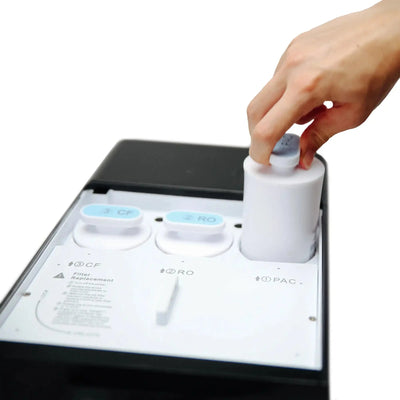
A basic pitcher filter, a refrigerator filter, a whole-house carbon tank, an undersink reverse osmosis system, and a countertop reverse osmosis system are all “water filters,” but they do not work the same way. Some are built mainly for chlorine taste and odor. Some are built for sediment. Some use activated carbon, which can adsorb many organic chemicals. Some use reverse osmosis membranes, which address a different set of dissolved contaminants. Some combine more than one technology.
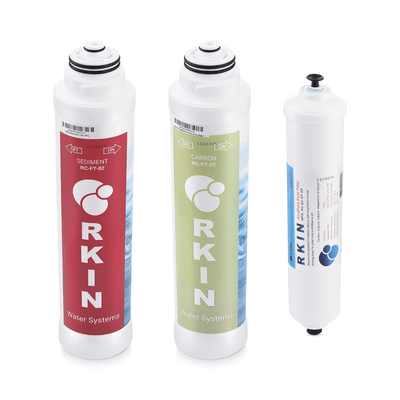
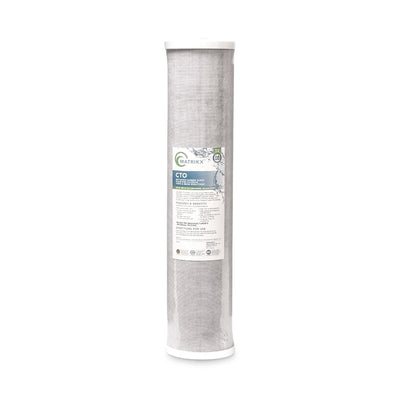
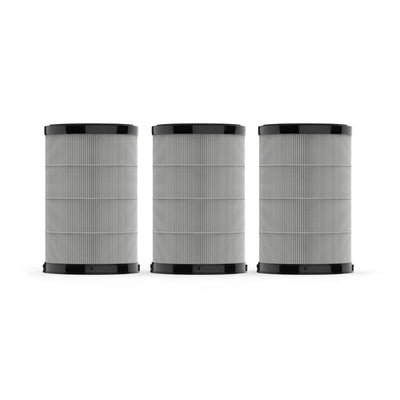
For VOCs, activated carbon is usually the first technology homeowners hear about. Carbon works through adsorption: compounds stick to the surface of the carbon media as water passes through. That is why carbon is widely used for taste, odor, chlorine, and many organic chemical concerns. The details matter, though. Carbon type, contact time, flow rate, contaminant concentration, and filter age all affect performance.
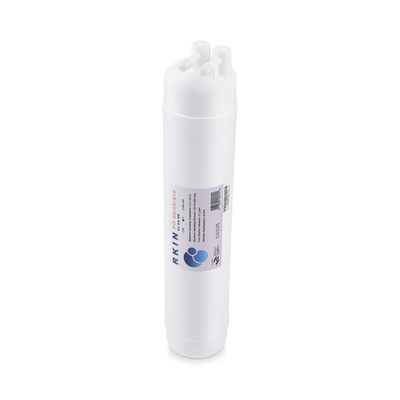
Reverse osmosis can also be part of the answer for drinking water, especially when the concern is not limited to taste and odor. RO is a point-of-use approach: it treats the water you drink and cook with at one location, usually the kitchen. It is not the same as treating every shower, toilet, washer, hose bib, and sink.
Bottom line: treatment may help, but the system has to match the VOC identified by the lab and where the water will be used.
What Does Not Work for VOC Concerns?
Boiling is not a smart default for suspected VOCs. Boiling is useful in specific microbial advisories when local authorities tell you to do it, but volatile chemicals are a different category. If the issue may involve fuel, solvent, or chemical odor, follow local guidance and lab advice rather than assuming heat solves it.
Ignoring the smell is also a bad plan. Not every odor points to a dangerous contaminant. Some odors come from harmless plumbing conditions, stagnant water, sulfur bacteria, or disinfectant changes. But a gasoline or solvent odor is specific enough that it deserves attention.
A taste-only filter is another common mismatch. If the package or product page only talks about better taste, it may not be the right tool for a VOC result. Look for published contaminant-reduction data, third-party testing, or clear language that matches the contaminant you are trying to reduce.
Finally, do not pick a whole-house system just because the word “whole” sounds safer. If the concern is drinking and cooking water only, point-of-use treatment may be the cleanest fit. If the issue affects odor at every tap, or if a lab and water professional recommend treating the whole home, then whole-house treatment makes more sense.
How to Choose a VOC Water Filter
Start with testing. If you are on a private well and have a gasoline, fuel-oil, solvent, or chemical odor, use a certified lab and tell the lab why you are testing. The EPA’s private-well page is useful here because it links symptoms and nearby activities to the substances homeowners should consider testing for. A generic “basic water test” may not include VOCs.
Once you know what is in the water, choose based on these questions.
Is the concern at one tap or the whole house?
If you only care about drinking and cooking water, point-of-use treatment is usually easier to size and maintain. Countertop and undersink reverse osmosis systems are built for that job.
If the water has a chemical odor throughout the house, or the lab report points to a whole-home issue, then a whole-house carbon system may be worth reviewing. Whole-house treatment is also where flow rate and contact time become more important because showers, laundry, and multiple fixtures can demand much more water than a kitchen tap.
What does the test result actually say?
“VOCs” is a category, not a single contaminant. A filter that performs well for one organic compound may not be the right answer for another. Match the treatment method to the specific compound on the lab report. If the report is confusing, ask the lab or a water-treatment professional to explain the result before buying hardware.
Is there published performance information?
A strong product page should not force you to guess. Look for contaminant-reduction data, clear filter media details, and maintenance instructions. A filter that is never replaced, undersized for the home, or installed in the wrong place can become a false sense of security.
What maintenance will you actually do?
Carbon capacity is not unlimited. RO filters and membranes also have service intervals. The best system is the one sized correctly for the problem and maintained on schedule. If a system looks impressive but the replacement plan is unclear, keep looking.
Where RKIN Fits
This is where we would keep the recommendation practical.
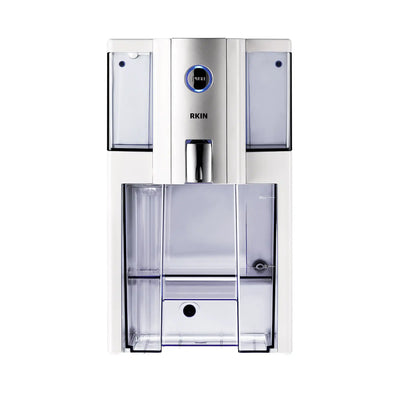
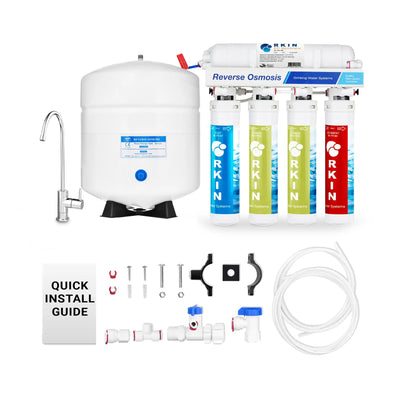
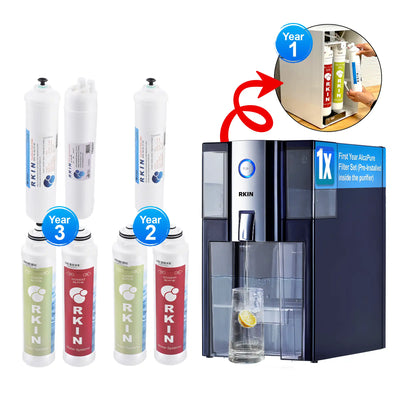
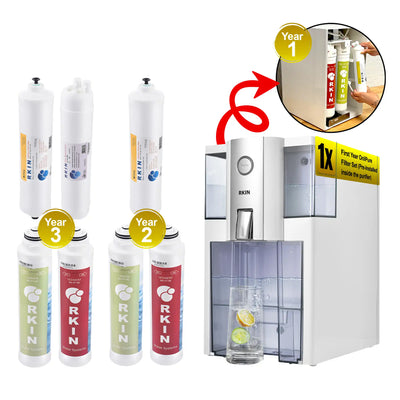
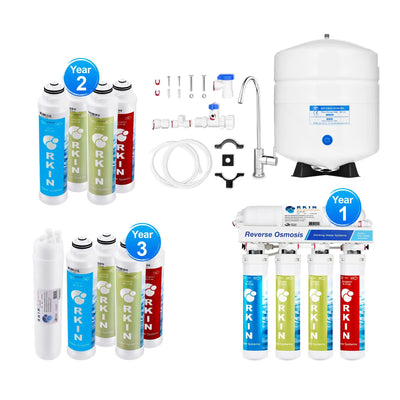
If your VOC concern is about drinking and cooking water, look at a point-of-use reverse osmosis option first. The RKIN Zero Installation Purifier is built for renters, apartments, and kitchens where you do not want a plumbing project. The RKIN Flash Undersink RO System is the better fit when you want an undersink setup connected at the cold-water line.
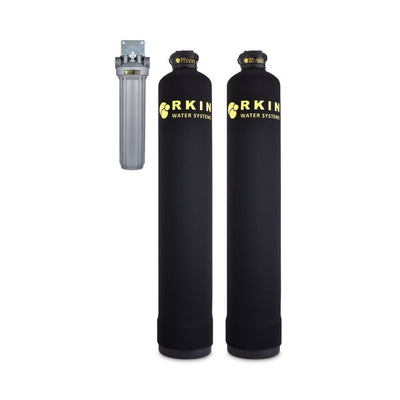
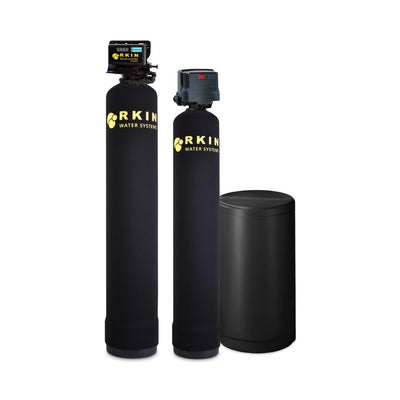
If the issue is whole-home taste, odor, or carbon filtration at every fixture, review the RKIN Whole House Water Filter System. Whole-house filtration is not a substitute for a lab report, but it can be the right category when the problem is not limited to one faucet.
The key is not buying the biggest system. It is matching the system to the water.
Frequently Asked Questions
Do water filters remove VOCs from tap water?
Some water filters can reduce certain VOCs, especially systems that use properly sized activated carbon and, for drinking water, some reverse osmosis setups. A basic taste filter may not be enough. Test first, then match the system to the compound listed on the report.
What is the best water filter for VOCs?
There is no single best filter for every VOC problem. Activated carbon is commonly used for many organic chemical concerns, while reverse osmosis can be useful for drinking-water point-of-use treatment. The right answer depends on the specific VOC, concentration, flow rate, and whether you need one tap or the whole home treated.
Should I boil water if it smells like gasoline?
Do not assume boiling is the answer for a gasoline or solvent smell. If water has a fuel-like odor, stop guessing and contact your local health department, water utility, or a certified lab for next steps. Boiling guidance is usually tied to microbial advisories, not chemical odors.
Can a refrigerator filter remove VOCs?
Some refrigerator filters improve taste and odor, but many are not designed as VOC treatment systems. Check the exact model’s contaminant-reduction claims. If you have a lab-confirmed VOC concern, choose a system with performance information that matches that contaminant.
Do I need a whole-house VOC filter?
Maybe, but not always. If the concern is only drinking and cooking water, a point-of-use system may be enough. If odor or lab results point to a whole-home issue, whole-house carbon filtration may be worth evaluating with a water professional.
Ready to Stop Guessing?
If your water has a chemical smell, start with a real test. Then choose the system that fits the result.
For drinking water without a plumbing project, review the RKIN Zero Installation Purifier. For whole-home carbon filtration, compare the RKIN Whole House Water Filter System. Pick based on the water you actually have, not the most dramatic claim on the box.





0 comments