


earthy tap water
Geosmin and MIB in Tap Water: Seasonal Taste Guide

An earthy or musty taste can appear when source-water conditions favor compounds such as geosmin or 2-methylisoborneol, often shortened to MIB. People may notice these compounds at very low concentrations even when the water meets regulatory requirements.
This guide is about seasonal taste diagnosis. It shows how to compare hot and cold taps, separate a building issue from a utility-wide change, read local notices, and decide whether a taste-and-odor treatment claim matches the problem.
Why Geosmin and MIB Can Rise With Seasonal Conditions
Fall changes surface water. Warm upper layers cool. Wind mixes reservoirs. Organic material moves. Treatment plants may see a different raw-water profile than they saw during summer.
When that happens, compounds responsible for earthy or musty taste can become more noticeable at the tap. The EPA’s potable reuse compendium describes geosmin and MIB as naturally occurring in lakes and reservoirs and tied to earthy, musty smell and taste. Utilities can treat for taste and odor, but the compounds can still show up for customers during seasonal shifts.
This does not mean every earthy taste is harmless or normal. It means you should separate a familiar seasonal taste complaint from warning signs that call for action. A mild earthy flavor in a surface-water community after a utility notice is different from water that is brown, oily, sewage-like, or changing only at one faucet.
Use timing as the first clue. Did the taste show up across the house? Are neighbors reporting it? Did the utility post a taste-and-odor update? Did it start after heavy rain, lake turnover, hydrant flushing, or plumbing work? The pattern tells you whether you are dealing with source water, distribution work, or your own plumbing.
Separate an Aesthetic Change From a Safety Notice
Earthy taste is usually an aesthetic complaint. That matters because many people jump straight from “this tastes bad” to “this must be unsafe.” Taste alone is not enough to answer that question.
Public water systems must test and report regulated contaminants. The EPA Consumer Confidence Report program helps residents read local water quality information. If you are on city water, your water report and utility notices are better evidence than a guess based on taste.
That said, do not ignore a sudden change. Call your utility if the taste appears with discoloration, particles, an oily film, a rotten-egg smell, a sewage smell, or a boil-water advisory. If only one faucet tastes strange, flush that line, clean the aerator, and compare hot versus cold water. Hot-water-only taste can point to the water heater or plumbing, not the city supply.
Private well owners need a different plan. A well is your own water system, so seasonal changes, flooding, damaged caps, or nearby work deserve testing. The EPA home drinking water testing page explains when testing is useful and how to think about lab results.
Why Masking the Flavor Does Not Diagnose the Source
Running the tap for a few seconds may help if the issue is stale water in a line, but it will not solve a true source-water taste episode. If the compounds are coming from a reservoir, the water entering your home already has the taste.
Boiling is not a flavor fix. In some cases, heating water can make earthy or chlorine notes more obvious. Boiling should be reserved for situations where your utility tells you to boil water or for specific emergency guidance.
A basic refrigerator filter may improve some taste and odor complaints, but fridge filters are small and tied to ice and dispenser flow. They are not always enough for a strong seasonal taste episode, especially if the household drinks or cooks with more water than the fridge can conveniently provide.
Bottled water works as a short-term escape, but it is clunky as a daily plan. Cases take space, create waste, and do not help with coffee, cooking, pets, or ice unless you keep hauling more.
The better move is to identify the likely source, then choose a point-of-use setup that matches how you actually use water.
Which Treatment Claims Address Taste and Odor
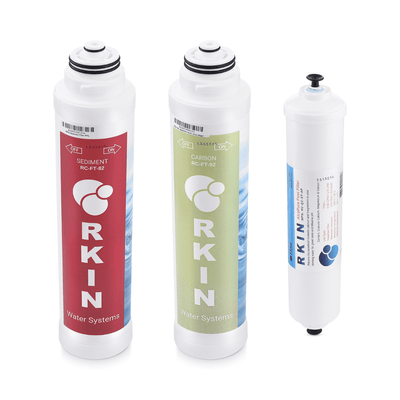
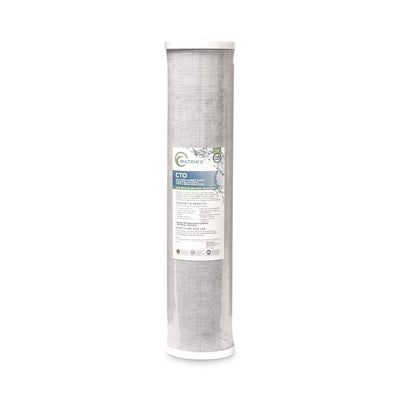
For earthy or musty tap water, carbon filtration is the category most people hear about first. Activated carbon is widely used for taste and odor. The exact result depends on the compound, contact time, water chemistry, filter design, and whether the filter is fresh.
Reverse osmosis systems often include carbon filtration before or after the RO membrane. That makes them worth comparing when you want a drinking-water system rather than a small taste-only pitcher. The EPA home filtration fact sheet explains that different treatment devices address different concerns, which is the key point: buy for your water problem, not a generic promise.
For city water, focus on the kitchen tap. That is where you drink, cook, make coffee, fill bottles, and prepare ice. A point-of-use drinking-water system is usually more practical than trying to treat every gallon in the home.
For private wells, do not skip testing. Earthy taste can come from harmless aesthetic compounds, but wells can also change after storms, flooding, repairs, or changes around the property. A filter should follow the water test, not replace it.
How RKIN Fits a Drinking-Water Taste Plan
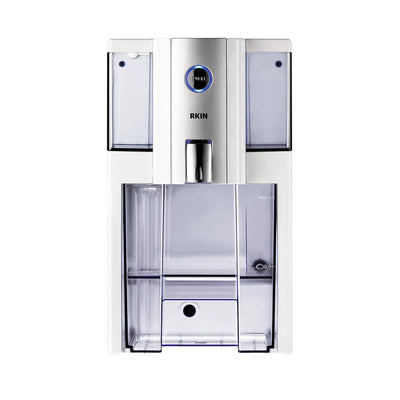
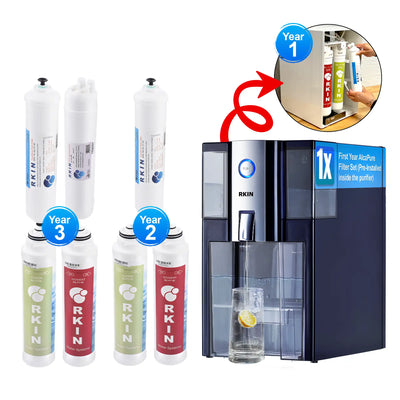
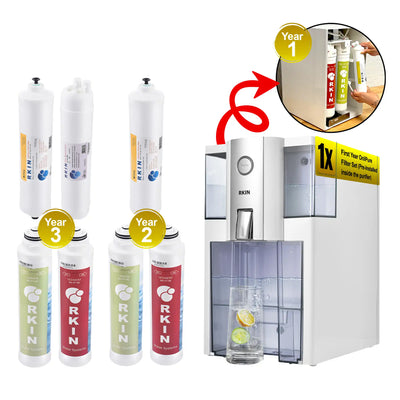
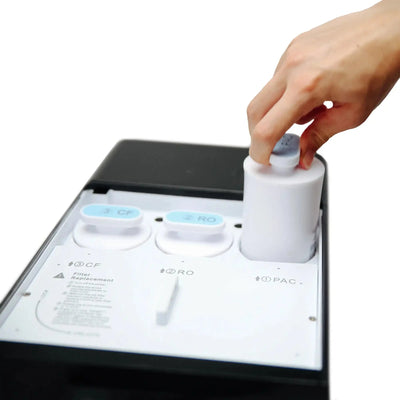
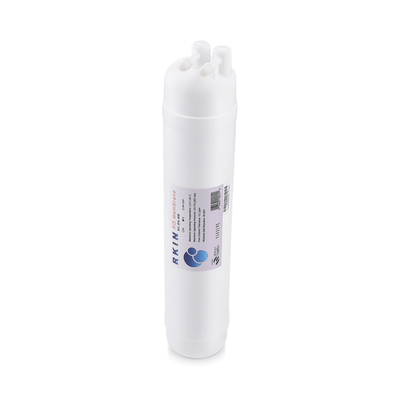
If your main complaint is drinking-water taste at the kitchen tap, the RKIN Zero Installation Purifier Countertop Reverse Osmosis Water Filter is built for people who want a countertop RO option without permanent installation. That makes sense for apartments, condos, seasonal homes, and kitchens where under-sink plumbing is not the right move.
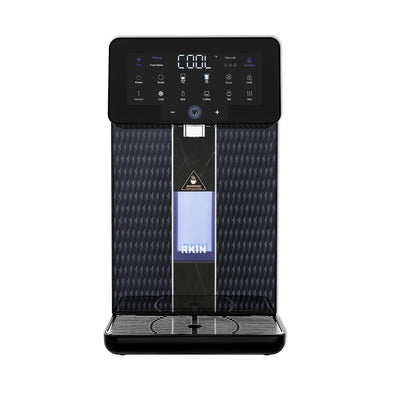
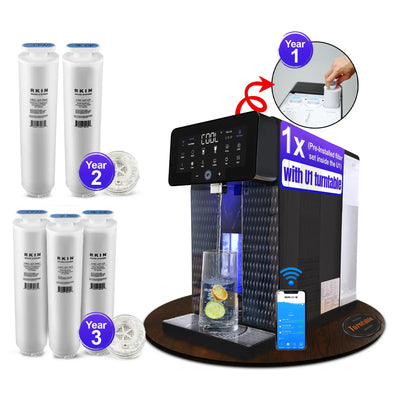
If you want a countertop system with a fill tank, compare the RKIN U1 4-in-1 Water Filter System. It is designed as a countertop option, which keeps the decision simple for renters and anyone who does not want an under-sink project.
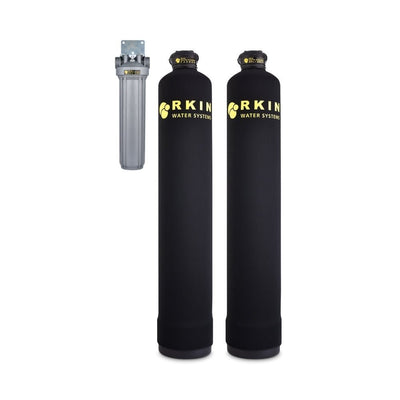
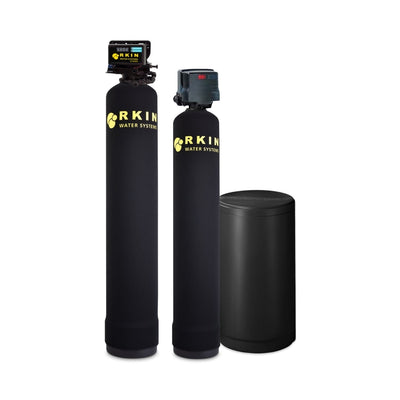
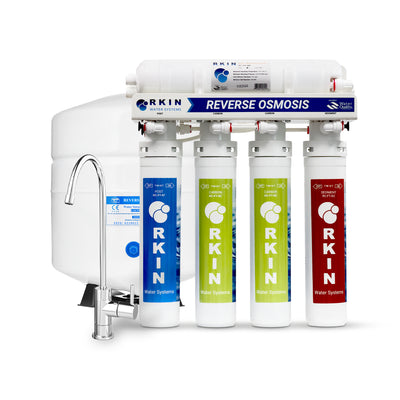
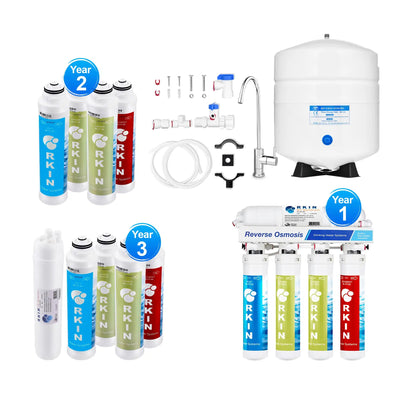
If you own the home and want a built-in drinking-water system, the RKIN Flash Undersink RO System is the internal link to compare. For source-water taste that affects every faucet, start with your water report and consider whether a whole-house approach belongs in the plan.
The point is not to chase every odd taste with the biggest system. The point is to match the symptom, source, and installation limits.
Use a Same-Day Home Comparison
Use this sequence before you buy anything:
- Check your water utility website for taste-and-odor notices.
- Ask whether neighbors have the same issue.
- Compare cold water at several taps.
- Remove and rinse faucet aerators if one tap is worse.
- Check whether the taste appears in hot water only.
- Read your Consumer Confidence Report.
- Test private well water after storms, flooding, repairs, or sudden changes.
- Choose a filter based on the likely source and daily water use.
If the taste is mild and the utility has posted a seasonal notice, a point-of-use filter may be enough for drinking water. If the water is discolored, oily, sewage-like, or tied to an advisory, stop guessing and contact the utility or a qualified water professional.
Run a Controlled Taste and Odor Check
Use a clean glass and cold water after the tap has run briefly. Compare the kitchen with another cold-water tap, then ask a nearby neighbor on the same utility whether they notice the same change.
Do not use taste as a safety test. If the utility has posted an advisory or the water has an unusual color, oily film, sewage odor, or sudden chemical smell, follow official guidance instead.
- Check the utility website for seasonal source-water updates.
- Compare cold water at more than one faucet.
- Clean the faucet aerator and a reusable bottle or ice bin.
- Record whether the issue changes after flushing the line.
- Match any filter claim to taste and odor rather than unrelated contaminants.
A short log of dates and locations gives the utility or a service professional more useful information than a single description such as “bad water.”
Record the Seasonal Pattern
Note the first day you noticed the taste, which taps were affected, whether nearby customers noticed it, and any utility update published that week. Repeat the comparison after a weather or source-water change. A short pattern log can distinguish a temporary source condition from a persistent issue inside the home.
Frequently Asked Questions
What are geosmin and MIB?
They are naturally occurring compounds associated with earthy or musty taste and odor in water, often linked to biological activity in source water.
Does earthy taste mean tap water is unsafe?
Not necessarily. Taste is not a safety test. Check utility notices and contact the water provider if the change is sudden or concerning.
Why can the taste be seasonal?
Temperature, source-water mixing, biological activity, and reservoir conditions can change during the year.
Can activated carbon help with earthy taste?
Carbon treatment is commonly used for taste and odor, but performance depends on the exact product, capacity, contact time, and maintenance.
Should I test hot and cold water?
Yes. A problem limited to hot water may point toward the water heater or building plumbing rather than the utility supply.
Treat the Confirmed Taste Problem
If the issue is limited to drinking water, compare point-of-use systems by verified taste-and-odor performance and maintenance. RKIN can help you choose a countertop or under-sink layout after the source pattern is clear.






0 comments