






iron bacteria in well water
Iron Bacteria in Well Water: Signs, Tests, and Fixes

Orange toilet rings are annoying. Orange slime is a different clue. If your well water leaves rusty film, stringy buildup, or an oily-looking sheen in the toilet tank, you may be dealing with iron bacteria rather than simple iron staining.
That distinction matters because a stain problem and a slime problem are not treated the same way. Iron bacteria can plug plumbing, foul filters, create odor, and make iron treatment harder if you skip the testing step.
What iron bacteria means
Iron bacteria are naturally occurring bacteria that use iron or manganese in water and soil. They do not mean your well is ruined. They do mean the water system needs a better look before you choose equipment.
Plain iron staining often shows up as orange, red, or brown marks on toilets, tubs, showers, and laundry. Iron bacteria can add texture: slime, film, stringy growth, sticky buildup, or a swampy odor. Sometimes the water looks clear in a glass but leaves a rusty film after sitting. Sometimes the toilet tank tells the story before the tap does.
EPA's 2026 Secondary Drinking Water Standards list iron at 0.3 mg/L and manganese at 0.05 mg/L as guidance levels tied to nuisance effects such as staining, color, and taste. Those levels are not federal health-based limits, but they are useful markers for when iron and manganese may start creating household complaints. EPA's current secondary standards are here: EPA Secondary Drinking Water Standards.
Here is the practical point: iron level matters, but the form of the problem matters too. Dissolved iron, oxidized iron, manganese, sulfur odor, low pH, sediment, tannins, and iron bacteria can overlap in one well.
Signs that point beyond normal iron staining
A rusty ring in a toilet bowl usually points to iron. A black or gray stain often points to manganese. But iron bacteria tends to leave a few extra clues.
Look for these around the home:
- Orange or brown slime: Sticky buildup in toilet tanks, around drains, or inside filter housings.
- Stringy material: Reddish strands, clumps, or gel-like material in toilet tanks or plumbing parts.
- Oily sheen: A rainbow-like film on standing water that breaks apart when touched.
- Musty or swampy odor: Odor that does not behave like a simple hot-water-only sulfur smell.
- Clogged screens or filters: Aerators, cartridge filters, or softener parts fouling faster than expected.
Do not diagnose from color alone. A toilet bowl can stain orange from dissolved iron without iron bacteria. A water heater can create odor without the well being the source. Sediment can mimic rust. The reason I am asking homeowners to look for texture is because slime changes the next step.
Why a water softener may not fix it
A standard water softener is built for hardness minerals. It can sometimes handle limited dissolved iron under the right conditions, but it is not an iron bacteria treatment plan.
If iron bacteria is present, slime can foul softener resin, plug small passages, and make the system harder to maintain. If iron is already oxidized into particles, the softener is not the right first catch point. If sulfur odor or manganese is also present, the water needs a more specific plan.
This is where a lot of homeowners end up with a treatment Frankenstein: sediment cartridge, softener, random carbon tank, another cartridge, then a drinking-water filter, all installed without a clear sequence. The equipment may be fine on its own, but the order and purpose are off.
Me personally, I would not start with the biggest menu of gear. I would confirm whether the issue is dissolved iron, oxidized iron, iron bacteria, manganese, sulfur, or a mix. Then I would choose the smallest system path that handles the confirmed problem.
What to test first
Start with a lab test and a few home observations. For a private well with orange slime or rusty buildup, ask a certified lab or local well professional about testing for iron, manganese, pH, total dissolved solids, turbidity, hardness, sulfate, bacteria indicators, and any local contaminants your county recommends.
EPA's private well guidance says homeowners are responsible for testing and maintaining their own wells, and it recommends testing when water changes in taste, odor, color, or appearance. The EPA private well testing page is here: EPA Private Wells: Protect Your Home's Water.
If slime is present, tell the lab or well professional exactly where you see it. A raw water sample before treatment may be needed. If you already have equipment, sampling before and after treatment can show whether the problem enters from the well or grows within part of the plumbing.
Write down these details before the call:
- Location: Toilet tank, bowl, shower, drain, filter housing, aerator, or water heater.
- Timing: All day, first thing in the morning, after vacation, after heavy rain, or only after the pump runs.
- Temperature: Hot water only, cold water only, or both.
- Texture: Dry stain, sticky slime, stringy growth, grit, black flecks, or oily film.
- Existing treatment: Softener, sediment filter, carbon filter, UV, chemical feed, or no equipment.
Those notes make the lab result more useful because water chemistry and household symptoms can be matched together.
Treatment paths that may be considered
Iron bacteria problems are usually handled by diagnosing the well and plumbing first, then choosing treatment. The right path can include cleaning, disinfection, oxidation, filtration, or changes to existing equipment. The exact answer depends on where the bacteria is showing up and what the water test says.
Sometimes a well professional may recommend cleaning or disinfecting part of the system. Sometimes recurring slime points to a well construction, cap, casing, pressure tank, or plumbing issue that should be corrected before adding more filtration. Sometimes the water chemistry calls for a whole-house iron, sulfur, and manganese system after the source-side problem is understood.
EPA's drinking-water contaminant page separates primary standards from secondary nuisance guidance, which is another reminder that taste, odor, staining, and color can be real household problems even when they are not handled like regulated contaminants. The current EPA contaminant page is here: EPA Drinking Water Regulations and Contaminants.
The honest limit: a filter cannot fix a mechanical well problem by itself. If the well cap is damaged, surface water is entering, the pressure tank is fouled, or the plumbing has a growth problem, equipment alone may not be enough.
When a whole-house filter makes sense
A whole-house filter makes sense when the problem affects more than one fixture and the test report points to treatable well-water issues such as iron, sulfur, or manganese. It is especially relevant when stains, odor, or particles show up in bathrooms, laundry, and fixtures, not just one drinking tap.
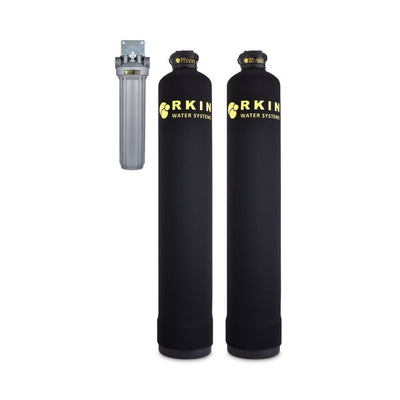
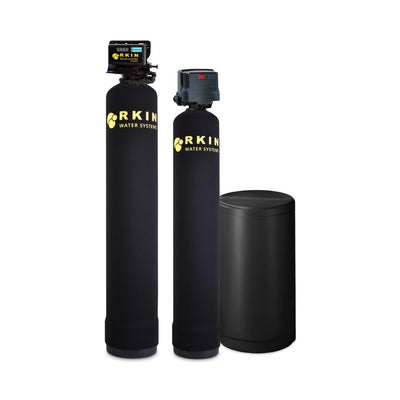
The RKIN Well Water Whole House Filter is designed for well-water concerns including iron, sulfur, and manganese treatment when the water profile matches the system. If you are comparing broader home options, RKIN's Whole House Water Treatment collection is the right place to start.
That does not mean every orange stain needs a whole-house system. If the issue is one toilet tank, one drain, or hot water only, diagnose that first. If iron bacteria is suspected, pair the product decision with a well or plumbing evaluation instead of using filtration as a guess.
What not to do
Do not pour random chemicals into the well without guidance from your local health department, certified lab, or licensed well professional. Do not keep adding cartridges if they plug quickly without finding out why. Do not assume a softener will fix slime because it helped a neighbor with iron staining.
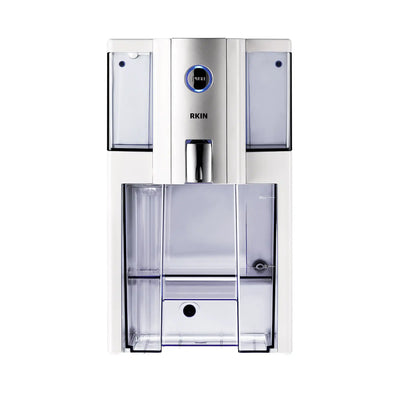
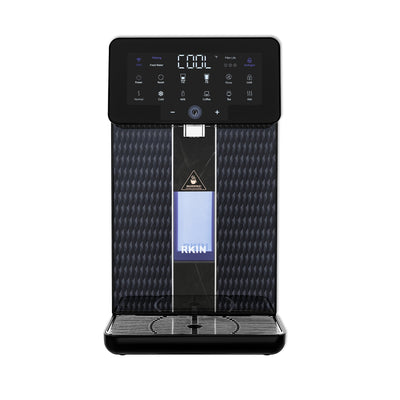
Do not use a countertop drinking-water system as the answer to a whole-house staining problem. A drinking-water system can improve water at one tap, but it will not stop orange toilet tanks, shower staining, or laundry discoloration throughout the home.
Also, do not ignore sudden changes. If slime, odor, color, or sediment appears after flooding, nearby construction, well work, or a long vacancy, test before returning to normal use. A timing change can be the most useful clue.
Frequently Asked Questions
What does iron bacteria in well water look like?
It often looks like orange, red, or brown slime in toilet tanks, drains, filters, or plumbing parts. It can also look stringy, sticky, or like an oily film on standing water. Plain iron can stain without slime, so testing is still needed.
Is iron bacteria the same as rusty well water?
No. Rusty well water can come from dissolved or oxidized iron. Iron bacteria is a biological growth that can create slime and make iron problems harder to manage. The two can appear together, which is why lab testing and inspection matter.
Will a water softener remove iron bacteria?
A standard softener is not an iron bacteria treatment plan. It is built for hardness minerals and can be fouled by slime, oxidized iron, or higher iron and manganese levels. Test first, then choose treatment based on the form of the problem.
Should I shock my well for iron bacteria?
Sometimes disinfection is part of the answer, but it should be guided by a qualified well professional or local health department. If the source problem remains, slime can return. Testing and inspection should come before repeated treatments.
What RKIN system helps with iron and sulfur well water?
When testing shows whole-home iron, sulfur, or manganese issues and the water profile fits, the RKIN Well Water Whole House Filter may be appropriate. If slime suggests iron bacteria, pair equipment selection with a well or plumbing evaluation.
Ready to stop guessing at orange slime?
If your well water leaves rusty slime, start with a current water test and notes from the house: where it shows up, when it appears, and whether it is hot water, cold water, or both. Then review the RKIN Well Water Whole House Filter if the report points to iron, sulfur, or manganese across the home.





0 comments