


can you drink hose water
Is Hose Water Safe to Drink? Summer Backyard Guide

Ordinary garden hoses are not a dependable source of drinking water. Water can sit hot in the hose and contact materials or fittings not chosen for drinking. Use the kitchen tap for routine drinking, or an outdoor line and hose specifically rated for potable water. If you must use a hose, let the water run cool first.
That is why the question "is hose water safe to drink?" shows up every summer. Kids drink from the hose. Dogs try to. Someone rinses fruit outside during a cookout. A neighbor fills a sports bottle from the side yard. The better answer is not panic. It is knowing when hose water is fine for outdoor use, when to avoid drinking it, and why regular drinking water should come from a clean indoor source.
Why Hose Water Is Different From Kitchen Tap Water
Water quality is not only about the water leaving your utility or well. It is also about what happens between the source and your mouth. The CDC drinking water guidance explains that public systems and private wells are different responsibilities, and that source, treatment, storage, and plumbing all matter.
A kitchen faucet is usually part of the home's drinking-water routine. You use it often, flush it naturally throughout the day, and may run it through a dedicated drinking-water filter. An outdoor spigot is different. It may sit unused for days. The hose may sit full of stagnant water. The hose material, nozzle, washers, and brass fittings may not be intended for regular drinking water. Heat makes the taste worse and can speed up the release of odors from hose materials.
There is also a simple practical issue: outdoor hoses are dragged through yards, stored on the ground, connected to sprayers, used around fertilizer, and handled with dirty hands. That does not mean every sip is automatically dangerous. It does mean a garden hose should not be treated like a clean drinking-water tap.
What Can Get Into Hose Water?
The first concern is stagnant water. If water sits in a hose, it warms up, loses freshness, and picks up taste from the hose and fittings. EPA guidance on maintaining water quality after low or no use, last updated in 2026, is written for buildings, not garden hoses, but the same basic idea applies: water that has been sitting should be flushed before use.
The second concern is metals from plumbing and fittings. The EPA lead in drinking water page, updated in 2026, explains that lead can enter water from service lines, solder, brass fixtures, and plumbing materials. Lead is not something you can reliably detect by taste, smell, or appearance. If a home has older plumbing or unknown outdoor fittings, the only useful answer is testing.
The third concern is the outdoor setup itself. A hose connected to a sprayer, fertilizer attachment, pressure washer, pool-filling setup, or irrigation accessory is not a drinking-water setup. Backflow preventers help protect the water system, but the hose and attachments still belong in the outdoor-use category.
If your home is on a private well, add one more layer: the hose water is only as good as the well water and the plumbing after it. The EPA private well guidance says homeowners are responsible for testing and maintaining private wells because they are not regulated the same way public water systems are.
When It Is Not a Good Idea to Drink From a Hose
Use the hose for watering plants, washing off tools, filling buckets, and rinsing muddy shoes. Be more careful when someone wants to drink from it.
Avoid drinking from a hose when:
- The hose has been sitting in the sun with water inside.
- The water comes out warm, rubbery, musty, metallic, or chemical-tasting.
- The hose is old, cracked, soft, sticky, or has an unknown material rating.
- The hose is connected to a sprayer, pesticide feeder, fertilizer mixer, or pressure washer.
- The outdoor spigot has not been used in weeks.
- Your home is older and you have not checked for lead service lines or older fixtures.
- Your well water has not been tested recently.
- A boil water notice, flood, main break, or utility repair affects your area.
That list is not meant to scare anyone. In my house, the rule is simple: do not turn an outdoor utility tool into a drinking-water habit. If you need drinking water, go inside and use the tap you maintain for drinking and cooking.
What to Do If Someone Needs Water Outside
The easiest fix is to fill bottles inside before going outside. If you are hosting a cookout, working in the yard, or sending kids out to play, fill a pitcher or insulated bottle from the kitchen first. It takes less time than guessing whether a hot hose is a good idea.
If someone already drank from the hose once, do not overreact. A single sip is not the same as using the hose as a daily drinking source. The better move is to change the habit going forward.
For occasional outdoor use, flush the hose until the water runs cold before using it to rinse hands or fill a pet bowl. Store the hose out of direct sun when possible. Keep nozzles and attachments clean. If you truly need a hose for potable water, choose one clearly labeled for drinking-water use and keep it separate from yard chemicals, sprayers, and dirty storage areas.
For washing produce, the FDA kitchen food-safety guidance recommends rinsing fruits and vegetables under running water. In practice, use the kitchen sink for produce you plan to eat, especially anything that will not be cooked.
What Does Not Fix Hose Water
Boiling hose water is not a practical everyday answer. Boiling can help during specific advisories when officials tell you to boil water, but it does not remove metals or make an old hose into a drinking-water product. It also does nothing about the taste that comes from a hot hose.
A refrigerator filter is not a hose filter. It filters water at the fridge, not water sitting outside. A pitcher filter has the same issue. It can improve some water after you bring it inside, but it does not solve the hose material, outdoor fitting, or storage problem.
A whole-house filter can improve water entering the home, but the hose and spigot still sit after the filter. If the hose itself is the source of taste or odor, filtration upstream will not undo what the hose adds afterward.
The best approach is simple: use outdoor hoses for outdoor jobs and keep drinking water on the clean indoor side of the house.
The Better Setup for Summer Drinking Water
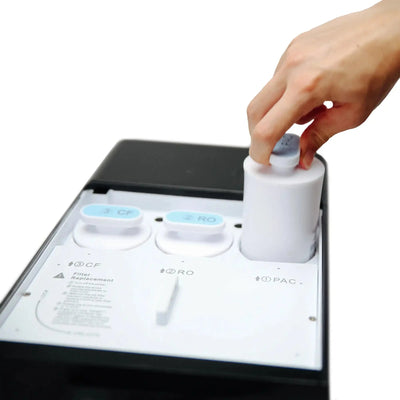
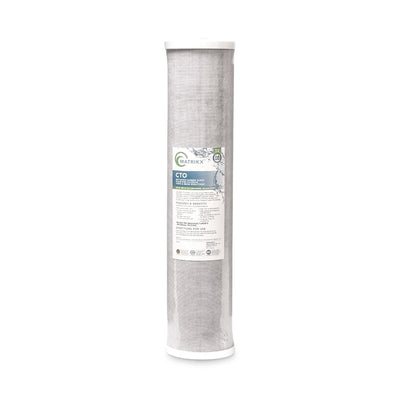
For regular drinking and cooking water, use a dedicated point-of-use system at the tap you actually drink from. Reverse osmosis is often the right format because it filters water right before use instead of trusting every pipe, fixture, and hose downstream.
The EPA WaterSense page for point-of-use reverse osmosis systems explains that RO system efficiency and performance vary by design. The point is control. You choose the tap, maintain the filters, and use the system for drinking and cooking water instead of relying on whatever is attached outside.
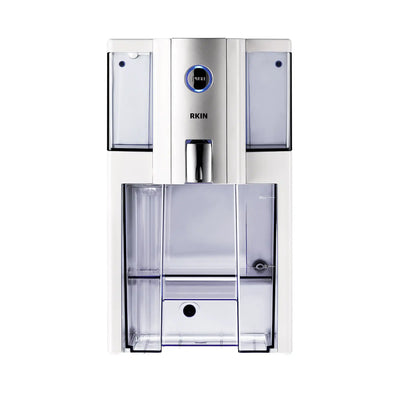
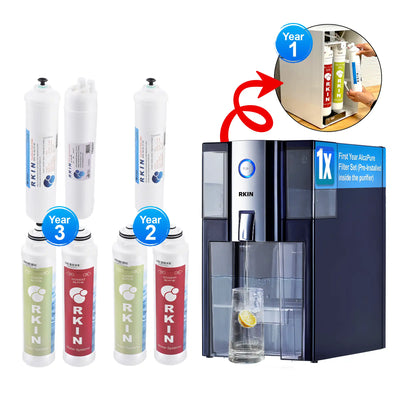
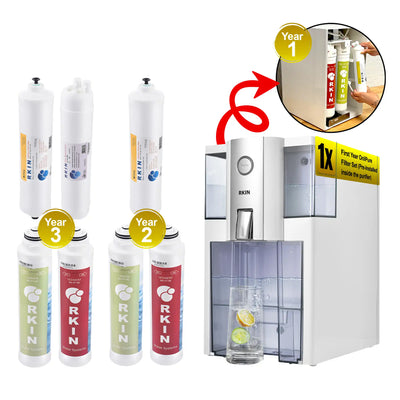
This is what the Zero Installation Purifier is designed for: countertop reverse osmosis without a plumbing project. It uses a refill tank on the counter and does not connect to the faucet, so renters and homeowners can use RO without cutting into pipes.
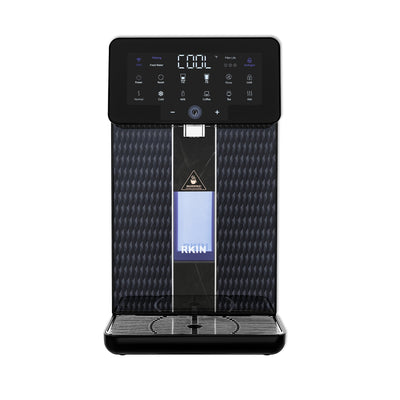
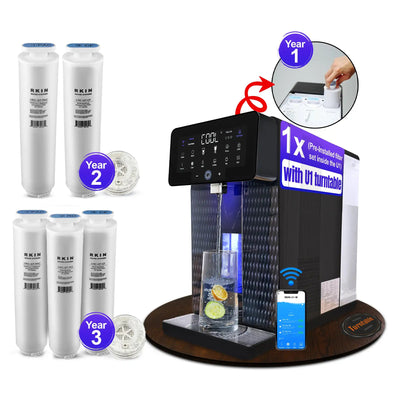
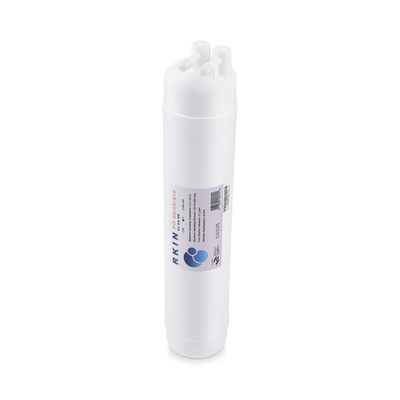
If you prefer a countertop fill-tank format, the RKIN U1 4-in-1 Water Filter System is another no-installation option. It sits on the counter and combines sediment, carbon, reverse osmosis, UV, and post-filtration technologies for drinking and cooking water, not yard use.
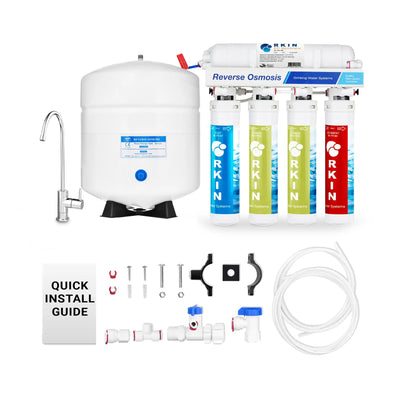
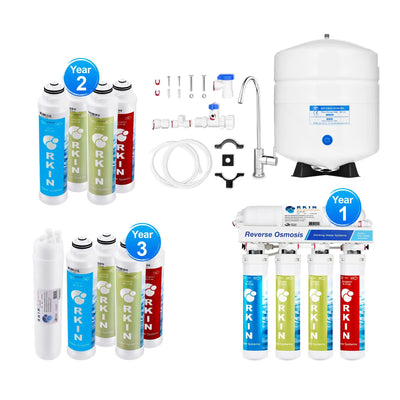
For a tucked-away sink setup, the RKIN Flash Undersink RO System is the under-sink path. It connects to the cold water line and stores filtered water in a compact tank. The right choice depends on whether you want countertop convenience or an under-sink installation.
How to Decide If Your Outdoor Water Needs Testing
If you are on city water and the only concern is that a hose sat in the sun, testing is usually less useful than changing the habit. Drink from the kitchen. Flush outdoor lines before outdoor use. Replace old hoses with drinking-water-rated options if needed.
Testing matters more when the concern is upstream of the hose. Test if your home has older plumbing, a known lead service line, a private well, recurring metallic taste, visible sediment, staining, or a sudden change after construction, flooding, or utility work. The EPA's Protect Your Tap quick check is a useful starting point for lead-service-line questions.
For private wells, do not guess. Outdoor hose water, kitchen water, and shower water all come from the same well before any treatment. If the well has a problem, the hose is only one place you may notice it.
Frequently Asked Questions
Is hose water safe to drink?
Hose water is not a good routine drinking source. It may come from potable house water, but it can sit in the hose, heat up, contact outdoor fittings, and pick up taste or material residue before anyone drinks it. Use indoor drinking water for bottles, cooking, and regular daily use.
Can kids drink from the hose once in a while?
A one-time sip is different from a habit. The practical answer is to stop making the hose a drinking source, especially when the hose has been sitting in the sun. Keep a pitcher or bottle of indoor filtered water outside instead.
Does flushing the hose make it safe?
Flushing helps remove warm, stagnant water and improves taste, but it does not change what the hose is made of or what attachments have touched it. Flush before outdoor use, but use the kitchen tap for drinking water.
Is outdoor spigot water filtered?
Sometimes, but not always. A whole-house system may filter water before it reaches the outdoor spigot, while a point-of-use kitchen filter does not. Even if the water is filtered upstream, the hose and fittings can still affect taste after the spigot.
What kind of hose should I use for drinking water?
If you need potable water through a hose, choose one clearly labeled for drinking-water use and store it separately from yard equipment, chemicals, and sprayers. Do not use the same hose for fertilizer attachments and drinking-water tasks.
What should I use instead of hose water?
For daily drinking water, fill bottles inside from a maintained drinking-water system. A countertop reverse osmosis system like the Zero Installation Purifier or RKIN U1 4-in-1 Water Filter System keeps the drinking-water decision inside the kitchen.
Ready to Make Summer Water Easier?
Outdoor hoses are useful tools. They are just not the best source for drinking water. Keep the hose for the yard and use a dedicated indoor system for the water your family actually drinks.
Start with the Zero Installation Purifier if you want countertop reverse osmosis without a plumbing project, or compare RKIN's countertop options to choose the setup you will use every day.




0 comments