


lithium drinking water
Lithium in Tap Water: What Your 2026 Report Tells You

Your water-quality report may show whether lithium was monitored and the level detected, but many reports will not list it. Check the contaminant table and units, ask the utility for current monitoring results, and use an accredited laboratory if you need a household-specific answer.
Under the EPA's fifth Unregulated Contaminant Monitoring Rule, known as UCMR 5, public water systems are sampling for 30 chemical contaminants between 2023 and 2025. The list includes 29 PFAS compounds and lithium. EPA explains the program here: Fifth Unregulated Contaminant Monitoring Rule.
If you see lithium on a water report, the right move is not panic and it is not ignoring it. The right move is to understand what the number means, what it does not mean, and what kind of drinking-water treatment can be considered if you want a point-of-use system at home.
What Lithium in Tap Water Means
Lithium is a naturally occurring element. It can be present in rocks, soil, groundwater, and some surface-water sources. It can also enter water through human activity, depending on local geology, mining, industry, disposal, and source-water conditions.
UCMR 5 does not mean lithium is newly added to tap water. It means EPA is gathering national occurrence data from public water systems so regulators and researchers can better understand how often it appears and at what levels. EPA's UCMR 5 page says the data improves understanding of the prevalence and amount of PFAS and lithium in the nation's drinking-water systems.
That distinction matters. Regulated contaminants have enforceable federal drinking-water limits. Unregulated monitoring is different. It is a data-gathering program that can help EPA decide whether future rulemaking, guidance, or more study is needed.
So if your utility report lists lithium, read it as a data point. It deserves attention, but it should be placed next to the rest of your water picture: source water, treatment steps, plumbing age, PFAS monitoring, lead service-line information, hardness, total dissolved solids, and any local notices.
Why Homeowners Are Seeing Lithium Now
Most homeowners do not read federal monitoring rules for fun. They notice lithium when it appears in a utility notice, annual Consumer Confidence Report, local news story, or online water database.
The timing makes sense. UCMR 5 sample collection runs from 2023 through 2025, and data continues to move into public conversations as systems report results. EPA also has a page for UCMR occurrence data, which is where monitoring results become easier to review at scale.
This is also landing during a period when homeowners are paying more attention to water reports. PFAS rules, lead service-line inventories, drought, storm runoff, and aging pipes have made people more willing to read the details instead of trusting taste alone.
That is good. Taste does not tell you whether lithium is present. A TDS meter does not identify lithium either. Even a clear glass of water says almost nothing about trace elements or synthetic chemicals. If you want to know what is in the water, you need a report or a lab test.
What Your Water Report Can and Cannot Tell You
A utility report can tell you whether lithium was detected in the samples your water system reported under UCMR 5. It may show the result in micrograms per liter or another unit, depending on the data format. It may also show sampling dates and locations.
But a report still has limits. It is not always a real-time reading from your specific faucet. It may represent water at certain points in the system, over certain dates, using certain sampling methods. Your home's plumbing can add separate issues, such as lead or copper, after water leaves the treatment plant.
For private well owners, the situation is different. UCMR 5 applies to public water systems, not your private well. If you are on a well and want to know about lithium, PFAS, arsenic, nitrate, hardness, or other local concerns, you need a certified lab test. EPA's private well page explains that private well owners are responsible for testing and maintaining their own water: Private Drinking Water Wells.
This is why the best first question is not "Which filter should I buy?" It is "What does my water data actually say?"
What Not to Do When You See Lithium Listed
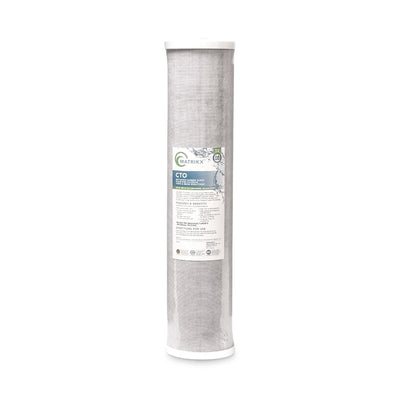
Do not use a refrigerator filter result as proof. Most refrigerator filters are carbon-based and built mainly for taste and odor. They are not designed to identify or broadly reduce dissolved ions.
Do not use a TDS meter as a lithium test. TDS meters estimate electrical conductivity. They cannot tell which dissolved substances are present. Two homes can have similar TDS readings with very different water chemistry.
Do not assume boiling removes lithium. Boiling reduces water volume and does not remove dissolved minerals or ions the way a membrane process can. Boiling is also not a general answer for chemical contaminants unless local officials say it is part of a specific advisory.
Do not buy treatment based on one scary screenshot. Look for the source, date, unit, sample location, and whether the number comes from your water system, a nearby system, a private well, or a national dataset.
The calm path is better: get the report, confirm the result, ask your utility what it means, and decide whether point-of-use treatment makes sense for your home.
Where Reverse Osmosis Fits
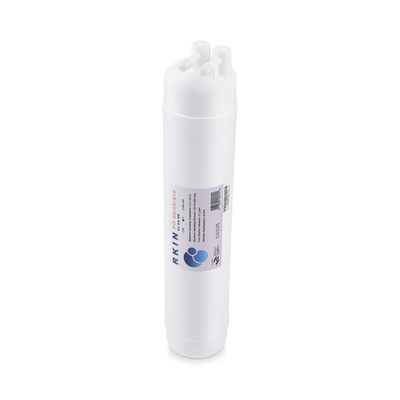
Reverse osmosis is a point-of-use drinking-water treatment method that pushes water through a semi-permeable membrane. It is commonly used when the target is dissolved solids and other contaminants that are not handled well by simple taste-and-odor filters.
That does not mean every RO system should be treated as a lithium-specific claim. Product claims depend on testing, design, maintenance, water chemistry, and the exact contaminant. But if your concern is a broader drinking-water profile that includes dissolved ions, high TDS, PFAS monitoring, arsenic, fluoride, nitrate, lead from plumbing, or similar report-driven concerns, RO is often the category homeowners compare first.
Look for three things when choosing any system:
- A clear contaminant target based on a report or lab test.
- Third-party testing or certification that matches the claims you care about.
- A maintenance plan you will actually follow.
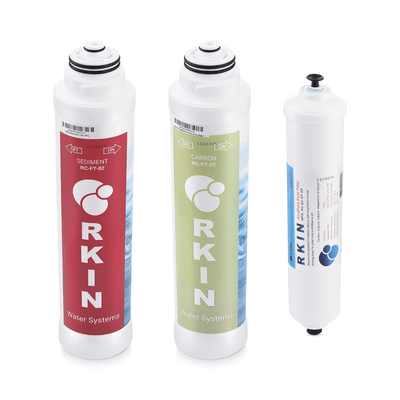
Filters do not work forever. Membranes and cartridges have service lives. A system that is never maintained can give a false sense of control. If your report raises a specific concern, choose the technology and replacement schedule around that concern.
RKIN Options for Report-Driven Drinking Water
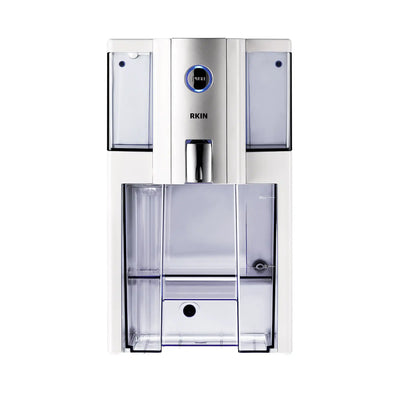
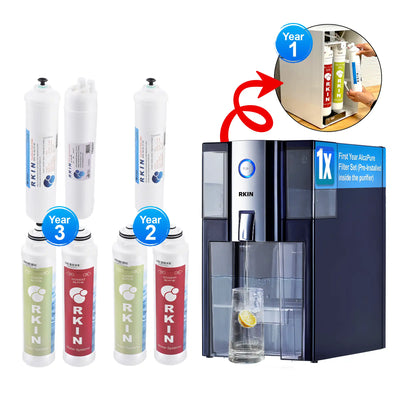
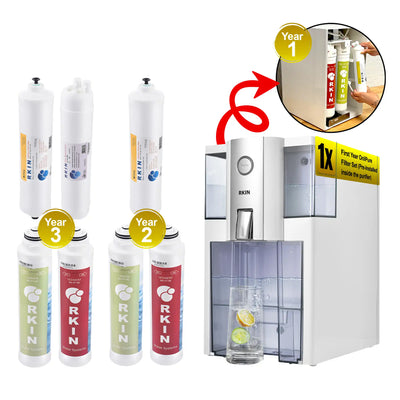
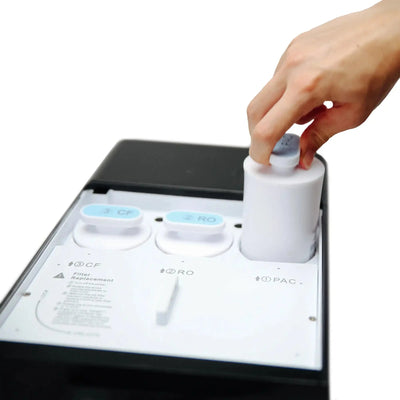
If you rent, cannot modify plumbing, or want a countertop RO option, the RKIN Zero Installation Purifier is designed for reverse osmosis filtration without a permanent installation. It uses a refill tank, does not connect to the faucet, and is built for drinking water at the counter.
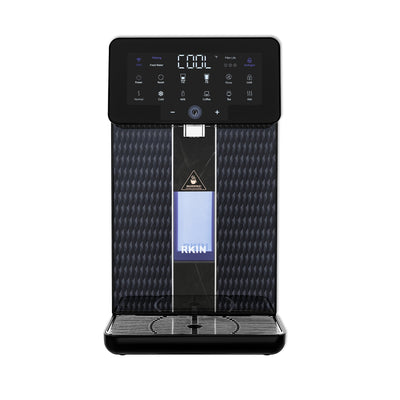
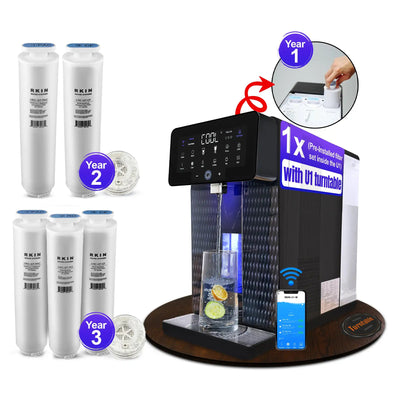
If you prefer a freestanding countertop unit with a fill tank, the RKIN U1 4-in-1 Water Filter System combines sediment filtration, carbon filtration, reverse osmosis, UV storage-water treatment, and post-filtration. It sits on the counter and does not mount under the sink.
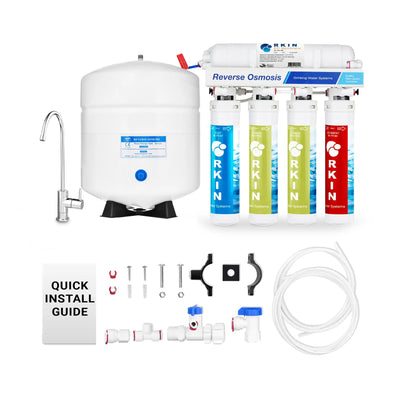
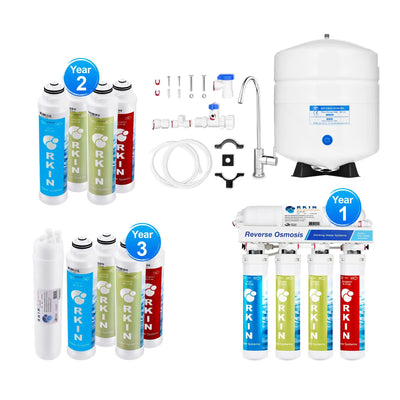
For a built-in sink option, the RKIN Flash Undersink RO System is an under-sink reverse osmosis system with a storage tank.
The right choice depends on the setup you want and the water target you are trying to address. If lithium appears alongside other report-driven concerns, compare systems around the full report rather than one word on the page.
How to Read the Lithium Line Without Overreacting
When lithium appears in a report or dataset, slow down and answer these questions:
- Is this result from my water system or a nearby system?
- What year and sampling period does it cover?
- What unit is used?
- Was lithium detected once or across several samples?
- What other contaminants are listed near it?
- Does my utility provide notes or a customer contact for UCMR 5 results?
- Do I have old plumbing, a private well, or other home-specific factors that need separate testing?
This approach keeps the topic grounded. Lithium is one line in a larger water story. For some homes, it may simply be a monitoring item to understand. For others, it may be the nudge to finally read the whole report, ask better utility questions, and choose a better drinking-water setup.
Frequently Asked Questions
Why is lithium being monitored in drinking water?
EPA included lithium in UCMR 5, which requires public water systems to collect samples for 30 chemical contaminants between 2023 and 2025. The program gathers national occurrence data so EPA can better understand where these contaminants appear and at what levels.
Is lithium in tap water regulated by EPA?
Lithium is part of UCMR 5 monitoring, which is for unregulated contaminants. Monitoring does not mean there is an enforceable federal drinking-water limit for lithium. It means EPA is collecting data that may inform future decisions.
Can I test my private well for lithium?
Yes, but use a certified lab and ask for the right test. Private wells are not covered by public utility monitoring reports. If you own a well, ask your local health department, state well program, or certified lab what to test based on your area.
Does a refrigerator filter remove lithium?
Most refrigerator filters are built for taste and odor, not dissolved ions. Do not use a refrigerator filter or a TDS meter as proof that lithium is reduced. Check the filter's certified claims and compare them to your water target.
Should I use reverse osmosis if my report lists lithium?
Reverse osmosis is often considered for report-driven drinking-water concerns because it targets many dissolved substances better than simple carbon filters. Still, choose a system based on tested claims, your full report, and a maintenance plan, not one word alone.
Ready to Make Sense of Your Water Report?
If your 2026 water report mentions lithium, start with the source data, then choose treatment around the full picture.
Start with the RKIN Zero Installation Purifier if you want countertop reverse osmosis without permanent plumbing changes.





0 comments