


metallic taste in tap water
Metallic Taste in Tap Water: Filter Guide for Homes

Metallic-tasting tap water is not something to ignore, but it also does not mean you should panic or buy the first filter you see. It usually points to one of three buckets: source water minerals, plumbing corrosion, or a treatment change somewhere upstream.
That timing matters in 2026 because many U.S. utilities are still working through lead service line inventories and replacement plans under the EPA Lead and Copper Rule Improvements. A metallic taste is not a lab result, but it is a useful clue. The right move is to test first, then match the filter to the water problem you actually have.
Why Metallic Taste Shows Up in Tap Water
A metal taste can come from several places. Sometimes the water naturally carries dissolved metals such as iron, manganese, copper, or zinc. Sometimes the water is picking up metal from household plumbing, older fixtures, service lines, or a water heater. Sometimes it is not a metal at all; high total dissolved solids, low pH, or disinfectant changes can make water taste sharp or tinny.
The EPA lists iron, manganese, copper, pH, and total dissolved solids under its secondary drinking water standards. Those standards deal with taste, odor, color, staining, and other nuisance effects. They are not the same as primary safety limits, but they are still useful because they explain why water that is legally supplied can still taste unpleasant at the sink.
Iron often creates rusty, bitter, or metallic notes. Manganese can show up as dark staining or a bitter edge. Copper may taste metallic or leave blue-green staining when water is corrosive enough to pull copper from plumbing. Low pH can make that corrosion more likely. High TDS can create a mineral-heavy taste even when the water looks clear.
Private-well homes need an extra layer of caution. The CDC says private well owners are responsible for testing their own water and recommends testing at least once a year for total coliform bacteria, nitrates, total dissolved solids, and pH, with additional tests based on local risks and visible changes. If the taste changed suddenly, do not assume the old test still describes today’s water.
What to Check Before Buying a Filter
Start with the basics. Does the metallic taste happen only from one faucet, or every faucet? Does it happen only with hot water, only first thing in the morning, or all day? Those details help narrow the cause.
If the taste is strongest after water sits in the pipes overnight and improves after flushing the tap, the issue may be plumbing contact time. If it happens mostly from hot water, the water heater may be part of the story. If every faucet has the same taste, the source water or whole-home plumbing may be involved. If neighbors notice it too, a utility change, hydrant work, or source-water shift may be worth checking.
Also note the pattern over time. A one-day taste change after nearby main work is different from a taste that has slowly become stronger over months. A seasonal shift after heavy rain is different from a taste that appears after a new faucet, new refrigerator line, or new filter cartridge. Write down when it happens, which taps are affected, whether the first draw tastes worse than a flushed sample, and whether hot water changes the taste. Those notes make the lab result easier to interpret.
Then read the latest Consumer Confidence Report if you are on municipal water. It can show detected metals, disinfectants, pH, hardness, TDS-related information, and treatment notes. If the report is old or the taste is new, use a certified lab test for the tap you drink from most often.
For well water, lab testing is not optional guesswork. Test for pH, TDS, iron, manganese, copper, lead, hardness, and any local contaminants your county or state recommends. A filter chosen without a water test can miss the real problem or create a maintenance headache later.
What Usually Does Not Fix Metallic-Tasting Water
Boiling water is not a fix for dissolved metals. It can help in specific boil-water-advisory situations, but it does not remove metals such as copper, lead, iron, or manganese. Boiling can also concentrate dissolved minerals as steam leaves the pot.
A basic refrigerator filter or pitcher may improve taste when the problem is chlorine or light odor. It is not the same thing as a tested system for dissolved metals. Some carbon filters are certified for specific contaminant reduction, but the word “carbon” by itself does not tell you what the filter can do.
Bottled water may avoid the taste temporarily, but it does not diagnose the home. If the issue is plumbing corrosion, high iron, or a well-water change, the same water is still moving through appliances and fixtures. The better plan is to identify the source, then decide whether you need a drinking-water filter, a whole-home treatment setup, or both.
The Filter Approach That Fits the Problem
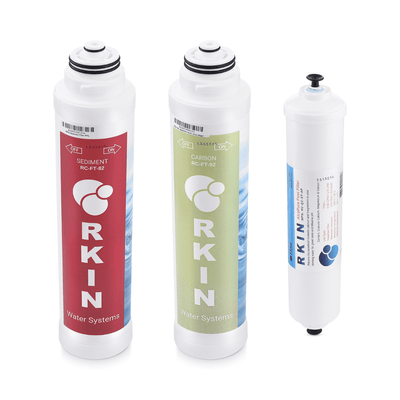
For drinking water at one tap, reverse osmosis is often the starting point when a lab report shows dissolved metals or high TDS. RO pushes water through a semi-permeable membrane that is designed for broad dissolved-solids reduction. It is commonly paired with sediment and carbon stages because each stage has a different job.
Certification matters. The CDC’s home water filter guidance tells shoppers to match the filter to the contaminant and look for independent certification. NSF also explains that different standards apply to different claims, such as aesthetic effects, lead reduction, and reverse osmosis system performance. In plain English: do not buy a filter because the box says “clean water.” Buy it because the system’s documentation matches the contaminant on your test.
If the issue is iron, manganese, sediment, or staining across the whole house, a point-of-use RO system can improve drinking water at the tap, but it will not treat every shower, washer, toilet, or appliance. That is when whole-home treatment belongs in the conversation. The setup may include sediment filtration, carbon, oxidation, conditioning, or other media depending on the lab report.
If the issue is corrosive water, the fix may also involve pH correction or plumbing work. A filter can be part of the answer, but it should not cover up a plumbing problem that keeps adding metals back into the water.
RKIN Options for Metallic-Tasting Water
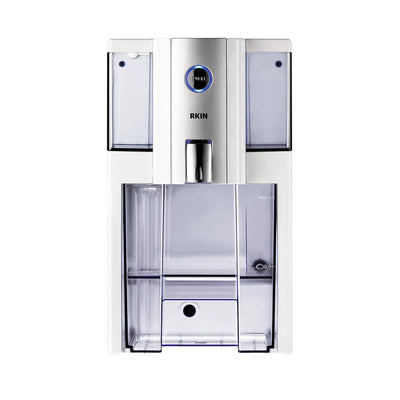
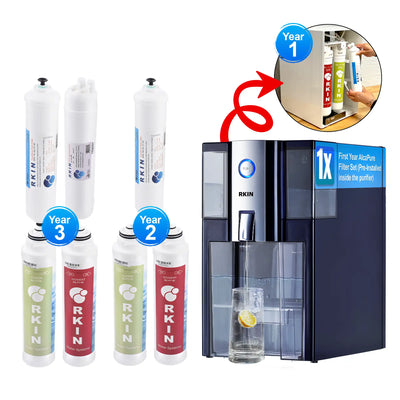
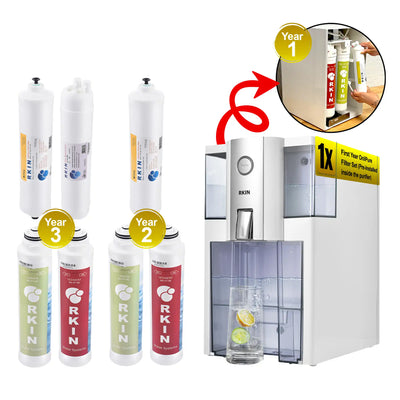
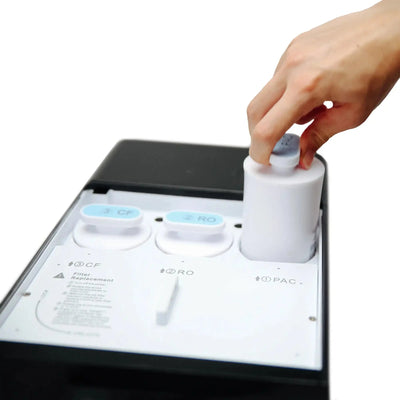
For homeowners focused on drinking and cooking water, the RKIN Zero Installation Purifier Countertop Reverse Osmosis Water Filter is built for people who want countertop RO without a plumbing project. It is a fit for renters, condos, and kitchens where drilling or under-sink work is not the plan.
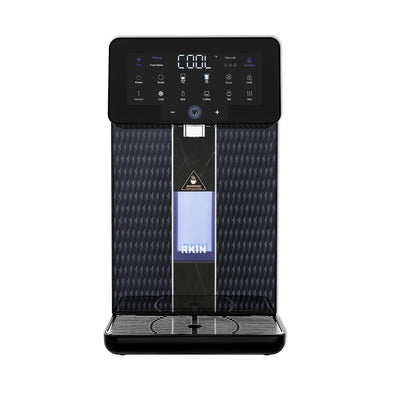
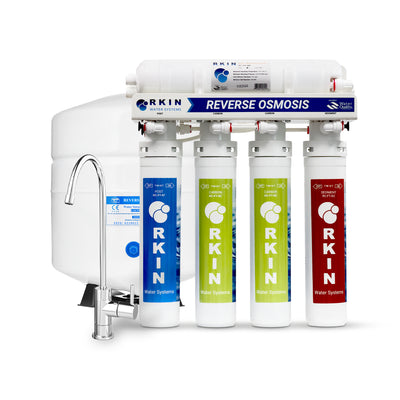
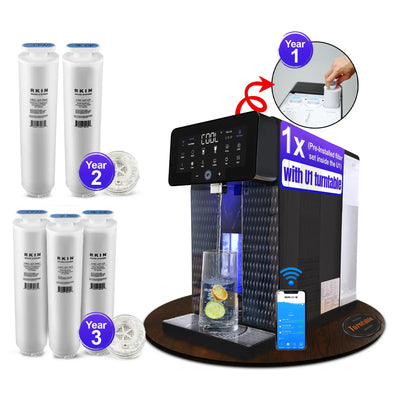
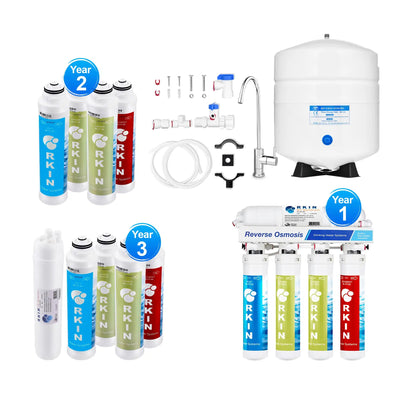
If you want a compact countertop system with multiple treatment stages, the RKIN U1 4-in-1 Water Filter System is another drinking-water option to review. If you prefer an under-sink setup, the RKIN Flash Undersink RO System fits kitchens where a dedicated faucet and under-sink installation make sense.
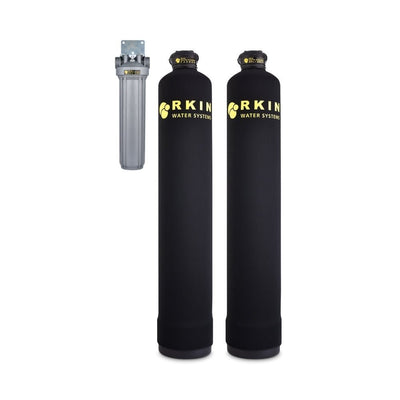
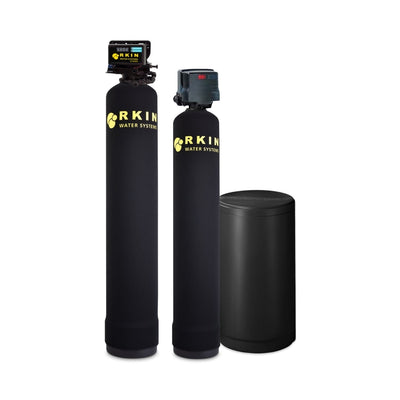
For metallic taste tied to well water, staining, sediment, or whole-home source-water issues, start with testing and then compare options in RKIN’s whole house water treatment collection. Whole-home treatment should be sized around the water report, flow rate, plumbing layout, and the specific issue you are trying to solve.
Frequently Asked Questions
Why does my tap water taste metallic all of a sudden?
A sudden metallic taste can come from plumbing work, hydrant flushing, a source-water change, water heater issues, corrosion, or metals such as iron, manganese, copper, or lead entering the water. If the taste is new, check whether it happens at one faucet or every faucet, flush the line, then use a certified lab test if it continues.
Can a water filter remove a metallic taste?
A filter can help when it matches the cause. Carbon can improve some taste and odor issues. Reverse osmosis is often used for drinking-water problems involving dissolved solids and certain metals. Whole-home systems may be needed when the issue affects every fixture. The filter label and certification should match the contaminant on your water test.
Does metallic-tasting water mean there is lead in it?
Not always. Metallic taste can come from iron, copper, manganese, zinc, TDS, low pH, or plumbing corrosion. Lead cannot be confirmed by taste, smell, or appearance. If your home has older plumbing, a lead service line, or a new metallic taste, use a certified lab test rather than guessing.
Should I test my water before choosing reverse osmosis?
Yes. Testing helps you choose the right setup and avoid buying the wrong tool. For city water, start with the Consumer Confidence Report and test at the tap if the issue is new or home-specific. For private wells, annual testing plus issue-specific testing is the safer path before choosing equipment.
Do I need a countertop or under-sink RO system?
Choose based on the kitchen and how you use it. A countertop system is easier when you rent, cannot drill, or want no plumbing changes. An under-sink system fits homeowners who want a dedicated faucet and a more permanent installation. Both should be matched to your water report and maintenance preferences.
Ready to Fix the Taste at the Tap?
Metallic-tasting water is a signal to investigate, not a reason to guess. Test the water, check where the taste appears, and choose a filter that matches the result.
Start with the RKIN Zero Installation Purifier Countertop Reverse Osmosis Water Filter if you want countertop RO without plumbing changes, or compare RKIN drinking-water and whole-home options based on your water test.






0 comments