


apartment water filter
Rental Lease Water Filter Checklist: What You Can Install

The best filter for a rental is one that solves the drinking-water problem without creating a lease problem. Before buying, identify what the lease allows, which fixtures can be touched, and what must be restored at move-out.
This checklist starts with permission and physical fit. It then compares refill-tank countertop systems, faucet-connected units, pitchers, and installed equipment by reversibility, daily routine, and the evidence behind their treatment claims.
Start With the Lease, Not the Product Page
Most apartment water decisions happen under constraints. You may not be allowed to drill a hole for a dedicated faucet. You may have a pull-down sprayer that rules out a faucet-mounted filter. You may share plumbing with the rest of the building. You may move before the next lease renewal.
Those details matter because water filters are not interchangeable. A pitcher can improve taste for one person, but it fills slowly and usually handles only small batches. A faucet-mounted filter can be useful if the faucet allows it, but many modern rental faucets do not. An under-sink reverse osmosis system can be a strong option for homeowners, but many renters do not want to ask a landlord to approve plumbing work.
Start with three questions:
- What do you want to improve: taste, smell, sediment, lead concerns, PFAS concerns, hardness scale, or all of the above?
- What can you change: countertop only, faucet connection, removable under-sink connection, or permanent installation?
- How much water do you actually use for drinking, coffee, cooking, pets, and ice?
Your answer points you toward a type of system. If your main issue is taste and odor, carbon filtration may be enough. If you want broad drinking-water reduction from a compact setup, reverse osmosis is often the category to compare. If your complaint is hard-water scale on shower glass and appliances, a drinking-water filter will not solve the whole apartment.
Separate Temporary Options From Fixture Changes
Pitchers are the default because they are cheap to try and easy to move. They also ask you to refill constantly, wait for water to pass through, and track filter changes. For one person, that may be fine. For a family, a coffee drinker, or anyone cooking at home, the slow refill cycle gets old fast.
Faucet-mounted filters look simple until the faucet does not match. Many rental kitchens use pull-down sprayers, unusual aerators, or shallow sinks that make attachments awkward. Even when they fit, they hang from the faucet and may reduce flow.
Boiling water is useful in specific emergency instructions from a utility, but it is not a general filtration plan. The EPA home filtration fact sheet separates treatment methods because different problems require different tools. Boiling does not make a carbon filter unnecessary, and it does not turn tap water into reverse osmosis water.
Bottled water can feel like a quick workaround, but it brings storage, plastic waste, heavy cases, and recurring trips. It also avoids the real question: what should you use at the sink every day?
Choose by Daily Routine and Verified Need
For renters, the best setup is usually a point-of-use filter. That means it treats the water you drink and cook with, instead of treating every shower, toilet, and laundry load. The EPA notes that many household activities do not need treated water, which is why drinking and cooking are the right focus for many homes.
Here is a plain-English way to compare categories:
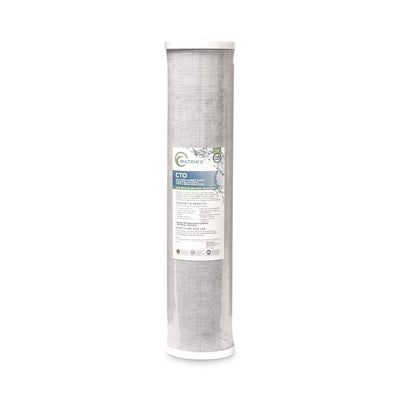
- Carbon filters are good to compare for chlorine taste and odor.
- Reverse osmosis systems are good to compare when you want a membrane-based drinking-water system.
- UV is used for microbial concerns, but it does not remove dissolved minerals or chemicals by itself.
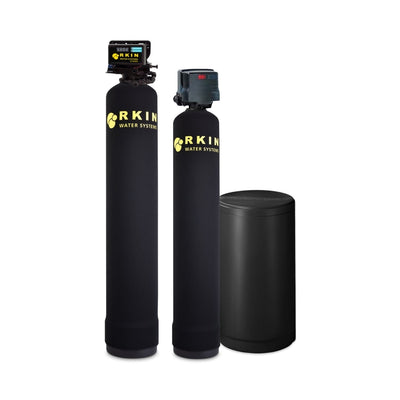
- Softeners and conditioners address hardness behavior; they are not the same thing as a drinking-water filter.
Certification language also matters. NSF explains that water treatment standards cover different claims. NSF/ANSI 42 is commonly tied to aesthetic concerns such as chlorine taste and odor. NSF/ANSI 53 is tied to certain contaminant reduction claims. NSF/ANSI 58 applies to reverse osmosis systems and related claims.
Do not buy based on a vague label that says “filters everything.” Match the filter type to the water issue, then check the system’s documentation for the claims that matter to you.
Use No-Plumbing RO When Reversibility Matters
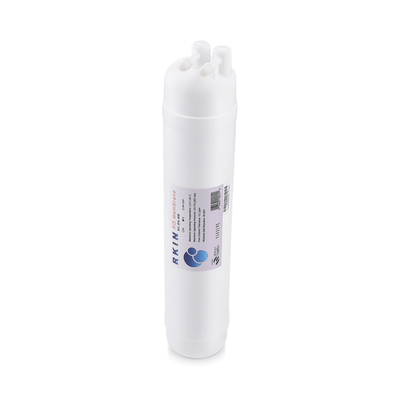
Reverse osmosis is often attractive to renters because it treats drinking water at the point of use. In a typical RO system, water passes through pre-filters, an RO membrane, and post-filtration stages. The membrane step is the reason RO is discussed differently from a basic carbon pitcher.
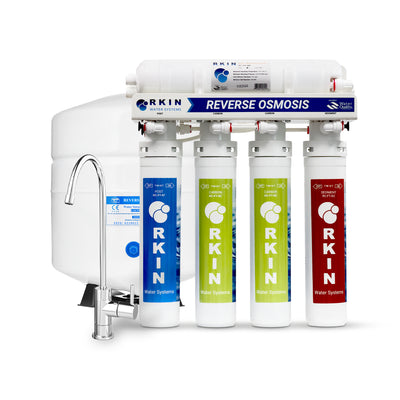
The catch is installation. Traditional under-sink RO usually needs a feed-water connection, drain connection, storage tank, and dedicated faucet. That can be fine in a home you own. In a rental, it can turn a water filter into a permission project.
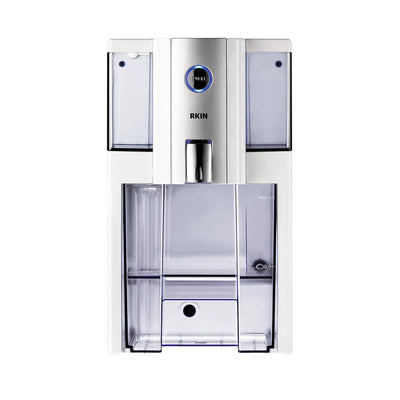
That is where no-install countertop reverse osmosis has a place. It gives renters a path that avoids drilling and makes moving simpler. You can use it in an apartment, condo, dorm-style setup, or temporary housing without leaving hardware behind.
A countertop RO system is not the answer to every water problem. It will not soften shower water. It will not treat every faucet. It is meant for drinking and cooking water. For many renters, that is exactly the point: fix the water you actually consume without taking on a whole-home project you are not allowed to install.
Where an RKIN Countertop System Can Fit
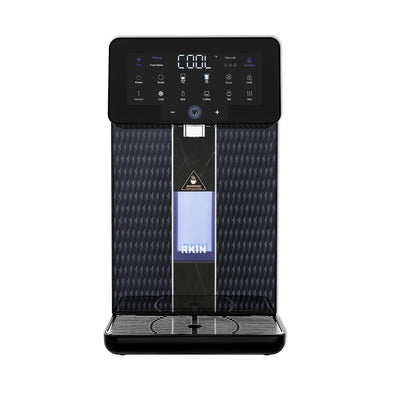
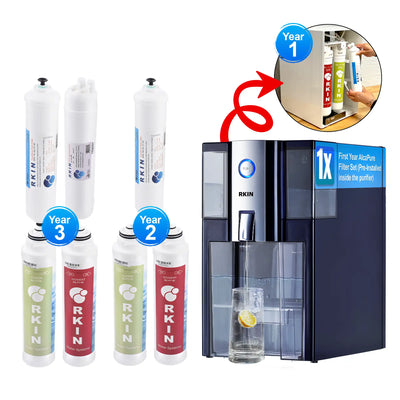
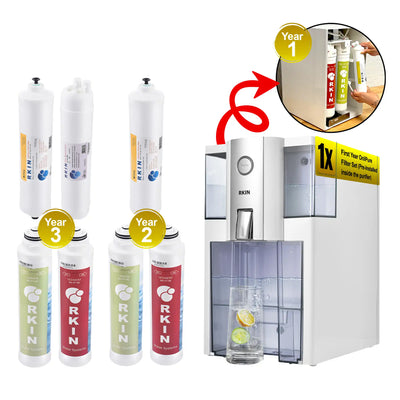
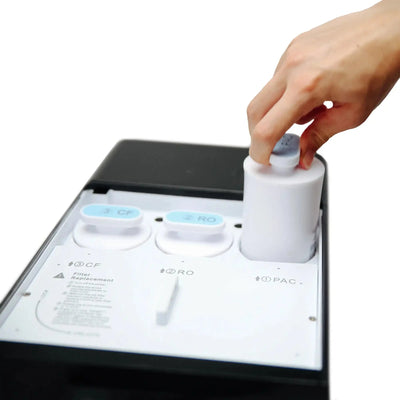
This is what the RKIN Zero Installation Purifier Countertop Reverse Osmosis Water Filter is designed for: renters and homeowners who want reverse osmosis drinking water without permanent installation. It is a countertop RO option, so the decision is not about cutting into cabinets. It is about whether you have counter space and want a system focused on drinking and cooking water.
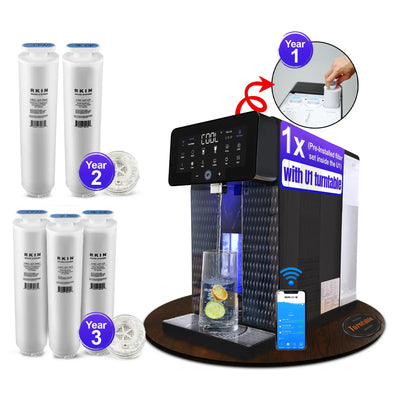
For renters who prefer a fill-tank style countertop system, the RKIN U1 4-in-1 Water Filter System is another renter-friendly path. It sits on the countertop, uses a fill tank, and avoids under-sink plumbing. That makes it easier to use in apartments where faucet connections are awkward or landlord rules are strict.
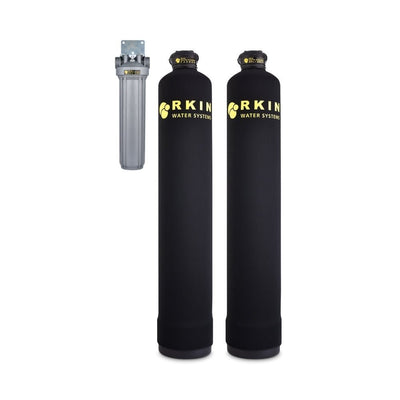
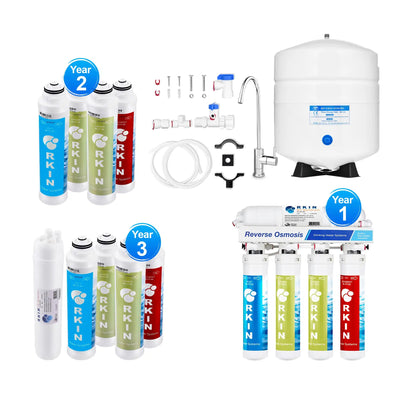
If you own the home, have permission to install, or want a cleaner sink area, the RKIN Flash Undersink RO System may be a better long-term fit. Renters should start with the least permanent option that solves the actual drinking-water problem.
Make a Move-In and Move-Out Checklist
Use this checklist before you buy any filter:
- Read your local Consumer Confidence Report if you are on city water.
- Test your water if you use a private well or suspect a building-specific issue.
- Decide whether your concern is taste, odor, visible particles, or a specific contaminant.
- Check whether your lease allows under-sink installation.
- Measure counter space before choosing a countertop system.
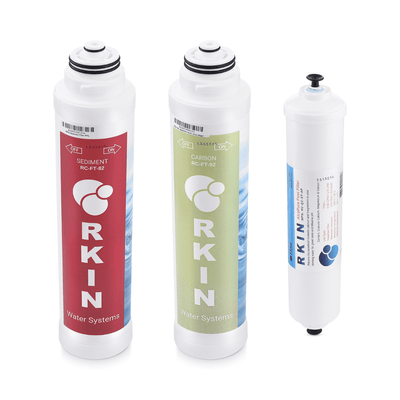
- Confirm filter replacement steps and availability.
- Choose a system that treats enough water for daily use.
If you are dealing with sudden color changes, a sewage smell, a utility advisory, or water that changes after nearby construction, do not treat it as a normal taste issue. Contact your water utility or landlord, then test if needed. The EPA home water testing page is a good starting point for when testing makes sense.
Document the Apartment Before Installation
Photograph the faucet, aerator, sink, cabinet, counter, outlets, and any existing damage. Save written approval if a landlord permits a fixture change.
A refill-tank countertop RO system usually avoids a permanent water-line connection. It still needs counter clearance, an outlet if powered, regular refilling, and a place to drain or clean the tank.
- Read alteration, plumbing, appliance, and move-out clauses.
- Check faucet threads before buying an adapter-based device.
- Measure counter space and outlet distance.
- Avoid drilling without written approval.
- Store original aerators or hardware for move-out.
- Plan filter replacement and cleaning access.
If the system moves with you, keep its manual, accessories, and packing materials together. That makes the setup easier to reverse and reinstall.
Keep a Reversible Installation Record
Write down every part you remove, adapter you add, and setting you change. Keep receipts and the landlord's approval with the photographs. At move-out, restore the fixture, check for drips, and compare it with the original photos. A reversible record protects both the renter and the property owner.
Frequently Asked Questions
Can a renter install an under-sink RO system?
It depends on the lease and the installation. Get written approval before altering plumbing, drilling, or adding a dedicated faucet.
Does a refill-tank countertop RO connect to the faucet?
Generally no. It is filled manually, but the exact setup and power needs depend on the model.
Should I save the original faucet aerator?
Yes. If you use a removable adapter, label and store the original parts so the fixture can be restored.
What should I photograph before installing a filter?
Photograph the fixture, connection points, cabinet, counter, nearby outlet, and existing damage.
Is a pitcher always the simplest renter option?
It may be easy to place, but capacity, replacement frequency, and verified reduction claims may not fit every need.
Choose a Setup You Can Remove Cleanly
RKIN's no-plumbing countertop RO systems are designed for refill-tank use, which can suit renters who cannot alter fixtures. Confirm the current model dimensions, power, output, and maintenance routine before choosing.





0 comments