


chloramine water filter
Chlorine vs Chloramine on Your Water Report: How to Tell

Short answer: find the disinfectant section in your utility's Consumer Confidence Report or ask the utility directly. Smell alone cannot reliably tell free chlorine from chloramine, and a filter claim for one should not be assumed to cover the other.
Start With the Utility, Not the Smell
Utilities use disinfectants to control microbes as water travels through the distribution system. Some use chlorine. Others combine chlorine and ammonia to form chloramine. A utility may also change its approach temporarily for system maintenance.
The EPA's Chloramines in Drinking Water page, updated March 12, 2026, explains how chloramines are formed and why systems use them. Your local utility is still the source for what reaches your home now.
A pool-like or medicinal odor may lead you to suspect a disinfectant, but it does not identify the exact one. Temperature, plumbing, water age, and household conditions can change what you smell.
What Free Chlorine, Total Chlorine, and Chloramine Mean
Free chlorine refers to chlorine available as a disinfectant residual. Total chlorine is a measurement that can include free chlorine plus combined chlorine. Chloramine is a combined disinfectant, commonly formed with chlorine and ammonia.
Those terms are not interchangeable on a test strip or equipment label. A total-chlorine number does not tell a homeowner every chemical detail without the test method and utility context. Ask the utility which residual it maintains and whether the disinfectant changes seasonally.
If an aquarium, dialysis-related concern, or another specialized use is involved, follow the professional guidance for that use. A drinking-water taste filter should not be treated as a substitute for specialized treatment instructions.
Find the Disinfectant in the Water Report
Community water systems issue an annual Consumer Confidence Report. The EPA's Consumer Confidence Report page explains the reports and provides a finder. Search the report for disinfectant, chlorine, chloramine, residual, MRDL, or disinfection byproducts.
The report may list the disinfectant residual in one table and byproducts such as TTHMs or haloacetic acids in another. Do not use the byproduct table to guess the current disinfectant. Read the notes, contact the utility, and ask whether a temporary switch is underway.
Keep the report year and utility name with your notes. A report for a neighboring system or a prior residence may describe a different source and treatment process.
If you rent, ask the property manager whether the building has central treatment after the utility meter. Building equipment can change what reaches the faucet even when the utility report is correct.
A Compliant Residual Can Still Affect Taste
A utility can meet its regulatory requirements and a homeowner can still notice taste or odor. Compliance and preference answer different questions. The report shows the system's monitoring; your household experience shows where you want improvement.
The published tap-water chlorine smell guide covers the general symptom and practical first checks. This page is for identifying the disinfectant before equipment selection.
Me personally, I would call the utility with the report open and ask one direct question: are you using free chlorine or chloramine at my service address today?
Verify the Exact Treatment Claim
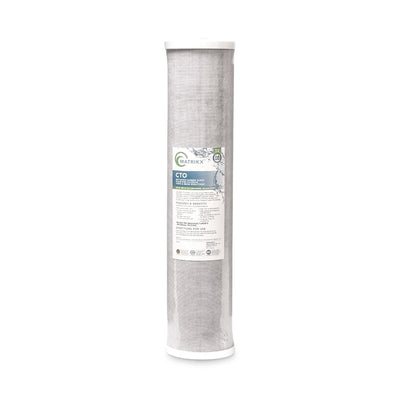
Carbon can be used in treatment for disinfectant taste and odor, but the media, contact time, flow, capacity, and certification claim matter. A product that carries a chlorine reduction claim should not be assumed to carry a chloramine reduction claim.
Find the exact model number and performance data sheet. Search the certifier's directory if the product states a certification. Match the named reduction claim to the disinfectant the utility confirmed.
Replacement timing matters too. An overdue cartridge, high flow, or a housing installed backward can change performance. Keep installation and cartridge dates rather than waiting for odor alone to decide.
If the utility announces a temporary disinfectant change, note the start and end dates. The right equipment did not necessarily fail; the water entering the home may have changed for a planned system operation.
Point-of-Use or Whole-Home
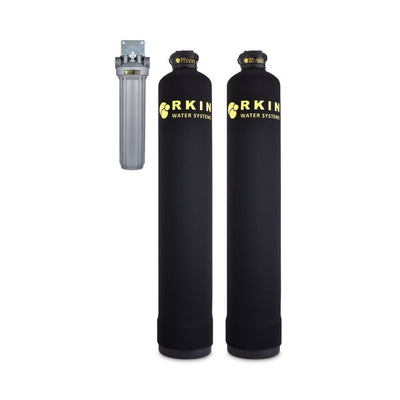
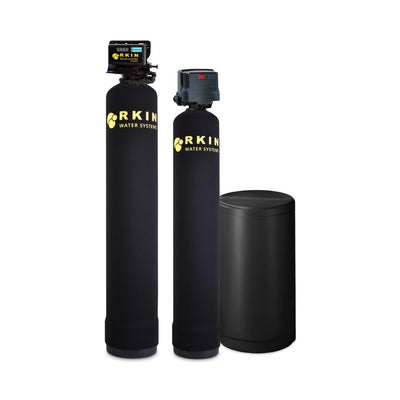
If the concern is drinking-water taste at one tap, a point-of-use system can keep the project focused. If the disinfectant odor appears at showers and every fixture, a properly sized whole-house carbon system may fit the use case better.
Whole-home equipment must be sized for peak flow and service conditions. Point-of-use equipment must fit the exact faucet or countertop routine. Neither choice should be made from the word carbon alone.
Compare whole-house water treatment only after confirming the disinfectant, main-line size, flow demand, and maintenance plan.
Before sizing a whole-home carbon system, measure the home's peak simultaneous flow and available service space. Contact time matters, so a housing chosen only by pipe diameter may not match real household demand.
Questions to Ask Before Buying
- Which disinfectant is used at my service address today?
- Does the utility switch disinfectants during the year?
- Where does the current report list the residual?
- Does the exact filter model claim chlorine, chloramine, or both?
- At what flow and capacity was that claim tested?
- Which cartridge keeps the model in its certified configuration?
- Is the goal one drinking tap or the whole house?
Read the Report Table in Context
A water report may show a range, average, highest value, running annual average, or number of samples. Read the column headings and footnotes before comparing one number with a filter claim. The disinfectant entry may use milligrams per liter, while byproducts appear elsewhere in micrograms per liter.
Look for the reporting year and the period the samples cover. The annual report summarizes prior monitoring; it may not describe today's temporary operational change. The utility can explain current residual targets and planned switches.
If the report uses unfamiliar abbreviations, call the number printed on the report. Ask the utility representative to point to the disinfectant type, normal residual range, and any current notice for your service area.
Temporary Switches Need a Date Range
Some utilities temporarily change disinfectant practices as part of distribution-system work. During that period, taste or odor can change even though the household plumbing and filter did not. Ask when the switch starts, when it ends, and whether flushing instructions apply.
Record the dates with filter service notes. If a cartridge seems to change performance during the switch, avoid replacing the entire system until the utility returns to normal and the current cartridge claim is reviewed.
A temporary switch also matters for specialized household uses. Follow the utility and the relevant professional guidance rather than using taste, boiling, or a standard drinking filter as the only decision tool.
Read the Filter Data Sheet Like a Contract
The performance data sheet should identify the exact model, claimed reduction, test standard, capacity, rated flow, replacement cartridge, and operating conditions. Match every model suffix and footnote. Similar housings can carry different media and claims.
Capacity and flow are connected to ownership. A whole-house system may need enough contact time at shower-and-laundry demand, while a small drinking-water cartridge is tested at a lower flow. Running water faster than the rated condition can reduce the contact time the claim depends on.
Keep the data sheet and replacement part number with the utility answer. That two-page record proves what is in the water and what the selected system is actually represented to reduce.
Test Strips Have a Limited Role
A household chlorine strip can be a screening tool when used within its instructions, but it does not replace the utility's disinfectant answer or a certified product claim. Check whether the strip measures free chlorine, total chlorine, or both and whether the reading range fits tap water.
Sample at a consistent cold tap and record time, temperature, and whether the water was flushed. Comparing random readings from different taps and times can create a false performance story.
If the filter decision matters for the whole home, use the utility report, direct utility confirmation, and the equipment data sheet together. A strip can add context, but it should not be asked to identify every disinfectant condition in the system.
The reason I am asking you to name the disinfectant first is that the word carbon is not a performance claim. The exact label has to match the actual water.
Frequently Asked Questions
Can I tell chlorine from chloramine by smell?
Not reliably. Check the utility report or ask the utility which disinfectant it uses at your service address.
Where is chlorine listed in a water report?
Search for disinfectant, chlorine, chloramine, residual, MRDL, or disinfection byproducts, then read the notes or call the utility for clarification.
Does total chlorine mean chloramine?
Not by itself. Total chlorine can include free and combined forms. The test method and utility explanation are needed.
Does every carbon filter reduce chloramine?
No. Verify an explicit chloramine reduction claim for the exact model and follow its flow, capacity, and replacement instructions.
Should I use a point-of-use or whole-house filter?
Use one tap when the goal is drinking-water taste in one location. Consider properly sized whole-home treatment when the issue is at showers and fixtures throughout the home.
Confirm the Disinfectant First
Open the current utility report, confirm free chlorine or chloramine with the utility, then compare that answer with the exact reduction claim and service capacity on the filter's performance data sheet.





0 comments