


consumer confidence report
Water Quality Report: How to Read It Before Buying

Short answer: your water quality report tells you what your city water system detected last year, whether it met federal limits, and which contaminants deserve a closer look before you buy a filter. It does not tell you what happens inside your own plumbing or what changed after the report period ended.
That timing matters in June. The EPA says community water systems must send Consumer Confidence Reports to customers every year by July 1. If yours just arrived, or is about to, it is one of the best free clues you have before choosing a drinking-water system.
What is a water quality report?
A water quality report, also called a Consumer Confidence Report, is an annual summary from your local community water system. The EPA explains that it lists the regulated contaminants detected in your water, where the water comes from, whether the system violated any drinking-water rules, and how the reported levels compare with federal standards.
The useful part is not just the pass-or-fail line. The useful part is the detail. A report might show low levels of nitrate, arsenic, disinfection byproducts, lead sampling results, fluoride, or total dissolved solids. It may also include notes about source water, treatment steps, and special instructions for people with specific concerns.
Here is the catch: the report is about the water system, not every glass from every faucet. Your house has its own pipes, fixtures, water heater, and sometimes a service line. That is why a water quality report is a starting point, not the full diagnosis.
Read the report like a map: it points you toward the first issue to investigate, but a fresh test at the tap is what describes your home's water today.
Which numbers should homeowners check first?
Start with the contaminants that are listed as detected, then compare them with the report's limit column. Most reports include some version of MCL, which stands for maximum contaminant level. That is the enforceable federal limit for a regulated contaminant.
A detected contaminant below the limit usually means the public system met the legal standard during the reporting period. It does not automatically mean the water matches your personal preference for taste, odor, or point-of-use filtering. Legal compliance and what you want at your kitchen sink are related, but they are not the same thing.
Pay special attention to these sections:
- Disinfection byproducts, often listed as TTHMs or HAA5, because they can vary by season and by location in a distribution system.
- Nitrate, especially in agricultural regions or areas with runoff concerns.
- Arsenic, because some groundwater sources naturally contain it.
- Lead and copper sampling notes, because the issue is often household plumbing or service-line related.
- Fluoride, total dissolved solids, hardness, chlorine, or chloramine notes, because these affect taste, scale, and the type of filter you may prefer.
Also read the footnotes. Many homeowners skip them, but the footnotes often explain averaging, sampling locations, and whether a result came from source water, treated water, or distribution-system samples.
What does the report miss?
The biggest limitation is timing. A 2026 report usually summarizes results from the previous calendar year. If road work, plumbing changes, flooding, hydrant flushing, or a treatment adjustment happened this spring, your annual report may not show the change yet.
The second limitation is location. Your city may sample at approved sites across the system, but it is not sampling your kitchen faucet every day. If your home has old pipes, a private treatment device, a water heater issue, or a long service line, your tap can behave differently from the average system result.
The third limitation is scope. Your report focuses on regulated monitoring. It may not list every emerging contaminant people ask about online. For example, the EPA finalized national drinking-water standards for certain PFAS in 2024, but how those show up in local reporting can depend on monitoring schedules, system size, and implementation timing.
Me personally, I would not use one annual report as the only basis for a whole-house purchase. In my house, I would use it to decide what to test next and which product category belongs in the conversation.
What should you do if the report shows a contaminant?
First, do not panic-buy a system from one line item. Confirm what the number means. Look for the detected level, the legal limit, the reporting unit, and whether the result was an average or a range.
Second, decide whether the issue is drinking water, whole-house water, or plumbing-specific. That is the difference between solving the right problem and buying too much equipment.
For example, if the concern is mainly water you drink and cook with, a point-of-use reverse osmosis system may be the right fit. Reverse osmosis is designed to reduce many dissolved contaminants at the drinking-water tap. If the concern is chlorine taste, odor, or sediment across the home, whole-house carbon or sediment filtration may belong in the discussion. If the issue is hardness and scale, a conditioner or softener addresses a different problem than an RO drinking-water system.
Match the filter to the report, the plumbing, and the specific change you want.
What filters match common report findings?
A water quality report is easier to use when you match findings to filter categories instead of jumping straight to a product name.
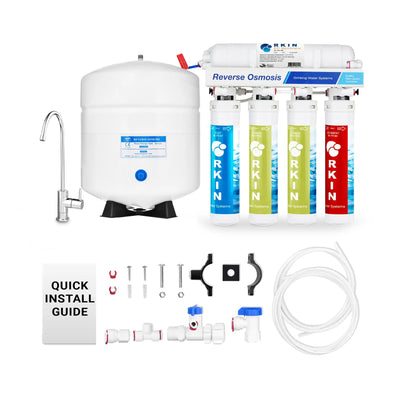
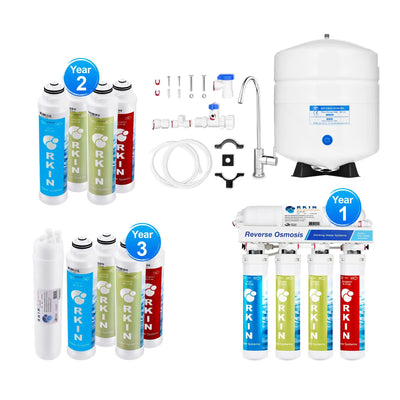
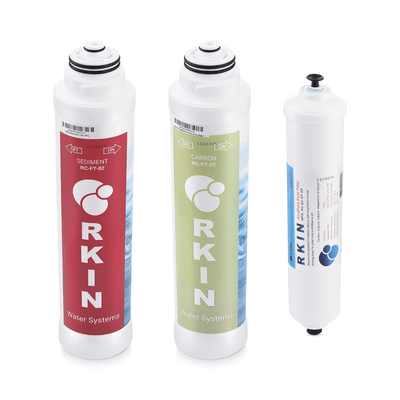
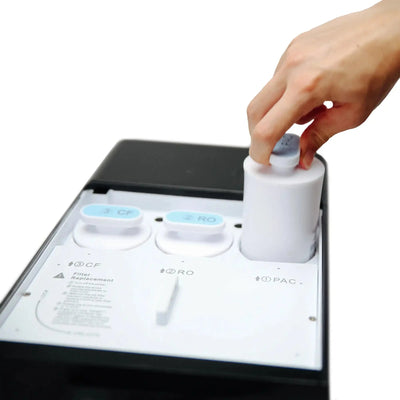
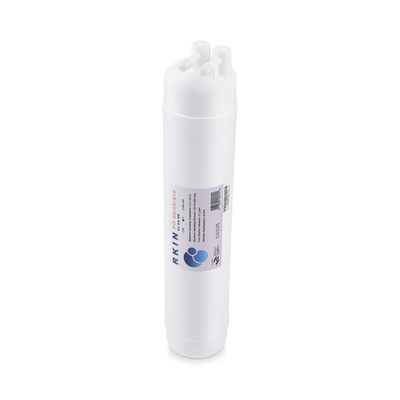
If your report raises drinking-water concerns like high TDS, nitrate, fluoride, arsenic, or PFAS monitoring, start by comparing reverse osmosis options. RKIN has countertop and under-sink RO paths, depending on whether you want installation or not.
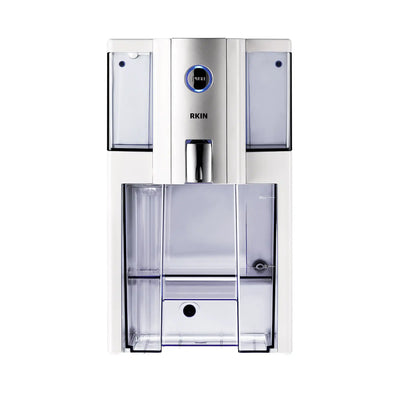
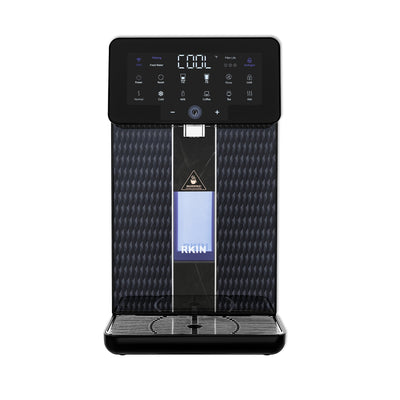
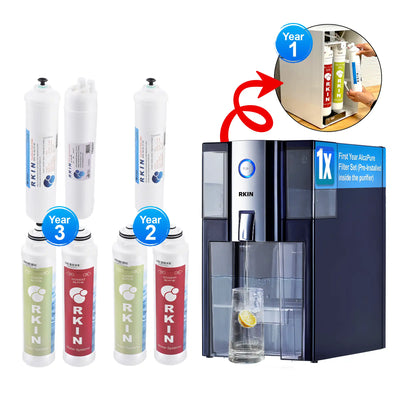
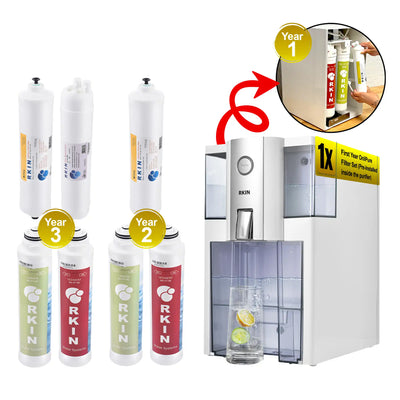
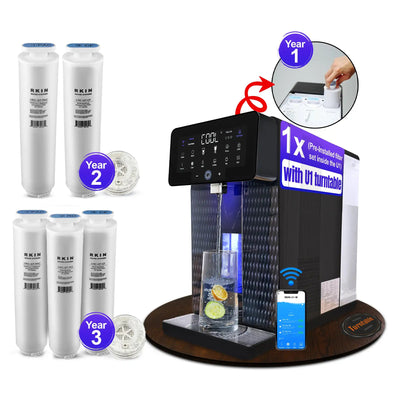
The RKIN U1 4-in-1 Water Filter System is a countertop RO system with a fill tank, UV, and no plumbing installation. The RKIN Zero Installation Purifier is another countertop reverse osmosis option for renters, apartments, and households that do not want to modify plumbing. The RKIN Flash Undersink RO System is the cleaner fit when you want the system under the sink and are comfortable connecting to the cold-water line.
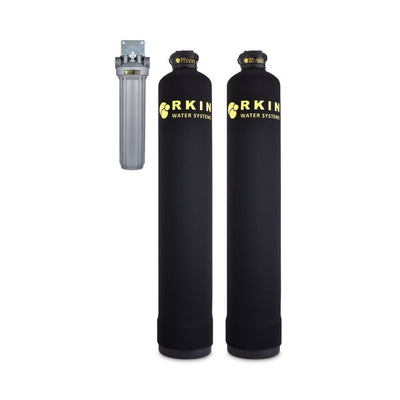
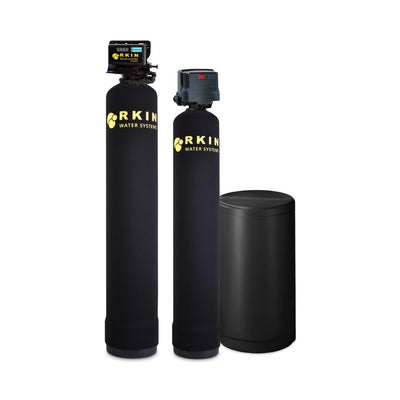
If the report points more toward taste, odor, chlorine, sediment, or home-wide water feel, start with a whole-house conversation instead of forcing everything through a kitchen filter. The RKIN whole-house water treatment collection is the right place to compare categories after you know what the report is actually saying.
When should you test your own tap water?
Test your own tap if the report shows a contaminant close to a limit, if your home has older plumbing, if your water changed recently, or if you are deciding between point-of-use and whole-house equipment.
Testing is also smart if you use a private well, because private wells do not receive the same annual city report. In that case, the report step does not exist. You go straight to water testing.
For city water, a tap test helps separate system-wide water from home-specific water. That matters for lead, copper, sediment, discoloration, and taste issues. It also helps you avoid treating a whole house for a problem that only needs a drinking-water filter.
Understood: nobody wants homework before buying a filter. But water is like a diagnosis. The reason we ask what the report says is because the same symptom can point to different fixes.
Frequently Asked Questions
Where do I find my water quality report?
Most community water systems mail it, email it, or post it online by July 1 each year. Search your city or utility name plus "water quality report" or "Consumer Confidence Report." If you rent, ask your property manager or look up the water provider for your address.
Is a water quality report the same as a water test?
No. A water quality report summarizes required monitoring from your public water system. A water test checks a specific sample, usually from your faucet or well. The report is useful for broad context. A tap test is better for home-specific questions.
If my report says the water is legal, do I still need a filter?
Maybe, maybe not. Legal compliance means the system met required standards during the reporting period. A filter may still make sense for taste, odor, dissolved solids, or a specific contaminant you want to reduce at the tap. The right choice depends on your goal.
Does reverse osmosis help with contaminants listed on water reports?
Reverse osmosis can reduce many dissolved contaminants, including several that commonly appear in water reports. Match the contaminant to the product's testing and certification details instead of assuming every filter handles every issue.
Should I buy a whole-house filter from a city water report alone?
Usually, no. Use the report to narrow the problem, then test if the decision is expensive or home-wide. In my house, I would not choose whole-house equipment from one annual report line unless the same issue showed up in a current tap test or clear symptoms across the home.
Ready to Match Your Report to the Right Filter?
If your water quality report has you comparing options, start with the problem you are solving: drinking water, home-wide taste and odor, or hardness and scale. For drinking-water concerns, compare RKIN reverse osmosis options first: see the RKIN U1 4-in-1 Water Filter System.





0 comments